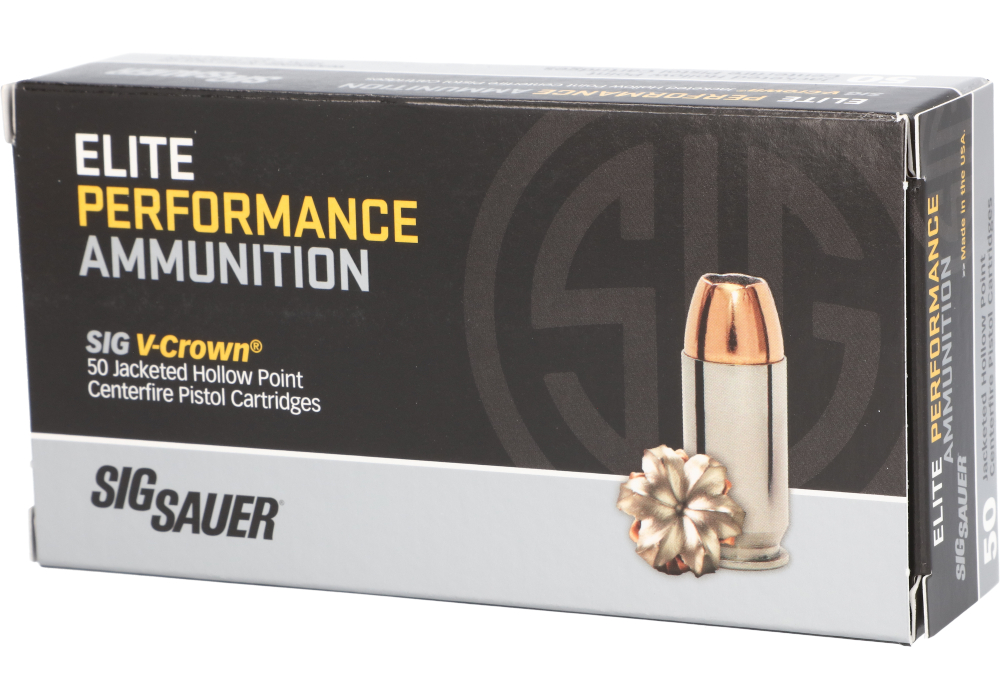
Jacketed hollow point ammunition, commonly abbreviated JHP, combines a soft lead core with a harder metal jacket and an open cavity at the nose. That cavity is designed to help the bullet expand when it encounters a suitable target, while the jacket supports the bullet as it travels through the firearm and toward impact. Rather than relying on a simple solid profile, a JHP is engineered to balance feeding reliability, penetration, expansion, and energy transfer. When the nose meets soft tissue, hydraulic pressure can push the jacket and lead outward, creating the familiar mushroomed shape and a wider wound channel. Expansion can also slow the projectile and may help reduce the chance of complete pass-through, although performance depends on many factors, including ammunition design, impact velocity, clothing, barriers, and the target itself. These characteristics make jacketed hollow points a common choice for lawful personal protection, duty use, and other applications where controlled terminal performance matters. They are often selected for handguns used in a home-defense or concealed-carry role, as well as for some hunting applications where the cartridge, bullet construction, and local regulations are appropriate. The best choice begins with the firearm rather than the label on the box: confirm the exact caliber, cartridge designation, and chambering, then consult the owner’s manual and use ammunition that meets the manufacturer’s specifications. A cartridge that appears similar may not be interchangeable, and even ammunition in the correct caliber can vary substantially in bullet weight, pressure, velocity, and intended purpose.
Choosing among jacketed hollow points involves more than selecting the most dramatic-looking cavity. Bullet weight affects recoil, velocity, and the way a particular load behaves in a specific firearm. Lighter bullets may produce different felt recoil and point of impact than heavier options, while different jacket profiles and nose shapes can influence how smoothly a semi-automatic pistol feeds. The hard jacket is valuable here because it helps protect the softer lead core and reduces the amount of exposed lead rubbing against the feed ramp or rifling. Still, no general description can replace testing a load in the firearm for which it is intended. A sensible process is to verify fit and function with the firearm unloaded, follow all manufacturer safety instructions, and have a qualified adult confirm that the ammunition cycles, extracts, and locks back as expected. When practicing, many shooters use comparable full-metal-jacket ammunition for routine range work and reserve their selected JHP load for function checks and periodic confirmation of accuracy and reliability. Keeping notes about bullet weight, sight picture, recoil, and group size can make it easier to identify a load that feels manageable and performs consistently. For those building a personal-protection setup, the Personal Protection Hollow Point Ammo selection offers a focused place to compare suitable options. Ammunition should be stored in its original packaging, protected from excessive heat and moisture, and kept inaccessible to unauthorized users. During the cooler months, a firearm and its ammunition may move between a climate-controlled home, a vehicle, and outdoor conditions; allowing equipment to return to a stable temperature and checking for visible corrosion or damaged cases is a simple part of responsible ownership.
Jacketed hollow points can be a practical addition for an experienced shooter, a new firearm owner completing a carefully planned setup, or a recipient of a lawful ammunition gift, provided the recipient’s caliber, firearm, training level, and local requirements are known in advance. Ammunition is not a universal gift: a box intended for one chambering cannot be substituted for another, and preferences can vary with recoil tolerance, barrel length, sight configuration, and the intended role of the firearm. A thoughtful purchase therefore starts with the recipient’s owner’s manual or a confirmed cartridge specification, not guesswork based on appearance. For personal protection, JHP ammunition is generally chosen because its expanding design is intended to deliver controlled performance in a defensive encounter, with the potential to create a broader wound channel while limiting unnecessary pass-through compared with some non-expanding designs. That does not make any ammunition universally effective, and it does not remove the need for sound judgment, secure storage, regular maintenance, and professional training. For hunting, only select a jacketed hollow point when its construction is suitable for the game and environment, and always review current regulations before heading afield. A crisp autumn range session can be a useful time to confirm zero and handling with an unloaded firearm before live-fire practice, while early winter storage is a good reminder to inspect packaging, rotate older ammunition responsibly, and keep cartridges dry. Across every use, safe handling remains fundamental: treat every firearm as loaded, keep the muzzle pointed in a safe direction, keep the trigger finger outside the trigger guard until ready to fire, use appropriate eye and ear protection, and follow all applicable laws. With the right caliber, a compatible firearm, dependable feeding, proper storage, and realistic expectations about expansion and penetration, jacketed hollow points provide a well-established ammunition option for responsible owners seeking a balance of reliability and controlled terminal performance.