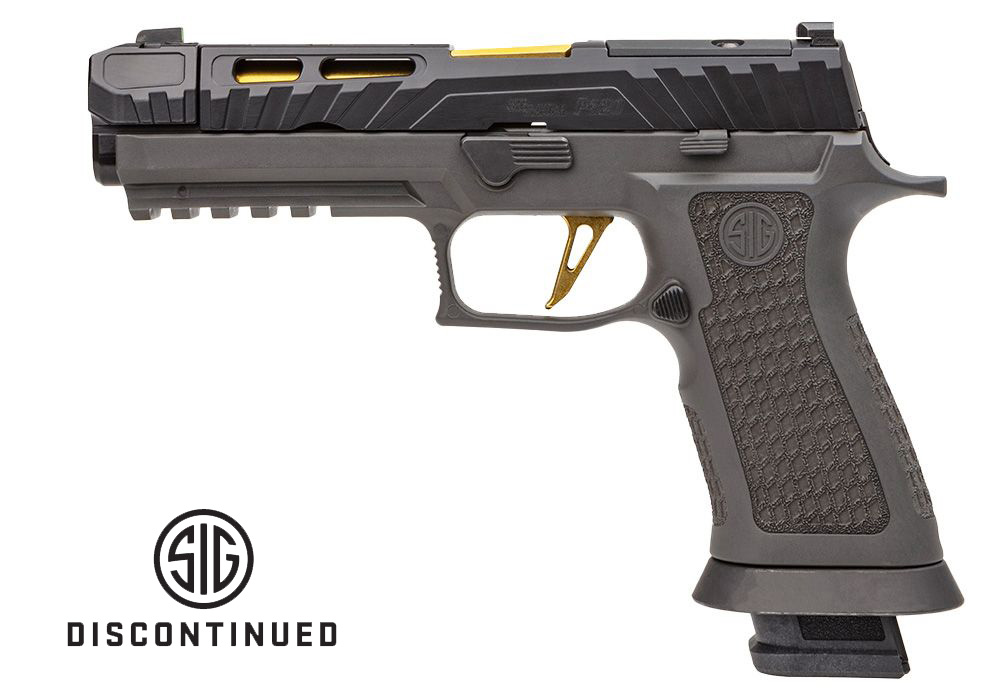
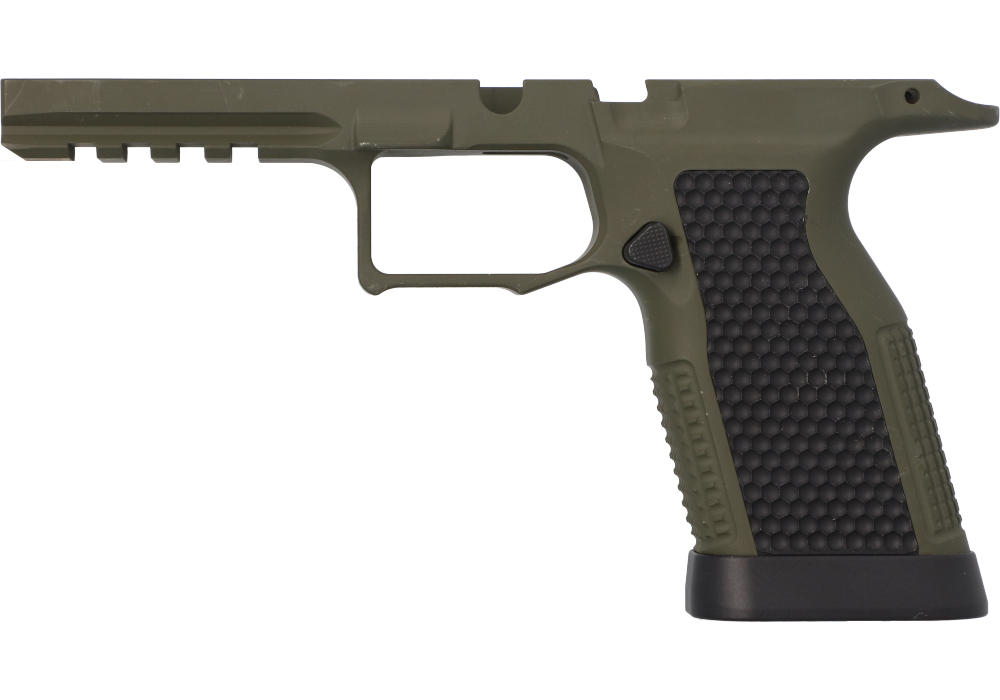
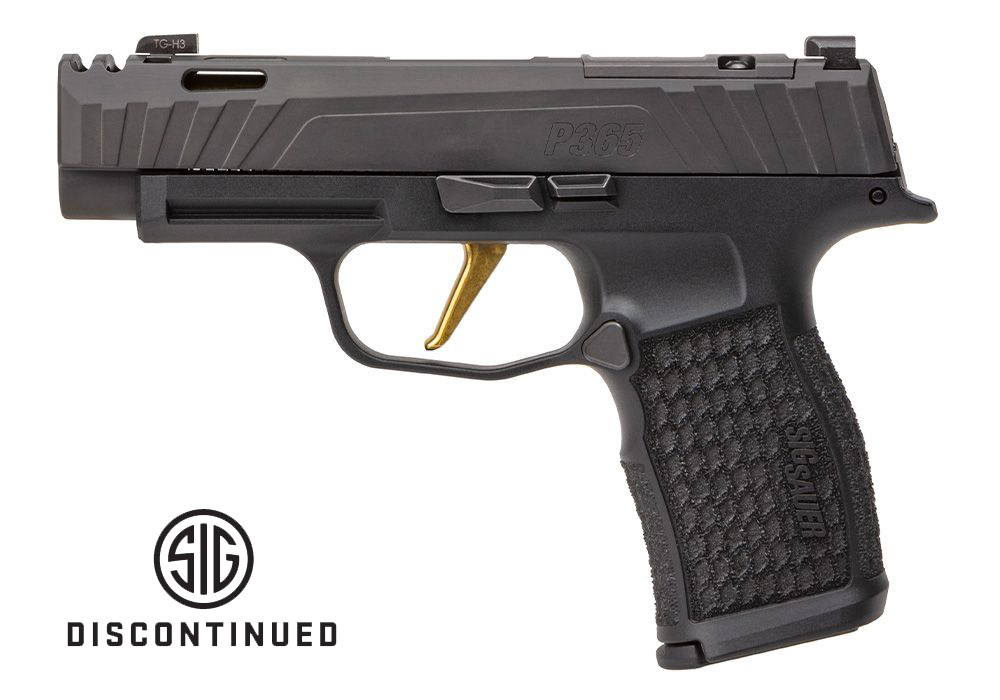
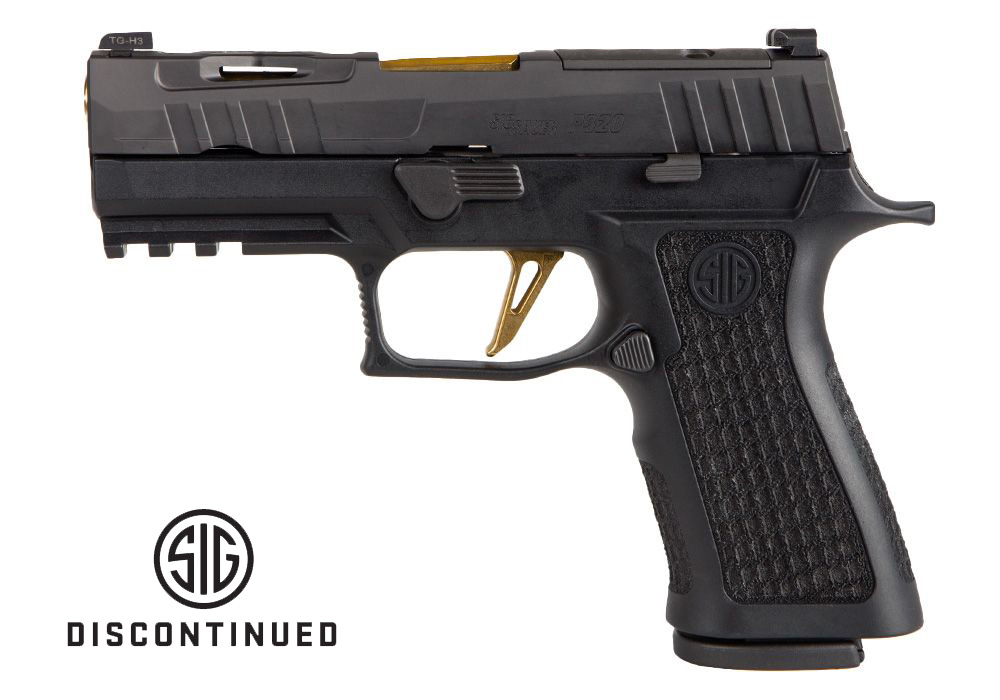
Laser stippled grip modules are polymer handgun frames designed to improve the interface between the shooter’s hand and a modular pistol. Instead of relying solely on molded-in factory texture, these modules use a focused laser to create a precise, repeatable stipple pattern across selected areas of the grip. The result is a surface that can provide more traction during recoil, improve consistency during presentation, and help the shooter maintain a secure grasp when hands are damp, gloved, or fatigued. Because the stippling is produced by controlled laser passes, the texture can be uniform from one area to the next, with carefully managed depth rather than the irregular peaks sometimes associated with hand-applied modifications. Many designs extend beyond the sides of the grip to include the frontstrap, backstrap, thumb ledges, and higher contact points near the beavertail. That broader coverage can make a meaningful difference during a long practice session, when small changes in grip pressure begin to show up as shifting sights and slower follow-up shots. For shooters who prefer a firm, locked-in feel, Aggressive Stippled Grip Modules For Pistols offer another texture category to consider. Laser stippled options may appeal to those who want pronounced traction while still paying attention to comfort during concealed carry, training, or extended handling. The pattern, depth, and coverage area all influence how the module feels in the hand, so a texture that works well for one shooter may feel unnecessarily sharp or subdued to another. Comparing close-up images, specifications, and user fitment information is useful before selecting a module, particularly when choosing between standard and extended capacity configurations or different grip sizes.
These modules are especially useful for owners of modular handgun systems, where the removable grip shell can change the shape, texture, and overall feel of the pistol without replacing the complete firearm. Fitment should be checked carefully by model family, frame size, grip circumference, and compatibility with the internal fire control assembly and other components. Some modules are intended for compact carry configurations, while others provide a fuller purchase for duty use, competition practice, range work, or larger hands. A proper fit should allow the shooting hand to reach the controls naturally while leaving enough room for the support hand to settle without crowding the trigger guard. When holding an unloaded firearm for evaluation, pay attention to whether the stippling meets the palm and fingers evenly, whether the thumb rests naturally along the frame, and whether the texture catches on clothing during a smooth draw motion. A useful test is to imagine the grip in several ordinary conditions: standing on a cool range lane, working through a series of drills with slightly damp palms, or practicing from concealment while wearing a heavier outer layer during the cooler months. The best module generally feels secure without forcing the shooter to squeeze excessively. Texture should support consistent technique, not replace it. A more aggressive pattern can be valuable for recoil control and rapid strings of fire, while a moderate laser stipple may be more comfortable for daily carry and frequent handling. Shooters who wear gloves should also consider how the pattern interacts with glove material, since some textures provide excellent purchase on bare skin but feel different through synthetic or insulated layers. Regular inspection is worthwhile as well; look for cracks, unusual wear, or interference with controls, and follow the firearm and module manufacturer’s installation guidance.
Laser stippled grip modules can also be a thoughtful accessory for a shooter who already owns a compatible modular pistol and has a clear preference for a different grip feel. They may suit a new shooter building confidence, an experienced range user refining presentation and recoil management, or a concealed-carry owner looking for a more secure purchase without changing the complete firearm. As a gift, a module is best chosen with the recipient’s exact platform, preferred grip size, and intended use in mind; an accessory card or store gift option can be safer than guessing at fitment. Since the serialized component of many modular systems is housed in the internal fire control assembly rather than the polymer grip shell, replacement modules may not be treated the same way as a complete firearm, but laws and retailer policies can vary by jurisdiction. Buyers should confirm applicable federal, state, and local requirements, along with shipping restrictions and installation rules, before placing an order. Installation should be performed with the firearm unloaded, the magazine removed, the chamber checked, and the manufacturer’s instructions followed step by step. After installation, verify that the grip module is seated correctly and that all controls operate as intended before any live-fire use. A short function check with an unloaded firearm, followed by careful testing at an appropriate range, can reveal whether the new texture and dimensions support a natural grip. Over time, many shooters find that the value of a well-chosen module is felt in small moments: the pistol settles in the same place each time it is drawn, the support hand finds dependable contact, and the grip remains steady as practice continues through changing conditions. By comparing texture aggressiveness, laser coverage, grip dimensions, compatibility, and intended use, shoppers can select a module that adds purposeful traction while preserving the handling characteristics they value most.