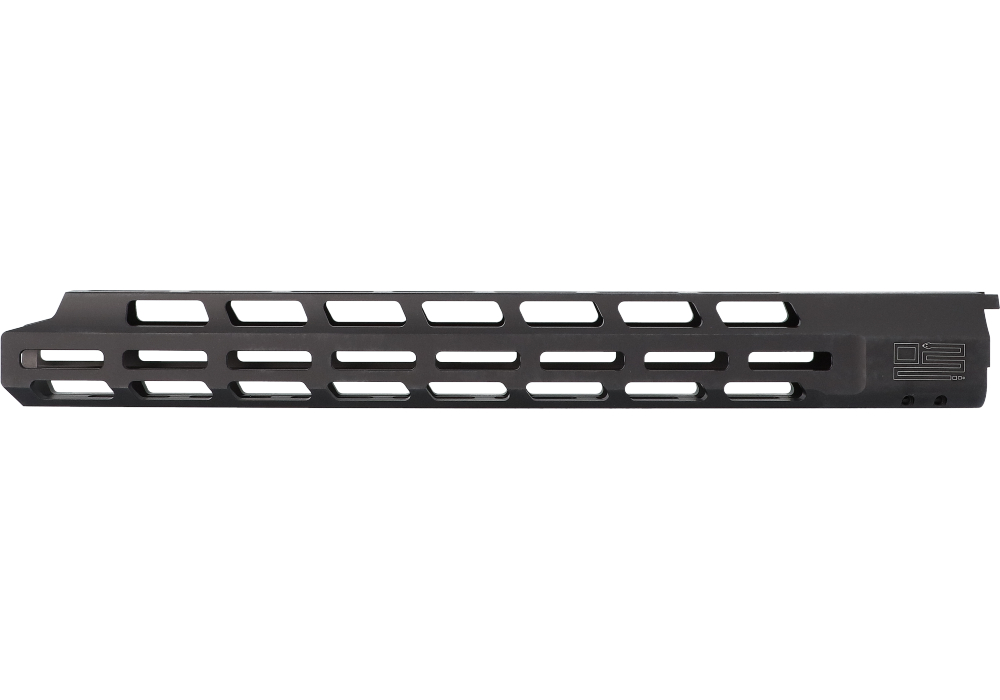
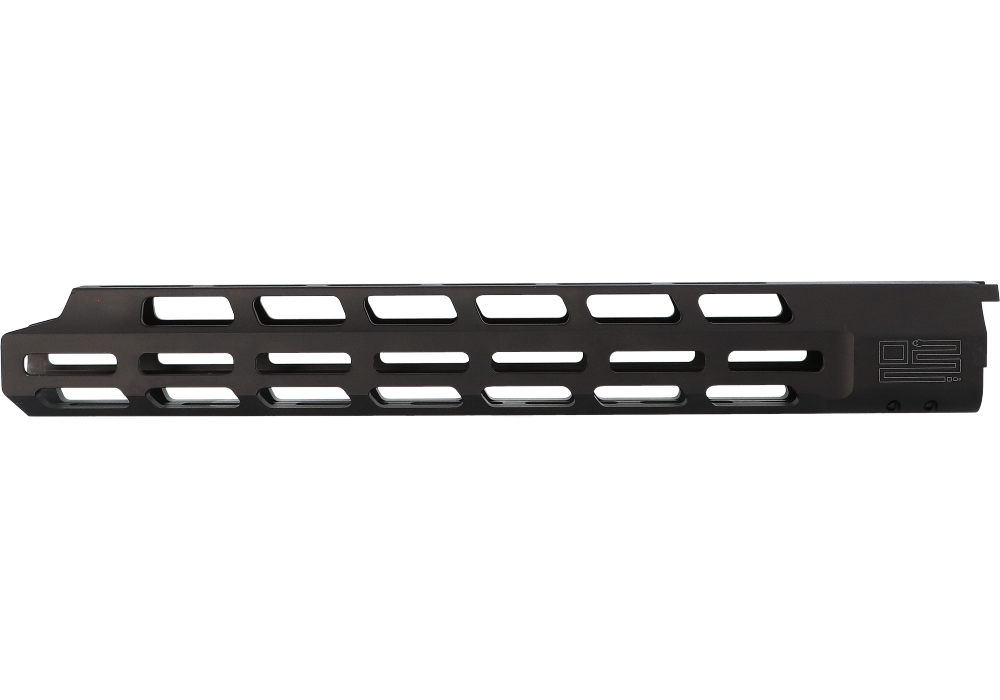
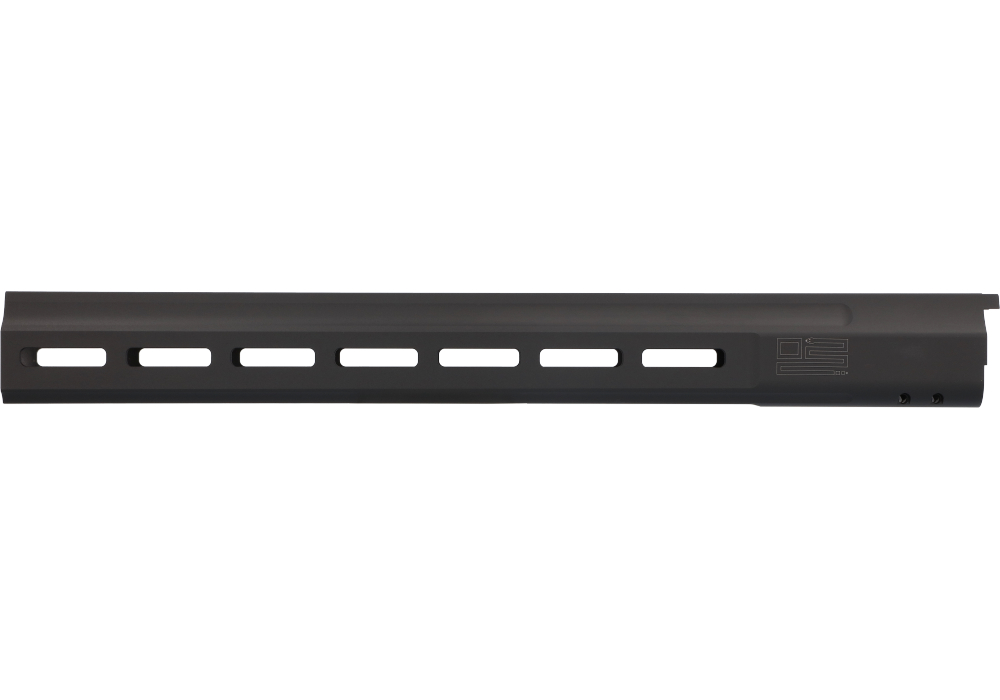
Law enforcement handguards are purpose-built rail and forend systems for patrol rifles, carbines, and other duty firearms used by police, corrections personnel, security teams, and authorized agency staff. A properly selected handguard gives the shooter a more secure support-hand position, helps shield the hand from barrel heat, and creates a stable foundation for essential accessories. In a patrol setting, that may include a weapon light, sling mount, pressure pad, backup aiming device, or other department-approved equipment. M-LOK slots provide a streamlined way to attach compatible accessories directly to the handguard, while Picatinny rail sections offer a familiar interface for components that require a continuous rail. The right layout depends on the firearm platform, the officer’s role, the agency’s equipment standards, and the amount of gear that must be carried without making the carbine unnecessarily bulky. A compact configuration may suit vehicle patrol or building searches, where maneuverability matters most; an extended handguard can offer additional hand-placement options and accessory space for specialized teams. Many duty-oriented designs use a free-float construction that minimizes contact with the barrel, helping preserve the rifle’s point of impact and accuracy when the support hand, sling, or mounted equipment applies pressure to the forend. This feature can be especially valuable when a carbine moves between a ready position, a vehicle rack, and a supported firing position during training or an operation. When reviewing Firearm Handguards, compare the handguard’s internal diameter, length, mounting method, and interface with the specific upper receiver and barrel assembly rather than relying on appearance alone. Compatibility is the first consideration: a handguard should be designed for the firearm platform, gas system, barrel profile, and muzzle device in use, and installation should follow the manufacturer’s instructions or be completed by a qualified armorer. Department procurement teams may also need to confirm compliance with approved accessory lists, armorer procedures, training requirements, and applicable federal, state, and local regulations.
Duty use places demands on a handguard that extend beyond a single range session. Patrol equipment may be exposed to rain, dust, vehicle interiors, repeated handling, barricades, and the unavoidable bumps that come with moving through tight spaces. Durable aluminum construction, including aircraft-grade 6061-T6 aluminum on some models, can provide a practical balance of strength and weight, while a hard-coat anodized finish helps protect the surface during regular use. Anti-rotation features are worth considering because they help keep the handguard aligned with the receiver and prevent gradual movement under recoil or repeated accessory changes. Venting channels can assist with heat dissipation during extended firing, and a top rail or heat-shield arrangement may provide additional protection around the support hand. Weight still matters: a handguard that feels manageable during a short qualification course can become tiring when a rifle is carried through a long shift, held at low ready, or used while wearing gloves and other protective equipment. Accessory placement should be deliberate. A weapon light needs to be reachable without compromising the firing grip, a sling mount should support smooth transitions and retention, and any aiming or illumination device should remain clear of the hand, sling, and other controls. Officers and armorers often benefit from handling the configured carbine before finalizing a setup, checking whether the chosen rail sections create snag points or interfere with storage, optics, magazine changes, or the vehicle mount. These products are generally better suited to qualified users, professional armorers, and responsible firearm owners who understand their platform and installation requirements than to casual gifting. For an agency, a well-matched handguard can support consistency across an approved fleet and make accessory placement easier to standardize. For an individual authorized to configure a patrol carbine, it can offer a more comfortable grip, dependable mounting options, and improved control in the demanding conditions of everyday duty. Always verify unloaded status before installation, use appropriate eye protection and tools, confirm fasteners are properly secured, and test the completed configuration safely before relying on it for training or operational use.