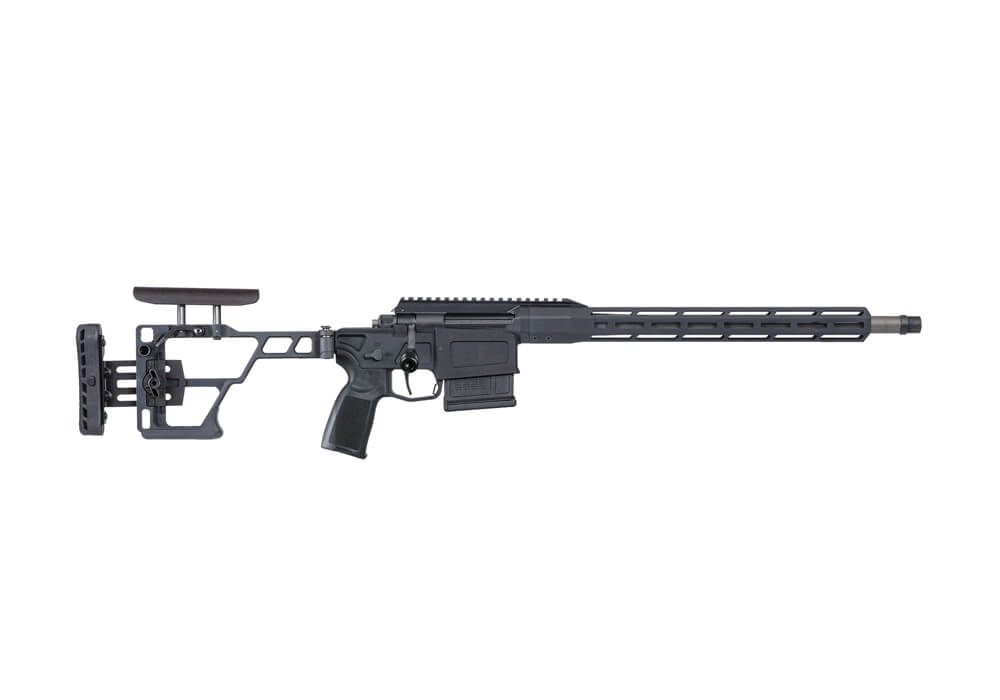
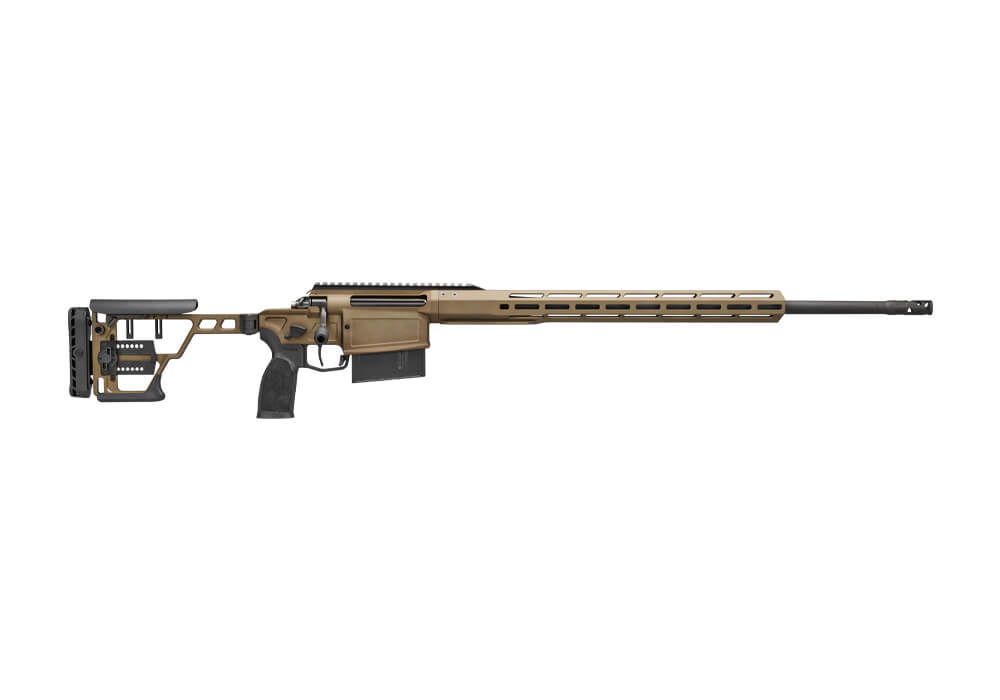
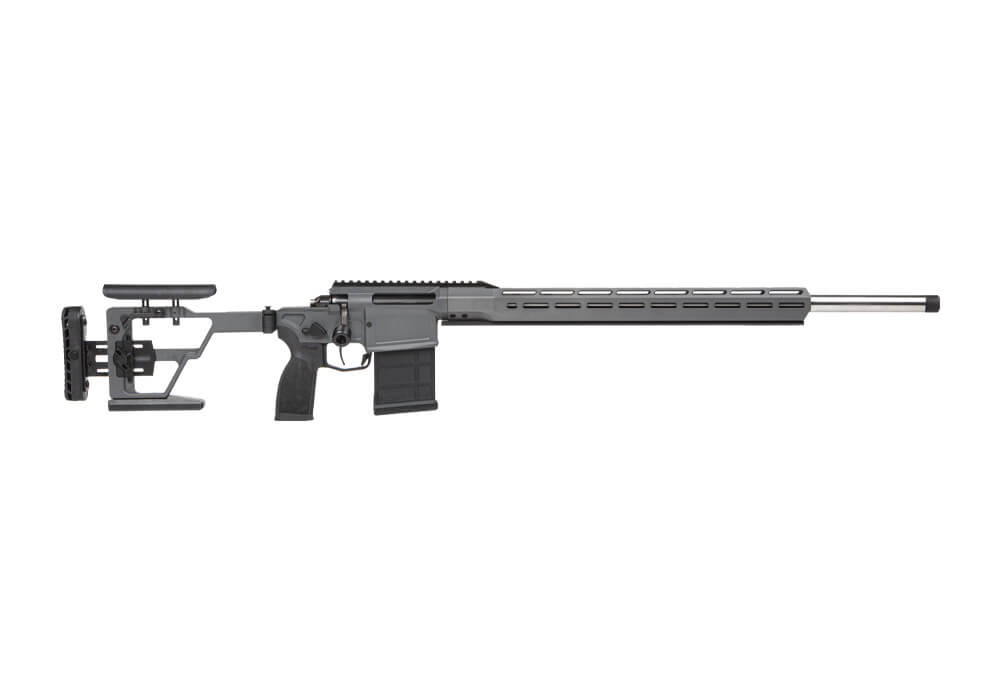
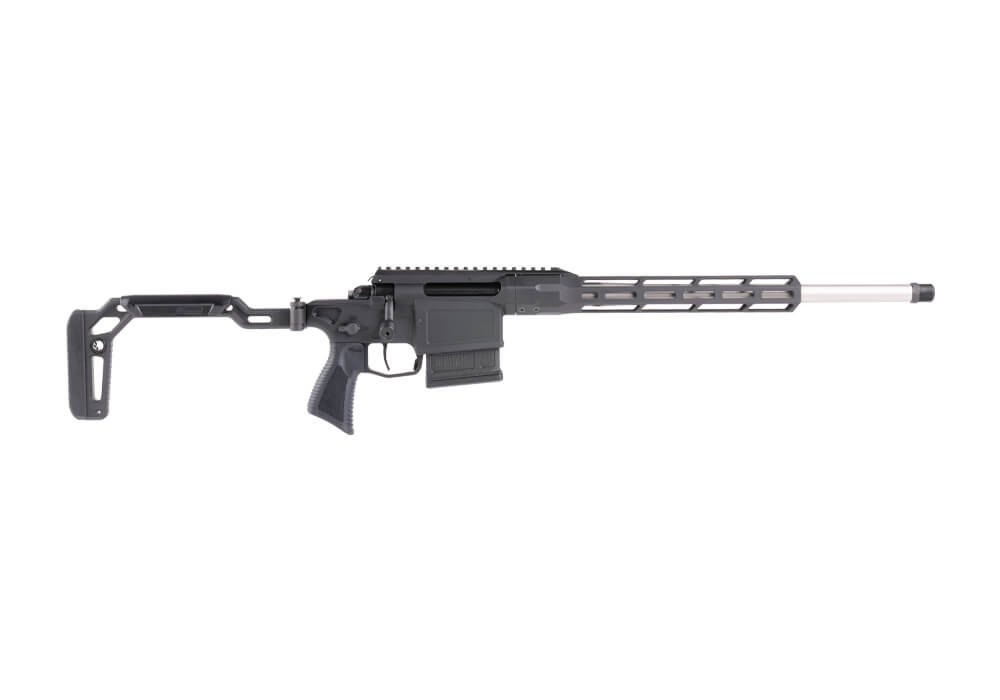
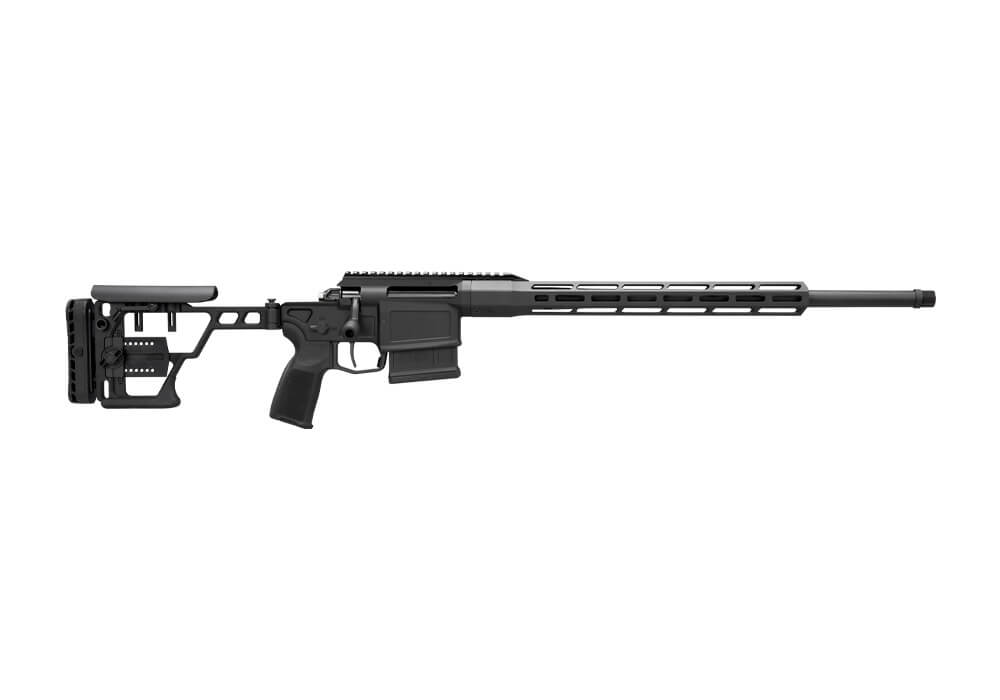
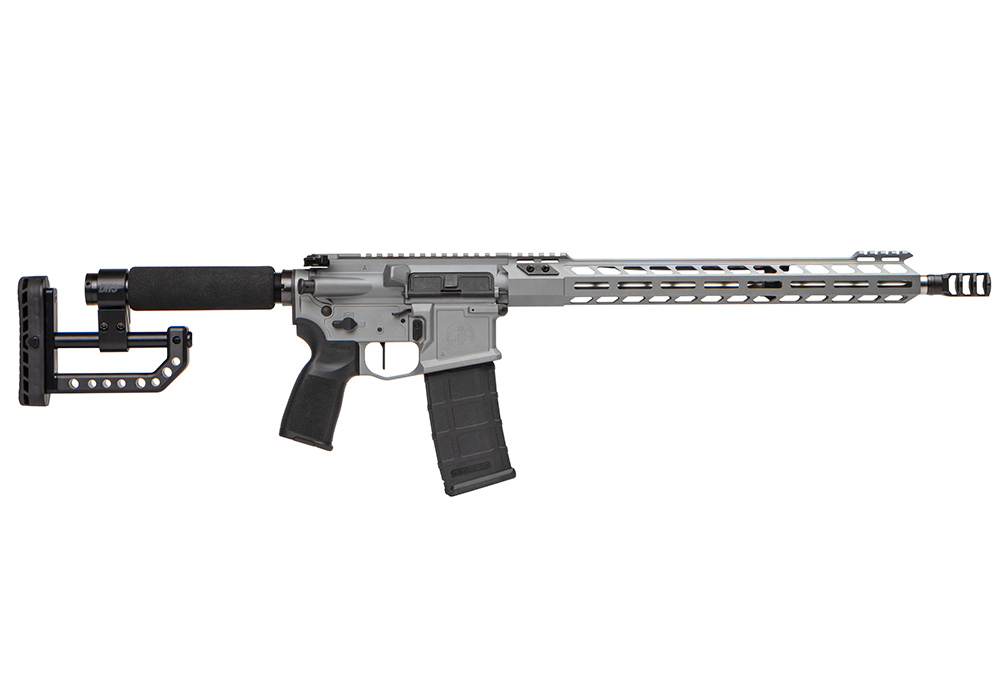
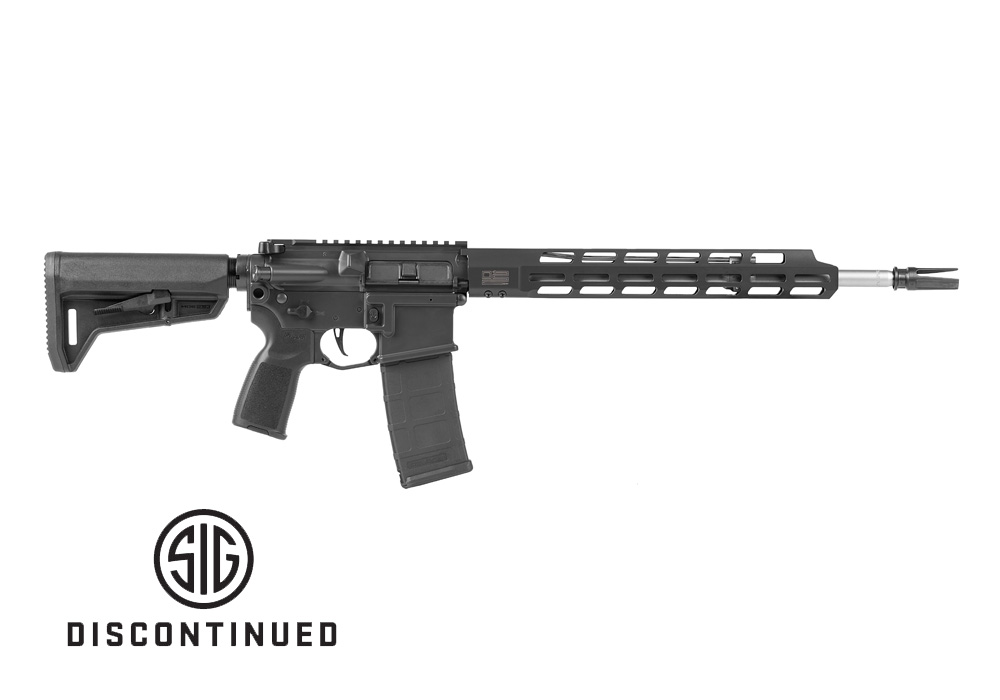
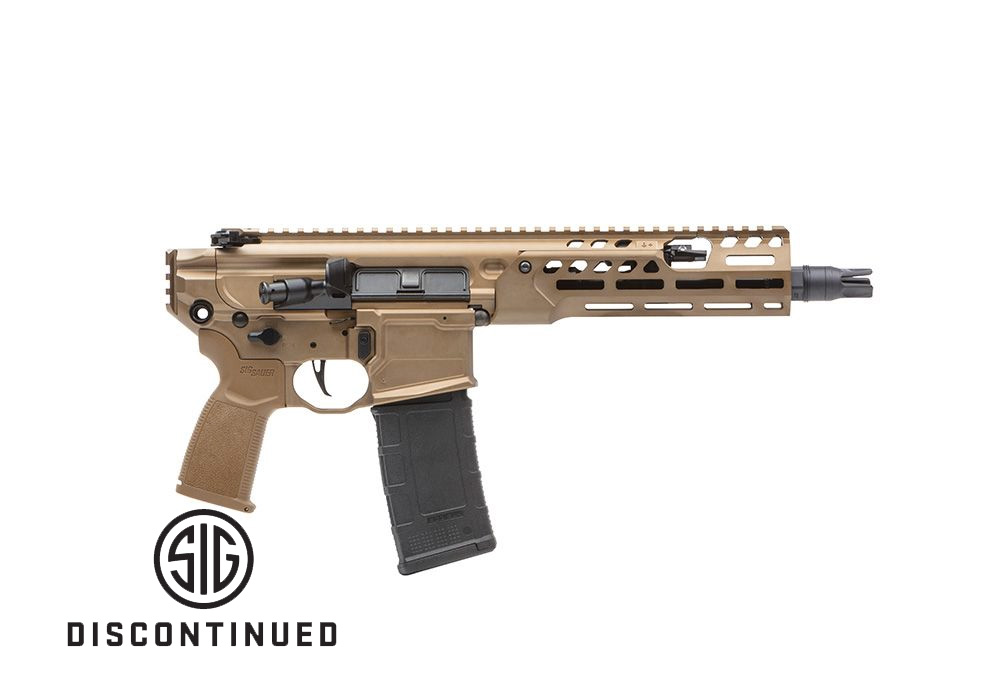
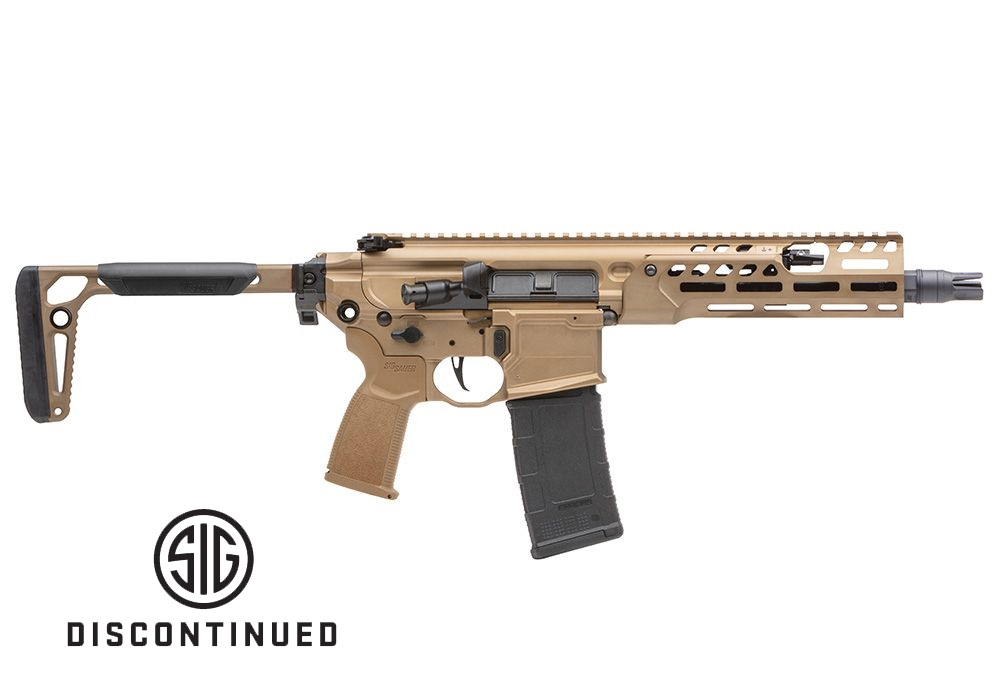
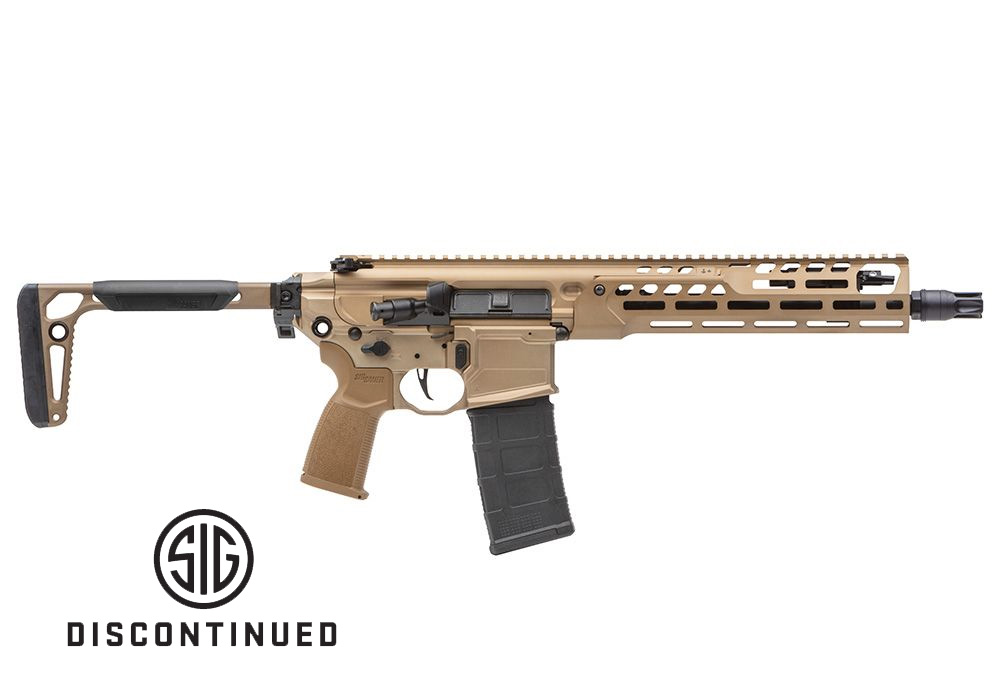
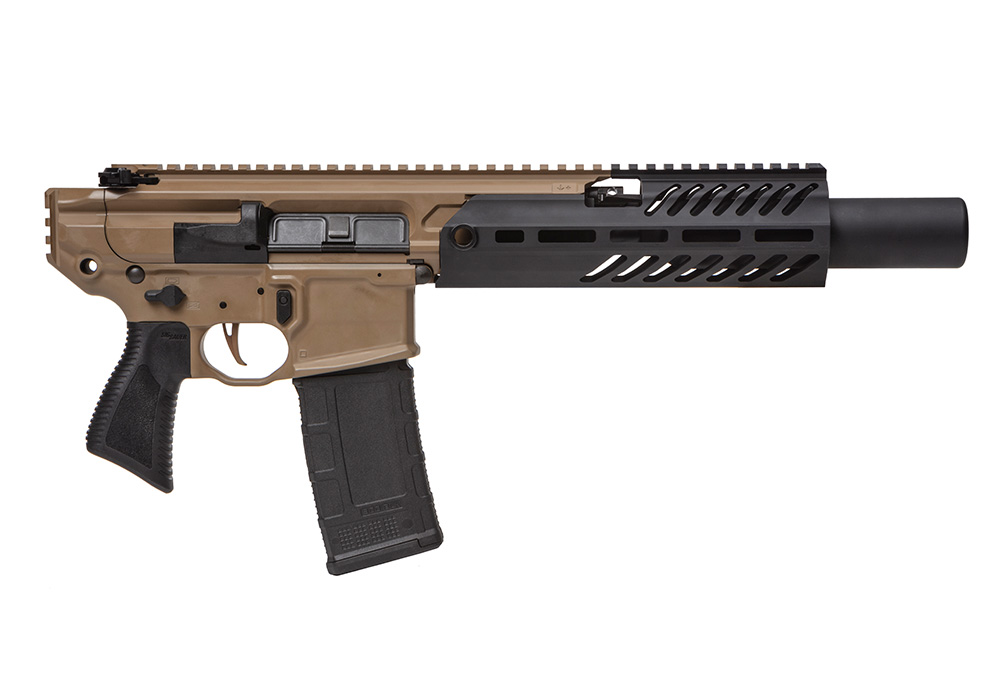
Lightweight long-range rifles for competition are designed for shooters who need precision without carrying the weight of a traditional, heavy match rifle from stage to stage. In practical rifle matches, the course of fire may involve shooting from a barricade, kneeling behind a natural support, moving between positions, or settling into a prone stage with limited time. A rifle that balances well and remains manageable throughout the day can make those transitions less tiring and more consistent. The most common configurations include bolt-action platforms with rigid receivers, adjustable stocks or chassis systems, free-floating barrels, and handguards that accept modern accessories. Some competition shooters also choose semi-automatic platforms for divisions that reward fast follow-up shots and rapid target transitions. When comparing lightweight long-range rifles, look beyond the number on the scale. Overall balance, recoil management, stock fit, optic height, and the way the rifle interfaces with a bipod or barricade can matter just as much as the listed weight. A compact, well-balanced setup may feel easier to carry and faster to position than a slightly lighter rifle that is front-heavy or difficult to shoulder. Folding or collapsible components can also simplify transport and storage, while an adjustable cheek rest and length of pull help accommodate different shooting positions and layers of clothing during cooler months. Rifles in this category are often selected by PRS competitors, NRL Hunter participants, club-level match shooters, and experienced range users who want a precision-oriented platform that remains practical to carry. They may also suit a shooter building a versatile setup for organized matches, practice days, and lawful recreational target shooting.
Caliber selection should reflect the distances, target sizes, match rules, and available ammunition associated with the competition. Popular short-action options include 6.5mm and 6mm cartridges that offer a useful combination of manageable recoil, efficient external ballistics, and broad ammunition availability. A .308-class cartridge remains a familiar choice for shooters who value a long-established chambering and straightforward component selection, while other cartridges may be better suited to a particular discipline or stage design. The right choice depends on more than maximum range. Recoil affects how quickly a shooter can spot impacts, correct an aim point, and maintain a stable position after firing. Ammunition consistency is also important, since variations in velocity and bullet performance can become more noticeable as distance increases. Before choosing a rifle, review the rules for the intended division and confirm permitted barrel lengths, magazine dimensions, cartridge restrictions, and equipment requirements. A match-ready rifle is only one part of the system. A dependable optic with suitable magnification, a secure mounting solution, a stable bipod or support, and magazines that function reliably all contribute to a practical setup. Consider the combined weight rather than the rifle alone, especially when an optic, mount, bipod, sling, and spare magazines are added. Barrel construction is another key consideration. Lightweight barrels are easier to carry, while heavier profiles may provide additional stability and slower heat buildup during extended strings of fire. Carbon-wrapped and other weight-conscious barrel designs can offer an appealing middle ground, but every configuration should be evaluated for balance, durability, maintenance, and the manufacturer’s intended use. Shooters comparing precision platforms may also want to consider the availability of replacement magazines, compatible accessories, service support, and ammunition that can be obtained consistently over the life of the rifle.
Budget planning is most effective when it includes the complete rifle system rather than the initial purchase alone. A lower-priced rifle paired with an unsuitable optic or mount may become more expensive to refine than a well-matched setup selected from the beginning. Set aside room for quality rings or a one-piece mount, a reliable support system, protective cases, cleaning equipment, and enough ammunition for zeroing and practice. If the rifle will be used in organized competition, range fees, match registration, training, and travel can also shape the total cost. New competitors often benefit from choosing a platform with familiar controls, straightforward adjustments, and a strong selection of compatible accessories rather than chasing the lightest possible configuration. Experienced shooters may prioritize a specific action, trigger system, chassis interface, or barrel profile to match an established technique. Fit deserves particular attention: an adjustable stock can help the shooter maintain a consistent cheek weld, while a comfortable grip and accessible controls can reduce unnecessary movement between stages. During the cooler months, a stock that remains easy to operate with gloved hands and layered clothing can be especially practical. Safe handling remains essential wherever these rifles are used. Follow all applicable laws and range rules, keep the rifle pointed in a safe direction, treat every firearm as loaded, verify the target and what lies beyond it, and use appropriate eye and hearing protection. Buyers considering a rifle as a gift should confirm the recipient’s interests, local transfer requirements, storage arrangements, and ability to receive the firearm through the proper legal process; a gift card, case, optic accessory, or training opportunity may be a better choice when preferences are uncertain. Shooters who also spend time pursuing lawful game or practicing from field positions may find useful options among Lightweight Tactical Hunting Rifles, while competition-focused buyers can concentrate on the stock adjustment, action type, chambering, barrel profile, and accessory compatibility that best match their intended division.