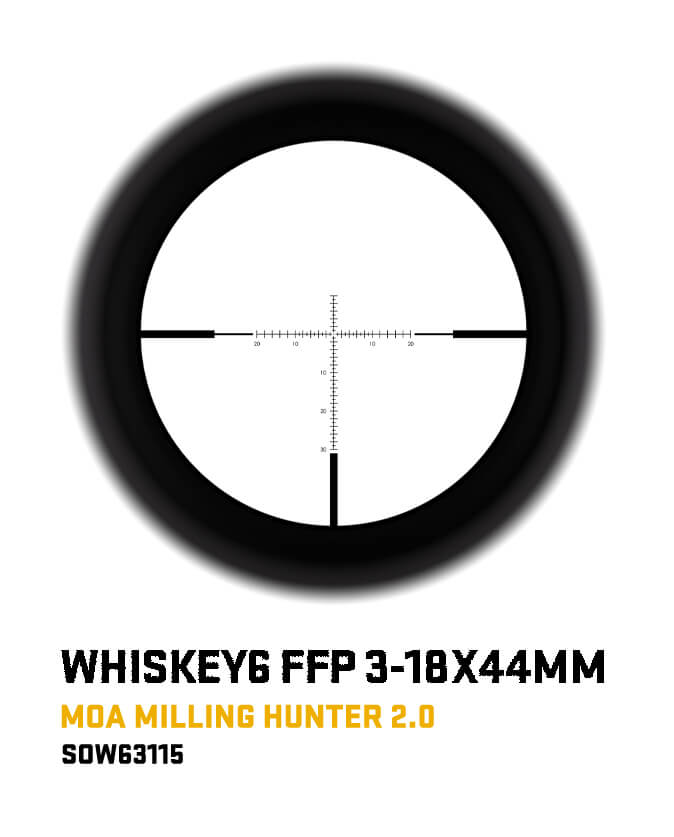
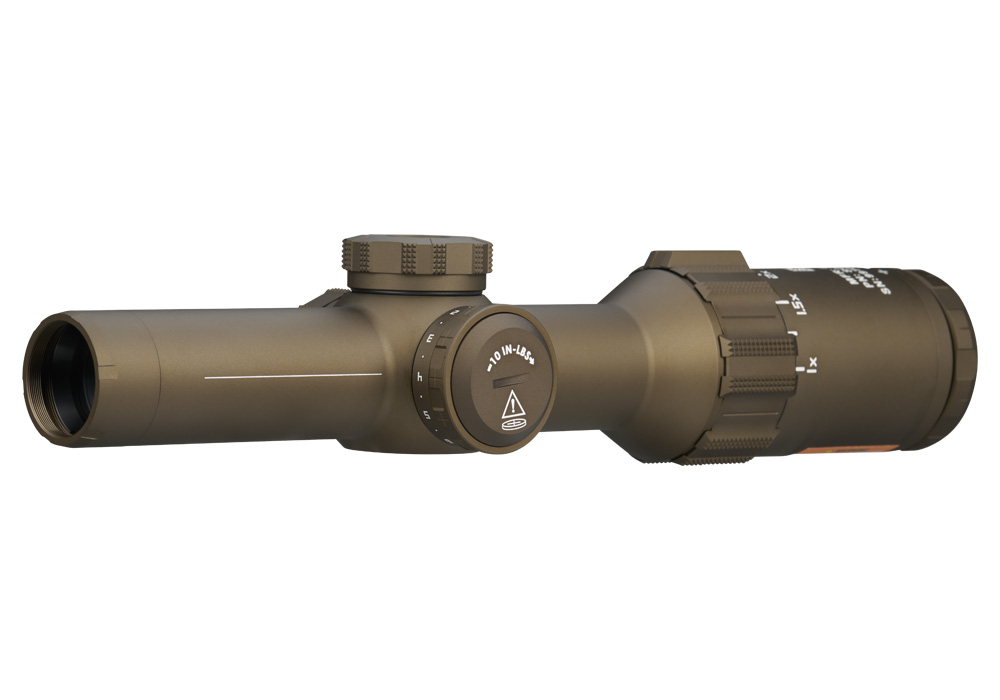
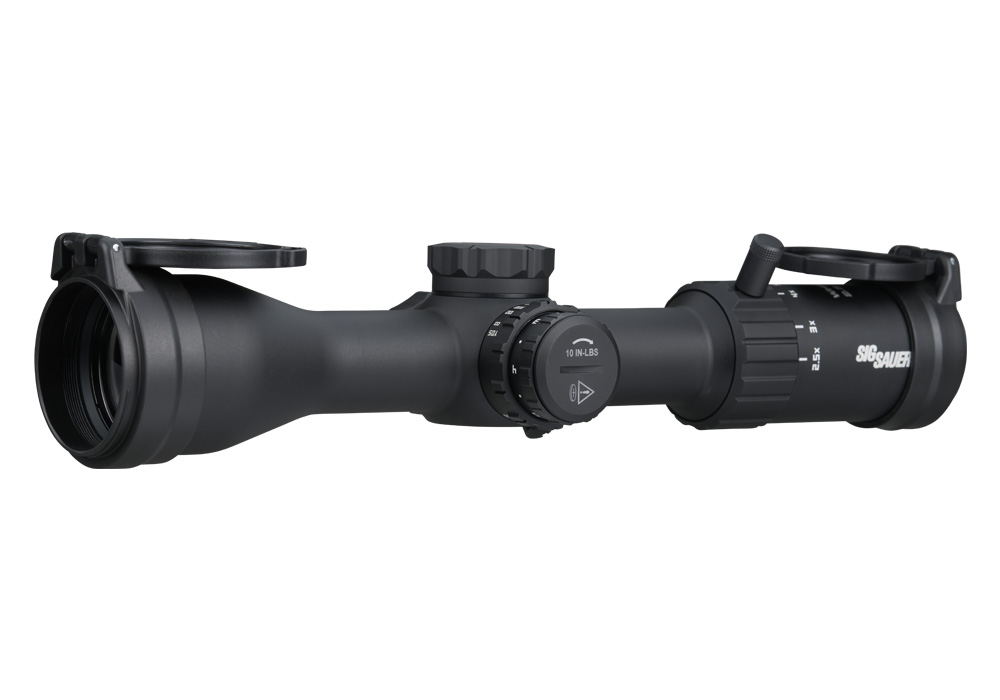
Low power scopes for hunting season are designed for the kind of practical field shooting that takes place in timber, brush, field edges, and mixed terrain, where a fast sight picture and a generous field of view can matter more than extreme magnification. Common configurations include 1-4x, 1-6x, 2-7x, and 3-9x, along with fixed-power options around 2.5x or 4x. At the low end, these scopes help you locate game quickly and maintain awareness of the surrounding area, particularly when an animal appears at close range or moves through a narrow opening between trees. A true 1x setting on a low power variable optic can support rapid target acquisition with both eyes open, while a 2x or 3x setting offers a little more visual definition without making the sight picture feel restrictive. Higher settings provide useful flexibility when the terrain opens up or a shot presents itself at a greater distance. For many whitetail, hog, predator, and general big game applications, these magnification ranges provide a balanced solution for close-to-mid-range shooting, often within the 75-to-200-yard distances common in woodland and field environments. A hunter moving quietly through cool morning air may spend far more time scanning through branches and following a deer’s movement than taking a shot, and a low power scope can make that process feel natural rather than slow or cumbersome. Wide field of view, straightforward controls, and a bright, uncluttered reticle help keep the focus on identifying the animal, confirming a safe target and backstop, and making a deliberate shot when conditions are right.
The best low power scope for hunting season depends on the firearm, game, terrain, and expected shooting distance. A 1-4x or 1-6x optic is well suited to dense timber, fast-moving game, predator hunting, and carbine-style hunting platforms where close-range speed is a priority. These scopes can also be a practical choice for hunters who move through varied terrain during the same outing, shifting from thick cover to open lanes without changing optics. Traditional 2-7x and 3-9x scopes remain versatile choices for bolt-action rifles and many standard big game setups, offering a comfortable low-power view for nearby shots and enough magnification for careful aiming across an open meadow or cutover. Fixed-power scopes appeal to hunters who value simplicity, a consistent sight picture, and fewer moving parts, making them especially appropriate for lever-action rifles, slug guns, and muzzleloaders used at moderate distances. When comparing options, consider the scope’s actual low-end magnification, since a setting near 1x is notably different from a scope that begins at 2x. Check the field of view at both ends of the range, the eye relief, the size and weight of the optic, and whether the reticle remains easy to see against dark timber or a bright field. An illuminated reticle may be useful in changing light, but it should complement a clear daytime aiming pattern rather than replace it. Objective lens size also deserves attention: a larger objective can support light transmission and a comfortable sight picture, while a more compact design may save weight and sit naturally on a hunting rifle. Keep the complete setup in mind, including rings, bases, mounting height, cheek weld, and clearance around the bolt or charging handle. A scope that balances well on the rifle is easier to carry up a ridge, steady from shooting sticks, and bring into position when a deer steps from cover. Hunters who already have a familiar optic style may appreciate choosing a similar control layout, while first-time buyers often benefit from simple adjustments that are easy to verify at the range and in the field.
Low power scopes also make thoughtful gifts for hunters preparing for the cooler months, especially someone moving into a new rifle, replacing an aging optic, or adapting to a different hunting environment. A new hunter may appreciate a forgiving, wide-angle sight picture that helps with locating game, while an experienced whitetail hunter may prefer a lightweight scope that does not add unnecessary bulk during long walks or stationary sits. Before giving an optic as a gift, consider the recipient’s rifle type, preferred hunting method, typical shot distance, and whether they spend most of their time in hardwoods, thick evergreen cover, rolling farmland, or open western terrain. The mounting system and tube diameter should match the rifle and available rings, and the optic should be checked for proper eye relief and a comfortable position before heading afield. Hunters often notice the value of a low power scope in small moments: the quick lift of a rifle when leaves rustle nearby, the ability to keep a moving animal in view as it crosses a trail, or the ease of shifting from a close timber opening to a distant field margin without losing situational awareness. During the transition from warm days to colder mornings, dependable controls, durable construction, and weather-resistant performance become increasingly important as condensation, light rain, frost, and damp gear accompany a hunt. Once mounted, any riflescope should be sighted in with the chosen ammunition, checked from realistic field positions, and handled in accordance with firearm safety rules and applicable hunting regulations. For hunters focused specifically on deer habitat and whitetail setups, explore Riflescopes For Whitetail Season for additional options. A well-matched low power optic supports the essential priorities of responsible hunting: clear identification, practical accuracy, steady handling, and confidence in the equipment carried into the field.