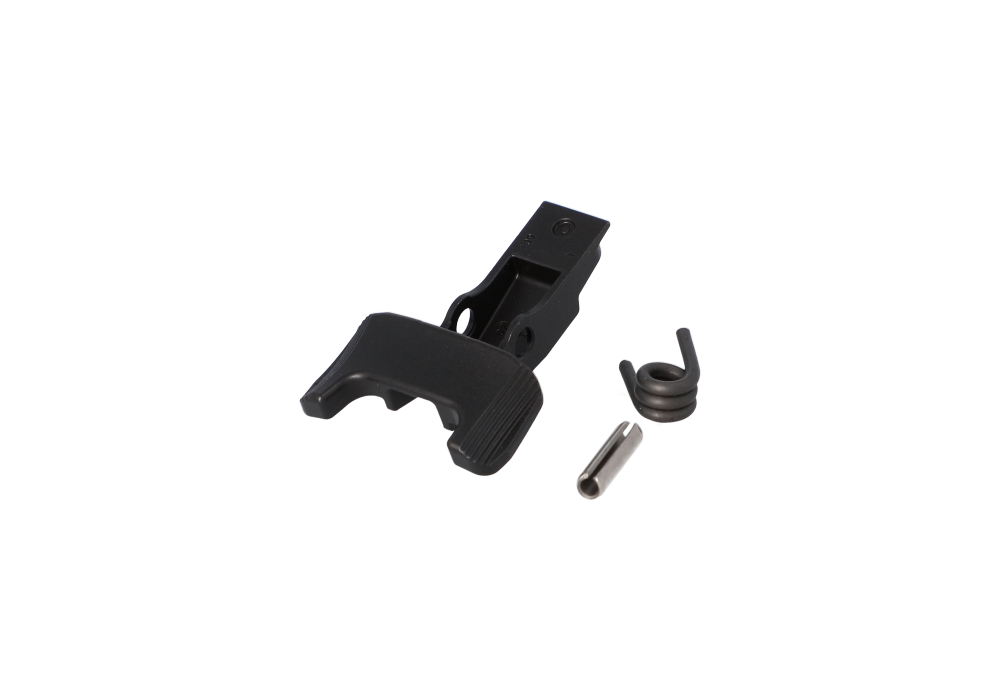
A magazine catch button for a hunting rifle is a small but important part of the rifle’s magazine-release system. Working with a spring and retaining mechanism, it helps secure the magazine inside the receiver while allowing the shooter to remove or replace the magazine with a deliberate press. A properly fitted button should hold the magazine firmly during carrying, loading, and recoil, then release it smoothly when the rifle is unloaded or reloaded. For hunters who spend long hours moving through timber, fields, and uneven backcountry trails, this straightforward operation can make a meaningful difference. The right button may be used during a quick magazine change at the range, while unloading before entering a vehicle, or when preparing for a follow-up opportunity in the field. Because magazine systems vary by rifle design, the first consideration is compatibility. Confirm the rifle model, receiver pattern, magazine type, and any relevant generation or configuration details before ordering. A button that appears similar may not share the correct dimensions, thread pattern, spring interface, or contact surface. Installation should be completed only after the rifle is unloaded, the chamber is checked, and the firearm is pointed in a safe direction. If the fit is uncertain or the installation requires more than basic disassembly, a qualified gunsmith can help verify proper engagement and function. These components are often selected by hunters who want to refresh a worn control, replace a damaged part, or tailor the feel of an existing rifle without changing its overall handling characteristics. They can also be a practical gift for a rifle owner who spends time at the range before the season or maintains equipment carefully during the cooler months. A well-chosen replacement part is compact, easy to store with other maintenance supplies, and useful for someone who values dependable details as much as major upgrades.
Profile and handling are especially important when choosing a mag catch button for hunting rifles. Low-profile designs sit close to the receiver and can help reduce the chance of accidental contact with brush, pack straps, clothing, or the interior of a gun case. That flush or nearly flush shape is often a sensible choice for hunters who move through thick cover, crawl into a blind, or carry a rifle close against the body while tracking. Dense branches can catch on exposed controls, and a button that projects too far may be pressed when the rifle is shifted or slung. On the other hand, a slightly raised or extended button can be easier to locate by touch, particularly when the shooter is wearing insulated gloves during cold-weather hunts. A broader surface, defined edge, or textured face may make the release more intuitive when fingers are stiff or dexterity is reduced. The best balance depends on the way the rifle is carried and the conditions in which it is used. Hunters who primarily pursue game in warm, open terrain may appreciate a compact button that stays out of the way, while late-season hunters in snowy woods may prefer a more pronounced control that can be found without looking down. Material is another purchase consideration. Machined steel can provide a solid, durable feel, while aluminum may offer a lightweight option with corrosion-resistant finishes. Regardless of material, inspect the button for clean machining, consistent edges, and a finish suited to exposure from rain, condensation, mud, and field dust. Serrations or other texturing should provide useful traction without creating sharp edges that catch on gloves. A good control should feel intentional rather than loose, gritty, or difficult to press. Avoid assuming that a larger button is automatically easier to use or that a low-profile button is automatically safer; the correct choice is the one that complements the rifle, the magazine, the shooter’s hand position, and the surrounding conditions.
Before relying on a replacement mag catch button in the field, perform a careful function check in a controlled setting. With the rifle unloaded and the chamber confirmed clear, install the magazine and verify that the catch holds it securely without excessive movement. Press the button slowly and observe whether the magazine releases cleanly, then repeat the check from the normal shooting and carrying positions. The release should require deliberate pressure, while the magazine should not drop from ordinary contact with a sling, pack, clothing, or light brush. Test the control with the gloves commonly worn during hunting, since a button that feels natural with bare hands may be difficult to operate through thick insulation. Check that the button returns fully after being pressed and that the spring provides consistent tension. After installation, inspect the surrounding receiver and magazine for interference, uneven contact, or signs that the button is rubbing where it should not. Function checks should also be repeated after cleaning, extended storage, or exposure to wet and dirty conditions. Lightly maintaining the component according to the rifle and part manufacturer’s instructions can help protect against corrosion, but excess oil should not be allowed to collect around the magazine well where it can attract grit. Keep the rifle unloaded whenever it is transported, stored, inspected, or worked on, and follow all applicable laws and safe-handling practices. Shoppers comparing related controls may also find value in reviewing Aftermarket Mag Catch Locks for Handguns, although handgun and hunting-rifle components are not interchangeable and should be evaluated separately. Whether the goal is a discreet control for navigating thick cover, a glove-friendly release for colder hunts, or a dependable replacement for a worn original part, careful attention to fit, profile, materials, and function helps ensure the magazine catch button supports confident rifle handling from the range to the field.