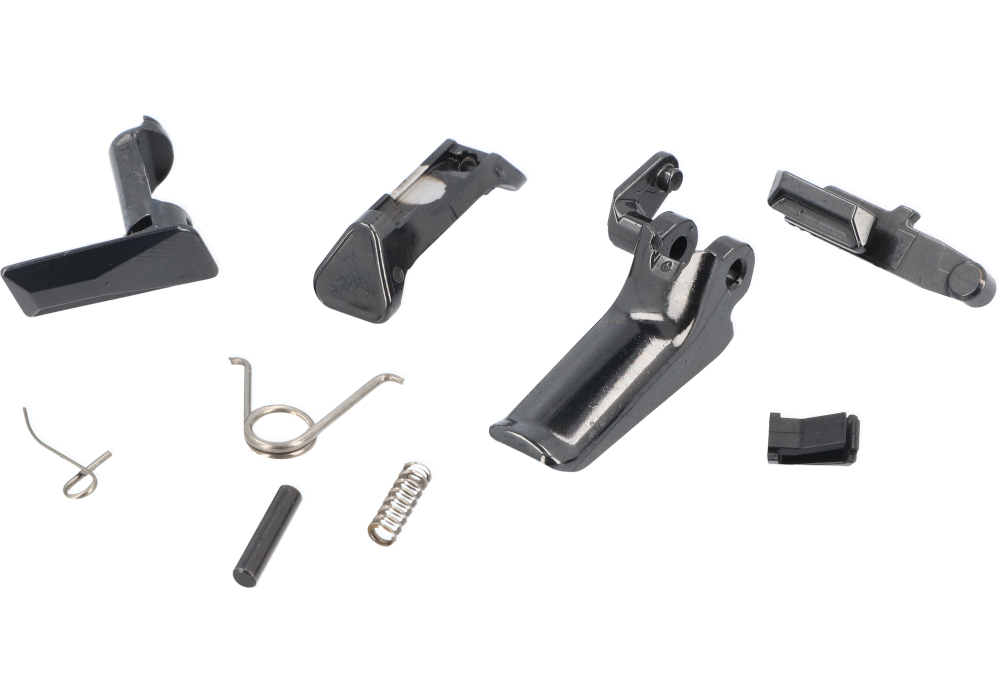
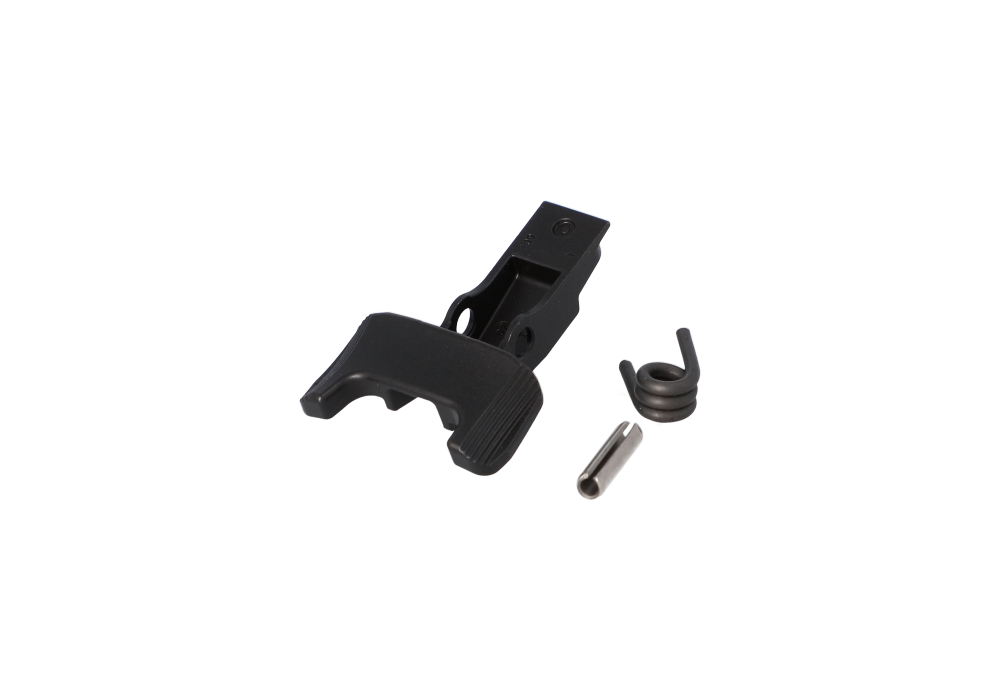
A mag catch button is a small component that can make a noticeable difference in the way a firearm feels and operates. By enlarging, extending, texturing, or repositioning the magazine release surface, a replacement button may provide a more distinct contact point during reloads and routine handling. Some shooters prefer a raised or oversized button that is easier to locate with the thumb, while others find that an angled or offset design better matches their hand position and grip style. These upgrades are often considered for defensive pistols, competition firearms, training guns, and range setups where consistent magazine changes matter. A well-chosen magazine catch button can help reduce unnecessary movement of the firing hand, especially when the factory release feels difficult to reach without shifting the grip. It may also be useful for shooters with smaller hands, limited dexterity, or a preferred support-hand reload technique. When browsing Gun Magazine Catch Assemblies, begin by identifying the exact firearm model, generation, frame size, and operating configuration for which the part is intended. Magazine releases and catch buttons are not universally interchangeable, even among firearms that appear similar. Differences in dimensions, spring placement, release direction, button geometry, and magazine catch engagement can affect fit and function. Check the manufacturer’s compatibility information carefully, and compare the replacement component with the original part before beginning any work. For a firearm used regularly during practice or carried for personal protection, the goal should be a release that is easy to activate deliberately while remaining resistant to accidental contact from a holster, cover garment, barricade, or shooting position.
Material and surface design are also important purchase considerations. Polymer-framed firearms may require particular attention to the relationship between the magazine catch and the magazine body. A hard metal catch can wear against a polymer magazine notch over extended use if the materials and dimensions are not properly matched, while a hybrid construction may offer a durable contact surface with an interface designed to reduce unnecessary wear. On firearms using metal magazines or metal-lined catch areas, a metal button may be an appropriate choice when its specifications match the platform. Texturing can provide a positive feel with wet, cold, or gloved hands, but an overly sharp or aggressive pattern may be uncomfortable during extended practice or may catch on clothing and equipment. The best shape is usually the one that gives the shooter a reliable tactile reference without forcing an awkward grip. Extended designs can be helpful when a standard button sits too close to the frame, though excessive projection may increase the chance of an unintended magazine release. Ambidextrous or reversible arrangements may benefit households and training groups where multiple shooters use the same firearm, as well as left-handed users who want a more natural control position. These parts can be a practical gift for a firearm owner who already has a properly fitted holster, magazines, and other basic range equipment, particularly when the recipient appreciates ergonomic refinements rather than cosmetic accessories. A gift buyer should avoid guessing at fit; the firearm’s exact model and configuration are more useful than appearance alone. For modular buttons secured with small fasteners, follow the supplied instructions regarding screw tension and any recommended thread-locking compound. A removable, medium-strength thread locker may be appropriate for some assemblies, but it should only be used when permitted by the part maker and applied sparingly. Incorrect hardware, excess compound, or over-tightening can interfere with movement and make future service more difficult.
Installation should be treated as a functional firearm repair, not simply a cosmetic swap. Before handling the firearm, remove all ammunition from the work area, unload the firearm according to its owner’s manual, and verify the chamber, magazine well, and any other location that could contain ammunition. Keep ammunition stored separately while the work is being performed. If the design requires detailed disassembly, specialized tools, or manipulation of springs and pins, a qualified gunsmith can help protect the firearm from damage and confirm that the catch is installed correctly. After installation, perform a careful function check exactly as directed by the firearm and component manufacturers. Confirm that the button moves smoothly, returns crisply under spring tension, and does not bind when pressed from its normal operating position. With the firearm unloaded, insert the intended magazine and verify that it seats securely, remains retained during normal handling, and releases cleanly when the button is deliberately activated. Test each compatible magazine individually, since wear, dimensions, and catch notches can vary from one magazine to another. The magazine should not fall free prematurely, drag against the catch, or require excessive force to release. Inspect the button, spring, retaining hardware, and surrounding frame after the first range session, then continue checking them as part of routine maintenance. During the cooler months, gloves and heavier clothing can change the way the release feels; during warmer conditions, sweat and reduced grip can make texture more noticeable. A few deliberate dry-fire practice repetitions with the firearm confirmed unloaded can help establish a consistent motion, while live-fire testing should take place only at a suitable range and in accordance with all applicable laws and safety rules. A magazine catch button upgrade is most useful when it complements the shooter’s hand position, the firearm’s intended role, and the magazines already in service. Careful compatibility checks, thoughtful material selection, proper installation, and a thorough function check help ensure that a small ergonomic change supports dependable handling rather than creating a new source of uncertainty.