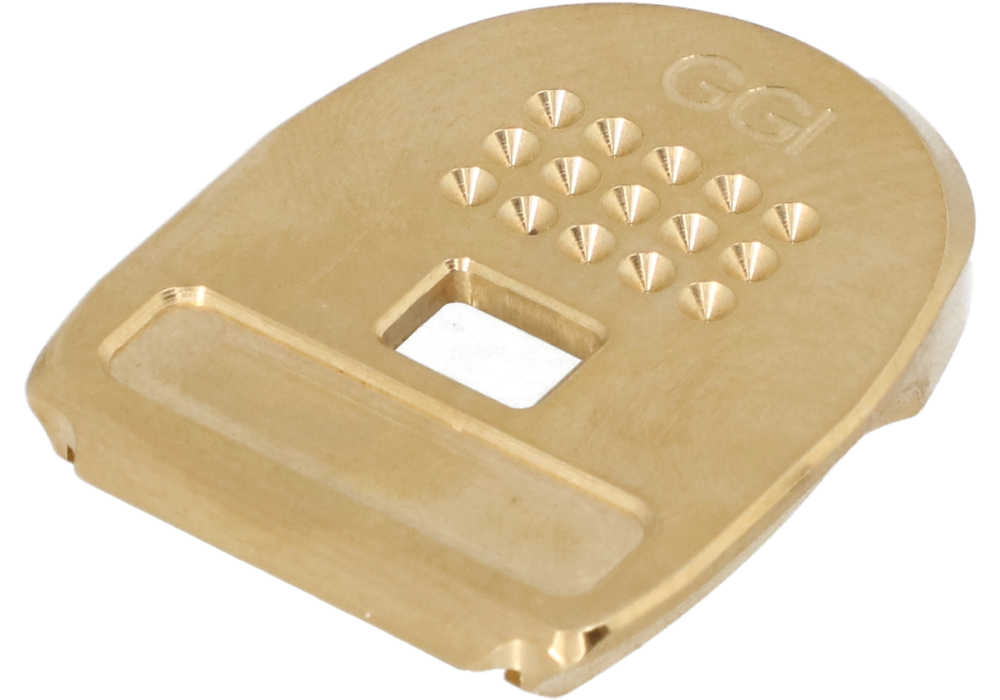
A firearm magazine does not directly reduce mechanical recoil. Its primary job is to hold cartridges and present them for feeding, while recoil results from the momentum associated with the projectile and propellant gases moving forward. Firearm weight, ammunition characteristics, and the operating system influence how that force is experienced. The spring inside a magazine advances cartridges toward the feeding position; it is not the recoil spring that manages slide movement in a semiautomatic handgun. This distinction matters when considering magazine recoil reduction, because a reliable magazine and a compatible recoil assembly serve different purposes. A loaded magazine adds weight and can alter the balance of a firearm, so the way a handgun settles in the hand may change as cartridges are used. That shift is not the same as a dedicated recoil-reduction function, and a larger magazine should not be treated as a guarantee of softer shooting. Felt recoil is also different from muzzle rise: one describes the sensation transmitted to the shooter, while the other describes the upward rotation of the firearm during firing. The two are related, but neither can be judged from magazine size alone. For a range visitor comparing accessories, the practical benefits of an appropriate magazine include dependable fit, consistent feeding, and a grip arrangement that suits the firearm’s design. On some compact handguns, a compatible extended base can provide additional support for the hand, although it does not change the forces generated by the cartridge. On other designs, a flush-fitting magazine preserves the intended grip profile without adding unnecessary bulk. These differences are worth understanding without assigning recoil-control claims to every magazine shape or construction. Product descriptions are most useful when they identify what a component actually does, which firearm it fits, and whether its benefit relates to feeding, grip contact, or operation.
Compatibility is the starting point for evaluating magazines and related accessories. The firearm model, chambering, frame configuration, and any generation-specific requirements all matter; a similar appearance does not establish interchangeability. A magazine that looks right beside another on a workbench can still have a different catch opening, body contour, or feed-lip geometry. Base dimensions also influence how the magazine meets the grip, particularly where a firearm has a flared magazine well or a distinctive grip profile. Materials contribute to durability and handling, but no single material tells the whole story. Steel bodies can provide rigidity with relatively thin walls, while polymer construction can offer a different balance of weight, surface texture, and resistance to corrosion. Some designs combine materials to address different structural needs. Surface treatments, seams, feed lips, followers, and base components all deserve attention as parts of a complete assembly rather than isolated selling points. A smooth exterior may feel unobtrusive against the hand, while a textured base can be easier to identify and grasp during ordinary handling. Neither feature establishes that a magazine will soften recoil. For regular range use, consistent fit and serviceable construction usually matter more than cosmetic details. Care also has a direct relationship to long-term reliability: dust, grit, moisture, and residue can affect moving components, and visible damage warrants evaluation under the manufacturer’s guidance. Cleaning methods, lubricants, inspection intervals, and replacement criteria should follow the instructions for the particular accessory. Unapproved solvents, improvised alterations, and incompatible replacement parts can compromise materials or function. Maintenance belongs in a safe setting with the firearm unloaded and ammunition kept separate. Over time, attention to body condition, spring condition, follower movement, and secure base attachment helps distinguish ordinary wear from a component that needs professional assessment. A durable accessory is one that remains suitable for its intended use through appropriate care, not one that is assumed to tolerate unlimited wear.
For shoppers whose main concern is how a handgun feels during firing, recoil-system components are a separate category from magazines. Handgun Recoil Kits are relevant to that distinction because these assemblies relate to the handgun’s operating cycle rather than cartridge storage and presentation. A recoil spring assembly helps manage slide movement and return, but it does not eliminate recoil, and a different assembly is not automatically an improvement over the firearm’s original configuration. Compatibility, manufacturer specifications, and the intended ammunition remain central considerations. Spring strength alone is not a reliable measure of comfort, and changes outside approved specifications can affect operation. Where compatibility is uncertain, a qualified gunsmith or the firearm manufacturer can provide an appropriate assessment. This matters for both experienced owners maintaining a familiar handgun and newer owners trying to understand why accessories with similar descriptions perform different jobs. A recreational shooter spending an afternoon on the range may value a comfortable grip profile and straightforward maintenance. Someone using a handgun in an organized sporting setting may place particular importance on compliance with equipment rules and consistent function. An owner carrying a handgun may have different requirements for accessory dimensions, grip length, and compatibility with existing equipment. Those priorities help explain why there is no universal magazine choice for recoil comfort. Gift selection benefits from the same attention to detail: the recipient’s exact firearm configuration and stated preferences are more useful than a broad promise of reduced movement. A compatible accessory can be a thoughtful addition for someone who values regular practice and careful equipment upkeep, but guessing at fit can leave even a well-intentioned gift unsuitable. Across these uses, the strongest basis for selection is a clear understanding of purpose. Magazines support feeding and can influence balance and hand contact; recoil assemblies support the operating cycle. Evaluating each category on its actual function keeps expectations realistic and places fit, durability, and dependable performance ahead of unsupported recoil claims.