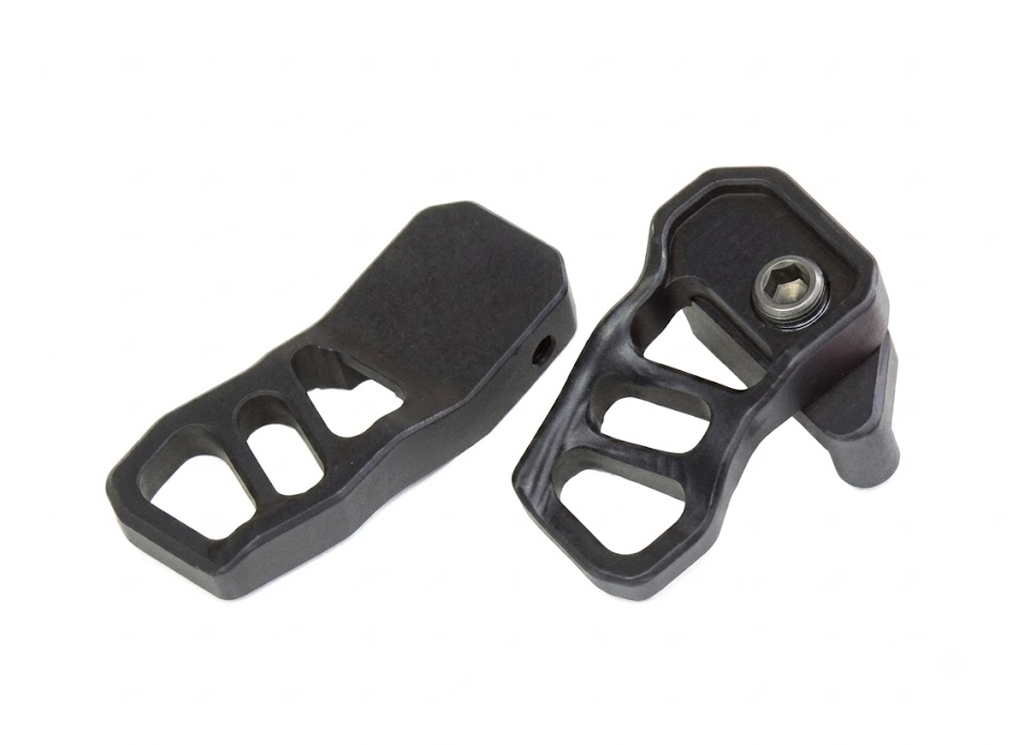
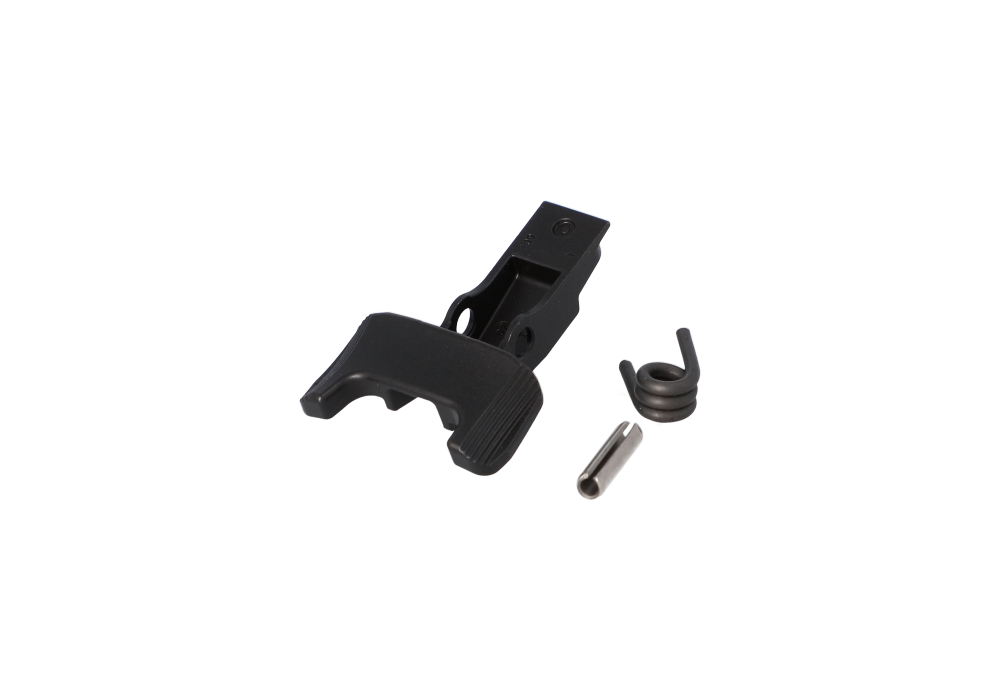
Magazine release kits for military-style rifles are practical replacement and upgrade options for shooters who want to refresh a worn control, refine the feel of a familiar rifle, or adapt the magazine release to a particular hand position and shooting environment. A typical kit may include a magazine catch, release button, and spring, although the exact contents vary by design and rifle platform. Standard kits are often selected when a factory-style replacement is needed, whether as part of routine maintenance, a build project, or the restoration of a rifle that has seen years of training, competition, field use, or range practice. These components are small, but their role is important: the catch must hold the magazine securely, the spring must provide consistent tension, and the release button must offer a clear, dependable point of contact. Before choosing a kit, confirm the rifle’s exact model, operating system, lower receiver configuration, and compatibility requirements. Parts that appear similar may differ in dimensions, interface, or installation method. It is also worth inspecting the existing magazine catch and button for peening, unusual wear, sluggish movement, or inconsistent magazine retention. A clean, positive release can make administrative handling feel more natural, especially when the rifle is used with gloves during cooler months or when the shooter transitions between different magazine designs. As with any firearm component, verify that the rifle is unloaded, follow the manufacturer’s instructions, and use a qualified gunsmith when the installation calls for specialized tools or when fit and function are uncertain. After installation, function checks should be performed safely and methodically with the firearm unloaded, followed by appropriate live-fire confirmation at a controlled range.
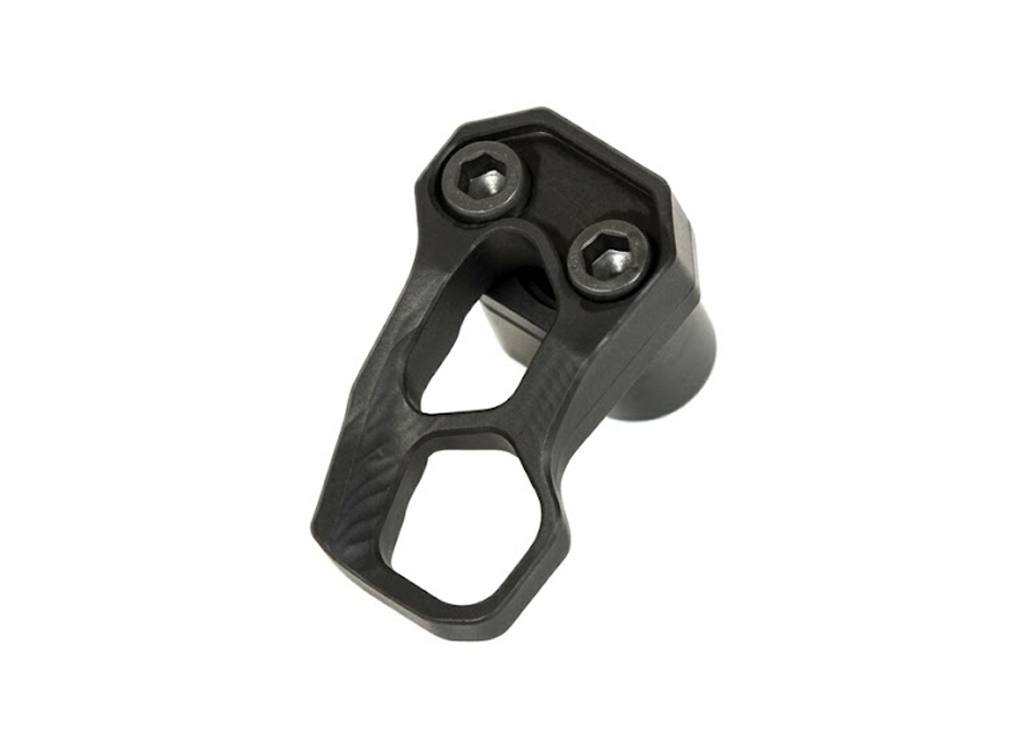
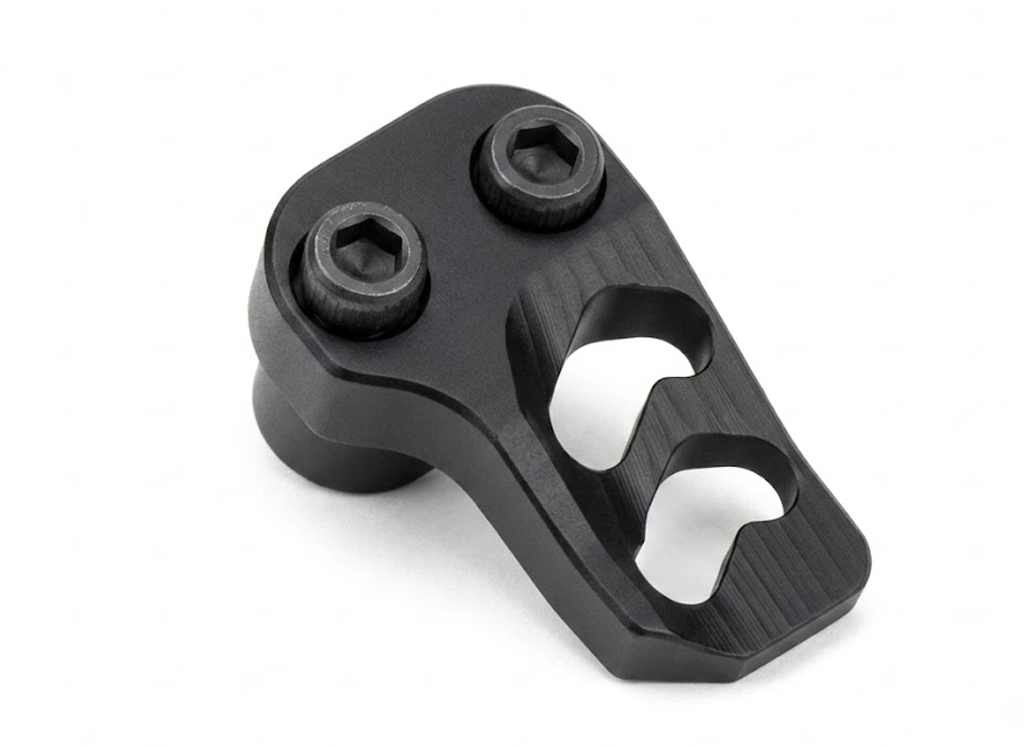
Ergonomics are a central reason many shooters consider an upgraded magazine release kit. An extended or oversized release button can provide a larger, more distinct touchpoint for the firing-hand thumb, which may be useful for shooters wearing gloves, working from a supported position, or practicing reloads with the rifle held close to the body. The goal is not simply a larger control; it is a release surface that can be located by feel without forcing the shooter to break a consistent grip or search along the receiver. Some shooters prefer the familiar dimensions of a standard release because it helps prevent unintended activation, while others value an extended surface that is easier to reach under pressure. Ambidextrous magazine release designs offer another approach by placing a release lever or control where it can be operated from either side of the rifle. This can be especially helpful for left-handed shooters, instructors working with people of different handedness, or anyone who practices transitions between shoulders and shooting positions. Picture a training session on a cool morning: the rifle is shouldered, the support hand is managing the magazine, and the firing hand needs to remain stable while the empty magazine is removed. A thoughtfully positioned control can reduce awkward movement and help the shooter maintain a repeatable process. These kits may also be considered by enthusiasts assembling a rifle for competition, structured practice, hunting where lawful, or general range use. They can make a useful gift for an experienced rifle owner, provided the giver confirms the recipient’s exact platform and preferences first. A compact parts kit is easy to store with spare components and maintenance supplies, while an ergonomic upgrade may be appreciated by someone who has already established a preferred grip and reload technique. Shooters who work with pistols may also want to browse Magazine Catch Spring Kits for Pistols when organizing replacement controls across a broader collection.
Some magazine release kits are designed for compliance-focused configurations in jurisdictions where standard detachable-magazine operation may be restricted. Fixed-magazine or featureless-oriented solutions can limit or alter the normal release function, and certain designs may require the action to open before the magazine can be removed. Because firearm regulations vary by state and can change over time, buyers should review the laws that apply to their location and intended use, consult current official guidance, and seek advice from a qualified firearms attorney or knowledgeable dealer when necessary. Compliance is not determined by a product description alone; the complete rifle configuration, magazine type, features, and method of operation may all matter. A kit selected for a lawful fixed-magazine configuration should be installed exactly as directed and checked to ensure the rifle operates as intended under the applicable rules. For any style of release kit, compatibility remains the first consideration, followed by control size, hand dominance, glove use, intended practice, and installation requirements. It is also wise to think about the magazines already in the collection. A release that works smoothly with one magazine may reveal differences in fit or retention with another, particularly when magazines vary in body material, geometry, or floorplate design. During the warmer seasons and into cooler range days, consistent equipment can make practice more productive: the button is easy to locate, the catch engages positively, and the shooter can concentrate on safe handling and deliberate technique rather than distracting equipment movement. Keep replacement springs and small components organized, inspect the release periodically, and discontinue use if the magazine fails to lock securely or release as expected. With the right platform match and a clear understanding of the intended configuration, a magazine release kit can be a straightforward way to maintain dependable function or tailor a military-style rifle’s controls to the shooter.