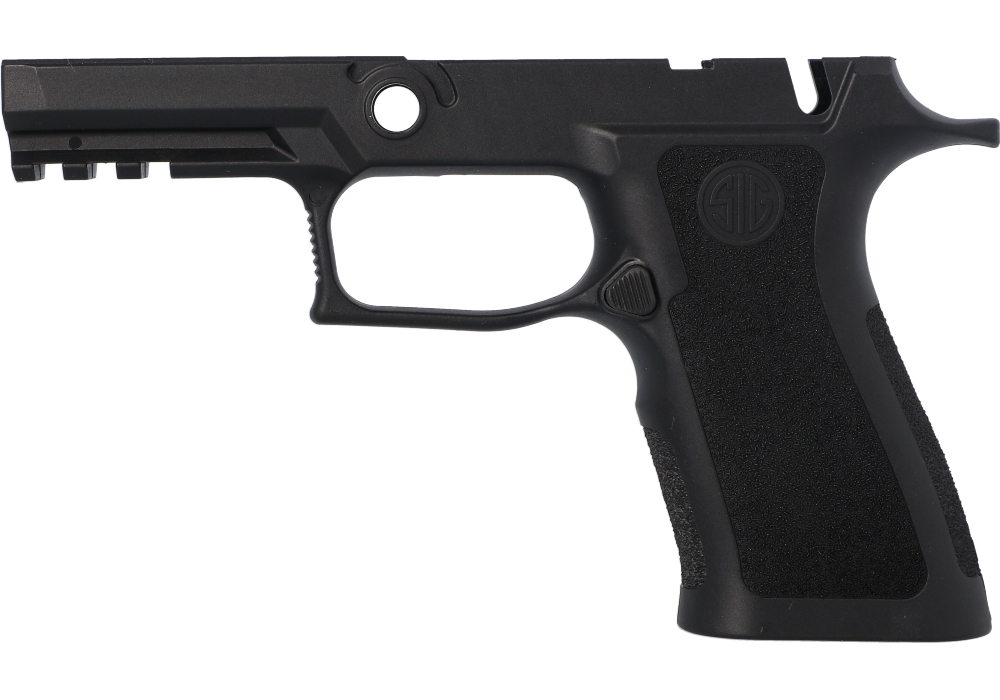
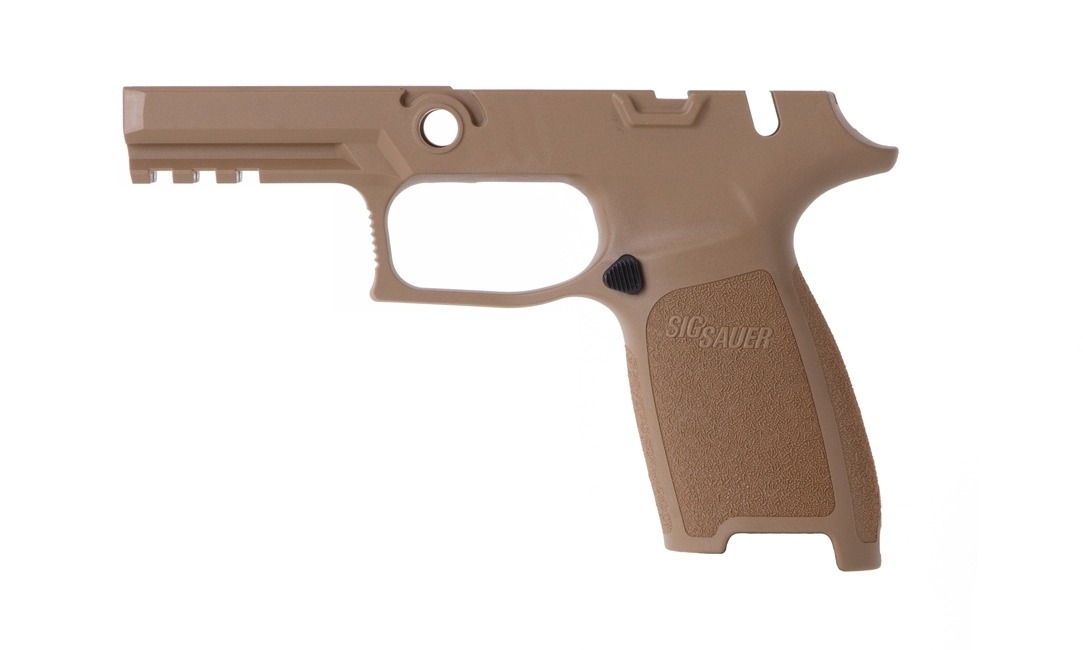
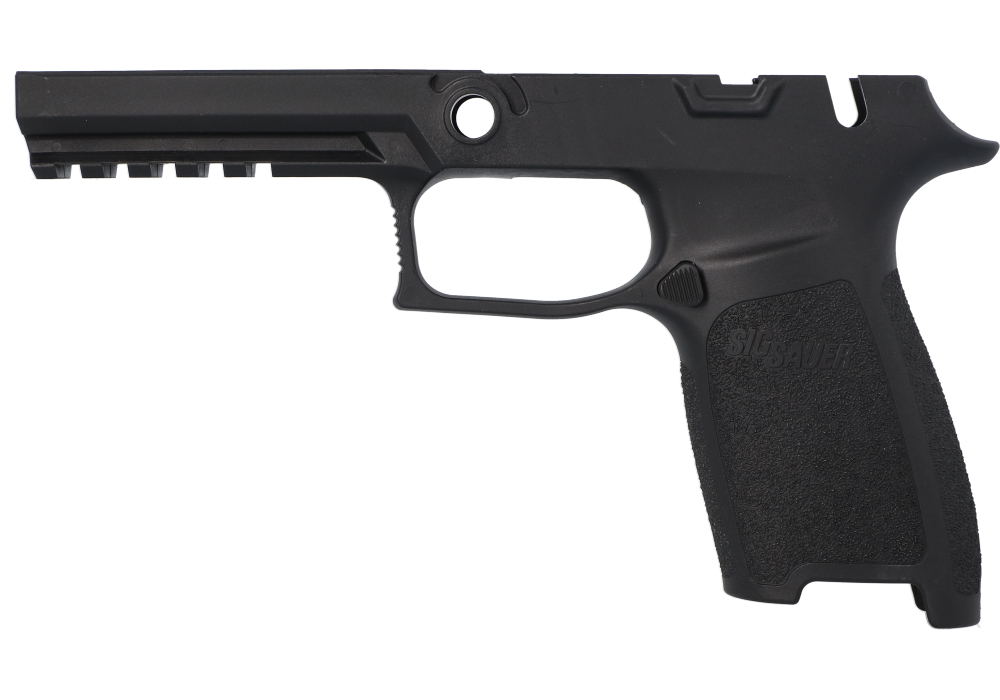
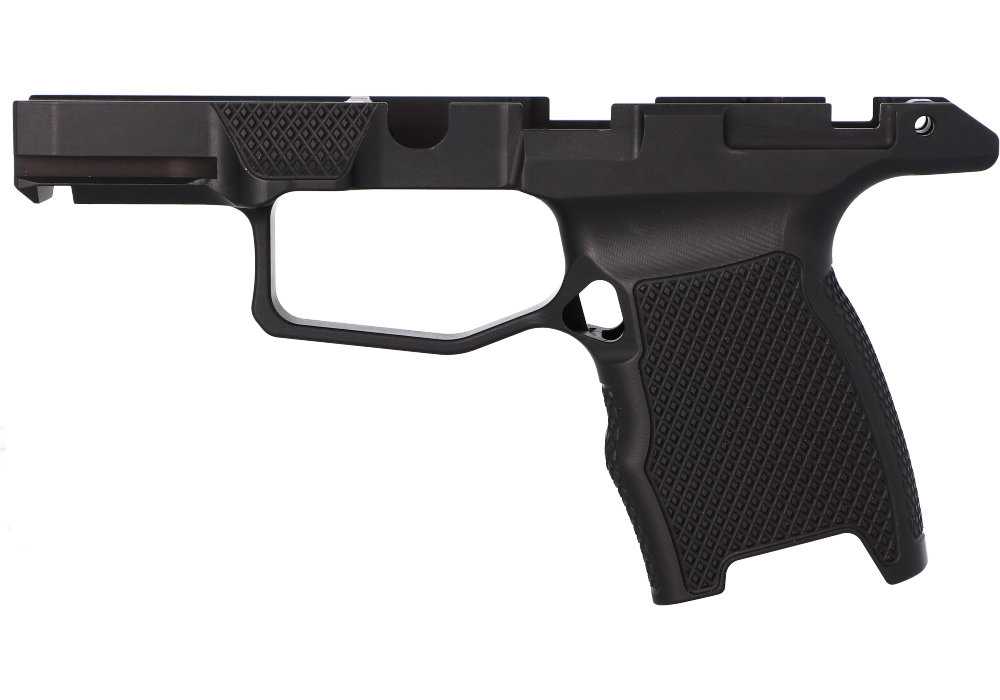
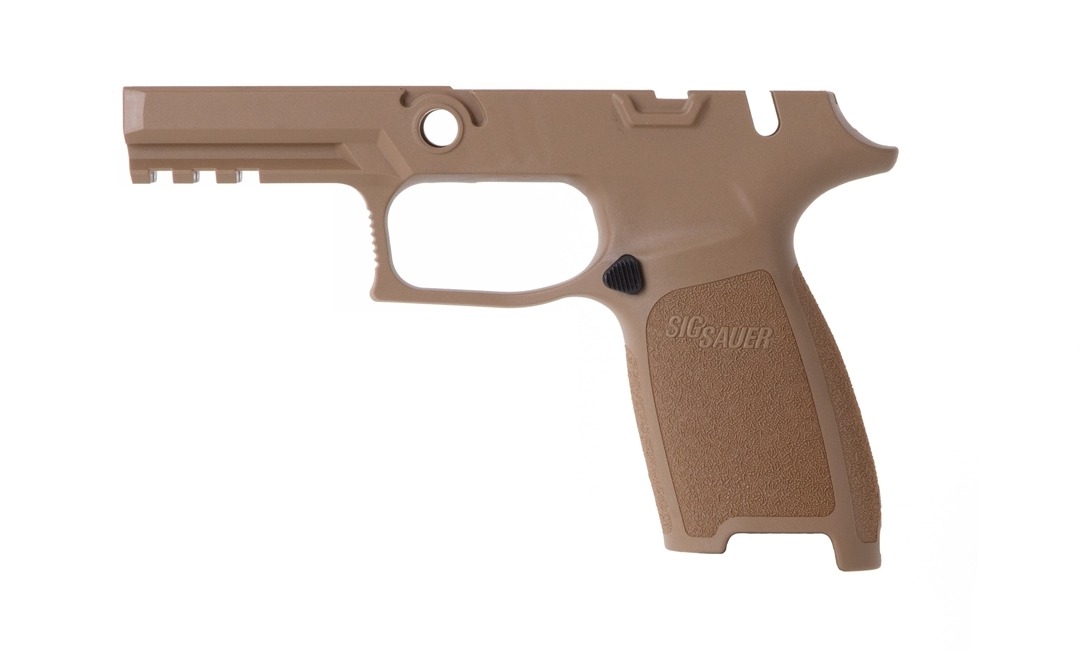
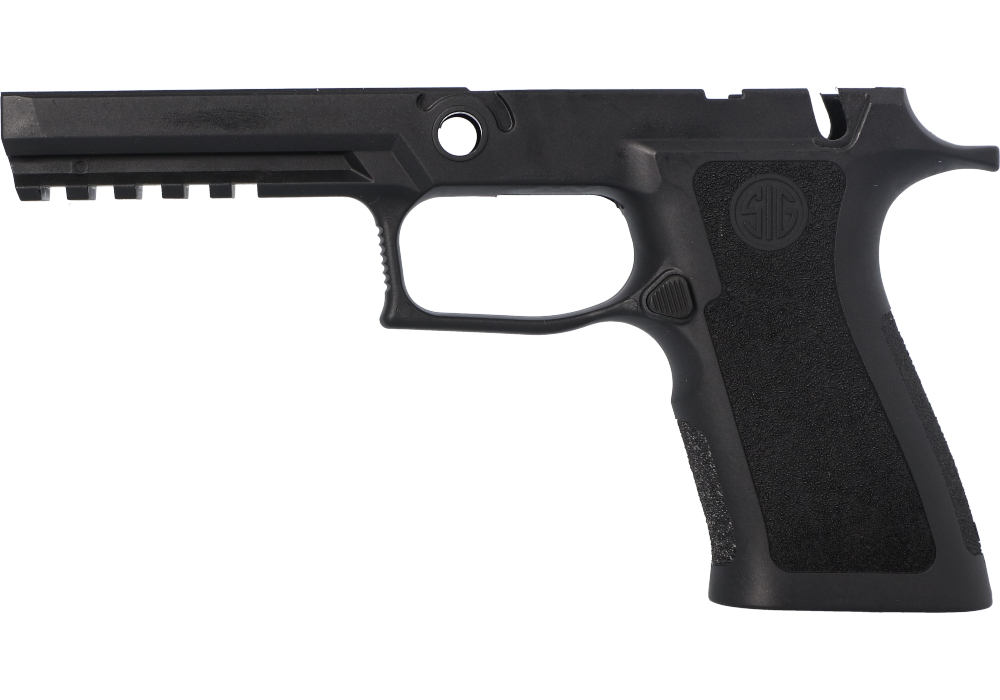
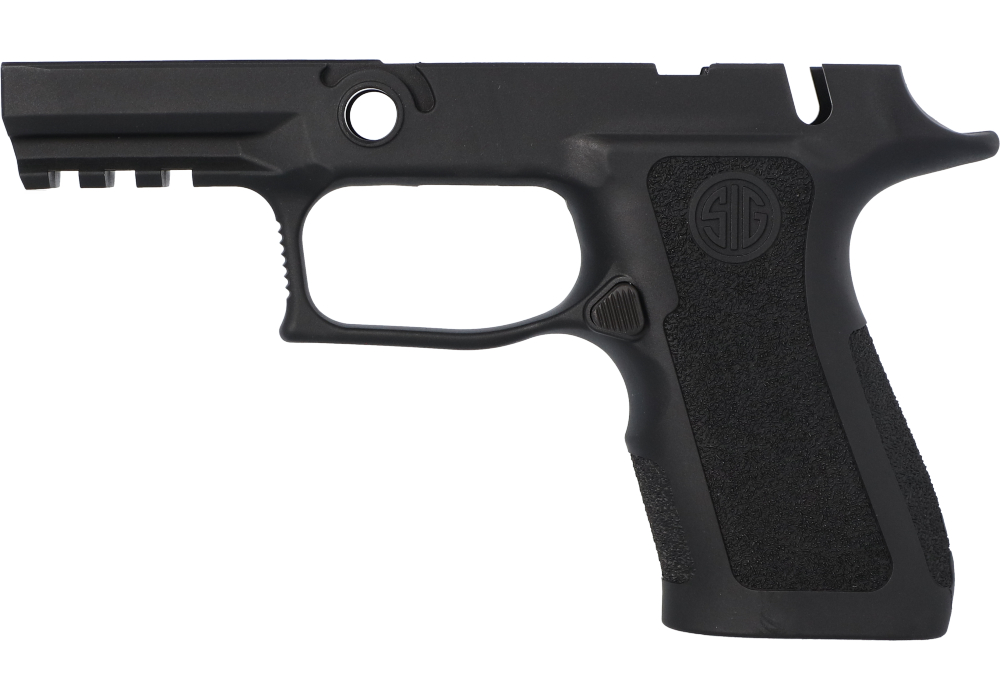
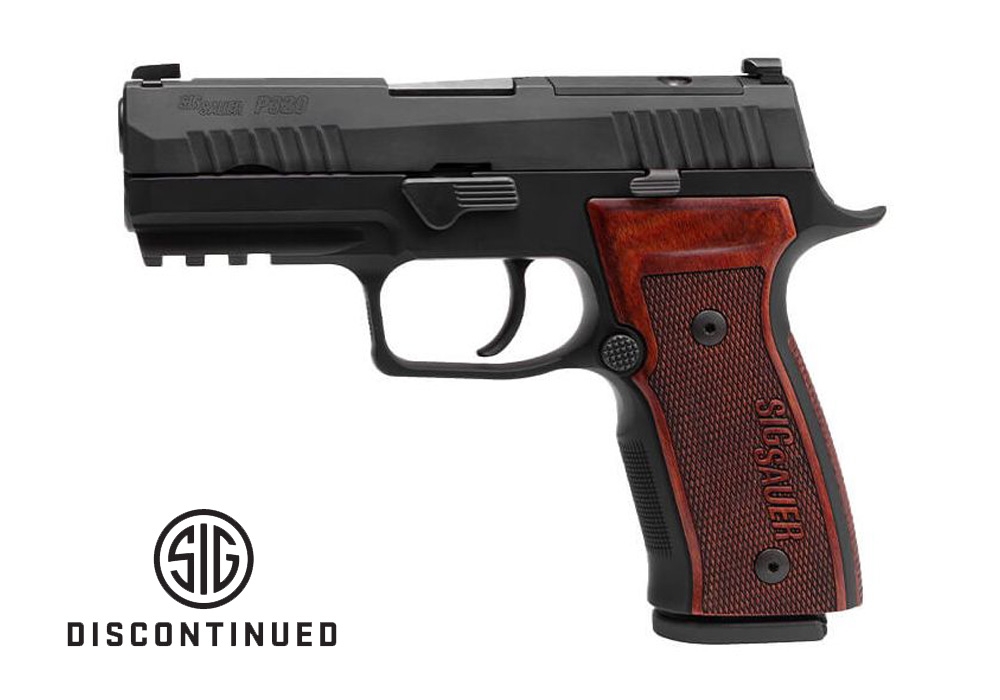
Manual safety grip modules are interchangeable handgun frames designed for compatible modular pistol systems, giving owners a practical way to refine fit, handling, and control without replacing the complete firearm. For fall shooting, a module with a factory-machined manual safety cutout can be especially useful because it is made to provide proper clearance for the safety lever and the fire control unit it supports. This is an important distinction when comparing options: a standard grip module without the correct opening may not accept a manual safety configuration, while a purpose-built module is designed around that interface. Before purchasing, confirm the exact handgun platform, fire control unit, frame size, grip circumference, rail configuration, and compatibility requirements listed by the manufacturer. A module that looks similar to the one already on a pistol may still differ in dimensions, safety clearance, magazine fit, or compatibility with backstraps, magwells, weighted inserts, and other accessories. Owners who want a more secure feel in the hand may compare compact, carry, and full-size configurations, while others may prioritize a shorter reach to the controls or a texture that remains comfortable during longer range sessions. Grip shape matters even more as the weather changes. During the cooler months, shooting gloves, damp hands, layered clothing, and reduced dexterity can all affect how naturally a pistol settles into the hand. A well-matched module should allow the shooter to establish a consistent grip and operate the manual safety deliberately, without forcing the thumb or fingers into an awkward position. Texture should provide enough traction for control while avoiding sharp edges that can become uncomfortable during practice, concealed carry, or extended field use. Those shopping for a thoughtful gift for an experienced handgun owner may find a manual safety grip module appealing, but compatibility should always be verified before ordering. The recipient’s preferred grip size, safety configuration, and intended use are more important than color or appearance, and a gift card or confirmed model information may be the best way to avoid an incompatible purchase. For additional options in a related configuration, browse P320 Grip Modules for Fall Shooting.
A manual safety grip module can support several kinds of fall shooting, from organized range practice to lawful personal protection training and outdoor recreation where a dependable, familiar grip is essential. Shooters who spend time outdoors may appreciate a module that feels secure when hands are cool, clothing is bulky, or gloves are part of the routine. Those who train in changing conditions can use the seasonal transition as a natural opportunity to confirm that their chosen grip size still works with the clothing and equipment they actually wear. A thumb should be able to reach the manual safety positively, and the safety should be manipulated according to the firearm’s instructions and the shooter’s established training practices. Any change to a grip module should be treated as a configuration change rather than a cosmetic upgrade. Begin by ensuring the firearm is unloaded, remove all ammunition from the work area, and follow the manufacturer’s instructions for disassembly and installation. If the correct procedure is unclear, consult a qualified gunsmith or other properly trained professional. After installation, inspect the module and the fire control unit for proper fit, confirm that controls move as intended, and perform function checks in a safe environment exactly as directed by the manufacturer. Live-fire testing should take place only at an appropriate range, with the firearm pointed in a safe direction and all applicable range rules observed. A factory-cut module is generally preferable to attempting to create a safety opening in a standard module with hand tools. Measuring, drilling, or filing a frame without the correct equipment and expertise can result in poor clearance, damage, or an unsafe configuration. Reliable operation depends on the complete assembly, not simply on the appearance of the grip. Magazine release access, slide stop clearance, trigger behavior, safety engagement, and the relationship between the module and fire control unit should all be evaluated before the firearm is returned to regular use. Local laws and regulations may also govern firearm modifications, storage, transport, and carry, so review the requirements that apply to your area.
Outdoor conditions can be hard on firearm components, and fall often brings a mixture of dust, leaves, moisture, and fine grit that can collect around the grip, rail, safety opening, and magazine well. After a range visit, hunting trip where lawful, or day spent outdoors, inspect the module for debris, moisture, cracks, unusual wear, or loose components. Polymer modules should be checked for damage and distortion, while anodized or other metal options should be examined for scratches, corrosion, and finish wear that could indicate exposure to moisture or abrasive material. Clean and lubricate the firearm only as recommended by the manufacturer, keeping oils and solvents away from areas where they could attract grit or affect the grip’s texture. A soft brush, clean cloth, and careful visual inspection can help identify buildup before it interferes with control access, though maintenance should never replace a professional inspection when damage or uncertain function is found. Storage is equally important as the weather shifts: keep the firearm unloaded and secured in a manner that prevents unauthorized access, and allow equipment exposed to rain or condensation to dry appropriately before storage. A manual safety is a mechanical feature that complements, but never replaces, the fundamental rules of safe firearm handling. Keep the muzzle pointed in a safe direction, keep the trigger finger outside the trigger guard until ready to fire, treat every firearm as loaded, and know the target and what lies beyond it. With the right compatibility checks, a properly installed module, suitable gloves and equipment, and consistent practice, a manual safety grip module can help an experienced shooter maintain a familiar, controlled interface throughout the changing conditions of fall.