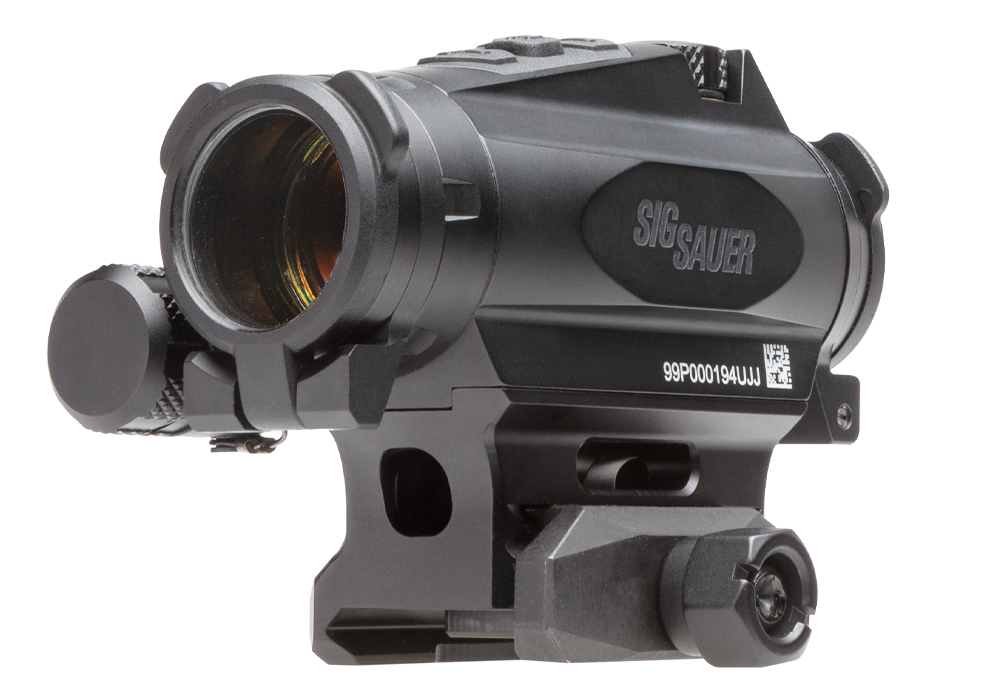
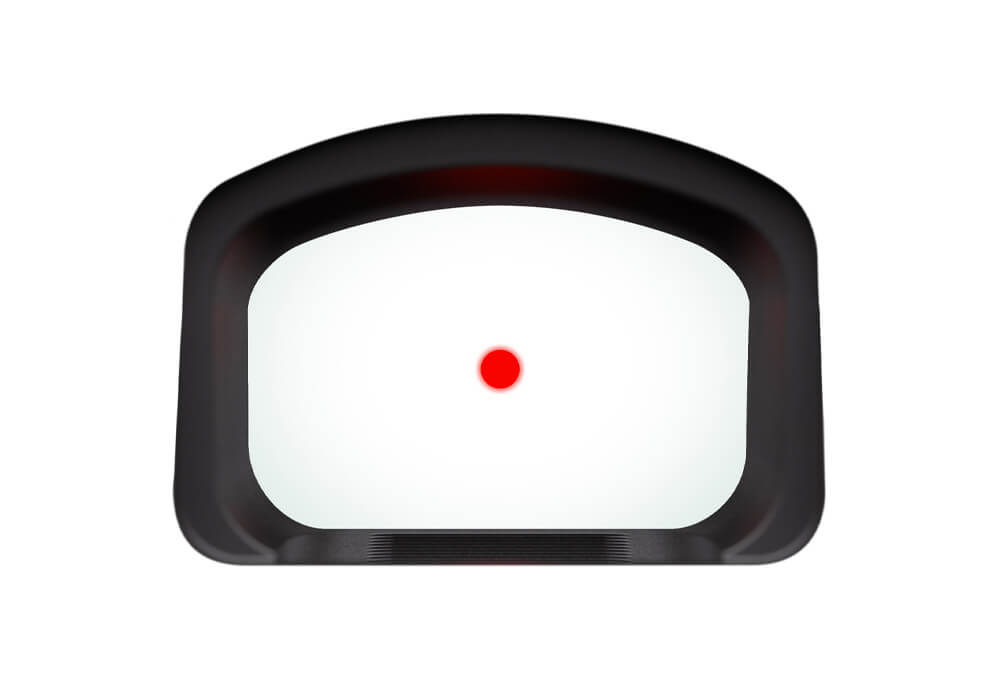
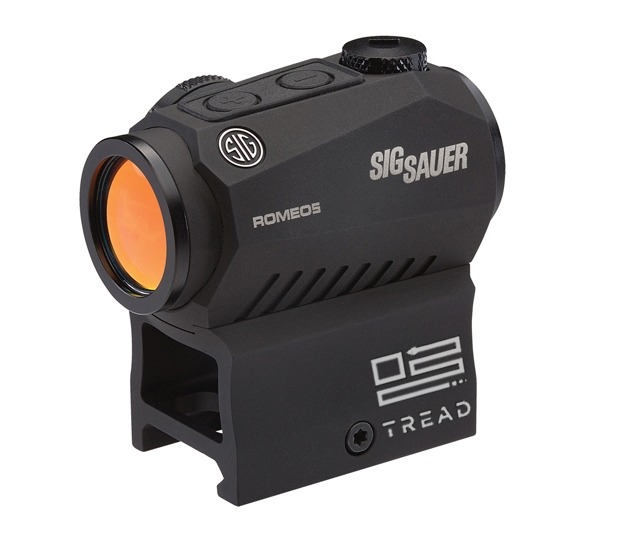
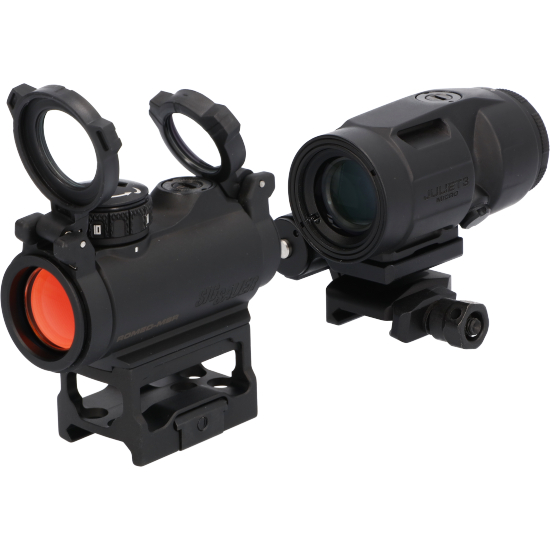
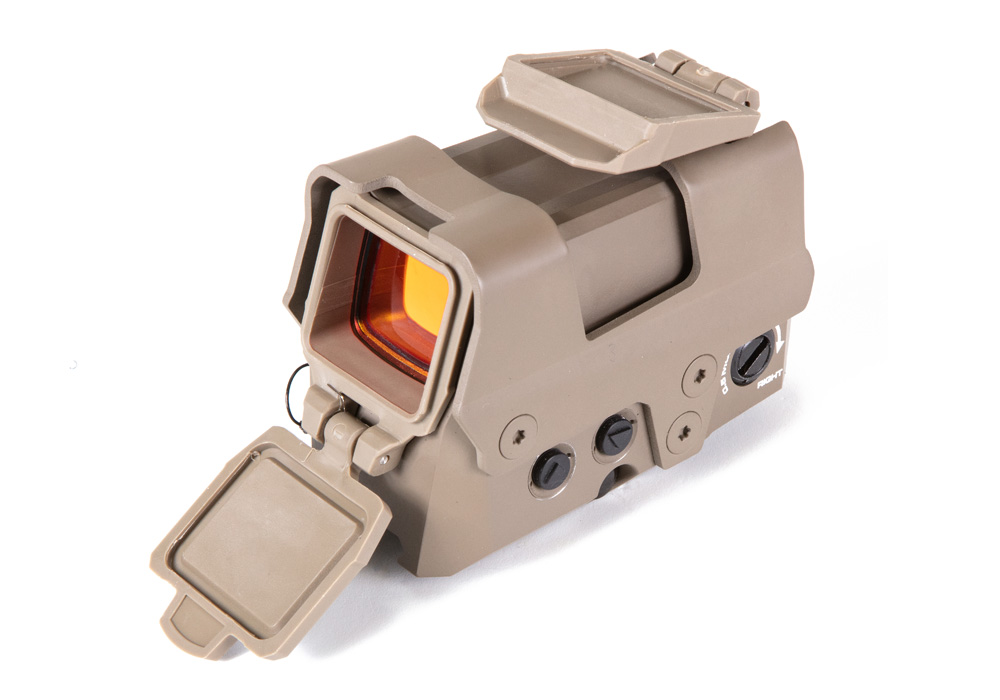
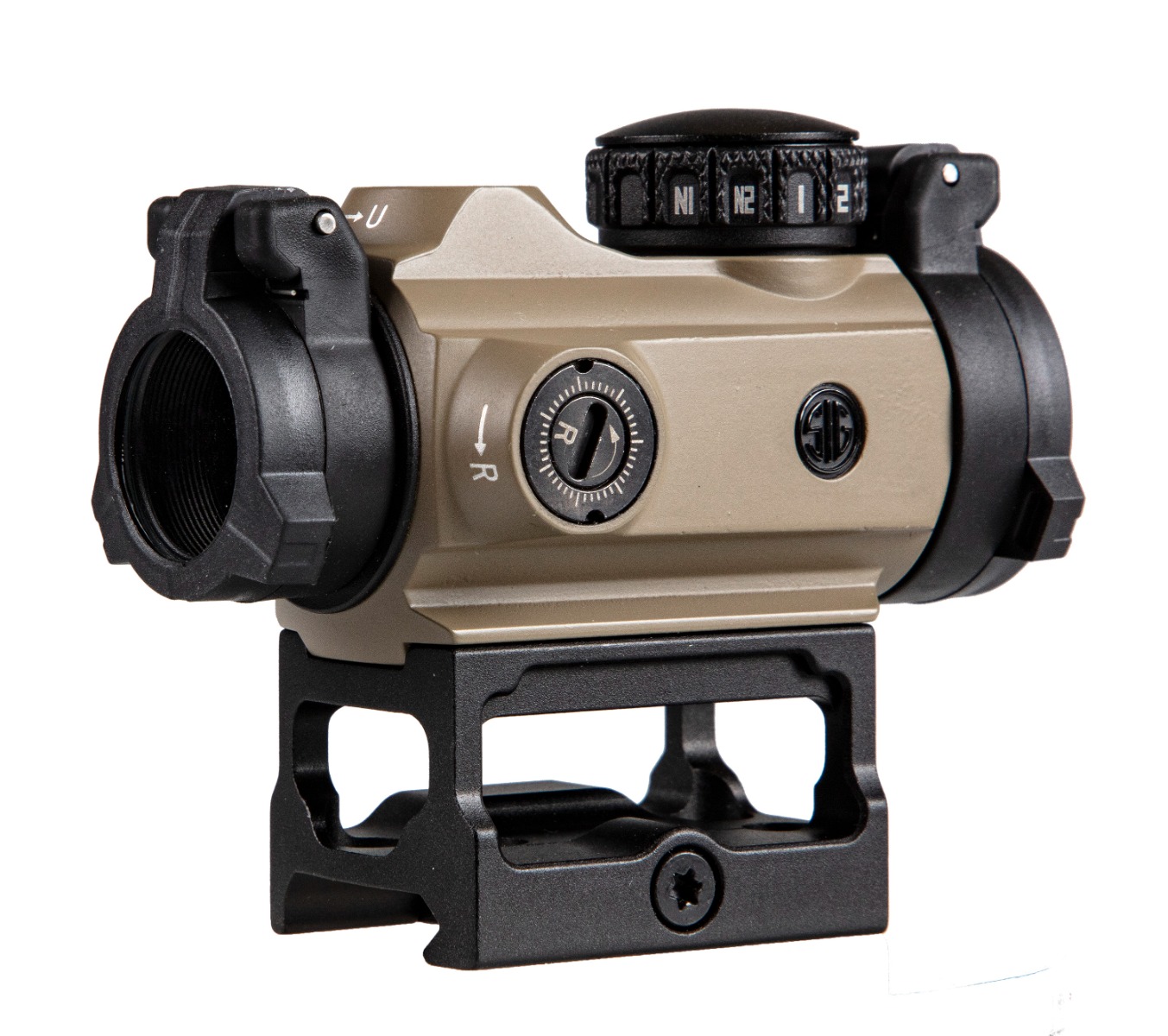
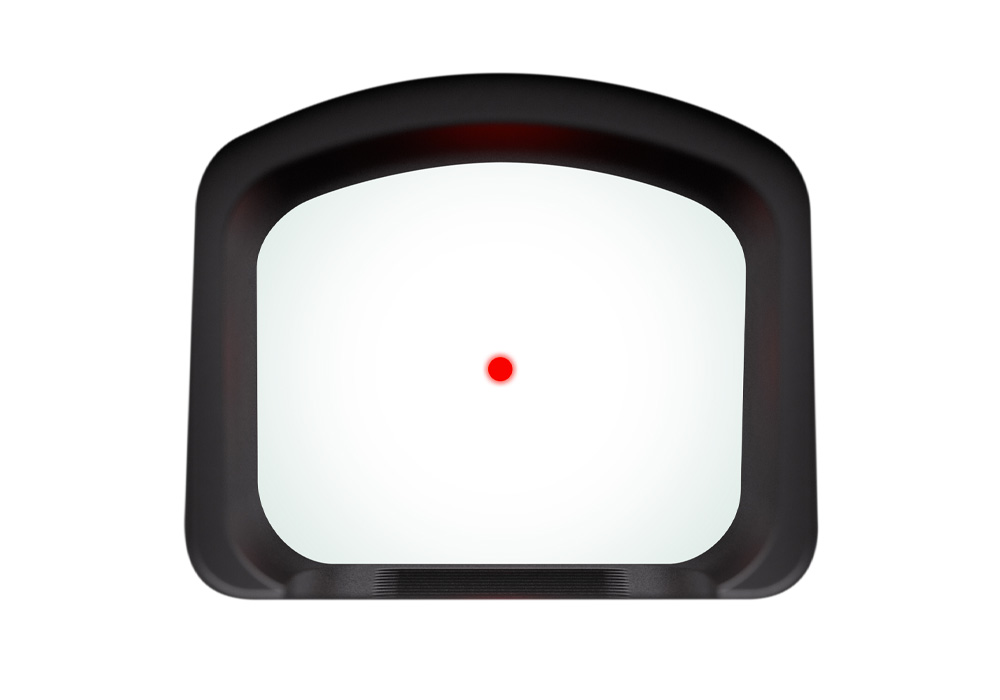
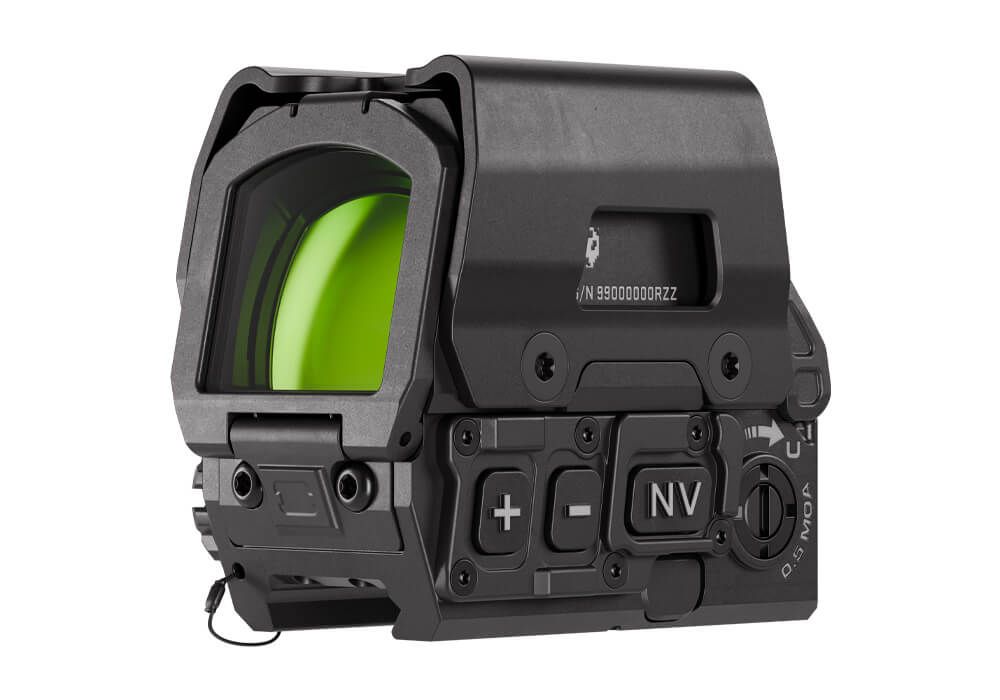
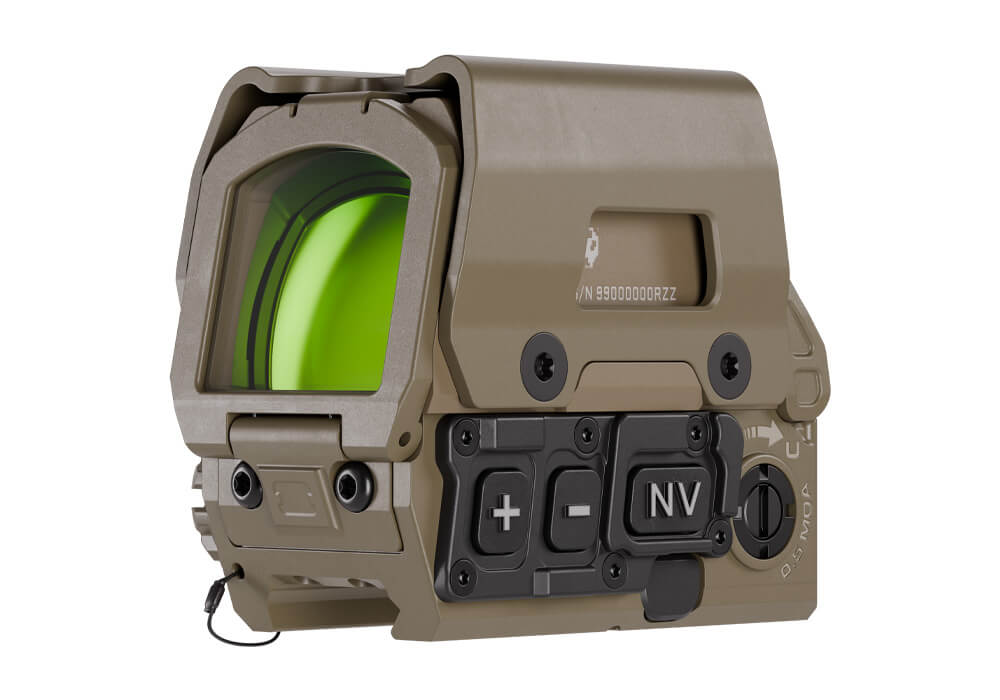
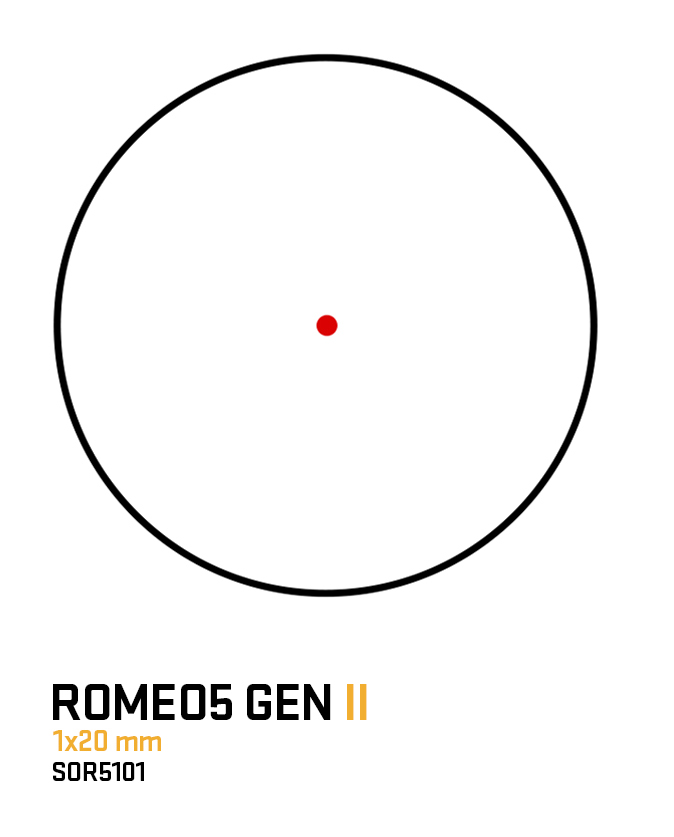
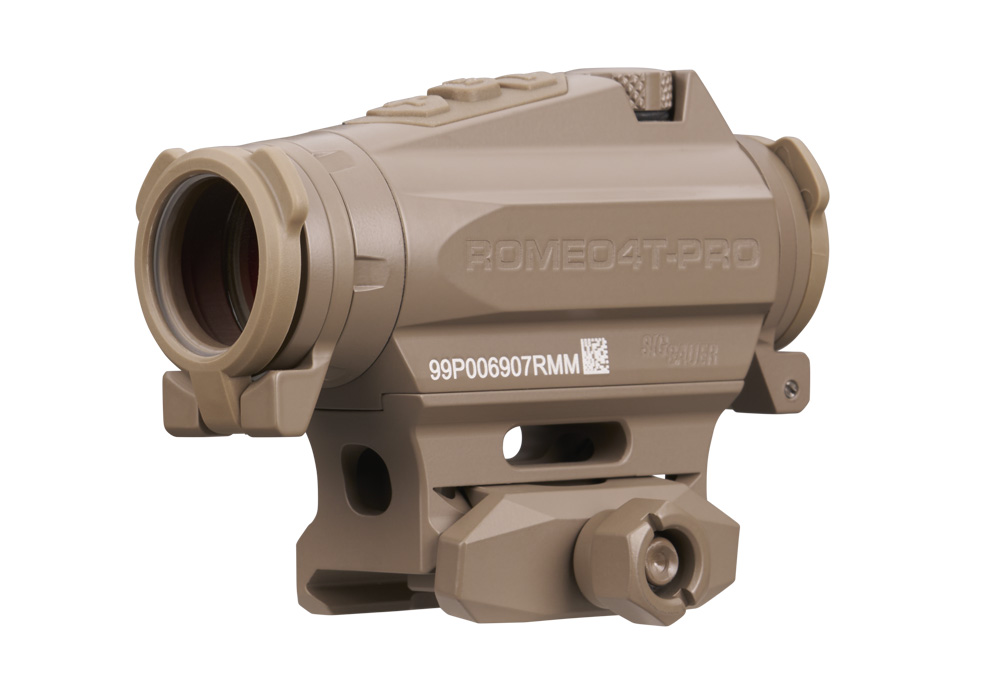
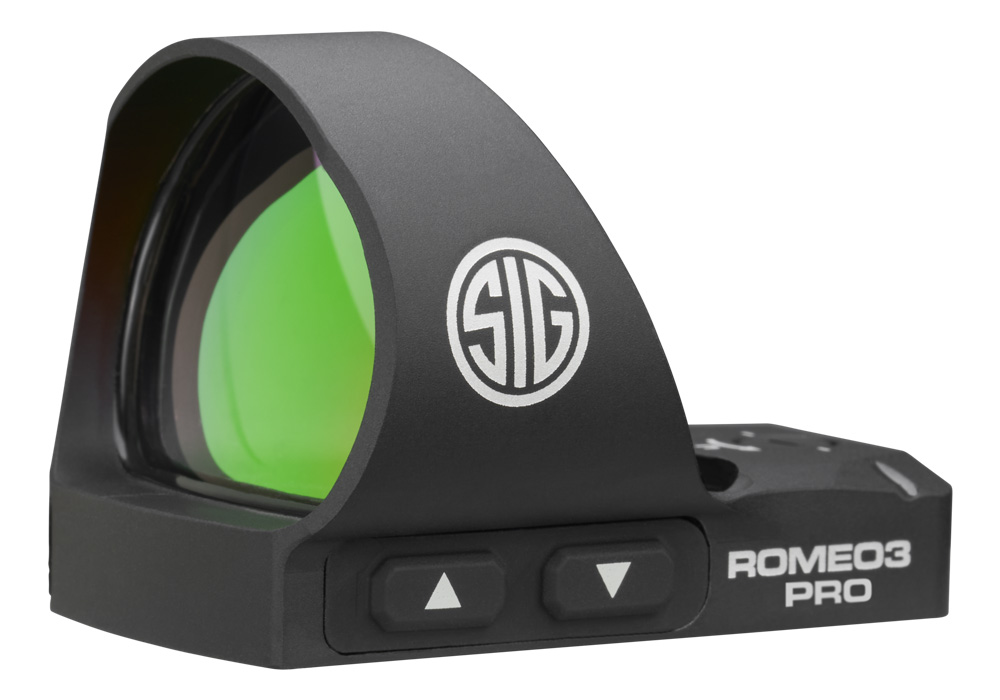
Medium range red dot sights for rifles help bridge the gap between fast, close-range aiming and more deliberate shots across open ground, wooded lanes, and extended practice distances. While a standard 1x red dot is often associated with close-quarters use, the right configuration can remain effective from 100 to 300 yards or beyond, depending on the rifle, ammunition, shooter, and conditions. A compact dot with a precise aiming point can keep the target visible at distance, while a magnified prism optic or a red dot paired with a flip-to-side magnifier can add useful detail without giving up a quick sight picture. Prism scopes are available in fixed 1x, 3x, or 5x configurations and commonly use an etched reticle, so the aiming pattern remains visible even if the illumination is switched off or the battery is depleted. A red dot and magnifier combination offers a different kind of flexibility: the optic stays at 1x for fast engagement and broad situational awareness, then the magnifier moves into position when additional identification or aiming support is needed. For shooters who prefer a traditional red dot sight, a finer 1 MOA or 2 MOA dot generally covers less of a distant target than a larger 4 MOA or 6 MOA dot. That distinction becomes noticeable when a small aiming point sits against a dark target line at 200 yards, where a larger illuminated dot may obscure the exact area a shooter is trying to hold. Circle-dot reticles can help the eye find the center quickly, while bullet drop compensation marks or other holdover references may make it easier to account for trajectory at known distances. Choosing between these layouts depends on how the rifle is used, how quickly the sight picture must be acquired, and whether the shooter values a simple dot or additional reference points.
A practical selection begins with the rifle and the distances involved. Confirm that the optic’s mounting footprint, height, and included or compatible base match the rifle and any existing accessories. A proper height can support a comfortable cheek weld and a natural transition from the stock or brace to the sight picture; an awkward setup may cause the shooter to hunt for the dot every time the rifle is shouldered. Co-witness compatibility can also matter on rifles equipped with backup iron sights, particularly when a shooter wants a familiar reference available without removing the optic. If using a magnifier, check the available rail space, the direction in which the mount swings, and whether the magnifier aligns cleanly with the red dot at the chosen height. Eye relief and eye box are especially important with magnified configurations. A generous eye box can make it easier to find a clear image while wearing protective eyewear, heavier clothing, or a hat during cooler months. Brightness controls should be easy to reach but resistant to accidental movement, and multiple illumination settings can help the reticle remain visible in changing light, from a bright range under an open sky to a shaded tree line late in the day. Battery life, automatic shutoff features, motion activation, and a dependable low-light setting all deserve attention, although no electronic optic should be treated as a substitute for safe handling or a backup plan. Durability and weather resistance are equally practical considerations for rifles carried between a safe, vehicle, range bag, and outdoor firing line. A sealed tube-style optic may appeal to someone who expects dust, rain, or brush, while an open reflex design can offer a broad viewing window and a light, unobtrusive profile. Shooters comparing options may also want to explore High Visibility Red Dot Sights when a bright, easily located aiming point is a priority.
These sights can serve a wide range of rifle users, from someone refining fundamentals on steel targets to an experienced shooter setting up a general-purpose carbine for training, property observation, or recreational use where lawful. A magnified setup can be helpful on a rifle used across a large outdoor range, where the same firearm may be handled at short distances near a shooting bench and then used on targets farther downrange. A fine dot can support careful zeroing and more precise holds, while a circle-dot or illuminated reticle may feel intuitive during movement drills and other exercises that emphasize keeping both eyes open. Before relying on any sight, take time to mount it securely, confirm the manufacturer’s torque specifications, establish a consistent zero, and verify the point of impact at the distances that matter for the intended setup. It is also worth confirming the trajectory of the chosen ammunition rather than assuming that a reticle’s holdover marks will match every load or barrel length. A calm zeroing session often reveals small details that are easy to miss in a product description: whether the brightness setting blooms, whether the controls are comfortable with gloves, whether the magnifier introduces an image shift, and whether the rifle balances well after the optic is installed. During the warmer part of the season, a lightweight 1x sight may be convenient for range days and field practice; during cooler months, a durable mount, clear eye box, and controls that remain accessible through layers can become more noticeable advantages. These optics can also make thoughtful gifts for a new rifle owner, a recreational shooter building a first practical setup, or an experienced family member upgrading an aging sight, provided the recipient’s rifle, mounting system, and preferred shooting distance are known. Whichever configuration is selected, responsible storage, safe muzzle direction, appropriate eye and ear protection, and regular inspection of the mount and batteries are essential parts of getting dependable performance from a medium range red dot sight.