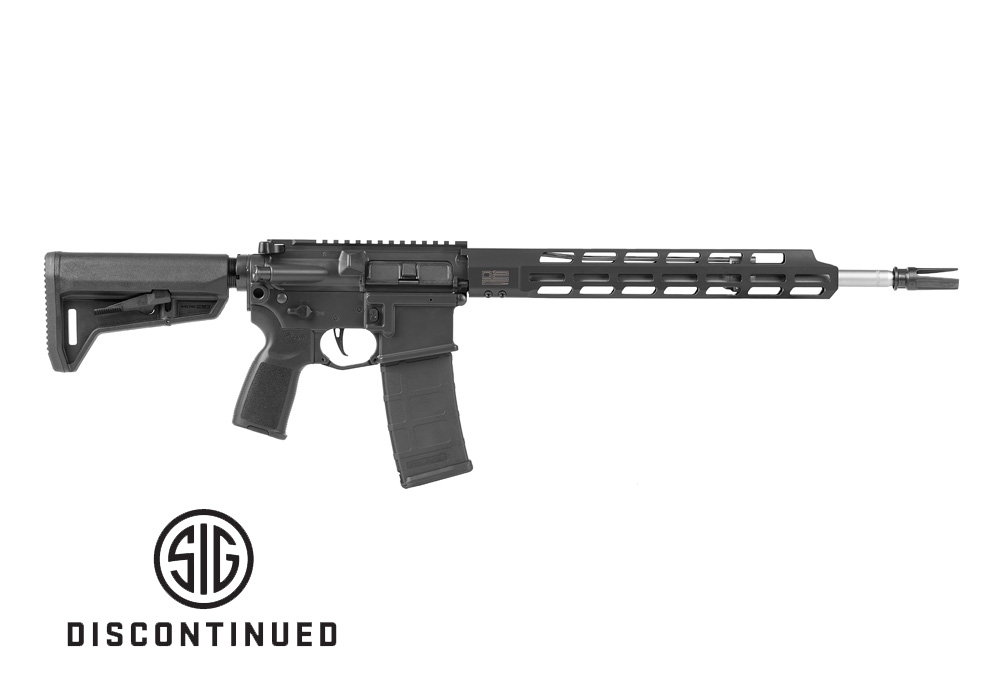
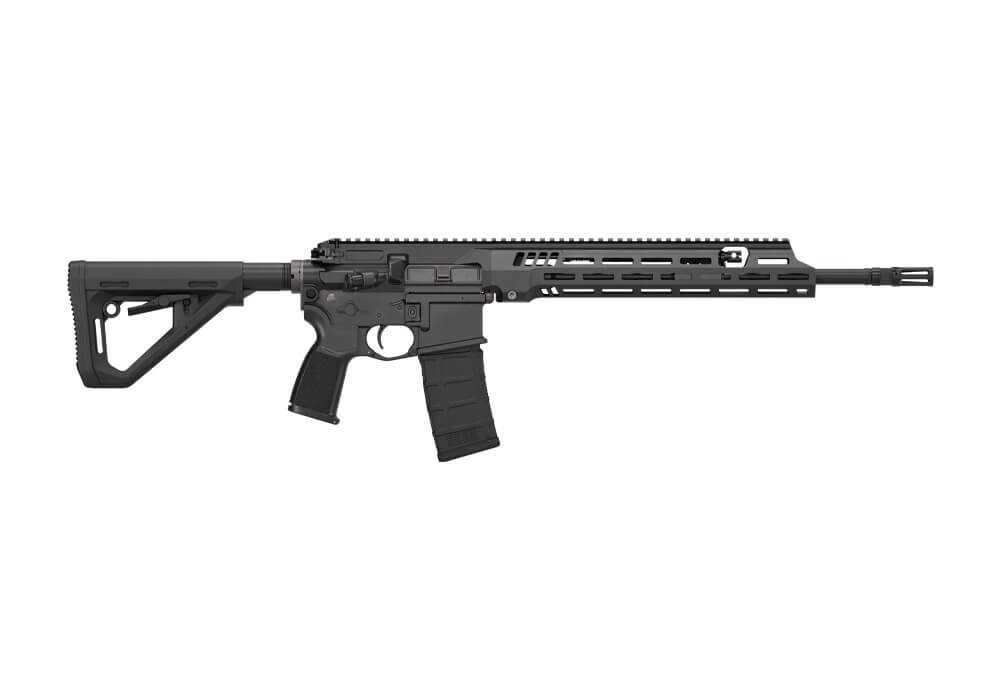
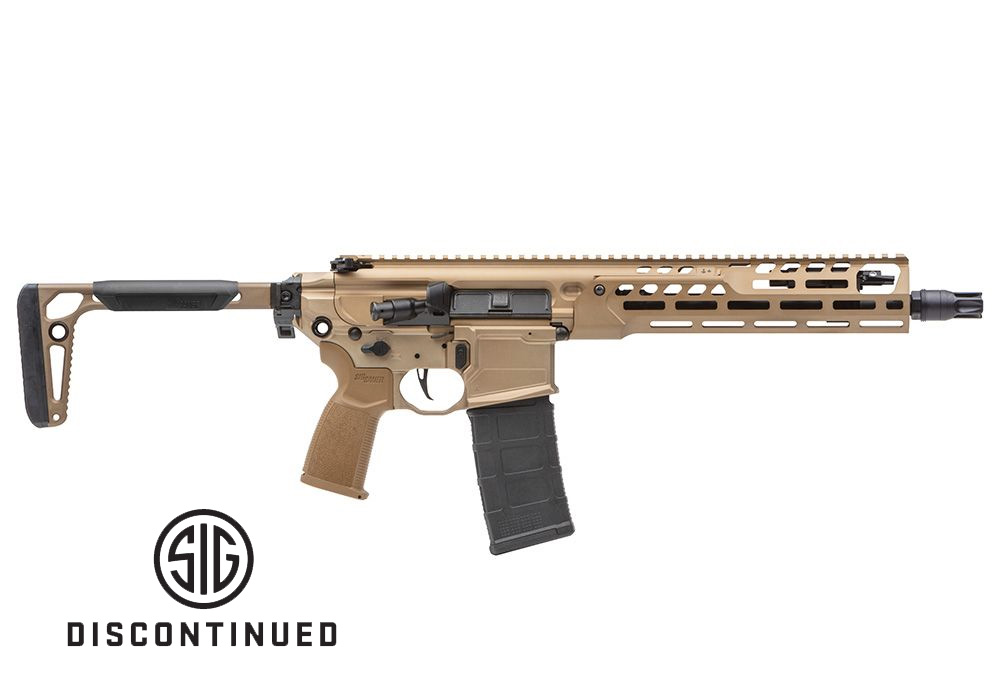
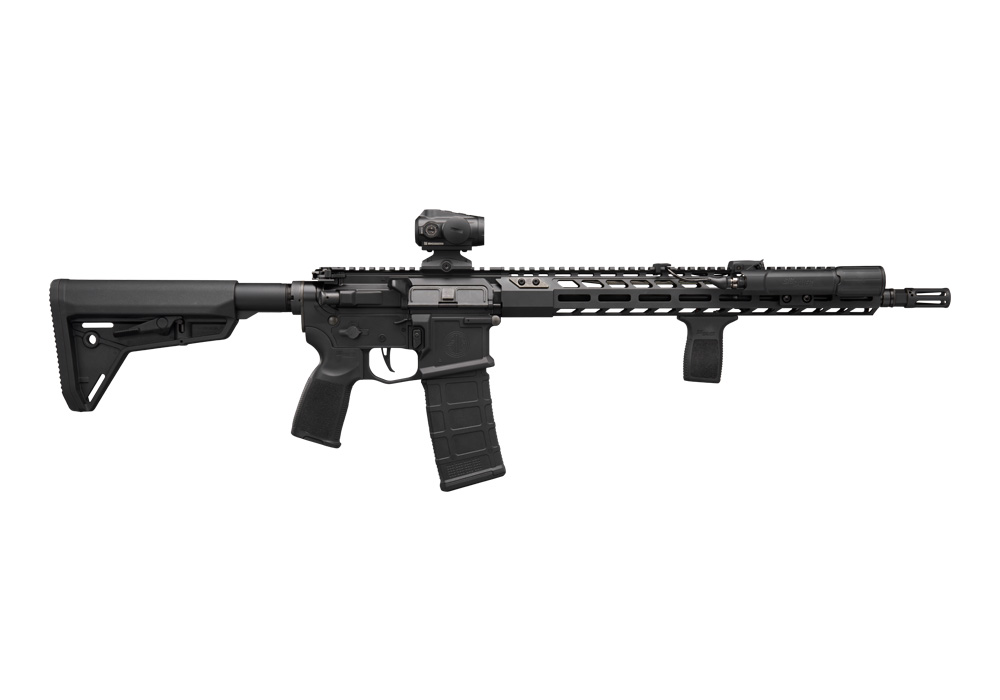
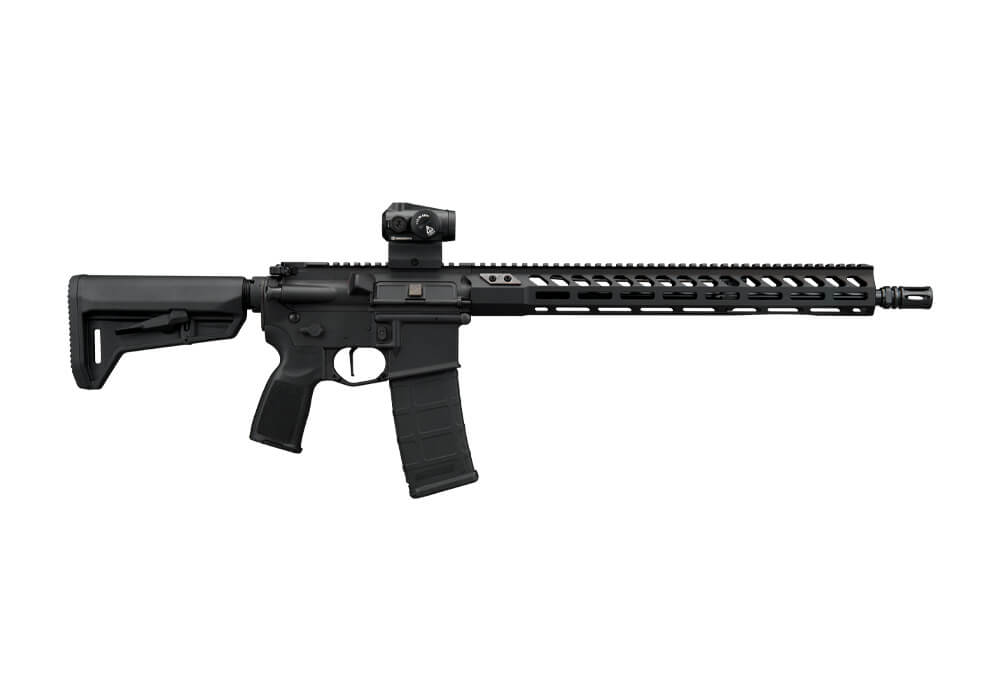
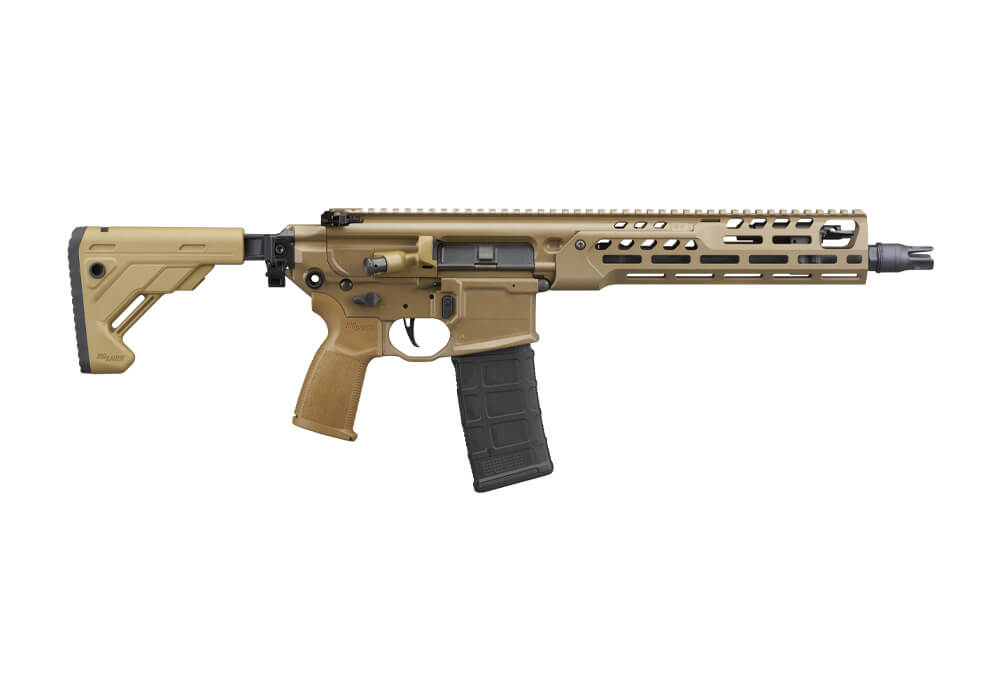
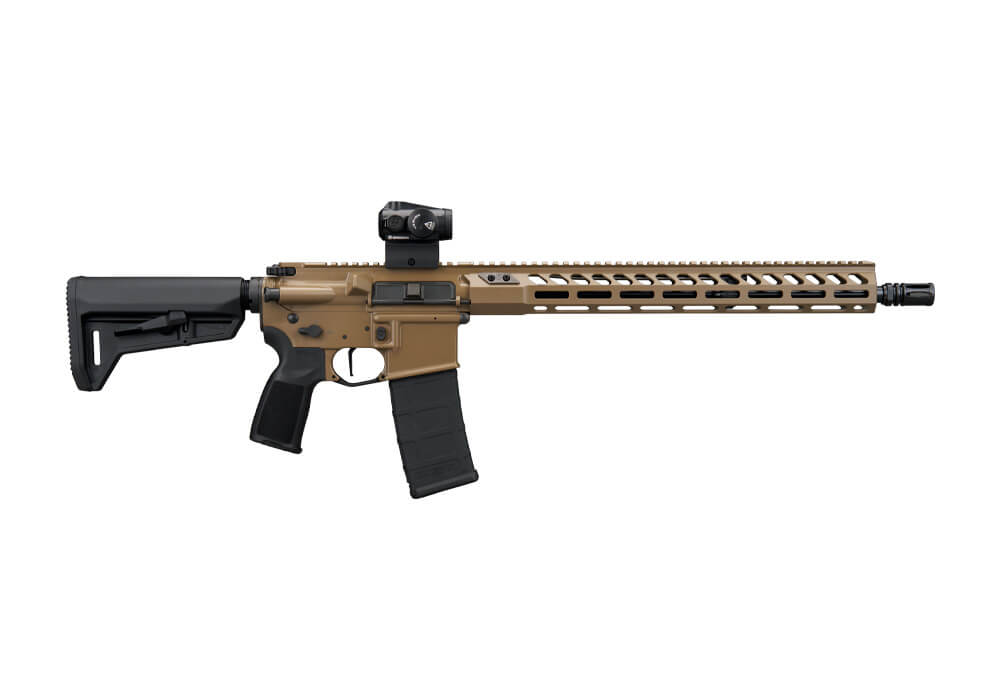
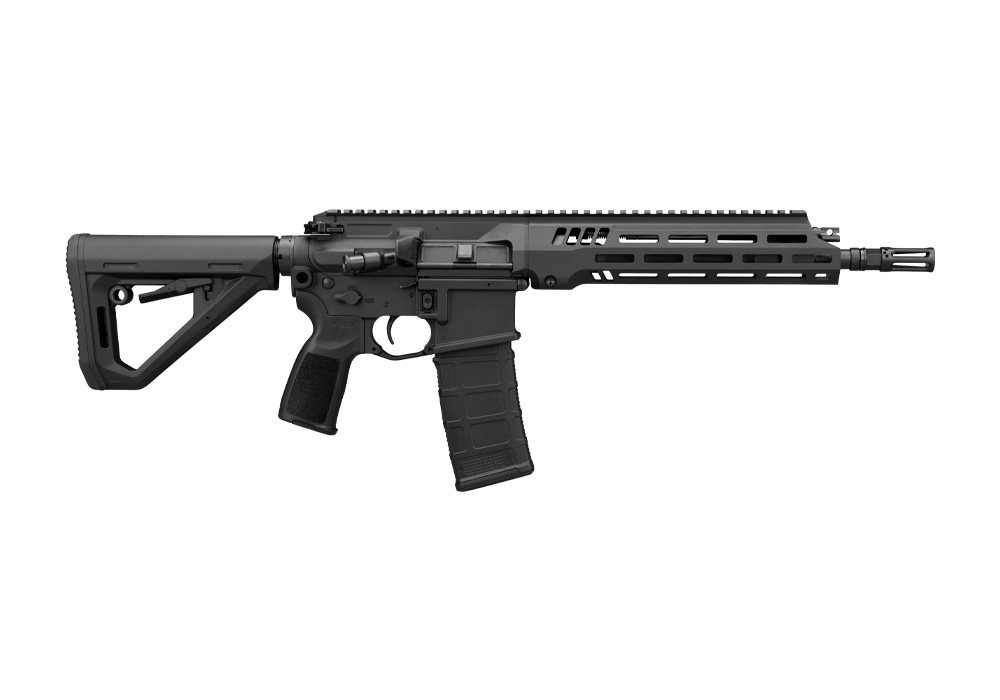
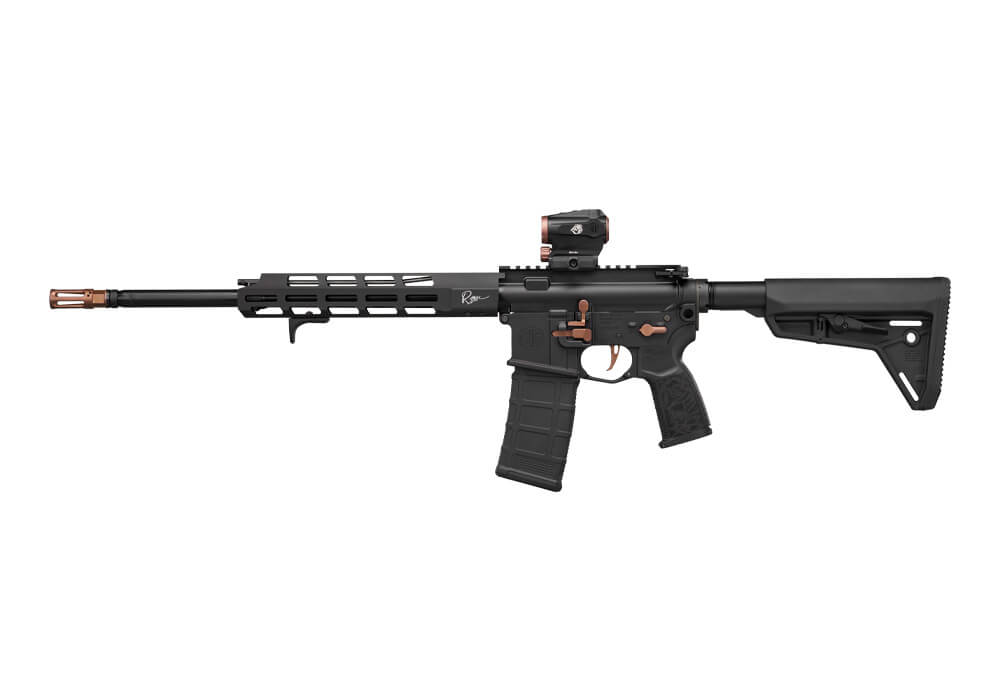
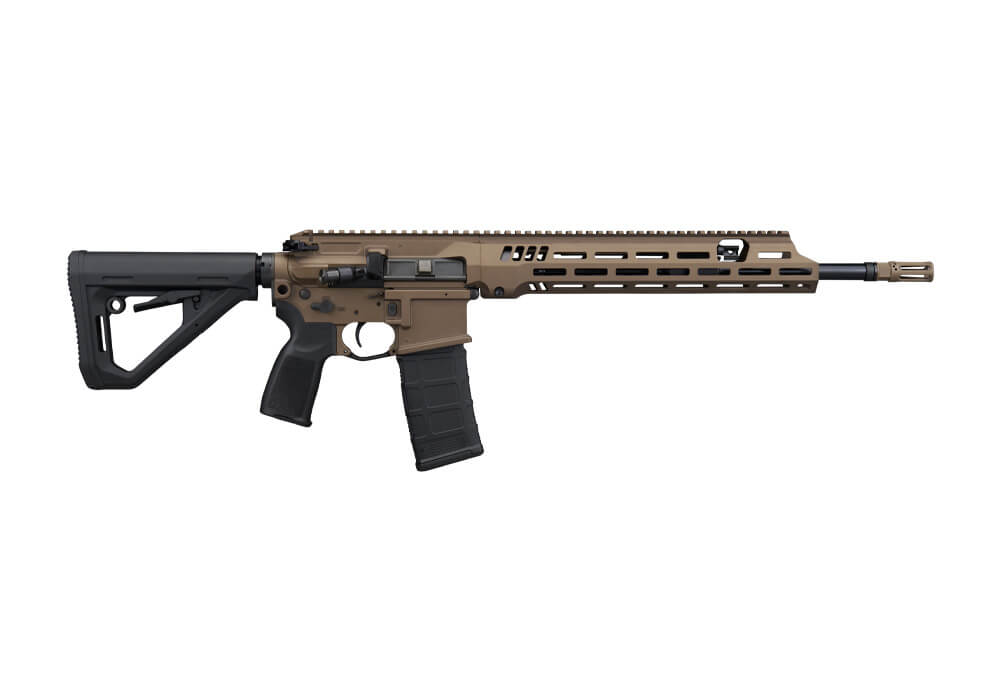
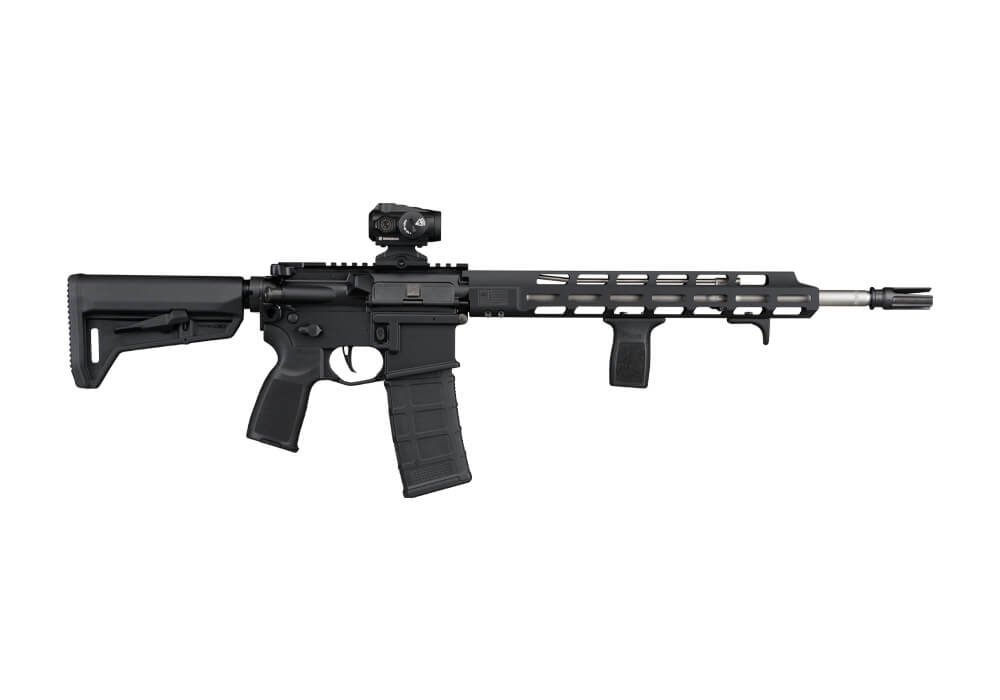
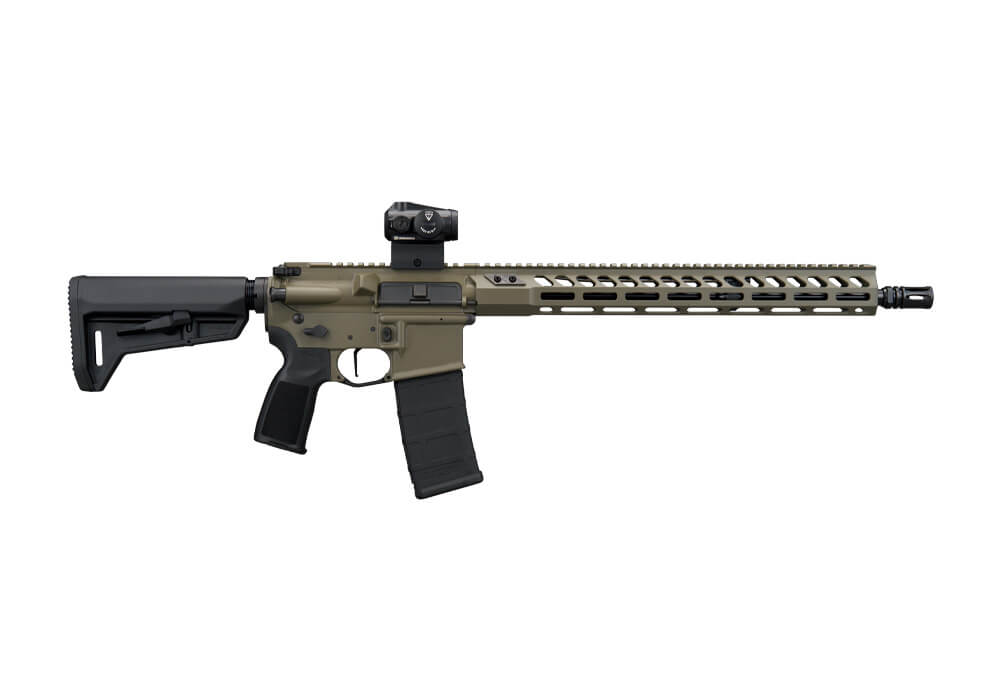
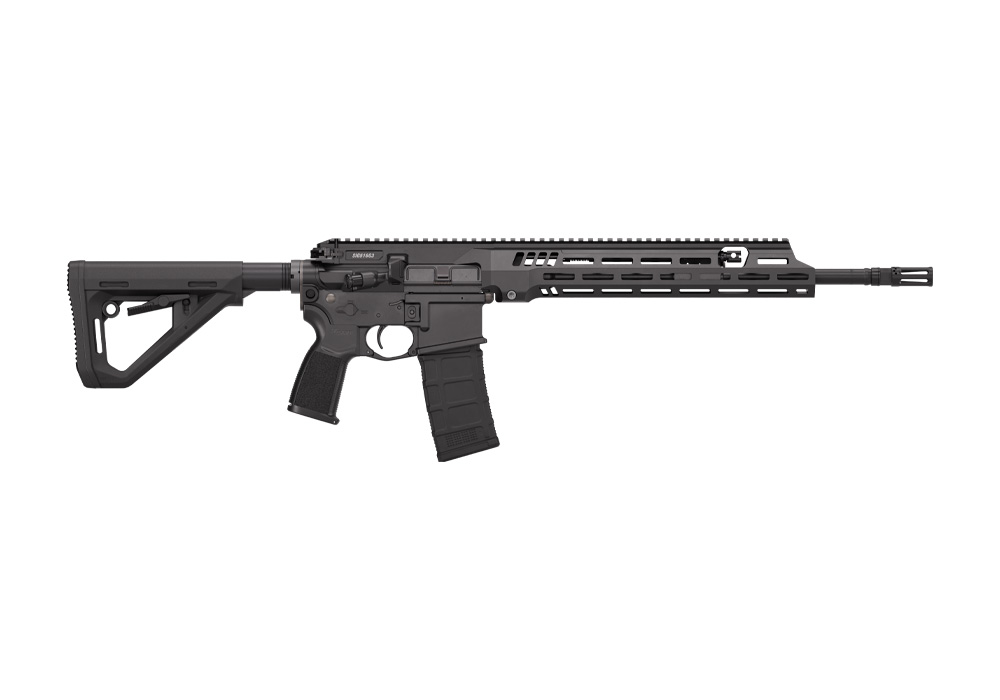
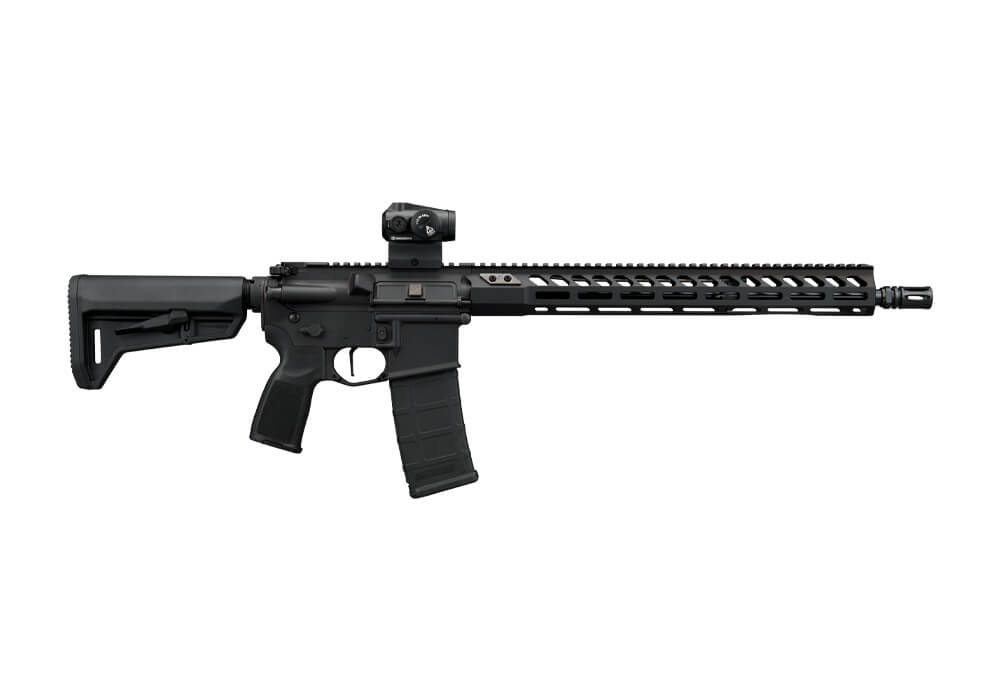
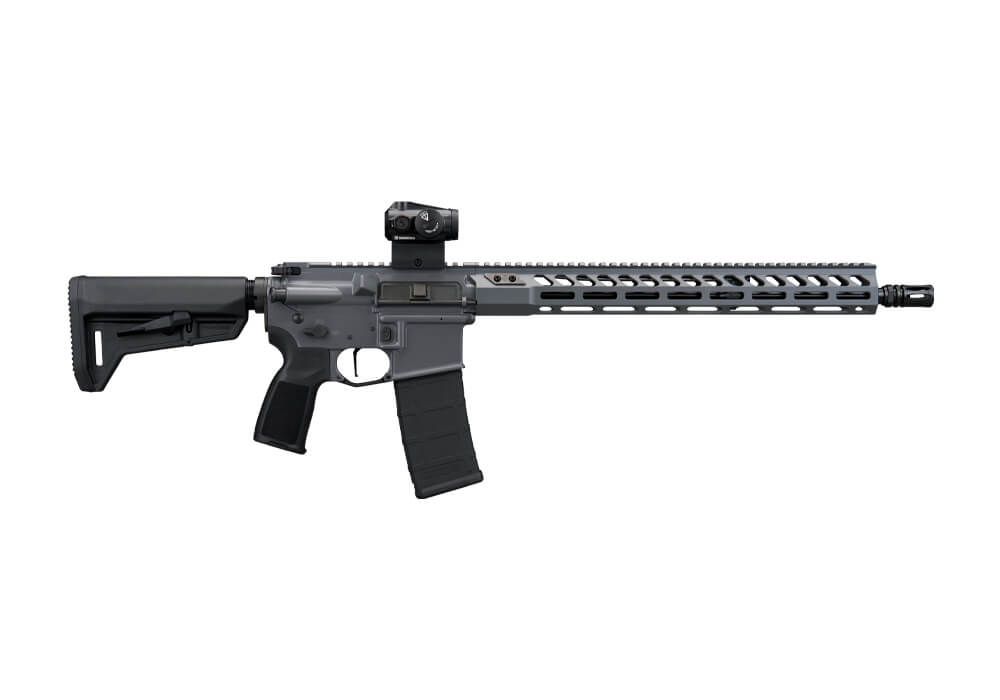
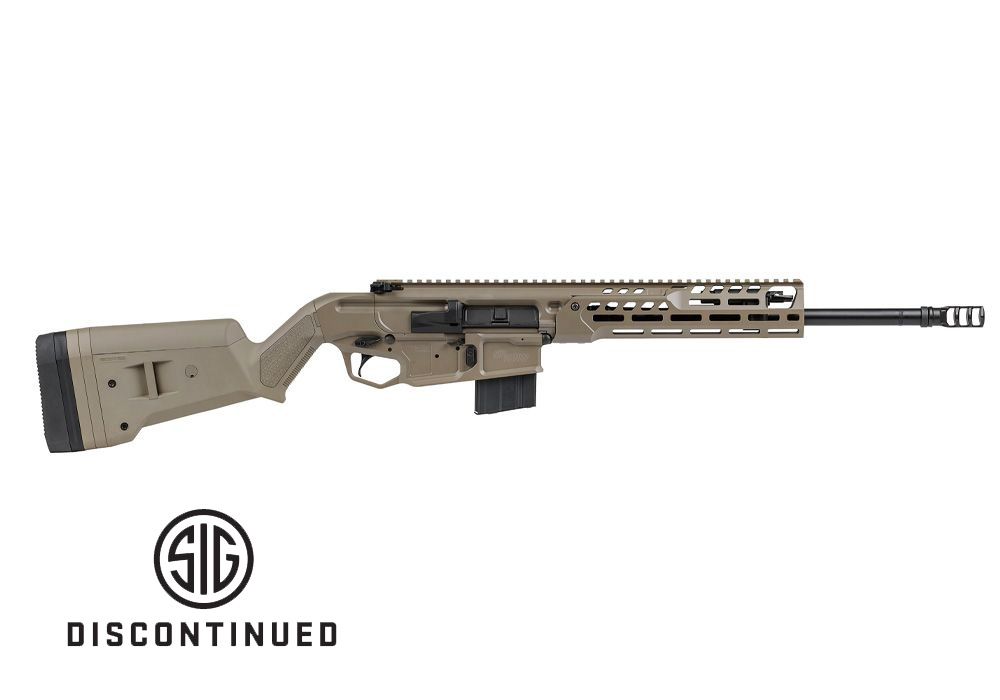
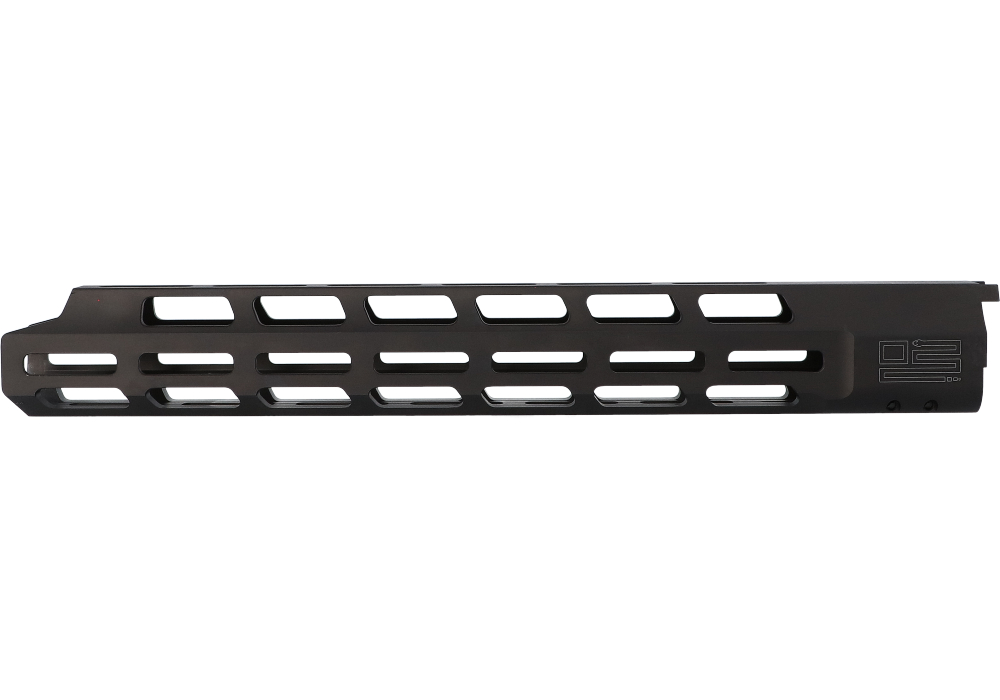
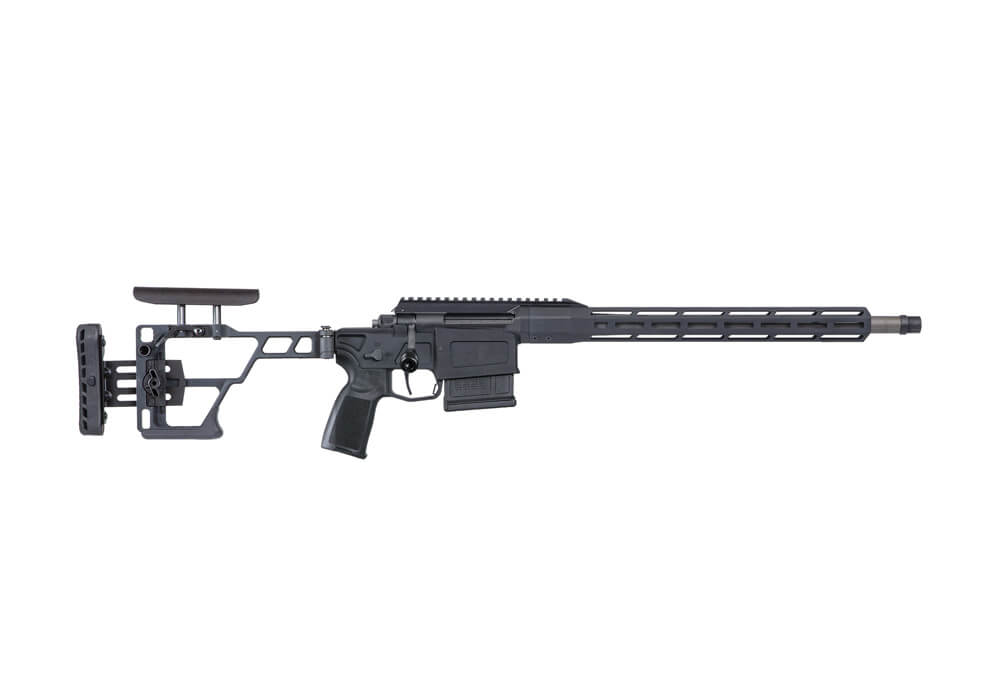
M-LOK compatible 5.56 rifles combine a rifle chambered for 5.56x45mm NATO with a slotted handguard designed to accept compatible accessories. The M-LOK interface provides attachment points along the handguard without requiring continuous external rail surfaces on every side. Compatible accessories may connect directly through the slots, while others require a suitable rail section or adapter. This gives the category its recognizable appearance: a relatively clean fore-end with attachment points where the rifle’s design allows them. M-LOK describes the accessory interface, however, not the rifle’s action, operating system, chamber specification, or overall construction. Two rifles with similar-looking handguards can differ considerably in weight, controls, stock design, barrel configuration, and maintenance requirements. For recreational target shooting, organized range practice, and sporting activities where permitted, those differences help determine how a rifle fits into an owner’s routine. A firearm carried between shooting stations presents different comfort considerations from one used primarily at a bench, even when both share the same chambering and handguard interface. Materials also contribute to the feel and character of the platform. Aluminum handguards are common because they offer structural rigidity without the weight of a comparable steel component, while steel remains common in barrels and other parts exposed to substantial mechanical stress. Polymer components may appear in stocks, grips, and other contact surfaces, depending on the design. Protective finishes help resist surface wear and corrosion, but their presence does not eliminate the need for regular care. The practical appeal of this category lies in that combination of familiar rifle controls, a widely recognized chambering, and a modular exterior interface. Accessory compatibility should still be treated as a specific fit requirement rather than a blanket promise. Slot placement, handguard dimensions, mounting hardware, and clearance around internal components can vary. A shared interface name is a starting point for evaluating fit, not confirmation that every accessory belongs on every rifle. Manufacturer documentation remains the most reliable reference for the configuration and limitations of a particular firearm.
Fit becomes especially noticeable over the course of an ordinary range visit. A rifle that feels comfortable for a brief moment at the counter may feel different after repeated handling, movement between benches, or extended periods of supporting its weight. Overall balance matters alongside the number shown on a specification sheet. Weight concentrated toward the front can feel different from the same total weight distributed closer to the receiver, and handguard length changes the amount of fore-end available for a comfortable support-hand position. Grip shape, stock dimensions, and the placement of controls also influence whether the rifle feels natural to its owner. Where a stock offers adjustment, the available range should suit the shooter rather than merely provide another feature on a list. Handguard profiles deserve similar attention. Rounded contours, angular surfaces, slot edges, and surface texture all affect the contact points felt during normal handling. Neither a slim profile nor a larger one is universally preferable; hand size, experience, and personal comfort help explain why different shooters favor different configurations. M-LOK accessory choices introduce another layer of fit considerations, particularly because each addition can change the rifle’s weight, balance, and exterior dimensions. A straightforward range setup may benefit from keeping those considerations simple rather than treating every open slot as something that needs filling. Compatibility involves more than whether hardware can engage a slot: the accessory manufacturer’s requirements and the firearm manufacturer’s restrictions both matter. The same care applies to cases, storage arrangements, and transport equipment, which should accommodate the rifle’s actual dimensions without forcing pressure against controls or attached components. For newer owners, access to qualified instruction and a supervised range can be more meaningful than a long accessory list. Experienced shooters may place greater emphasis on familiar control placement, consistent fit, or maintenance access. Neither approach changes the fundamentals of responsible ownership. Comfortable handling, clear operating information, and an appropriate setting for lawful use are lasting considerations, regardless of how elaborate or restrained the exterior configuration may be.
Durability is best understood as a combination of construction, appropriate use, and ongoing care rather than a finish description alone. Handguards, receivers, and exterior hardware encounter ordinary contact with cases, benches, and storage surfaces, so cosmetic wear can occur even on a well-maintained rifle. More important concerns include damaged components, unexpected movement, corrosion, or changes in normal operation, which warrant attention according to the manufacturer’s instructions and, when needed, evaluation by a qualified gunsmith. Routine care should follow the firearm’s manual, including its guidance on cleaning products, lubrication, inspection, and service intervals. Accessory care requirements may differ from those of the rifle itself, particularly when a setup includes electronics or components with specialized finishes. Cleaning and inspection belong in a safe setting with the firearm unloaded and ammunition kept separate from the work area. Secure storage should prevent unauthorized access, with access controls appropriate to the household and all applicable legal requirements. Ammunition identification is equally important. A rifle marked only for .223 Remington should not be assumed suitable for 5.56 NATO ammunition, and a handguard’s appearance provides no information about chamber compatibility. The firearm’s markings and manufacturer guidance govern ammunition selection. For shoppers comparing another chambering with a similar modular handguard approach, Mlok Rail 300 Blackout Rifles offers a related category to explore, but a similar exterior does not establish ammunition or component interchangeability. That distinction matters whenever rifles with familiar layouts serve different requirements. Long-term satisfaction with a 5.56 rifle often comes from less conspicuous details: a comfortable fit, documentation that is easy to follow, manageable upkeep, and a configuration suited to the owner’s actual range activities. Viewed together, those qualities give M-LOK compatible 5.56 rifles their practical context. The modular handguard is one useful feature within a complete firearm, while responsible selection and ownership depend on understanding the entire platform.