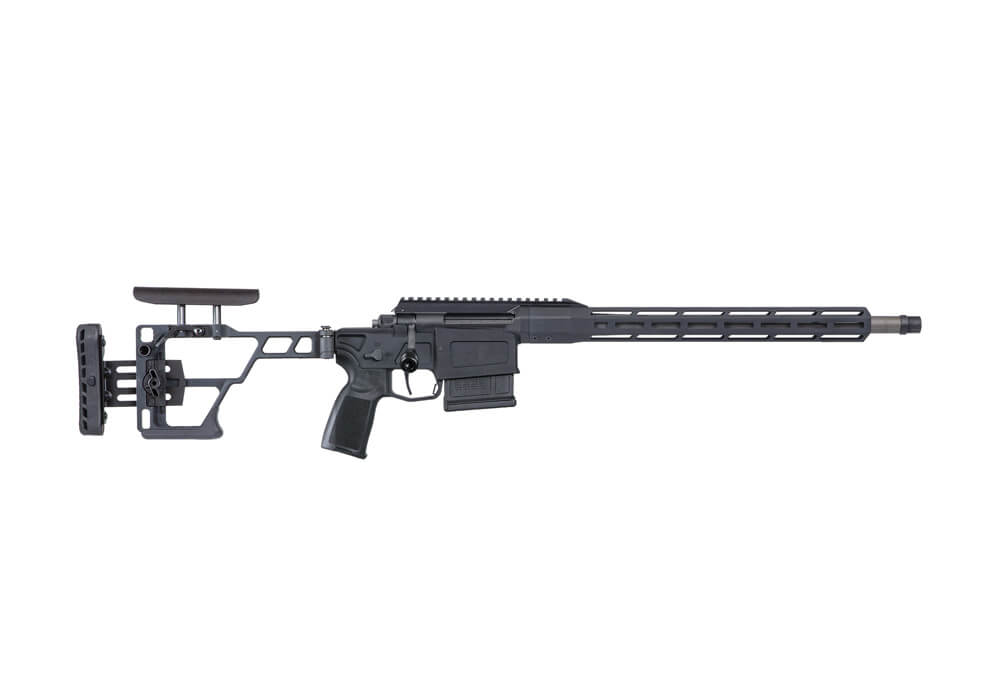
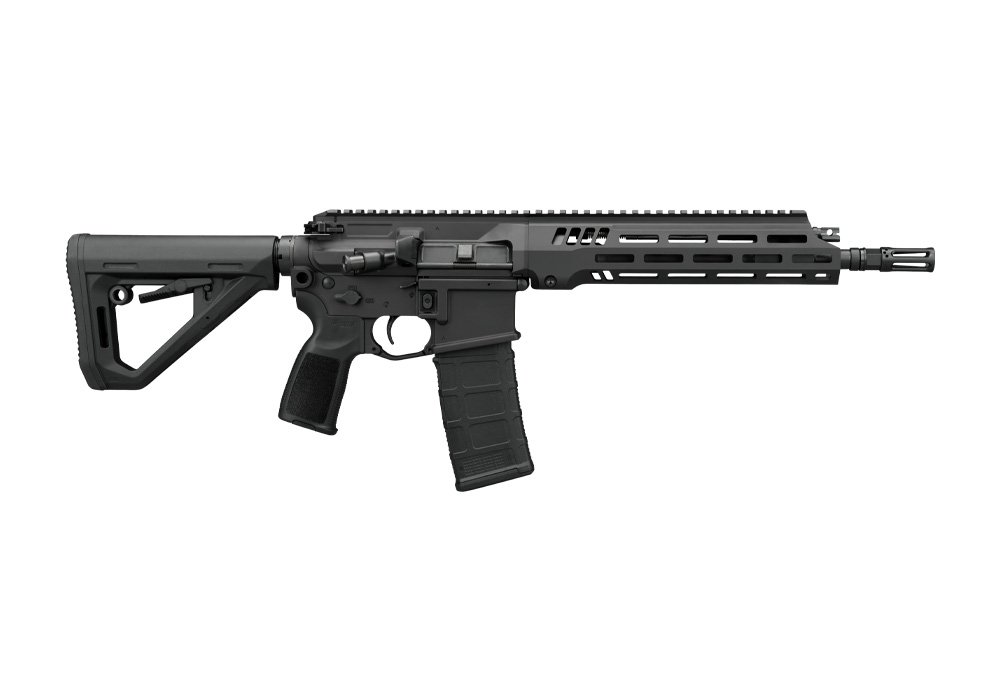
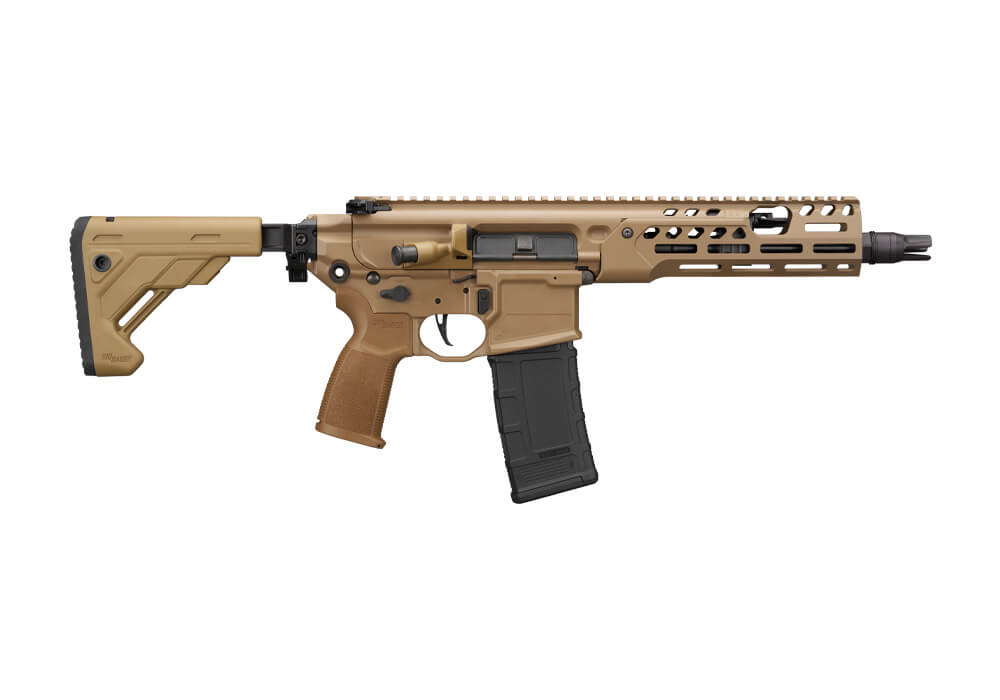
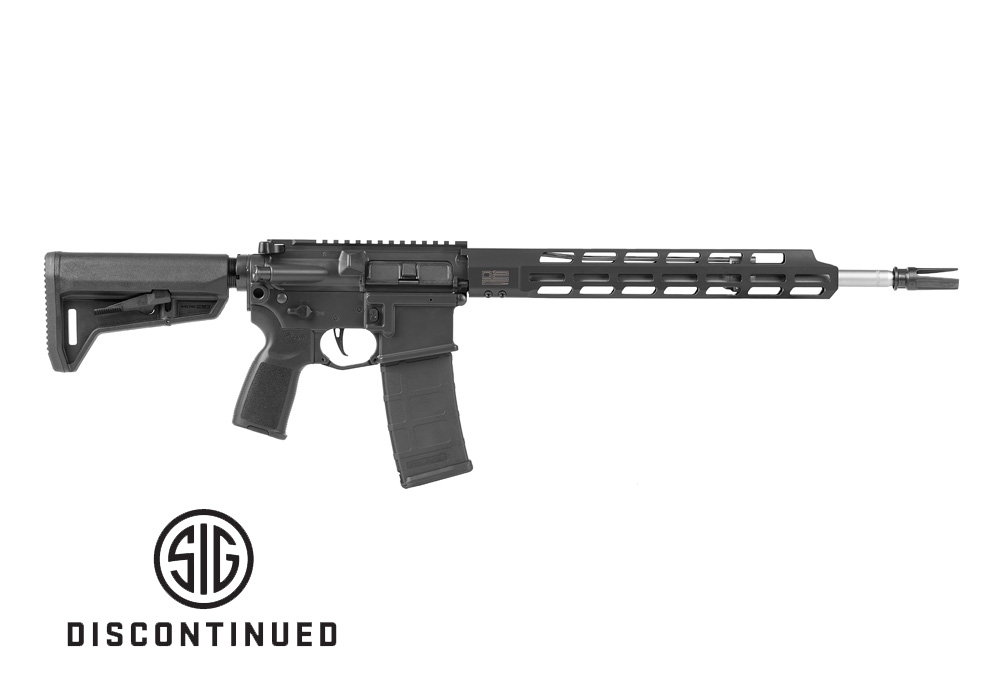
M-LOK rail .300 Blackout rifles combine a recognizable sporting rifle format with a modular handguard design and a chambering that has established its own place among centerfire rifle options. The defining details serve different purposes: .300 Blackout identifies the cartridge, while M-LOK identifies the attachment interface along the handguard. Keeping that distinction clear helps explain why two rifles with similar profiles can still differ in construction, handling, and intended use. The elongated slots associated with an M-LOK interface create a relatively uncluttered exterior, with attachment points positioned along designated surfaces rather than continuous raised rails around the entire handguard. Depending on the design, the upper surface may retain a separate rail profile. For someone comparing rifles for recreational range sessions or lawful sporting use, that combination gives the handguard a distinctive appearance and feel without making every configuration equivalent. Handguard length, exterior shape, receiver dimensions, and shoulder stock design all contribute to how a rifle rests against the body and occupies space in a protective case. A narrow handguard can feel quite different from a broader profile, even when both use the same attachment standard. Surface texture matters, too: pronounced edges, smooth panels, and rounded transitions create noticeably different contact points during ordinary handling. The .300 Blackout chambering also deserves attention beyond its familiar name. Cartridge designation is a specific compatibility requirement, not an indication that similarly shaped ammunition is interchangeable. The complete specifications and markings remain the reference for any individual rifle. Within this category, the most meaningful distinctions are often practical ones: the quality of the finish, the consistency of fitted surfaces, the clarity of controls, and whether the overall dimensions suit the owner’s lawful activities. Those details give M-LOK rail .300 Blackout rifles their character as complete firearms, rather than simply a collection of recognizable features. A clean silhouette may attract initial attention, but proportions, construction, and documented specifications provide a firmer basis for understanding the differences across the category.
Materials and construction influence both the feel of a rifle and the attention it needs over time. Depending on the design, common material combinations include aluminum components, steel barrels and operating parts, and polymer furniture. Each material has a different role, and no single material description tells the whole story. Aluminum handguards can provide a rigid structure without the weight of a comparable steel assembly, while steel remains common in components that encounter substantial mechanical stress. Polymer surfaces can provide texture and shaping options at the shoulder stock and grip. Protective finishes help shield underlying surfaces, but their appearance and resistance to wear depend on the treatment, the base material, and ordinary handling. Contact with a bench, repeated travel in a case, and regular cleaning can leave different signs of use, so durability is better understood as a combination of construction, finish quality, and appropriate care than as an expectation of a permanently untouched surface. Fit deserves similarly close attention. Overall length, weight, grip shape, and the relationship between the shoulder stock and receiver affect how naturally a rifle accommodates an individual adult user. A specification sheet can describe dimensions, but it cannot fully convey the feel of a textured grip or the way a handguard’s contours meet the palm. Comfort during a supervised range session often comes down to those small contact details. Modular attachment terminology also has limits: an M-LOK designation does not establish universal compatibility among every accessory, handguard, and rifle. Manufacturer documentation remains important for understanding approved fit and any restrictions. The same principle applies to cases, locks, and other supporting equipment, whose dimensions and intended applications should match the firearm. These considerations are not separate from the rifle’s design; they are part of what makes ownership practical. A well-fitted case, readable documentation, and accessible care information can matter as much during routine ownership as the visual appeal that first drew attention to the rifle.
Care for an M-LOK rail .300 Blackout rifle centers on preserving its condition while following the manufacturer’s handling, inspection, cleaning, and storage instructions. The open slots and intersecting surfaces of a modular handguard provide places where lint, dust, and residue can collect, while exterior finishes can show fingerprints or marks from handling. Appropriate cleaning materials and finish-compatible products help protect those surfaces without assuming that every coating tolerates the same treatment. Routine inspection also provides an opportunity to notice unusual wear or damage that calls for evaluation by a qualified professional. A rifle that travels regularly to a range may experience repeated contact with case lining, bench surfaces, and transport equipment, making a protective case and thoughtful storage relevant parts of long-term ownership. Secure storage is essential, with access restricted to authorized adults and ammunition secured appropriately in accordance with applicable requirements. For experienced owners, this category may appeal through its combination of a familiar sporting layout, a specific cartridge preference, and the cleaner exterior associated with a slotted handguard. Adult newcomers may also encounter these rifles while exploring lawful recreational shooting, with qualified instruction providing an important foundation for responsible participation. Where a rifle is considered for hunting, suitability depends on the particular firearm, ammunition, game regulations, and local requirements rather than chambering alone. The broader category of Modern Sporting 300 Blackout Rifles provides additional context for this style of firearm, while the M-LOK distinction keeps attention on the handguard interface and its physical design. Across the category, the most enduring qualities are straightforward: sound construction, clearly documented compatibility, comfortable proportions, and surfaces that can be maintained according to the manufacturer’s guidance. Together, those details shape a rifle’s place in an owner’s sporting routine far more meaningfully than appearance alone.