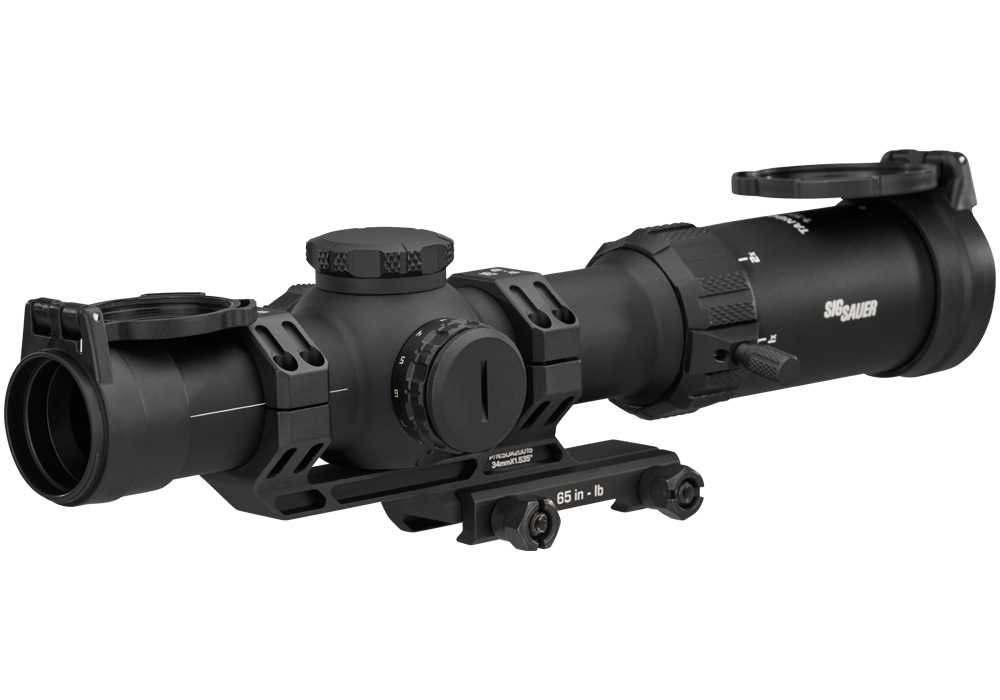
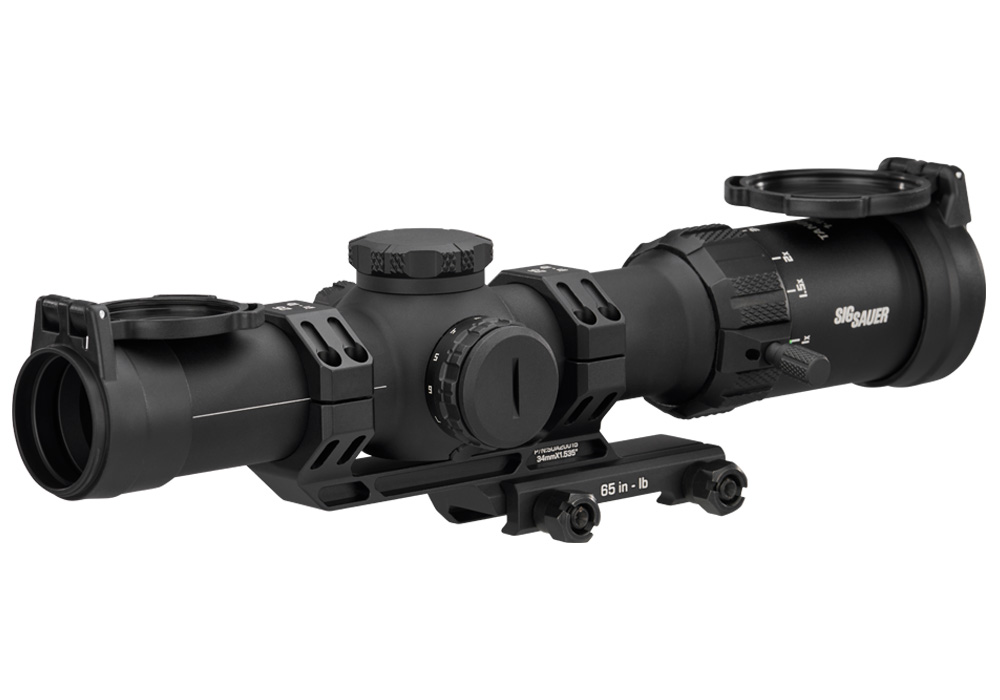
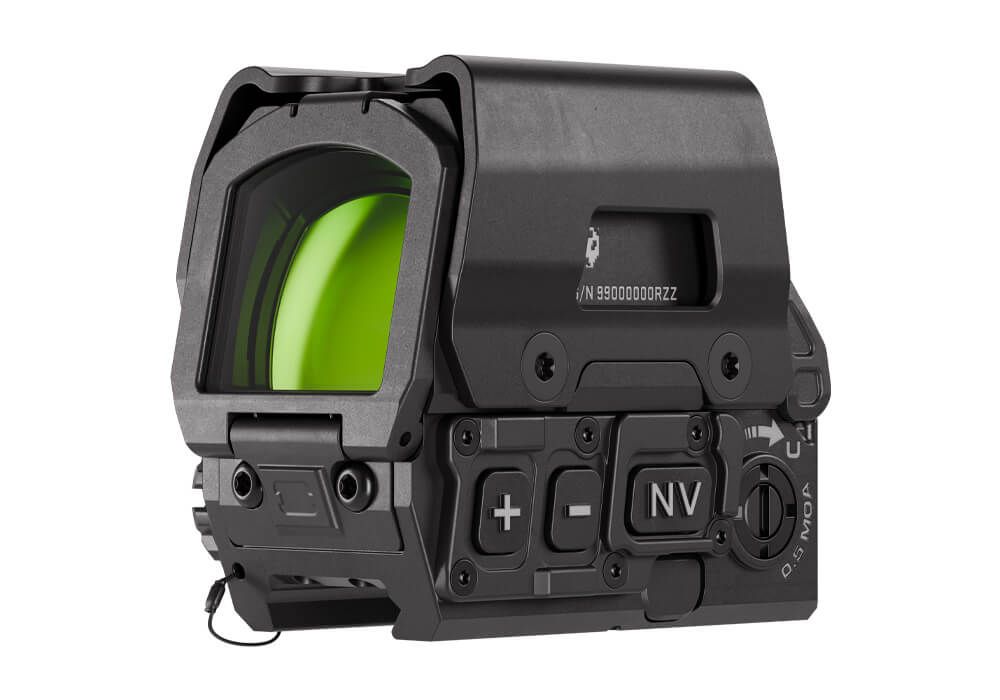
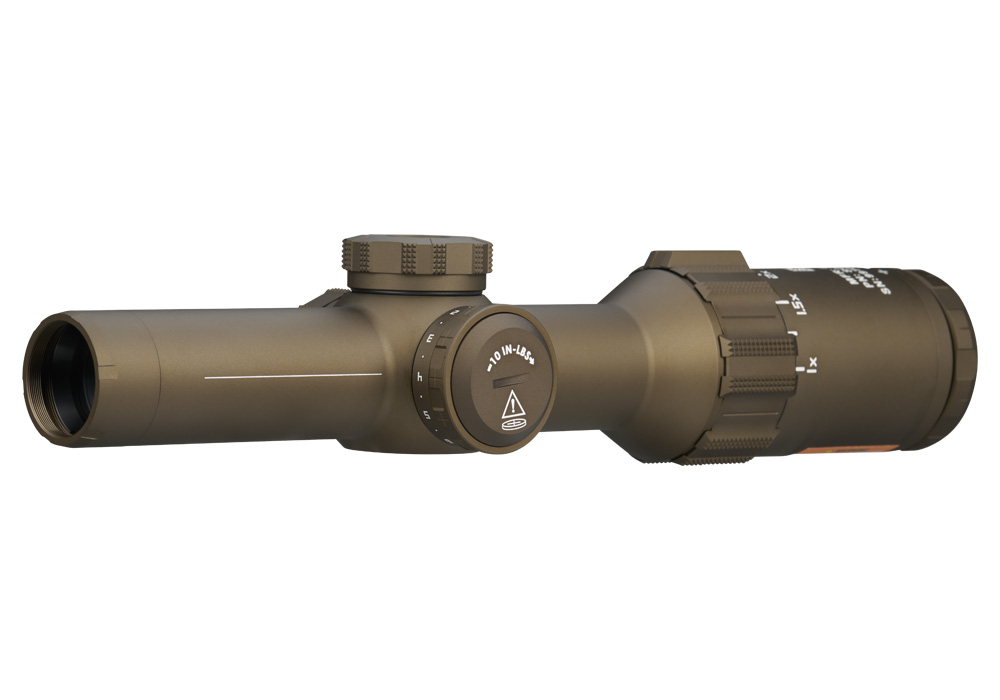
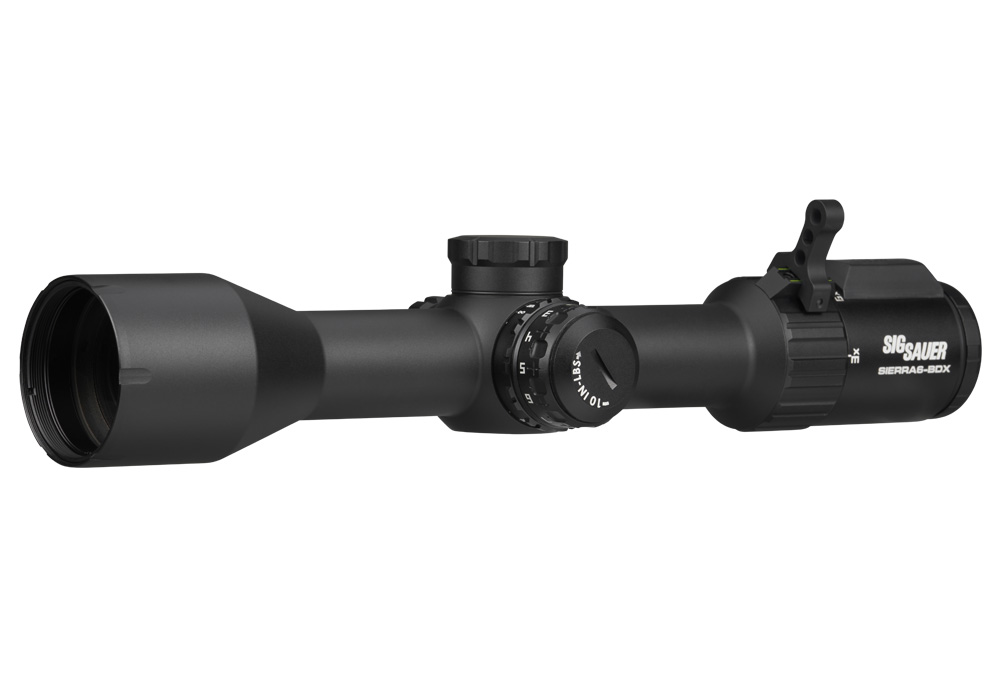
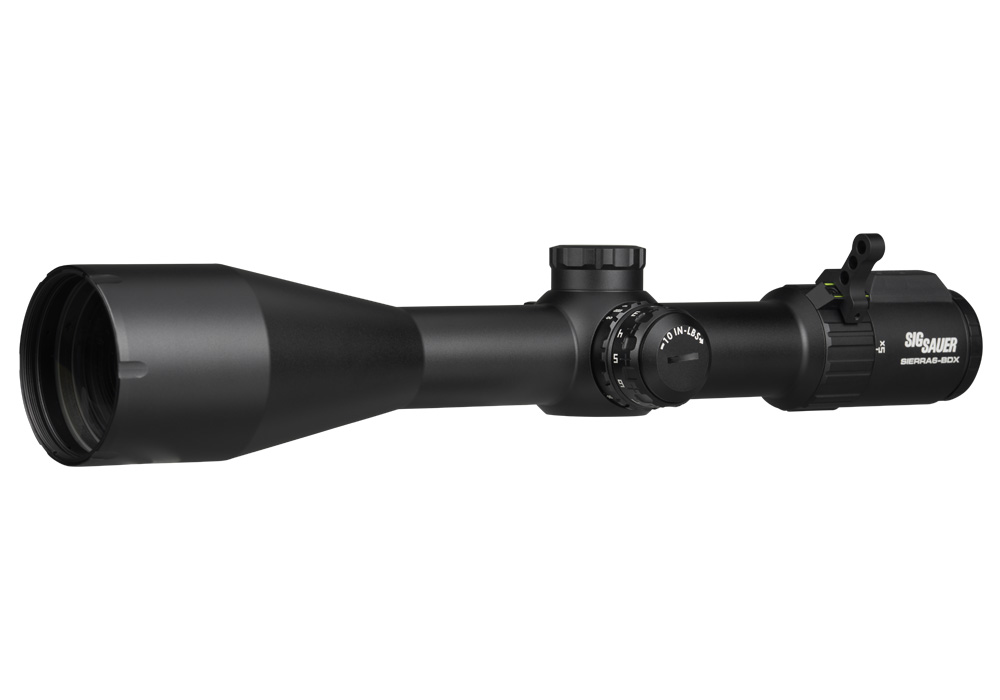
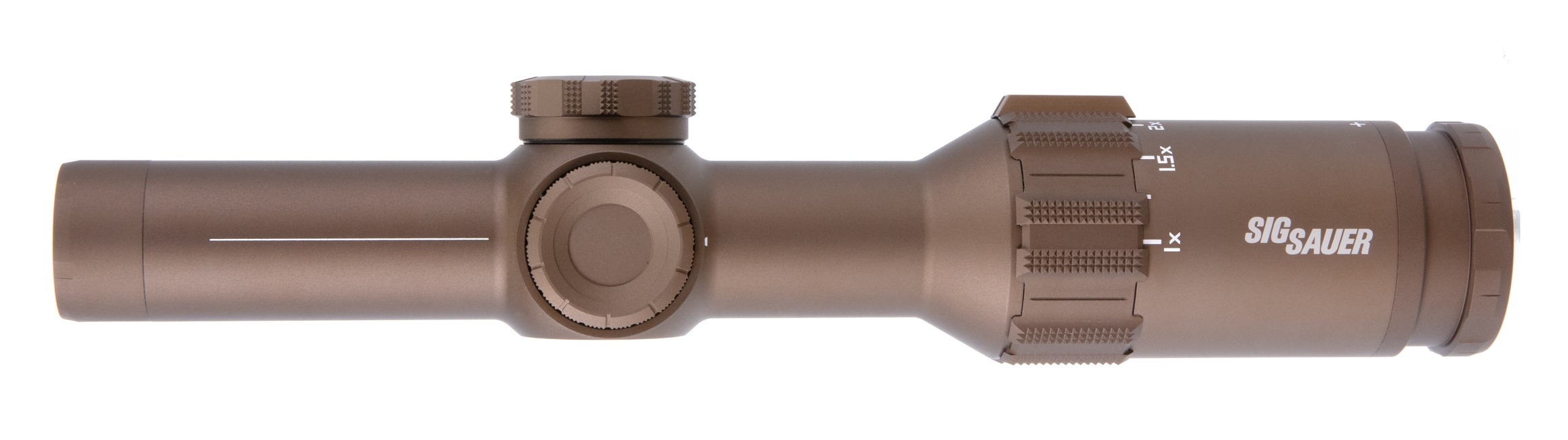
Multi Coated Lens Scopes are designed to help shooters see a brighter, clearer image through the optic by using specialized anti-reflective layers on the glass surfaces. Each layer helps reduce glare and limit the reflections that can wash out detail in bright conditions, while allowing more available light to reach the eye. The result is a sight picture with improved brightness, contrast, and color definition across a broad range of outdoor settings. Fully multi-coated scopes extend this treatment across every air-to-glass surface, which can further support light transmission and image quality throughout the optical system. These features are especially useful during the low-angle light of early morning and late afternoon, when a target or distant feature may blend into a shadowed background. In a wooded hunting area, for example, the difference can appear as finer detail along a ridge line, clearer separation between branches, or a more distinct view of an animal moving through uneven cover. In open terrain, coatings can help control harsh reflections from snow, pale grass, or sunlit rock. Multi-coated optics are also well suited to range use, where consistent contrast helps shooters evaluate targets, read aiming references, and observe impacts without repeatedly shifting between the scope and the surrounding scene. A clear image still depends on proper focus, sound mounting, and steady technique, but quality lens coatings provide an important foundation for getting the most from an optic.
Choosing among Multi Coated Lens Scopes starts with the way the scope will be used. Magnification is one of the first considerations: lower settings provide a wider field of view for nearby targets and moving game, while higher settings can help with detailed observation at greater distances. A versatile variable-power scope may suit someone who moves between timber, fields, and open hills, whereas a fixed-power optic can offer a straightforward setup with fewer adjustments. Objective lens size also affects the balance between light gathering, overall weight, and mounting height. A larger objective may support a brighter image in dim conditions, yet it can require taller rings and add bulk to a rifle. Eye relief deserves equal attention, particularly on platforms with noticeable recoil; sufficient distance between the eye and the ocular lens helps support a comfortable and consistent shooting position. Look for a reticle that fits the environment and the type of shooting involved. A simple reticle can be quick to acquire against a clean background, while additional aiming references may assist with holdovers or changing distances. Parallax adjustment, turret style, travel range, and the ease of reading controls also matter for target shooters and hunters who spend time refining a zero. Before choosing, confirm that the scope’s tube diameter, mounting system, and adjustment direction align with the rest of the setup. A careful fit reduces frustration at the range and helps preserve a repeatable sight picture when moving between practice and field use.
Durability and handling become particularly important as cooler weather arrives and outdoor conditions grow less predictable. An optic may encounter damp brush, blowing dust, condensation, or the repeated temperature changes that occur when moving from a warm vehicle into cold air. Sealed construction and dependable weather resistance can help protect the internal components, while a scratch-resistant exterior lens treatment helps maintain clarity through regular field use. For environments where fogging is a recurring concern, browse Fogproof Scopes for optics intended to support a clear view when warm and cold air meet. Lens caps, a soft cleaning cloth, and a small amount of approved optical cleaner are useful additions; grit should be brushed away before wiping so it does not mark the glass. These scopes can be a thoughtful gift for a hunter preparing for a new season, a range enthusiast refining a rifle setup, or a family member entering precision shooting and learning the value of a steady, well-focused sight picture. They also offer practical value for experienced users who want to update an older optic or select a second scope for a different rifle. During the cooler months, a little preparation goes a long way: verify the mount, confirm the zero in the clothing and conditions you expect to encounter, inspect the seals and controls, and practice adjusting magnification without losing position. Used with safe handling, an appropriate firearm, and careful attention to local laws and range rules, a multi-coated scope can provide dependable visual support from the first daylight over a frosted field through the final usable light along a wooded hillside.