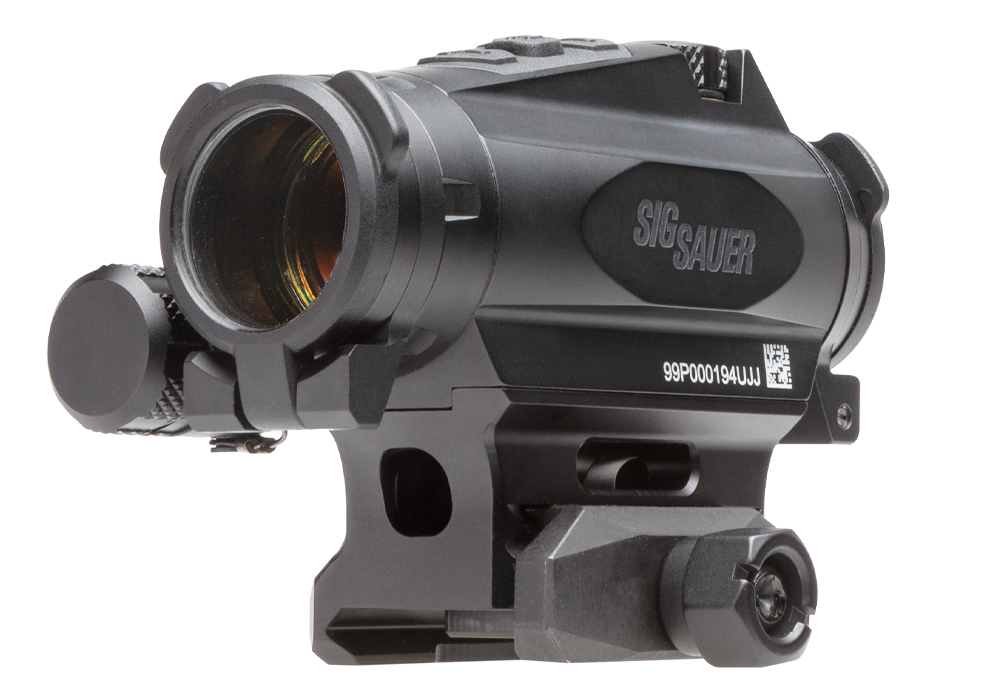
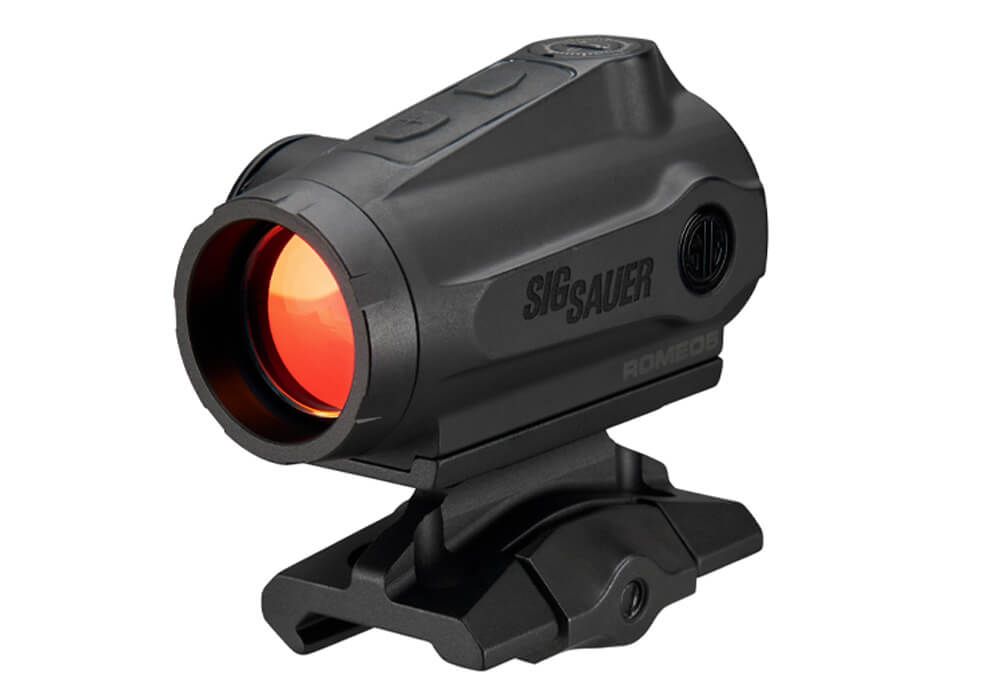
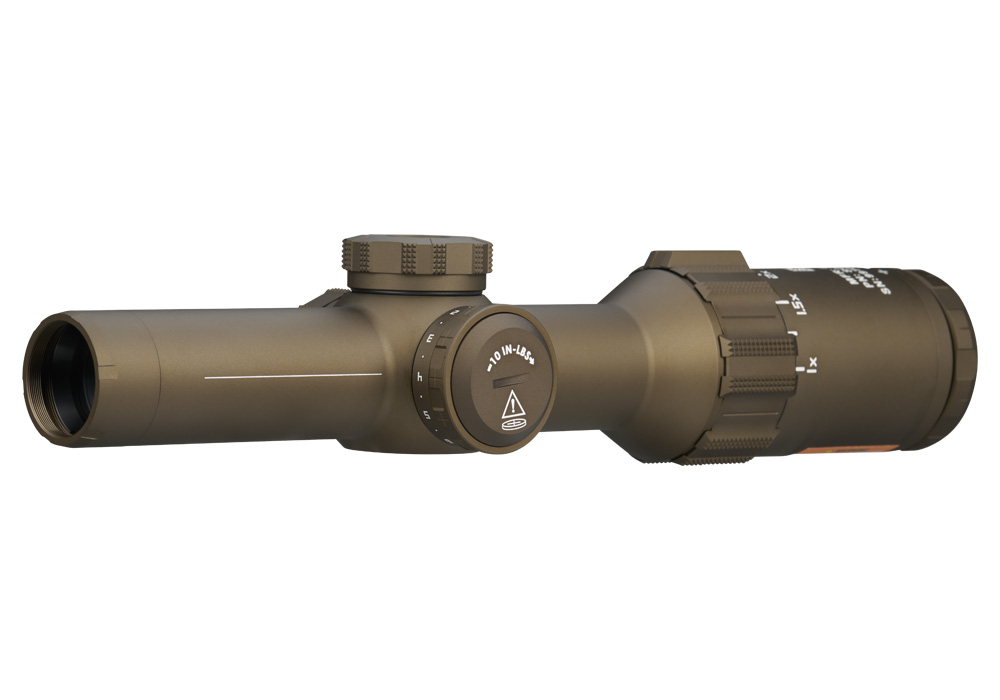
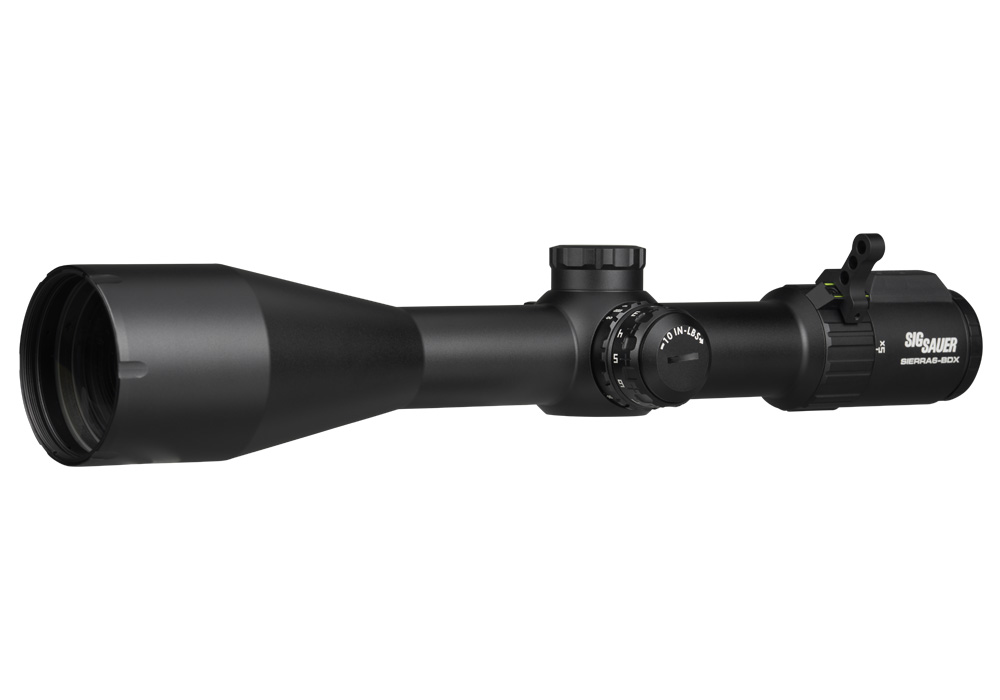
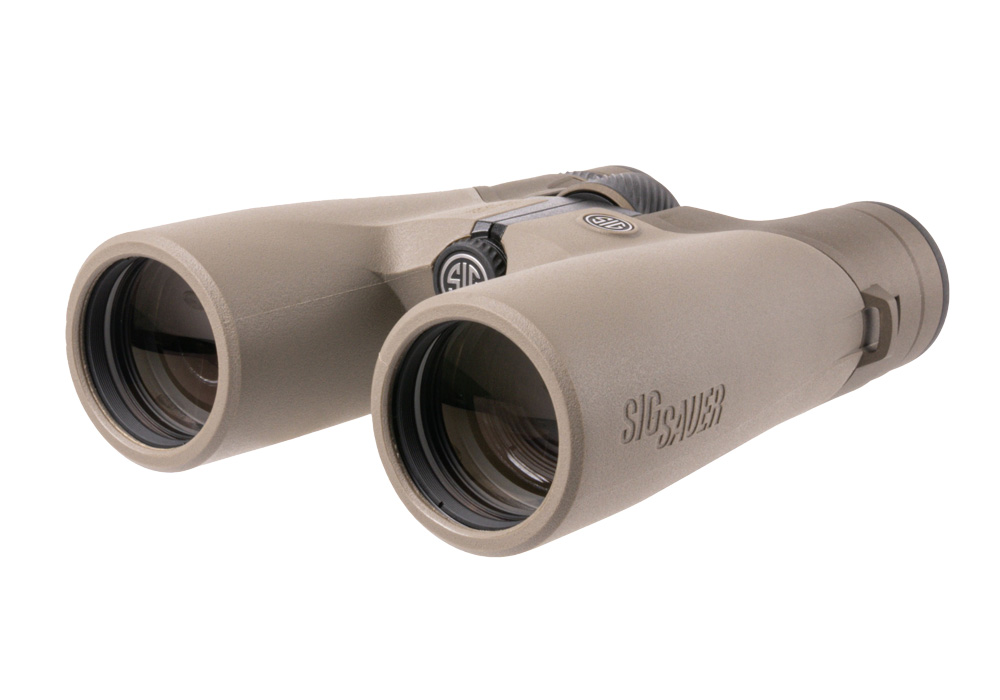
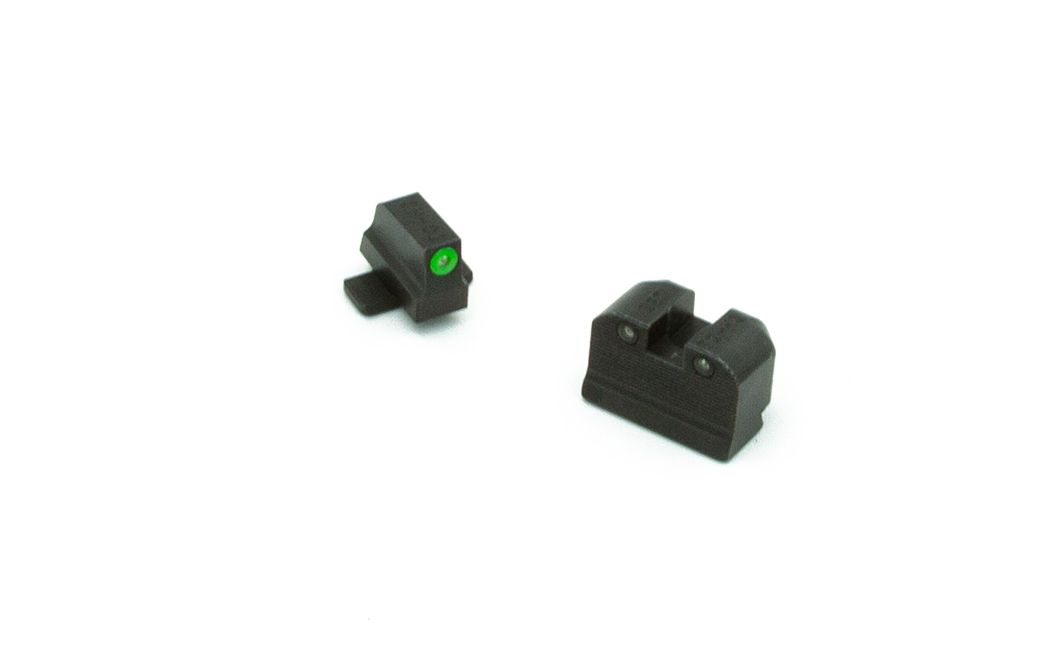
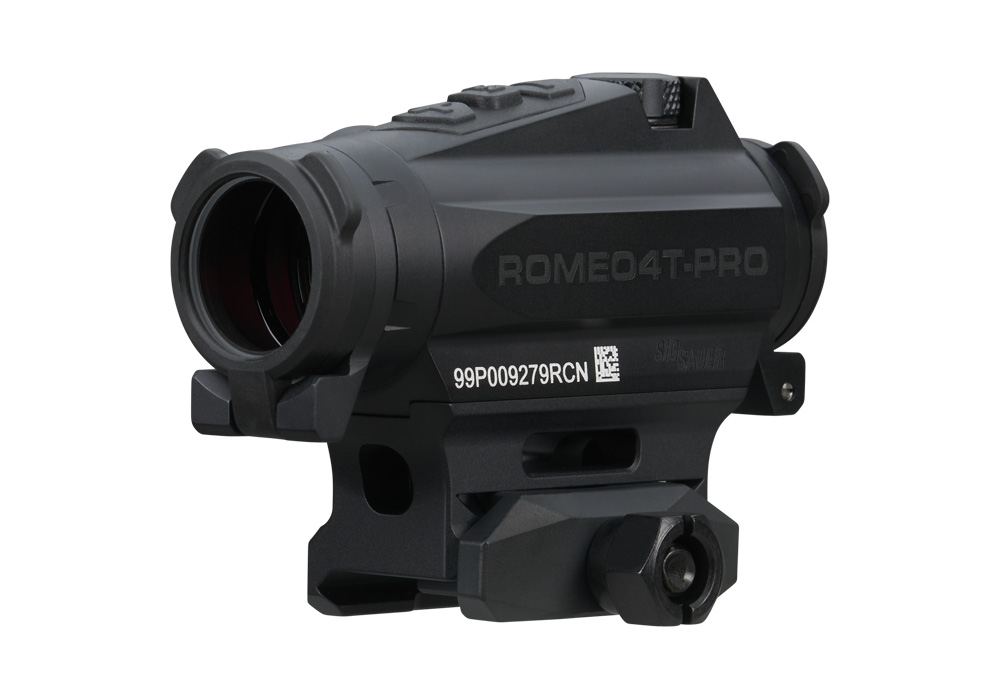
Next Gen Optics brings together modern aiming and observation technologies designed to help shooters see more clearly, acquire a sight picture efficiently, and adapt to changing conditions. This category can include compact electronic sights, enclosed-emitter designs, low-power variable scopes, digital day-and-night optics, and advanced systems that combine a traditional glass view with electronic information. Some models use illuminated reticles or red-dot aiming points for a fast, unobstructed sight picture, while others offer magnification for identifying details at greater distances. More advanced systems may integrate a laser rangefinder, ballistic calculator, environmental sensors, and a digital display overlay, giving the user useful information without requiring a separate handheld device. A key feature of many next-generation designs is layered functionality: electronic aiming assistance can support speed and precision, while a clear optical path provides a familiar viewing method and a dependable reference if power is unavailable. Rather than treating technology as a substitute for fundamentals, these optics are intended to complement sound sight alignment, steady shooting technique, careful target identification, and responsible firearm handling. Their value often becomes especially clear when lighting changes quickly, a target is partially obscured by natural surroundings, or the shooter needs to transition between a broad field of view and greater magnification.
Choosing the right optic starts with considering the firearm, intended distance, environment, and the type of shooting experience a user prefers. A compact red-dot-style sight may suit a lightweight platform, close-range practice, home-defense setup where lawful, or a shooter who values a wide field of view and rapid aiming. An enclosed design can provide additional protection for the emitter and internal components when dust, rain, brush, or heavy recoil are part of the environment. A low-power variable optic can offer a useful balance between speed at lower magnification and detail at higher magnification, making it a practical choice for range sessions, field use, and recreational rifle shooting across varied distances. Digital night-vision and thermal-style technologies can extend observation into low-light conditions, but shoppers should review local laws, mounting requirements, battery performance, image quality, controls, and the intended use before selecting one. Reticle style also deserves attention: a simple aiming point may feel fast and uncluttered, while a more detailed reticle can support holdovers and distance-based corrections. Buyers should compare tube or footprint compatibility, mounting height, eye relief, adjustment range, illumination controls, water and impact resistance, and the availability of replacement batteries or accessories. Weight matters as well; an optic that seems comfortable on a bench may feel noticeably different after hours of carrying a rifle through woodland or open terrain during the cooler months. For gift-givers, an optic can be a thoughtful choice for a responsible adult who already owns compatible equipment, particularly when the recipient enjoys range practice, varmint control where permitted, hunting, competition, or outdoor observation. Because fit and mounting standards vary, confirming compatibility or selecting a gift card may be wiser than guessing at a specific configuration.
Next Gen Optics also reflects a broader shift toward sights that connect optical clarity with useful digital assistance. Integrated ranging can help estimate distance, while a ballistic calculator may use ammunition information, sight height, environmental readings, and other inputs to suggest an aiming correction. Atmospheric sensors can account for conditions that influence a projectile’s path, and a heads-up display can keep selected information within the viewing area rather than sending the shooter back and forth between the optic and a separate device. These features can be valuable for experienced users who understand their limitations and verify settings through careful practice. Electronic functions should always be tested with the chosen ammunition and firearm, and no digital solution should replace confirmation of the target, a safe backstop, or adherence to applicable laws and range rules. Buyers who want to compare broader configurations can also explore Advanced Optics for additional context on sight types, magnification ranges, mounting considerations, and feature sets. As weather shifts from crisp daylight to overcast afternoons and earlier darkness, dependable controls, clear glass, useful illumination, and sensible power management become increasingly important. Whether the goal is a quick sight picture, more confidence at distance, improved low-light observation, or a versatile setup that can serve across several seasons, the strongest choice is the one that fits the firearm, supports the user’s experience level, and remains intuitive when conditions are less than ideal.