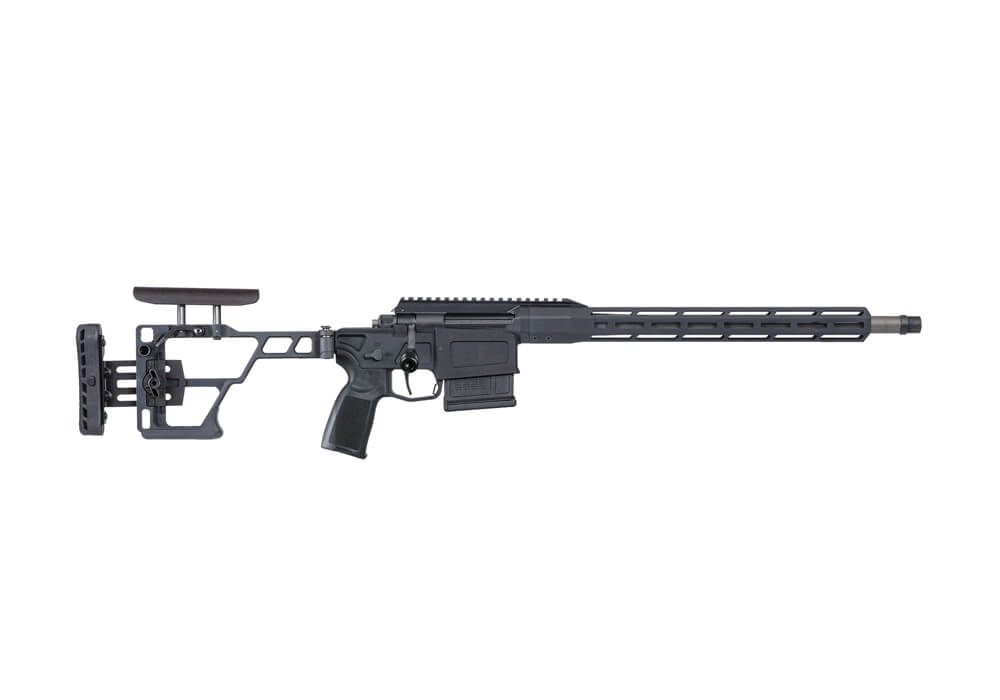
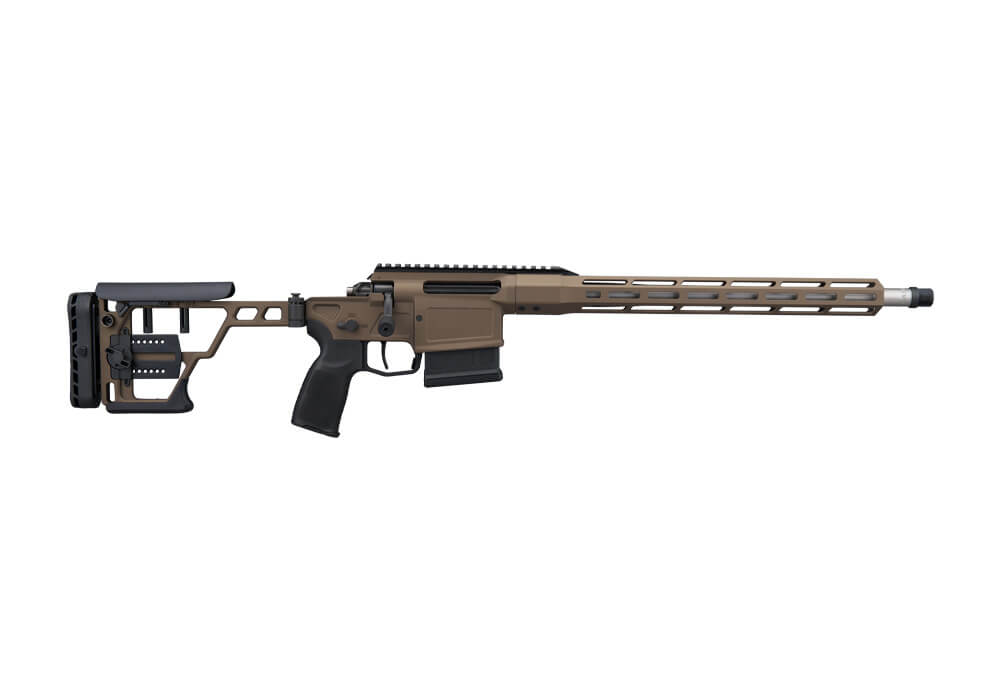
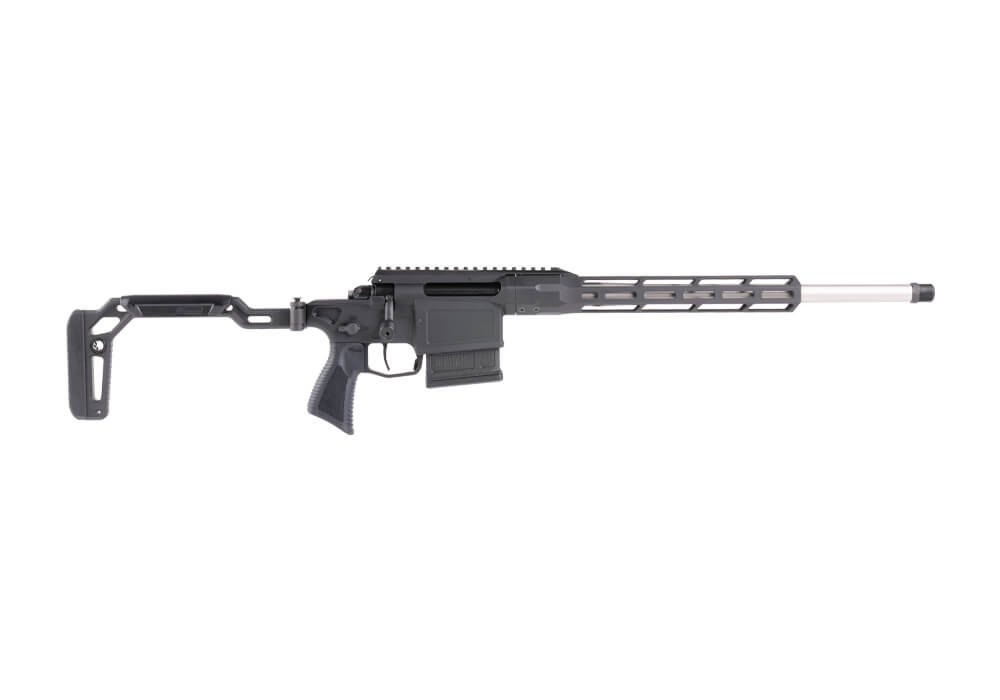
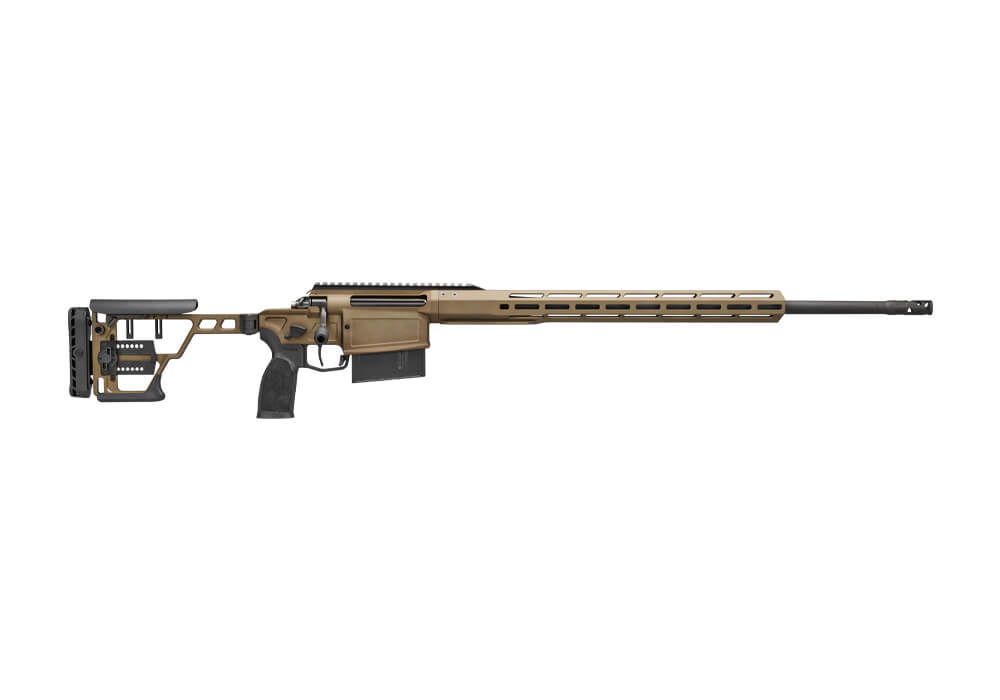
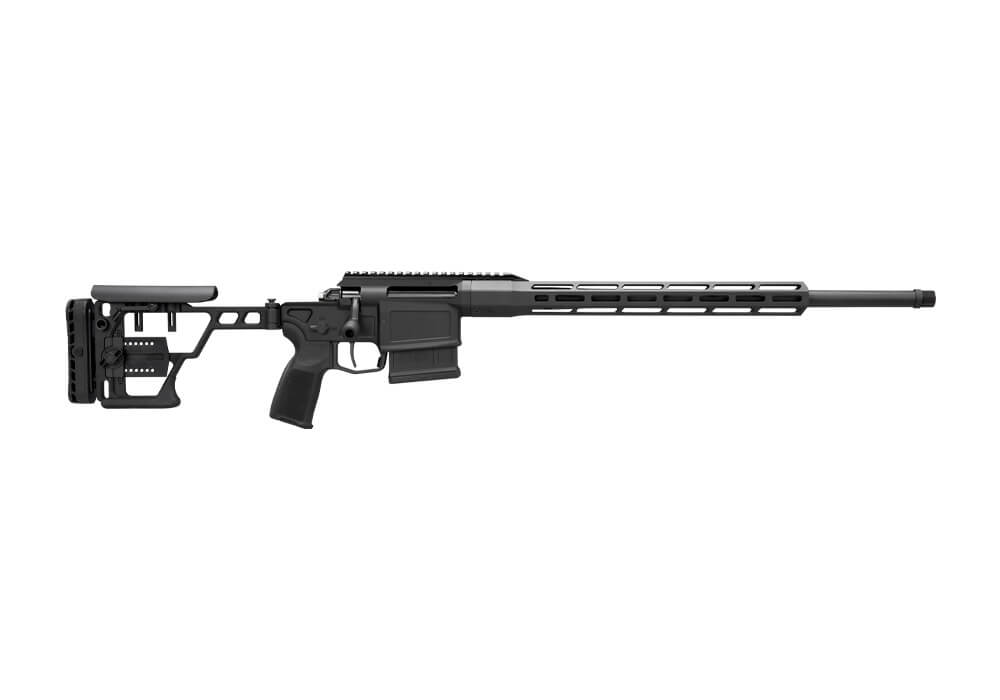
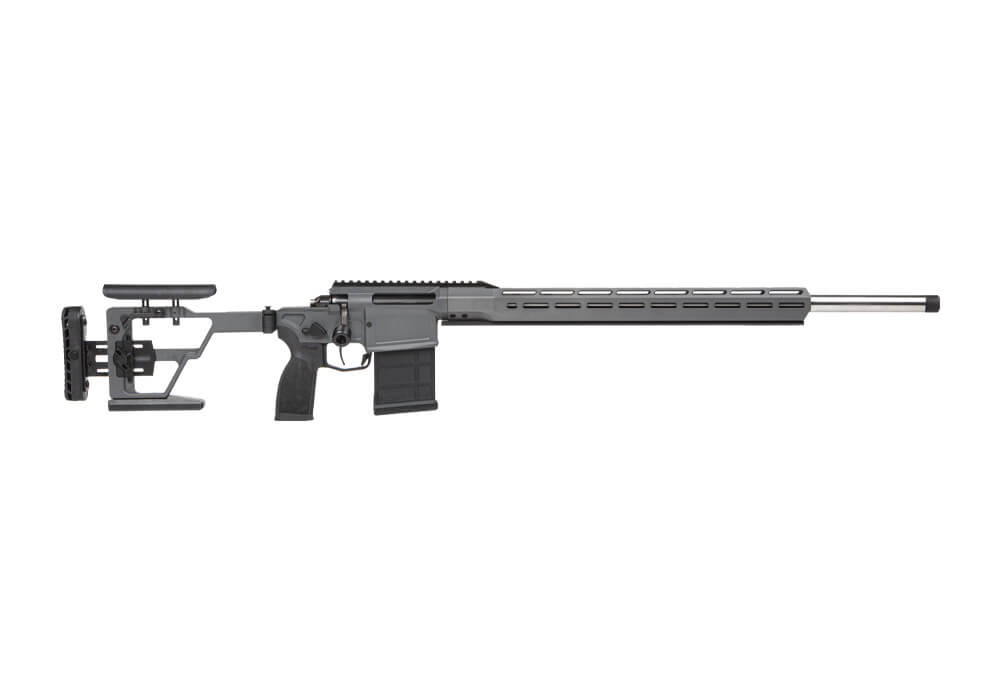
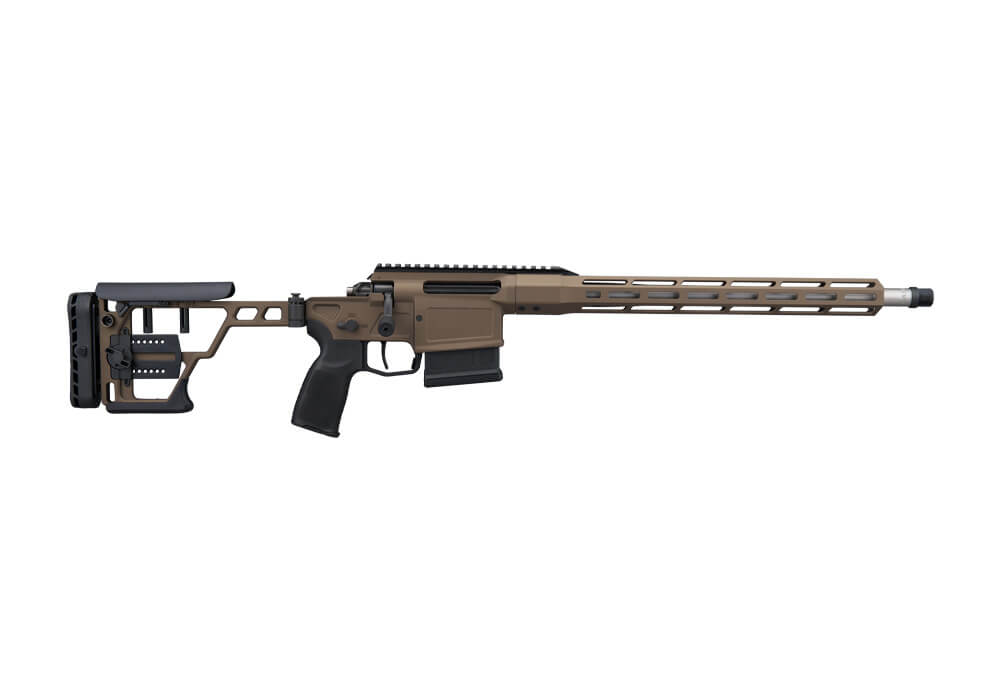
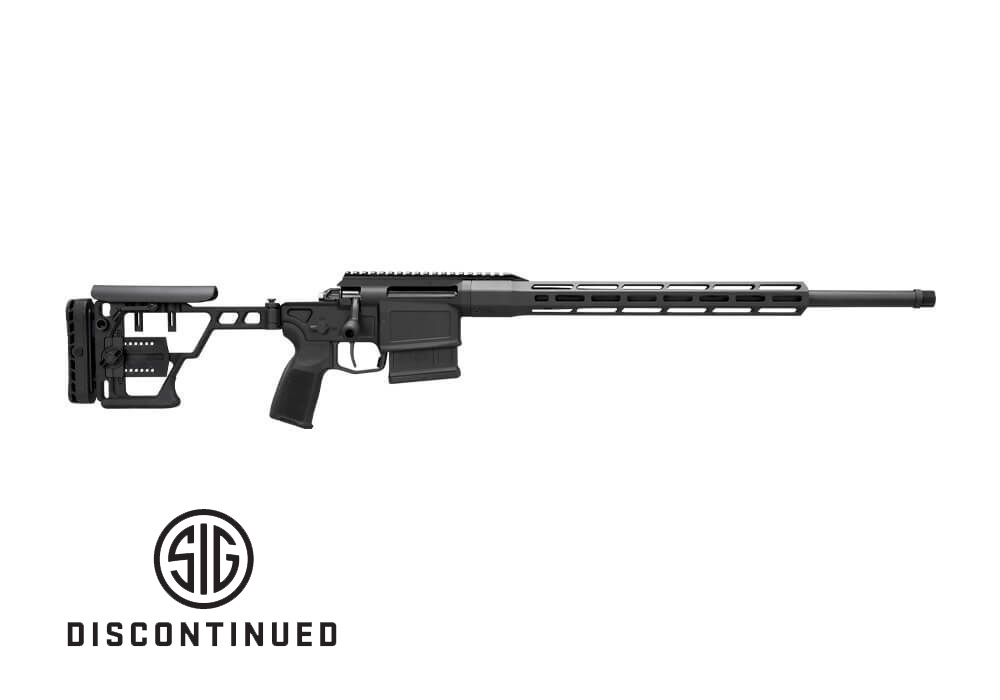
NRL Hunter rifles are built around a practical idea: field precision should remain useful when the shooting position is improvised, the terrain is uneven, and the distance to a target is not known in advance. This category appeals to hunters, precision rifle competitors, and outdoorsmen who want a rifle that carries comfortably without giving up the stability, accuracy, or adjustability needed for deliberate shots. Rather than being limited to a bench or fixed firing line, these rifles are suited to the realities of hunting country—walking ridgelines, setting up near a cutover, working from a pack, or settling behind a natural rest while the wind moves across an open slope. When choosing an NRL Hunter rifle, consider the balance between overall weight, stock design, barrel length, chambering, and the type of terrain where it will be used. A lighter setup may be easier to carry through timber and steep country, while a more substantial configuration can offer additional steadiness during extended strings of fire. Ergonomic details also matter in the field. An adjustable cheek rest can help create a consistent sight picture, while a stock with a comfortable grip and useful fore-end shape can make positional shooting feel more natural. A rifle that fits the shooter encourages better fundamentals, especially when the shot requires a low kneeling position, a supported sitting position, or a hurried transition from movement to a stable rest. Buyers should also confirm local regulations, permitted hunting methods, and any competition requirements before selecting a rifle or planning a trip.
Field precision depends on more than the rifle alone. A dependable optic, properly fitted rings or mounts, and a support system suited to the terrain all contribute to a setup that performs consistently. Shooters comparing configurations should pay attention to how the rifle and optic balance together, since a scope that is excessively heavy or mounted too high can affect handling and cheek contact. Magnification range is another practical consideration. Lower settings can provide a broader view when locating game or engaging at closer distances, while additional magnification may help with careful aiming across open country. Turret design, reticle layout, parallax adjustment, and clear, repeatable dialing are valuable features for hunters who may need to compensate for changing distance or elevation. For a closer look at optic considerations within this discipline, explore NRL Hunter Riflescopes for Fast Dialing. Ammunition selection should be approached with the same care. Use a load appropriate for the chambering and intended game, then confirm its performance from the rifle rather than relying solely on published expectations. Before heading into the field, fire enough rounds to verify zero, understand point-of-impact changes at practical distances, and become familiar with the rifle’s controls. Recording this information in a range notebook can be especially helpful when cooler weather, heavier clothing, or a different shooting position changes the way the rifle feels. A compact pack, stable bipod or tripod-compatible support, rear bag, weather protection, and a simple method for carrying spare ammunition can make the entire system more useful without turning it into unnecessary bulk.
These rifles can be a meaningful choice for an experienced hunter, a competitive shooter moving into practical field matches, or a responsible outdoorsman developing a more disciplined approach to long-range marksmanship. They may also suit a gift for someone who already spends time at the range or in the backcountry, provided the recipient’s preferences, local laws, and safe-storage arrangements are understood before purchase. Because fit and chambering are personal decisions, gift buyers may prefer to pair the rifle with training, a professional fitting session, or a secure storage solution rather than guessing at every accessory. New owners should dedicate time to learning the rifle before taking it hunting or entering a match. Dry practice with an unloaded firearm can build familiarity with the safety, bolt manipulation, sling, and shooting positions, while supervised live-fire practice helps confirm zero and reinforce safe habits. Always keep the muzzle pointed in a safe direction, keep the action open when appropriate, treat every firearm as loaded, and use eye and ear protection at the range. During the cooler months, changing temperatures, wind, rain, and frost can affect equipment and comfort, so inspect the rifle, optic, fasteners, and ammunition before each outing. Wipe away moisture, protect the bore and action from debris, and transport the firearm unloaded and secured in accordance with applicable law. The best NRL Hunter rifle is one that the shooter can carry confidently, operate safely, and place accurately from realistic field positions. With thoughtful configuration and consistent practice, it becomes a dependable tool for making careful, ethical decisions in the varied conditions where field precision matters most.