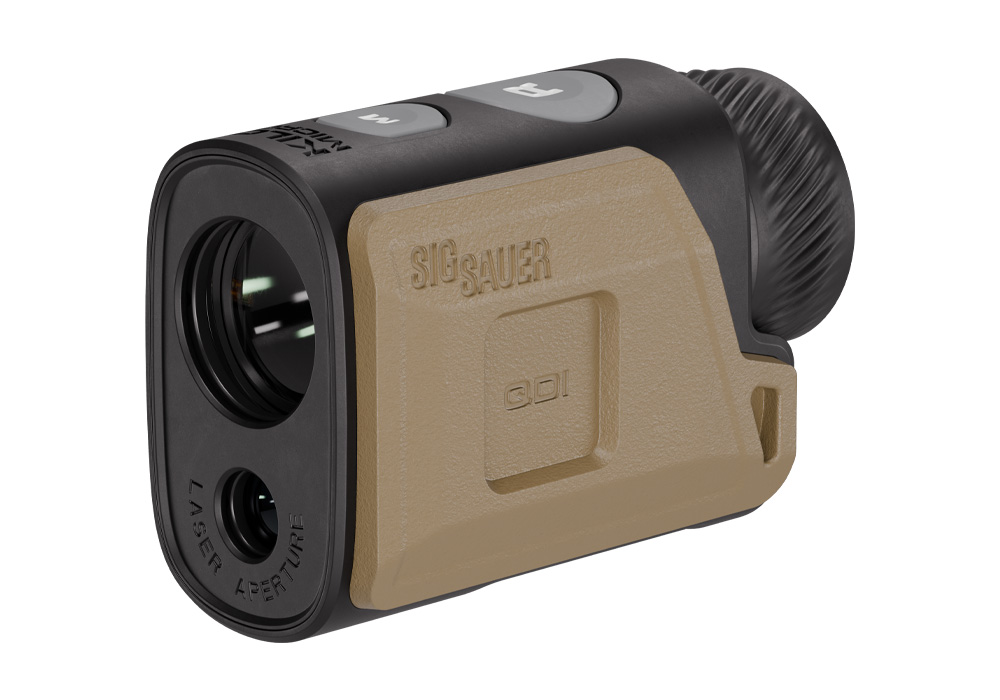
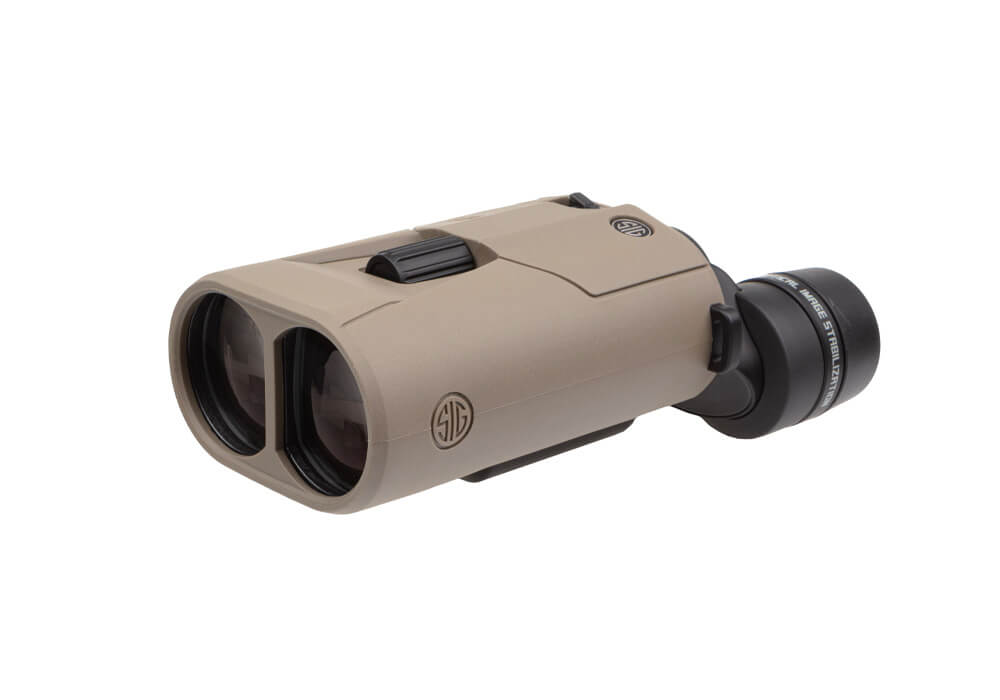
NRL Hunter rangefinding binoculars bring two essential field tasks together in one coordinated optic: identifying a distant feature through a clear binocular view and measuring its range with an integrated laser rangefinder. For hunters and competitors who spend long hours glassing ridgelines, timber edges, open basins, and broken terrain, that combination can simplify the gear carried into the field while keeping important information available at a glance. Instead of lowering binoculars, reaching for a separate rangefinder, and trying to relocate the same animal or landmark, the user can observe and range from a familiar viewing position. This streamlined process is especially useful in NRL Hunter-style scenarios, where route planning, target identification, positional shooting, and responsible decision-making all depend on understanding distance and terrain. A good pair of rangefinding binoculars should provide a natural, comfortable image before the ranging function is ever used. Pay attention to optical clarity, brightness in changing light, field of view, focus controls, eye relief, and the ease of adjusting the interpupillary distance. Those details matter when scanning a shadowed slope at first light, following movement across a sunlit clearing, or studying a far-off rock face while the weather shifts around you. The rangefinder should also be intuitive to operate without forcing the user to lose sight of the area being observed. Readable display information, practical controls, and a ranging process that does not require excessive movement can make a noticeable difference when a pack is on, gloves are covering the hands, or time at a stable observation point is limited. Rangefinding performance depends on conditions and the target itself, so readings should be treated as useful field data rather than a substitute for sound judgment. Brush, rain, fog, heat shimmer, steep angles, and low-contrast surfaces can affect results, while larger or more reflective objects may return a signal more readily than small, dark, or partially concealed targets. For that reason, many users range a nearby landmark, the intended point of impact, and the surrounding terrain before a shot is considered. Familiarity with the optic’s modes, display settings, angle information, and battery requirements can be developed at home or at a safe practice area before heading into the backcountry.
Selecting the right NRL Hunter rangefinding binoculars begins with matching the optic to the way it will be carried and used. A hunter who spends most of the day hiking steep country may prioritize manageable size, balanced weight, comfortable harness carry, and controls that are easy to reach without removing the binoculars from the chest. Someone preparing for a structured field match may place greater emphasis on rapid ranging, consistent readings, a clear display, and the ability to move between observation and firing positions without unnecessary gear changes. Hunters who glass from a blind, vehicle, or fixed ridge may be more flexible about weight and may appreciate a larger objective lens or additional low-light performance, while users who cover miles on foot often value a compact setup that remains comfortable during long climbs. Weather resistance is another important consideration. Early fall can bring dry dust and bright glare, while cooler months may introduce frost, damp vegetation, wind-driven rain, or sudden temperature changes that test every piece of equipment. Sealed construction, dependable controls, and a protective exterior can help an optic remain useful when the landscape is less forgiving, but proper care still matters. Keep lenses covered when the binoculars are not in use, wipe away moisture with appropriate lens-cleaning materials, and allow the optic to acclimate gradually when moving between a warm vehicle and cold outdoor air. Battery access deserves attention as well. Store spare batteries according to the manufacturer’s guidance, check the compartment seal, and confirm operation before leaving for a hunt or competition. It is also worth considering whether the display is comfortable to read against dark timber, pale grass, or a bright snow-covered slope. A setting that works in deep shade may not be ideal in direct sun, and the ability to adjust brightness can help preserve a natural view through changing conditions. Anyone building a complete NRL Hunter setup can pair this category with a purpose-built NRL Hunter Rifles for Field Precision selection, along with a stable support system, quality ammunition, a protective case, and a field notebook for recording confirmed distances and observations.
These binoculars can be a practical gift for an experienced hunter, a competitor refining a field kit, or an outdoorsperson who appreciates equipment that replaces several separate steps with one well-organized tool. They are also a thoughtful choice for someone preparing for a first western hunt, provided the recipient’s preferred magnification, carry style, and comfort requirements are understood before purchase. In the field, the value is found in small moments: pausing beneath a cold gray sky to measure the far side of a drainage, checking a saddle before committing to a route, or using a distant fence line and rocky outcrop to build a clear mental picture of the country ahead. Rangefinding binoculars support that process by helping the user connect what is seen through the glass with the actual distances across the landscape. They can assist with judging a legal shooting opportunity, confirming a safe backstop, planning a stalk, and understanding how terrain changes the relationship between the shooter and the target. They should always be used alongside local hunting regulations, safe firearm-handling practices, and a deliberate assessment of the target and what lies beyond it. Before relying on any optic for a hunt or NRL Hunter match, spend time learning its controls in realistic light and weather, practice ranging objects at known distances, and confirm that the binoculars remain comfortable after extended use. The best setup is one that feels familiar when the pack is full, the wind is moving across the ridge, and the last useful light is fading from the basin. With the right combination of optical performance, ranging capability, durability, and carry comfort, NRL Hunter rangefinding binoculars can become a dependable part of a field system built for careful observation, efficient preparation, and confident decision-making during the cooler months.