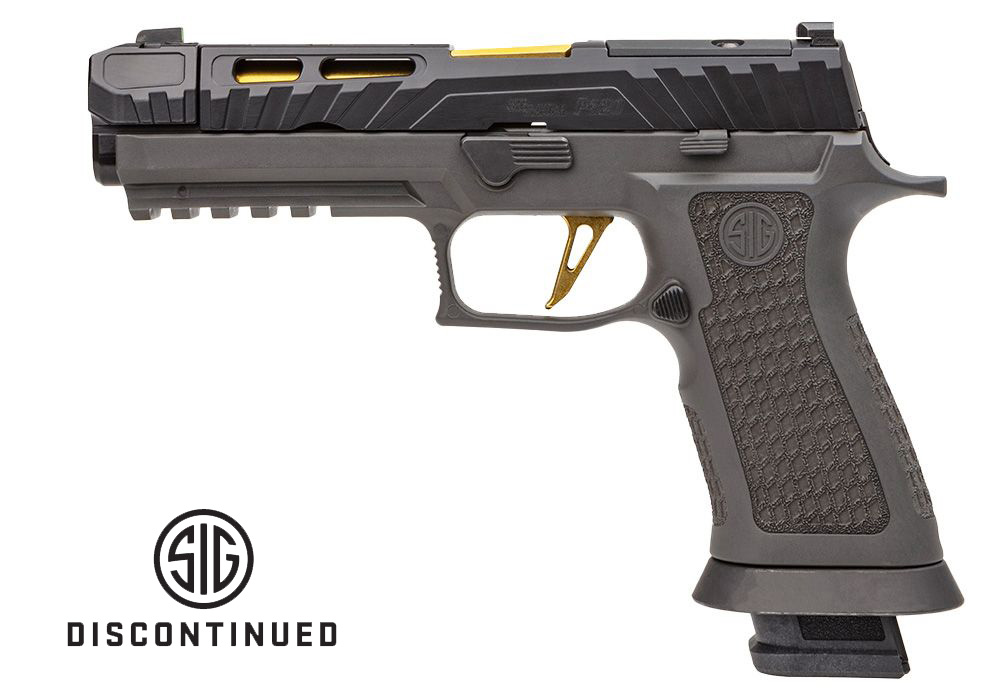
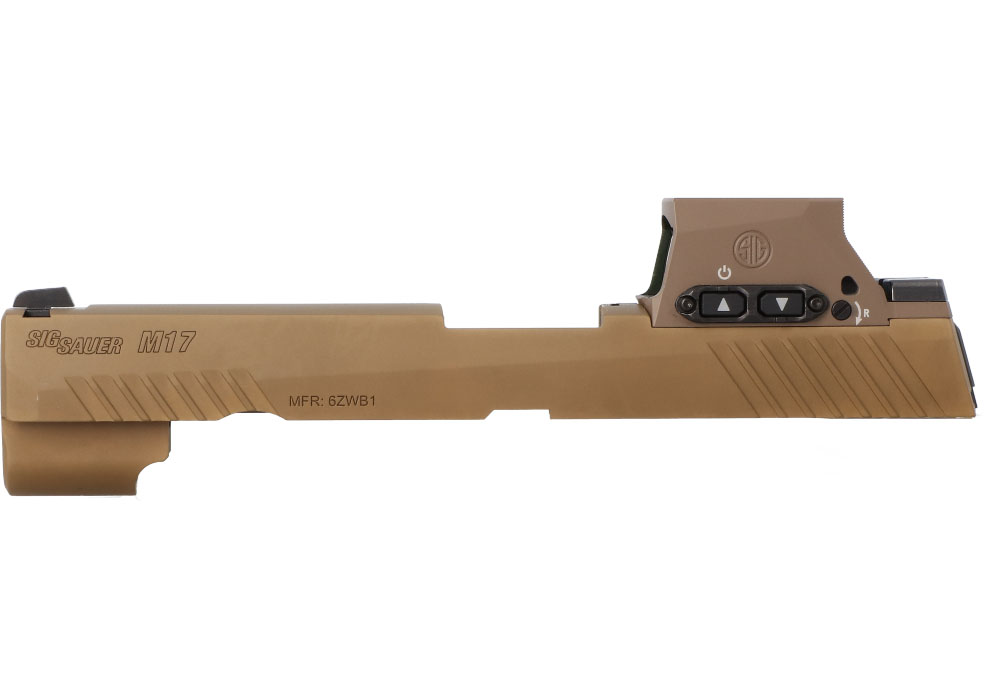
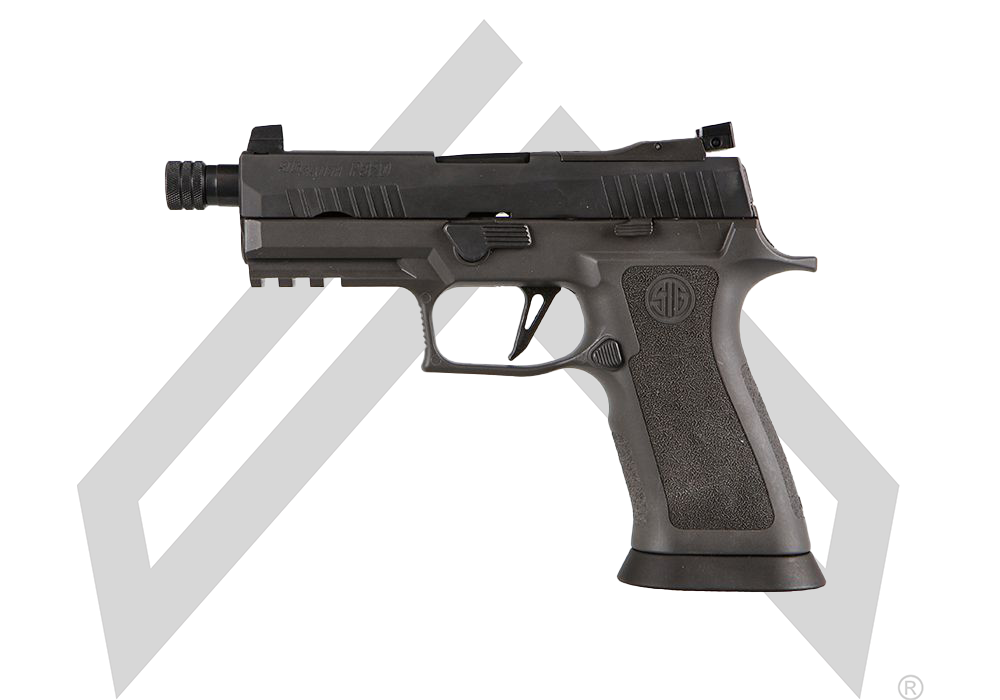
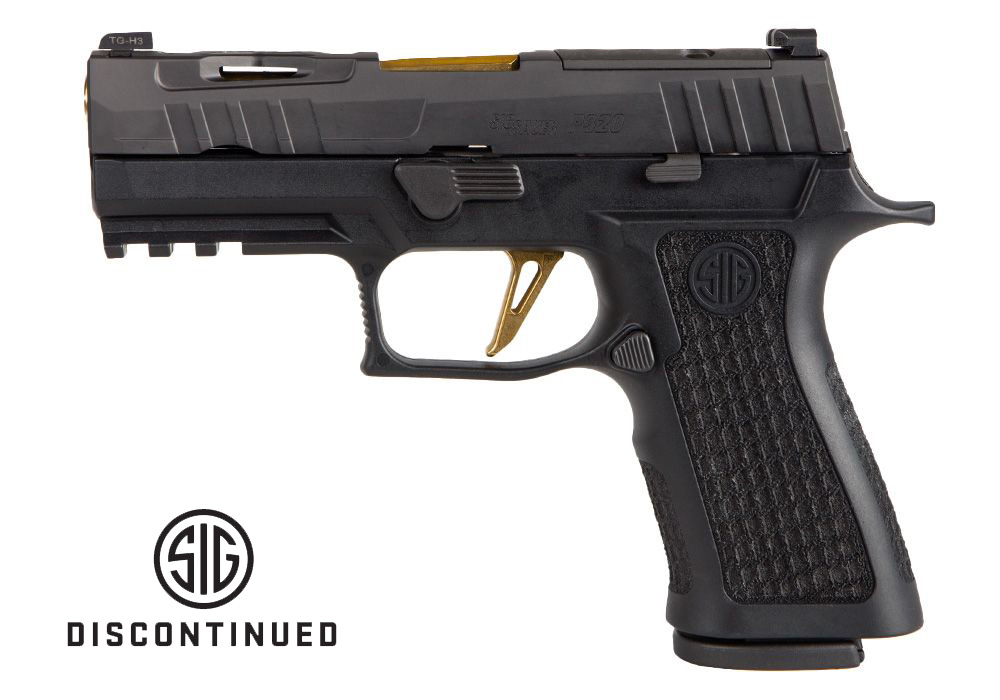
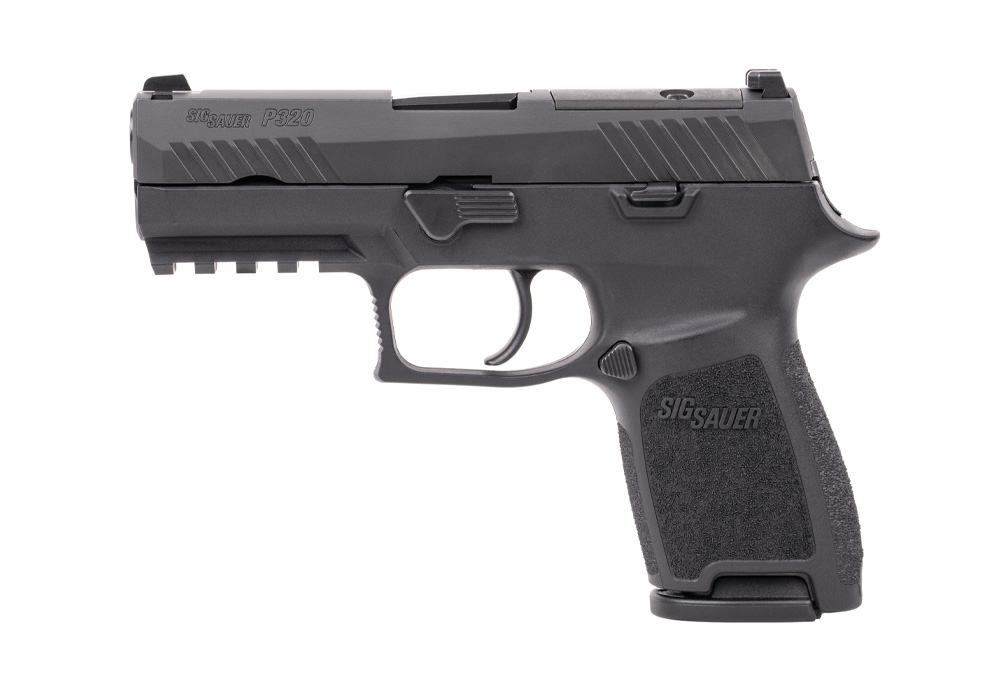
P320 slide designs bring together function, fit, and visual character in one of the most noticeable components of a modular pistol. Whether the goal is a clean duty-style appearance, a competition-focused setup, or a more distinctive custom look, the slide influences how the pistol is carried, manipulated, aimed, and maintained. Standard configurations typically emphasize a balanced profile, durable sights, and straightforward operation, while more specialized designs may add front and rear cocking serrations, top or side lightening cuts, optic-ready mounting areas, porting, or compensator features. Serrations give the hand a more secure purchase when checking the chamber, press-checking, or cycling the slide under less-than-ideal conditions. Forward serrations can be especially useful for shooters who prefer a forward grip during manipulations, while deeper rear serrations may feel more familiar to those who use a traditional rear grip. Slide windows and scalloped cuts can create a distinctive appearance and reduce reciprocating mass, although any change in slide weight can influence cycling characteristics, recoil spring selection, and ammunition compatibility. A design that looks striking on a display bench may feel very different during a long practice session, so buyers should consider how the cut pattern affects grip, balance, debris exposure, and cleaning. For concealed carry, a smooth profile and snag-conscious edges may take priority. For range use, a more aggressive pattern can provide confident control during rapid drills. For duty, training, or home-defense applications, reliability, sight visibility, and compatibility should remain central to the decision.
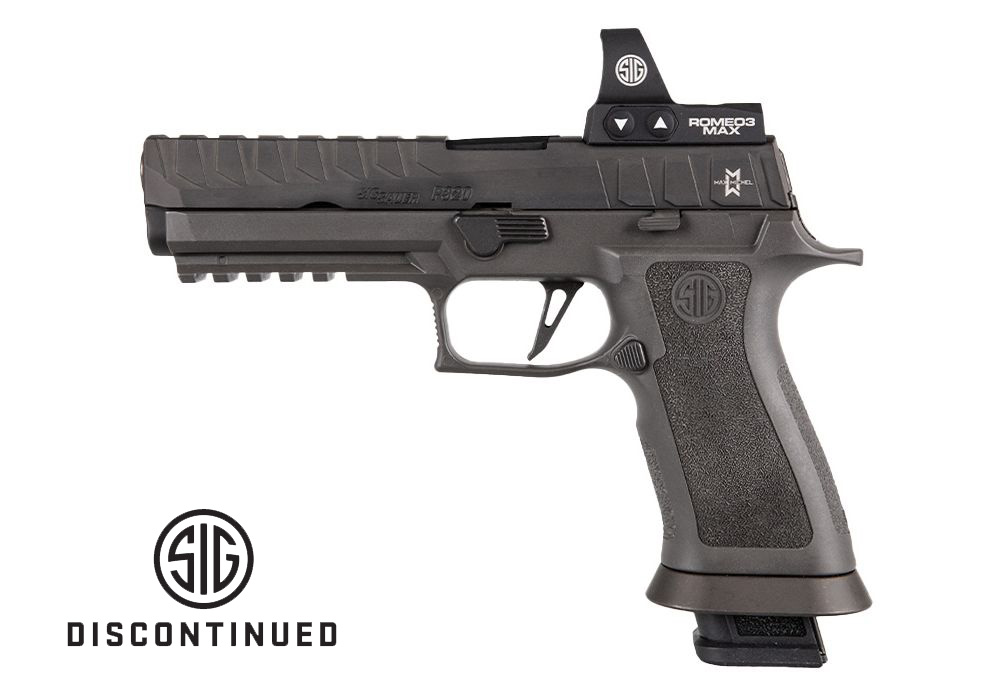
Optics-ready P320 slide designs are another important category, particularly for shooters who want the speed and clarity of a reflex sight. An optic cut must match the intended sight footprint or mounting plate system, and buyers should verify whether the design retains a rear iron sight plate, uses a direct-milled arrangement, or requires a specific combination of optic, plate, and fasteners. The ability to co-witness iron sights can provide a useful backup and makes confirmation of the sight picture more intuitive, especially when moving between different pistols. Sight height matters as well: a taller optic setup may require appropriately matched backup sights, while a lower arrangement can preserve a familiar presentation. Compensated and ported designs deserve similar attention. An integrated compensator or porting system may help redirect gases and reduce muzzle rise, allowing the sights to settle more quickly for some shooters, but the slide, barrel, recoil system, and ammunition must work together as a complete setup. Designs intended for threaded barrels or extended configurations may not align with every P320 grip module or overall length. Compact, carry, and full-size configurations can differ in dust-cover length, barrel fit, holster compatibility, and the way a compensator sits relative to the frame. Before purchasing, confirm the exact P320 variant, slide length, barrel arrangement, optic footprint, recoil assembly, sight dimensions, and holster requirements. It is also wise to review the manufacturer’s installation guidance and have fitting or function checks performed by a qualified gunsmith when needed. A slide is not an isolated cosmetic component; it is part of a reciprocating system, and even modest changes to mass or geometry can affect reliability with different loads. Use only ammunition appropriate for the firearm, follow all applicable laws, and test any configuration carefully at a lawful range before relying on it for defensive use.
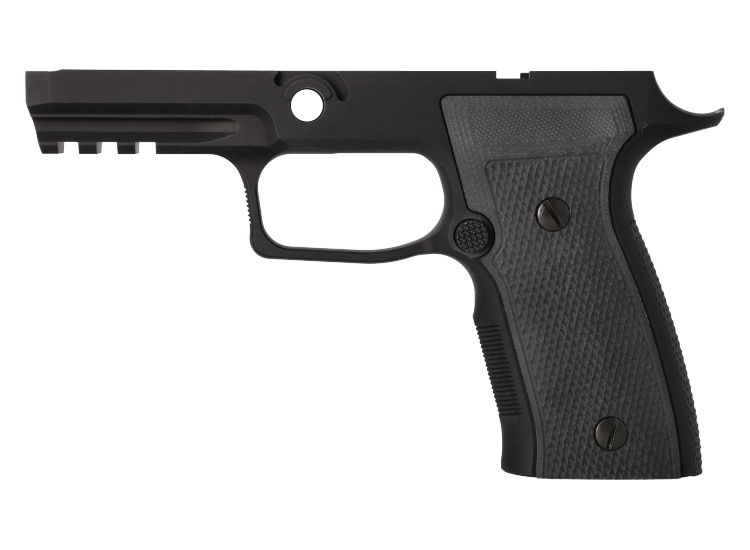
The range of P320 slide designs also makes this category appealing to experienced shooters who enjoy refining a familiar platform over time. A practical setup might begin with a standard slide and later add an optic-ready cut, improved manipulation surfaces, or a finish selected for the intended environment. Someone who spends cooler months training indoors may appreciate a design that offers clear serrations and an easy-to-find optic presentation, while a recreational shooter preparing for outdoor practice as the weather warms may place more emphasis on corrosion-resistant finishes, visible sights, and simple field maintenance. For a gift, slide-related accessories and compatible upgrade components can be thoughtful choices for an adult firearm owner, but compatibility should be confirmed before purchase; a gift card or an opportunity to select the exact configuration is often more useful than guessing at slide length, optic pattern, or grip-module fit. Shooters who prefer a consistent feel may also want to coordinate the slide with their frame texture, controls, and hand size. Exploring P320 Grip Enhancements can help create a more unified setup, particularly when a new slide changes the visual balance or intended role of the pistol. A compact configuration with modest cuts may suit discreet carry and everyday practice, while a longer slide with an optic cut and pronounced serrations may be better matched to range work, competition training, or a duty-oriented setup. Finish color, window placement, edge treatment, and sight configuration all contribute to the final impression, but dependable fit and responsible use should guide the purchase. Store the pistol securely, keep it unloaded when not in use, separate unauthorized users from access, and follow safe handling practices every time. With the right combination of slide dimensions, sighting system, recoil components, barrel arrangement, and grip module, a P320 can be tailored to feel deliberate in the hand and predictable through each cycle, whether it is being inspected at the bench, practiced with during the cooler months, or carried in accordance with local requirements.