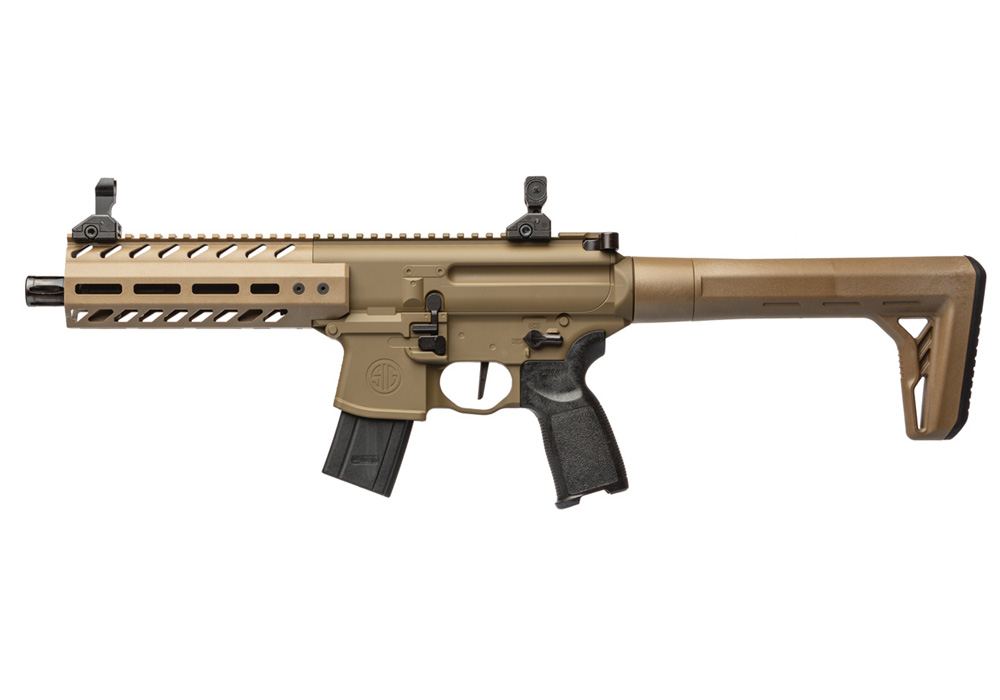
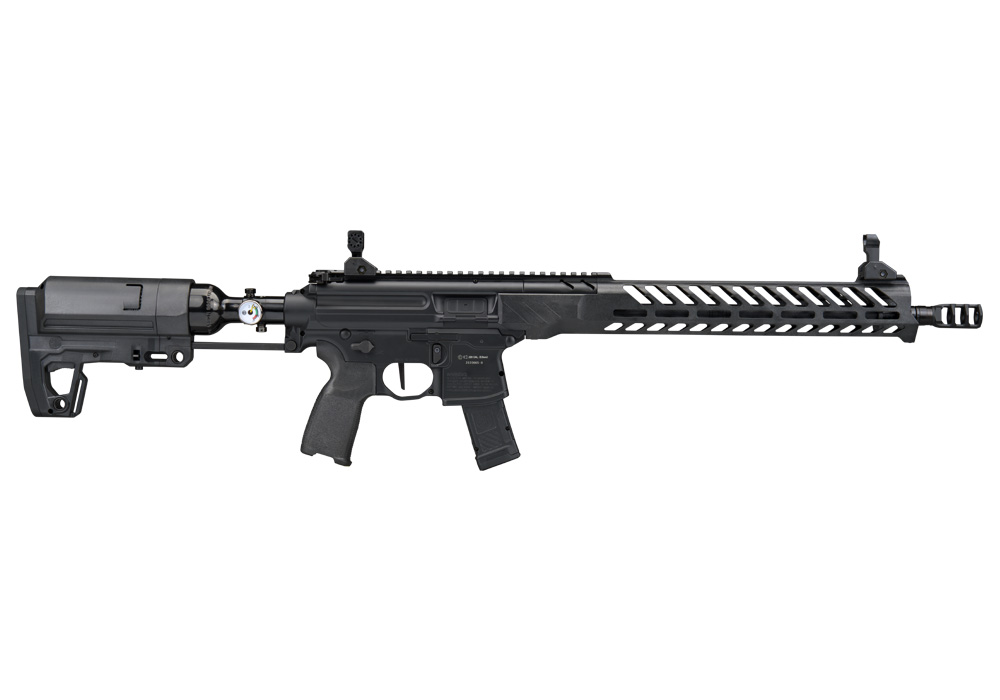
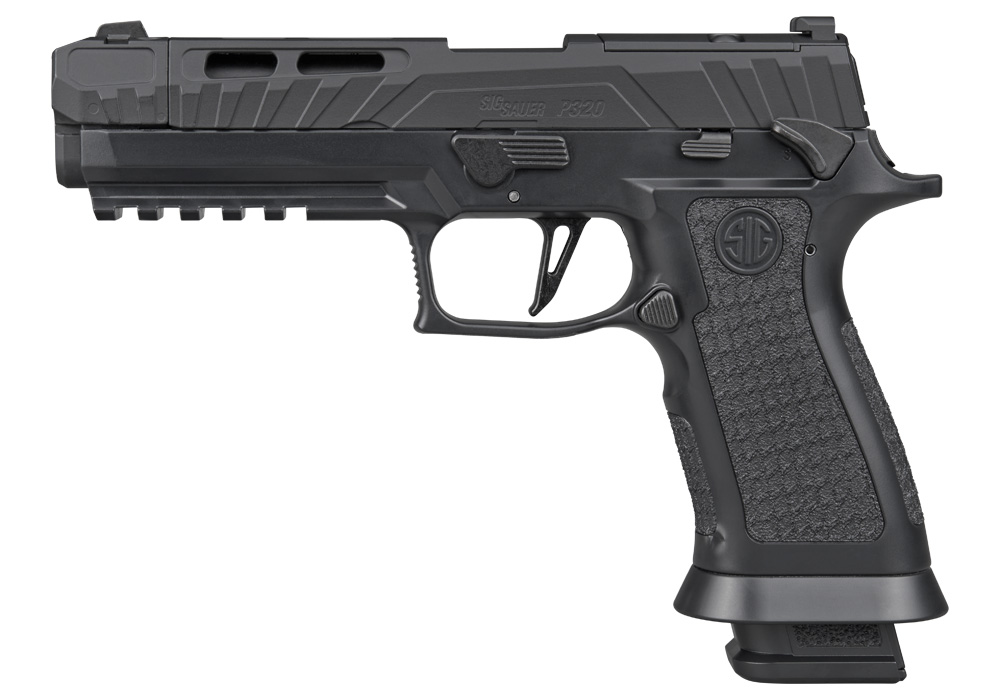
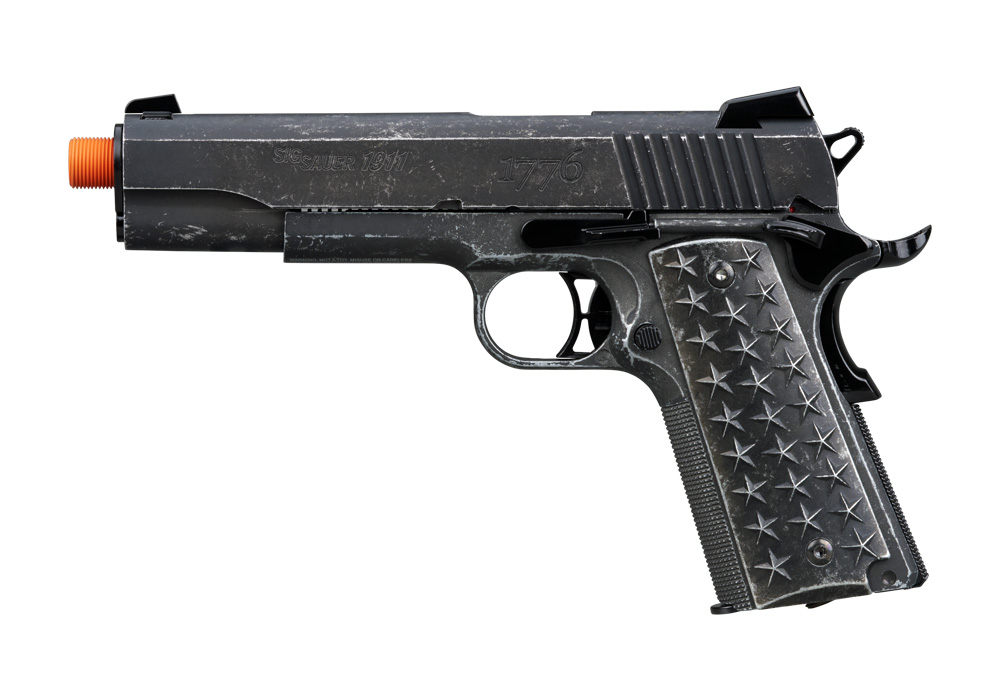
Pellet gun gear includes the ammunition, power-system supplies, optics, shooting supports, maintenance tools, and protective accessories used with pellet-firing airguns. The right combination supports consistent target practice, organized range sessions, and dependable equipment care without treating every air pistol or air rifle as interchangeable. Compatibility begins with the airgun’s caliber, operating system, and manufacturer specifications. Common pellet calibers include .177 and .22, but diameter alone does not settle every choice: pellet weight, head shape, and fit can influence feeding and grouping. Flat-headed wadcutter pellets leave clearly defined holes in paper targets, while rounded profiles are common for general target shooting. A heavier pellet is not automatically more accurate, and a shape that performs well in one barrel may produce different results in another. For someone working on a tight cluster at a measured distance, consistent ammunition and clearly printed targets provide a useful foundation for comparing sessions. Pellet ammunition also differs from steel BBs, even when nominal diameters appear similar, so the ammunition specified for the airgun remains the starting point. Power supplies require the same attention to fit. Many CO2 airguns use 12-gram cartridges, although other cartridge sizes and arrangements exist; the correct format is the one specified for that particular system. Pre-charged pneumatic airguns use compressed air and require compatible filling equipment, such as a suitable hand pump or compressor, along with the correct connections and pressure ratings. Spring-piston and other self-contained systems have different support needs and should not be grouped with CO2 or compressed-air equipment simply because they fire pellets. These distinctions matter when putting together a range bag: an otherwise useful accessory earns its place only when it works with the equipment being carried. Secure pellet containers, protective storage for power supplies, and a compartmentalized bag can keep small essentials together, making preparation less cluttered and reducing the chance of mixing incompatible supplies. Clearly separated compartments also make it easier to distinguish pellet types without relying on memory or loose containers at the bench.
Optics, mounts, and shooting supports bring another set of practical considerations to pellet gun gear. A magnified scope can make small aiming points easier to resolve, while a red dot sight can offer a simple aiming reference for recreational target shooting at suitable distances. Neither option substitutes for sound handling or a safe shooting area, and the best fit depends on the airgun and the intended activity. Close-range focus deserves particular attention because a scope designed around longer distances may not present a sharp, useful view at typical airgun target distances. An adjustable objective or side-focus system can be helpful when its adjustment range suits the setting. Mounts must match both the airgun’s rail or mounting interface and the optic’s dimensions, with enough clearance for operation and a comfortable sight picture. Spring-piston airguns can place unusual demands on optics through their recoil cycle, so an airgun rating matters more than assuming any firearm scope will work. At a bench, a stable rest or properly fitted support can reduce fatigue and make differences between pellet groups easier to evaluate. Support surfaces should protect the airgun’s finish, and their shape should suit its contact points without obstructing controls. Durability also matters beyond the firing position. Abrasion-resistant fabric, reinforced seams, dependable closures, and protective padding are useful features in carrying cases and range bags; rigid cases offer a different balance of structure and portability. A snug fit should protect the airgun and attached optic without forcing either against the case walls. Maintenance supplies belong alongside this equipment, with cleaning tools sized for the bore and lubricants selected according to the manufacturer’s instructions. Airguns do not necessarily need the same cleaning routine as powder-fired firearms, and unnecessary scrubbing or unsuitable solvents can damage sensitive parts. Seal-care products are equally system-specific. An oil appropriate for one mechanism may be unsuitable for another, especially around compressed-air components. Properly fitting hand tools help protect screw heads during routine checks, while clean cloths support exterior care without bringing grit against finished surfaces.
Targets, pellet traps, protective eyewear, and organized storage round out a practical pellet gun setup. Paper targets give shooters a clear record of placement and group size, while target holders keep the aiming surface readable and secure. Pellet traps and backstops need to suit the airgun’s projectile type and energy, not simply its caliber. A trap intended for lower-powered equipment may be unsuitable for a more powerful air rifle, and a target face alone does not provide adequate containment. The surrounding area matters just as much: a suitable setup accounts for misses, possible ricochets, and what lies beyond the target. Backyard use is not appropriate everywhere, so local rules and the safety of the location need to be established before a shooting area is used. Impact-rated eye protection is an essential consideration for shooters and nearby observers, with a comfortable fit that stays in position and works with prescription eyewear when needed. Clear lenses can help preserve visibility, while protective coverage should remain the priority over appearance. A chronograph offers another way to understand equipment performance by measuring pellet velocity and showing how consistent readings are across a session; it complements paper-target results rather than replacing them. For regular range visits, separate compartments for clean supplies, used targets, and maintenance materials help keep the bag orderly. Pellet handling also calls for basic hygiene, including washing hands after handling lead ammunition and keeping food away from the shooting bench. Storage should keep airguns and ammunition secure against unauthorized access, with transport arrangements appropriate to the equipment and applicable rules. For equipment intended for replicas that fire plastic BBs, Airsoft Gear covers a different category; airsoft ammunition and accessories should not be assumed compatible with pellet-firing airguns. As gifts for an adult target-shooting enthusiast, protective accessories, suitable carrying equipment, or compatible maintenance supplies can be thoughtful choices when the recipient’s setup is known. Across the collection, the most useful gear is equipment that fits correctly, supports the intended activity, and remains straightforward to inspect, care for, and store between sessions.