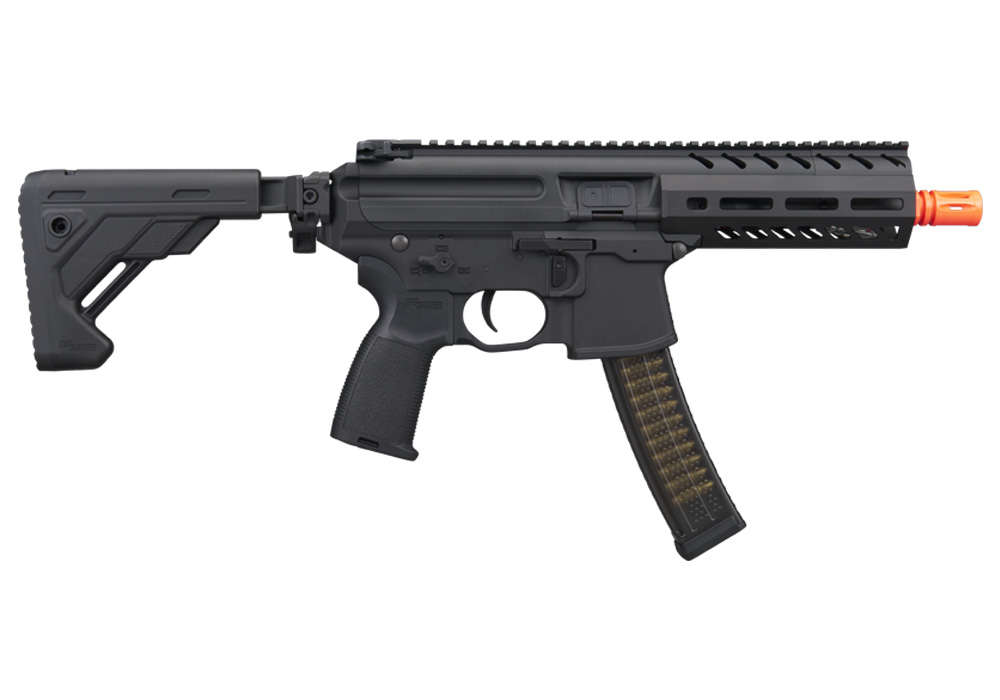
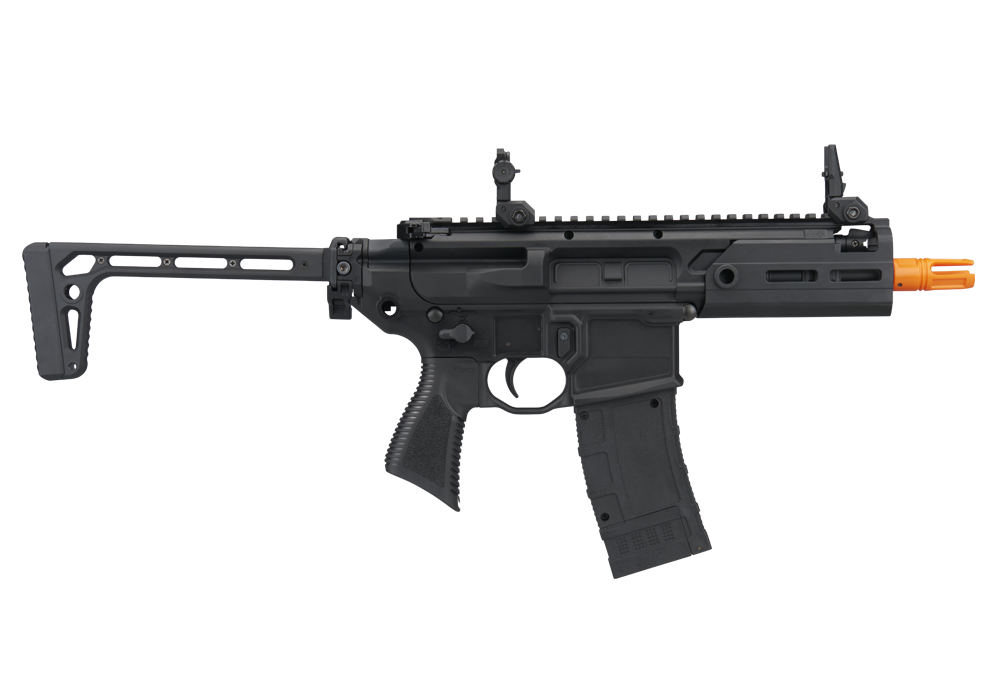
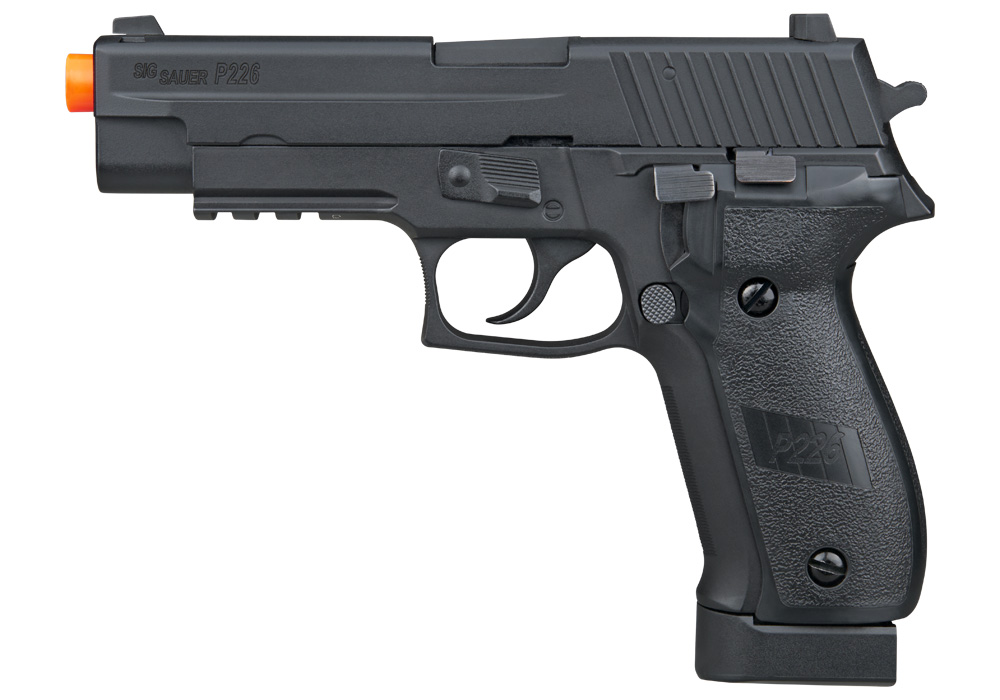
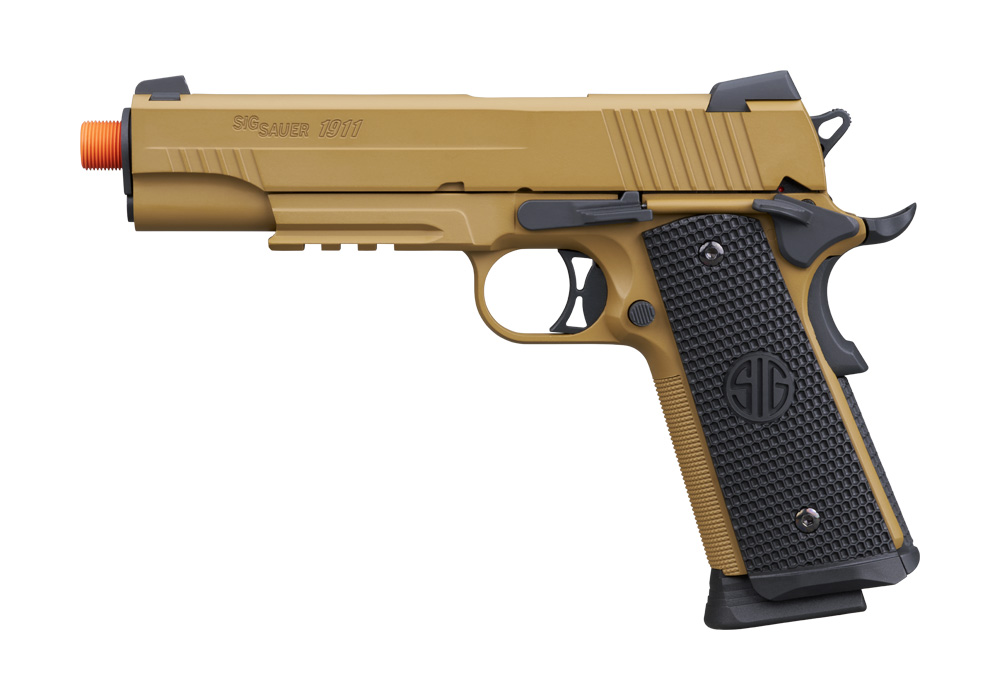
Airsoft gear brings together protective equipment, comfortable clothing, carrying systems, and storage essentials for organized recreational play. A useful setup starts with full-seal eye protection designed and rated for airsoft, a secure face covering that meets field requirements, and footwear suited to the playing surface. From there, clothing, gloves, pouches, and a chest rig or belt help keep the experience comfortable and organized. Protection deserves more attention than appearance: ordinary sunglasses, shop glasses, and mesh-only eye coverings are not substitutes for appropriate airsoft goggles. Look for documented compliance with a relevant airsoft eye-protection standard, such as ASTM F2879, and confirm the field’s requirements before attending. Full-seal goggles should sit securely around the eyes without uncomfortable gaps or pressure points, while the retention strap should hold them in place during normal movement. For players who wear prescription glasses, the space inside the goggles matters just as much as the outer dimensions; frames should fit without breaking the seal or pressing against the face. Lower-face protection helps shield the teeth and face, but it needs to work comfortably with the goggles rather than push them out of position. A mask that feels fine standing still may pinch when talking or turning the head, so the complete combination deserves a careful fit check before play. Ventilation and manufacturer-approved anti-fog treatments can help preserve visibility, but eye protection must stay on within active play areas. If vision becomes obstructed, follow the field’s procedure for stopping play and reaching a designated safe area. Beginners, returning players, and regular participants all benefit from this protection-first approach. For a first organized session, properly fitted essentials are more useful than a heavily loaded vest. Experienced players may have more particular preferences, but secure coverage, clear vision, and freedom of movement remain the foundation of practical airsoft equipment.
Materials and construction shape how airsoft gear feels over a full day of use. Woven nylon and polyester are common in carrying equipment because they balance abrasion resistance, weight, and straightforward care. Heavier fabric alone does not guarantee longer service; reinforced stitching at attachment points, neatly finished seams, dependable closures, and securely anchored straps also matter. A pouch repeatedly opened with gloves needs a closure that is easy to handle, while a belt supporting several accessories needs enough structure to resist folding or twisting. Chest rigs and airsoft plate carriers offer different ways to organize equipment, though their fit and layout are more important than how substantial they look. An airsoft carrier is a carrying platform, not evidence of ballistic protection. Adjustable shoulder straps and waist sections should allow a stable fit without restricting breathing, bending, or sitting. A practical fitting check includes crouching, kneeling, and reaching naturally to see whether buckles dig into the ribs or pouches press against the thighs. Players moving through an indoor venue may prefer a compact setup that stays close to the body, while those attending longer organized games may value room for water and personal essentials. Neither situation calls for filling every attachment point. Extra bulk can become tiring, and loose straps can catch on surrounding objects. Compatibility also deserves attention: pouch dimensions, attachment systems, belt width, and closure design should match the equipment they will hold. Clothing should permit a comfortable stride and a deep bend at the knees without pulling tight across the shoulders or seat. Reinforced knees and elbows can help fabric withstand repeated contact with rough surfaces, while breathable panels and smooth interior seams support comfort during activity. Gloves should protect the hands without bunching in the palm or making basic fasteners difficult to use. Footwear needs a secure heel fit, sufficient toe room, and tread appropriate to the venue. Comfortable socks and carefully adjusted laces can make a noticeable difference during hours spent on foot.
Care, storage, and compatibility help turn a collection of airsoft accessories into equipment that remains dependable between sessions. After use, remove loose dirt from fabric and hardware, inspect high-wear areas, and follow the care label rather than assuming every component can go into a washing machine. Let damp equipment dry thoroughly before packing it away, and keep protective lenses separate from abrasive surfaces, exposed fasteners, and loose tools. Lens coatings can be sensitive to household cleaners, so use only cleaning methods approved by the manufacturer. Scratches, cracks, damaged straps, or a compromised seal are reasons to reassess eye protection and replace it according to the manufacturer’s guidance; a clear-looking lens is not the only sign of serviceable protective equipment. Carrying gear also benefits from routine checks for separating seams, worn hook-and-loop panels, and cracked buckles. Small signs of wear are easier to notice when pouches are empty and straps are laid flat. Dedicated storage compartments help keep clean face protection away from dirty footwear, while a protective case keeps an airsoft replica covered during transport. Follow local rules and venue policies for transport, storage, and permitted equipment, and keep replicas out of public view. Accessories that look similar are not necessarily compatible, particularly across different replica systems or shooting activities. Airsoft uses plastic BBs, and its ammunition, protective requirements, and accessories should not be confused with those used for pellet shooting. For a separate recreational shooting setup, Pellet Gun Gear belongs to a distinct equipment category rather than serving as a substitute for airsoft essentials. As gifts, airsoft gear works best when the recipient’s measurements, existing equipment, and field requirements are known. A storage solution may be less fit-sensitive than goggles or a carrier, but its dimensions and intended contents still matter. Younger participants need age-appropriate supervision and equipment that satisfies the venue’s rules. Across experience levels, the most useful choices solve recognizable problems: goggles that fit with prescription frames, gloves that stay comfortable through repeated use, clothing that does not bind when kneeling, and carrying equipment that keeps necessary belongings secure without unnecessary weight.