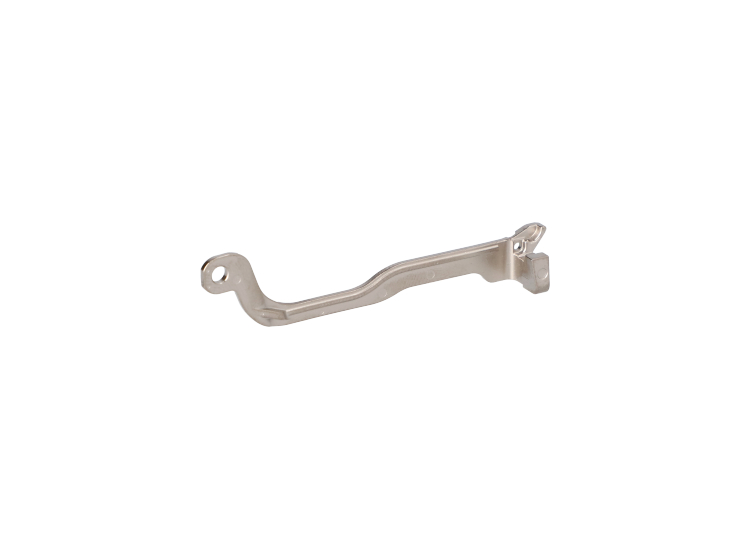
Performance triggers are designed for shooters who want a more refined connection between their grip, sight picture, and shot break. A well-chosen trigger can influence how a firearm feels during slow, deliberate fire, controlled pairs, drills, competition stages, training sessions, or time spent confirming zero at the range. Rather than treating a trigger as a cosmetic upgrade, consider it an interface between the shooter and the firearm: the face of the trigger, the amount of take-up, the character of the break, the reset, and the overall pull weight all contribute to how naturally the gun responds. Some shooters prefer a clean, predictable break that makes it easier to press straight to the rear without disturbing the sights. Others value a positive reset that can be felt and heard during faster strings. The right choice depends on the firearm platform, intended use, hand size, shooting technique, and personal preference. A trigger that feels excellent in one setup may not be the best match for another, which makes compatibility one of the first details to confirm. Review the manufacturer’s fitment information carefully, including model, generation, caliber, frame or receiver configuration, and any required supporting components. Certain performance triggers are intended for specific platforms or installation methods, and a trigger assembly should never be assumed to fit simply because it resembles the original part. Shooters comparing options may also want to consider the trigger shoe profile and material, whether the design is curved or flatter, how much surface area it provides, and whether its shape encourages a consistent finger position. Small differences can become noticeable over a long practice session, especially when working from a familiar grip and refining the same movement repeatedly.
Selecting a performance trigger also means balancing a smoother shooting experience with the safety characteristics appropriate for the firearm’s role. Pull weight is only one part of that decision. A crisp break, controlled take-up, dependable reset, and consistent operation are equally important, while a trigger that is too light or unfamiliar may not suit every shooter or every application. Defensive firearms, duty-oriented setups, competition guns, and range-focused builds can each call for a different balance of control and intentionality. Any change to the fire-control system should preserve the firearm’s safe operation, including reliable reset, proper engagement, and the intended function of all safety mechanisms. Before purchasing, examine installation requirements and determine whether the work calls for specialized tools, fitting, or a qualified gunsmith. Even when an installation appears straightforward, the finished firearm should be inspected and function-tested in a safe environment according to the manufacturer’s instructions. Confirm that the firearm is unloaded before handling or installing components, keep ammunition separate from the work area, and follow all applicable laws and regulations. It is also worthwhile to think about the rest of the setup. A new trigger may feel different with a particular grip, optic, stock, brace, or shooting stance, and a change in hand position can affect how the finger contacts the trigger shoe. Shooters who spend cooler months indoors at a workbench or at an established range often use that time to evaluate their equipment methodically, making one change at a time and taking notes on comfort, control, and consistency. That measured approach helps distinguish a meaningful improvement from a part that simply feels different during the first few shots. For related components that can support a broader firearm project, browse Trigger Parts and compare options by platform and intended use.
Performance triggers can appeal to experienced shooters fine-tuning a familiar firearm, competitors building a purpose-driven setup, instructors preparing equipment for structured training, and enthusiasts looking for a more deliberate feel during range practice. They may also be considered as a gift for a knowledgeable shooter, although a trigger is a highly personal purchase and compatibility is essential. A gift card or an opportunity to choose together may be more practical than selecting a trigger without knowing the recipient’s exact firearm model, preferred pull characteristics, or installation plans. For a shooter who already knows what they want, a performance trigger can be a thoughtful addition to a carefully planned upgrade list, particularly when paired with time for installation, inspection, and practice. The most satisfying results usually come from matching the component to the person rather than chasing the lightest advertised pull or the most aggressive specification. Picture a familiar range session: the firearm settles into the hands, the sights return naturally after each shot, and the trigger moves through its travel with a consistent feel instead of introducing an unexpected hesitation. That sense of repeatability is the central reason many shooters explore performance triggers. It can help make practice more focused, encourage a steadier trigger press, and provide useful feedback as technique develops. At the same time, no component replaces safe handling, sound fundamentals, or regular training. Take time to become familiar with any altered trigger characteristics using appropriate targets, a controlled pace, and a safe range environment. During the cooler months, when schedules often make planned practice especially valuable, a thoughtfully selected trigger can become part of a broader effort to make every session more comfortable, consistent, and purposeful. Examine platform compatibility, installation needs, safety features, trigger geometry, pull characteristics, and your intended use before making a purchase, then choose the option that complements the way you actually shoot.