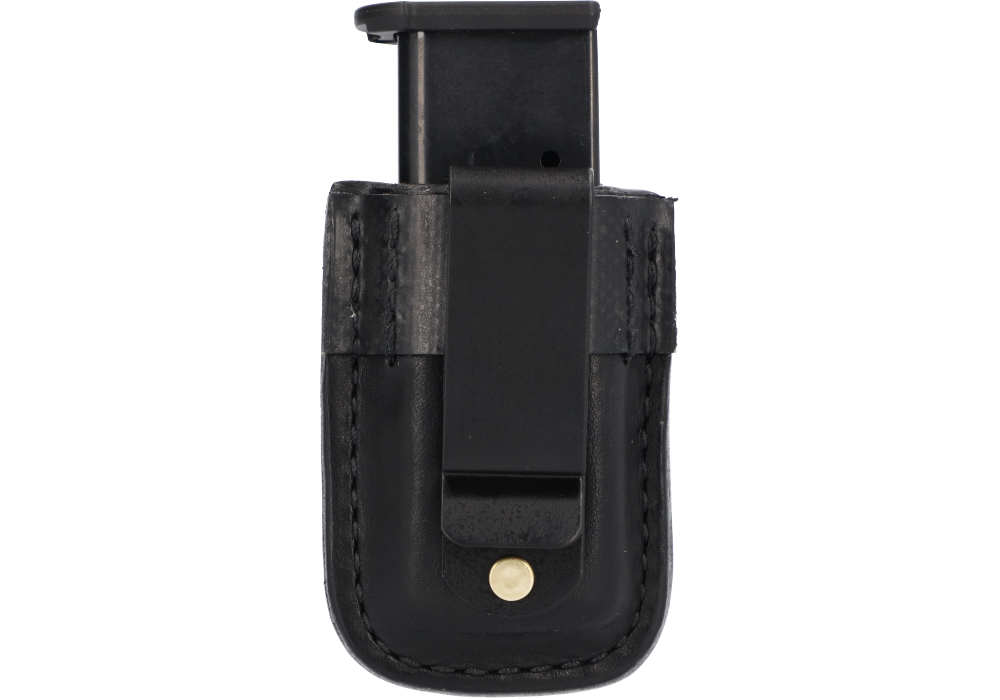
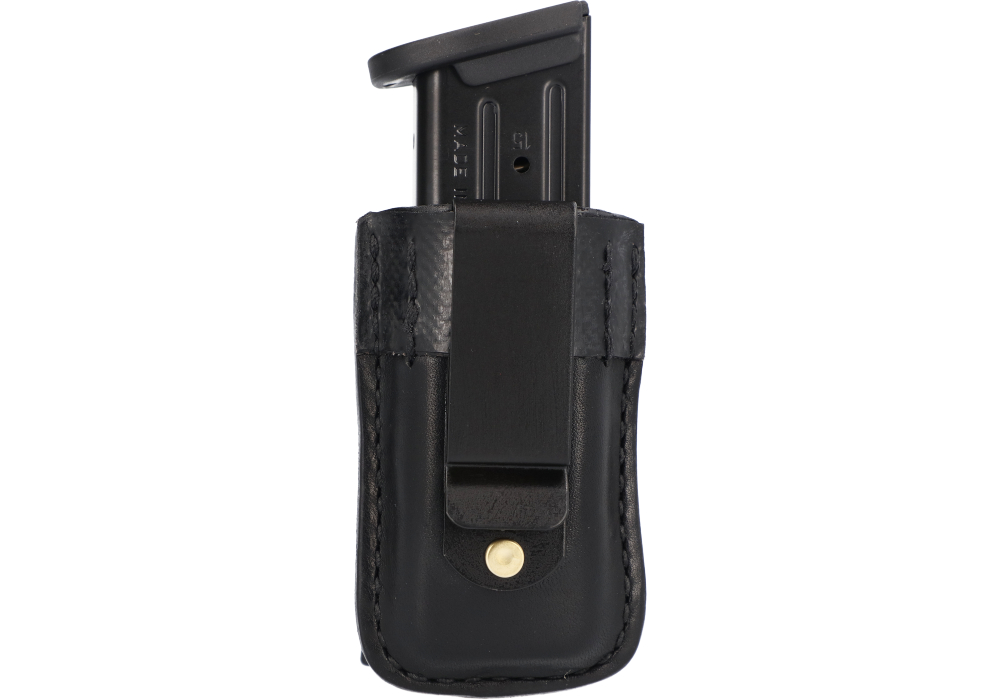
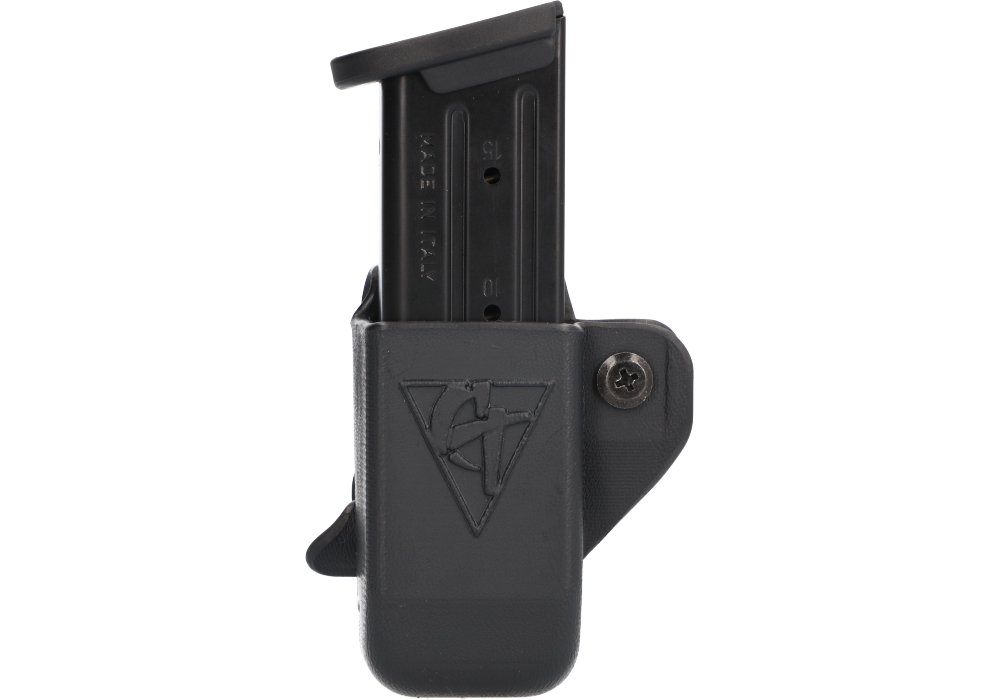
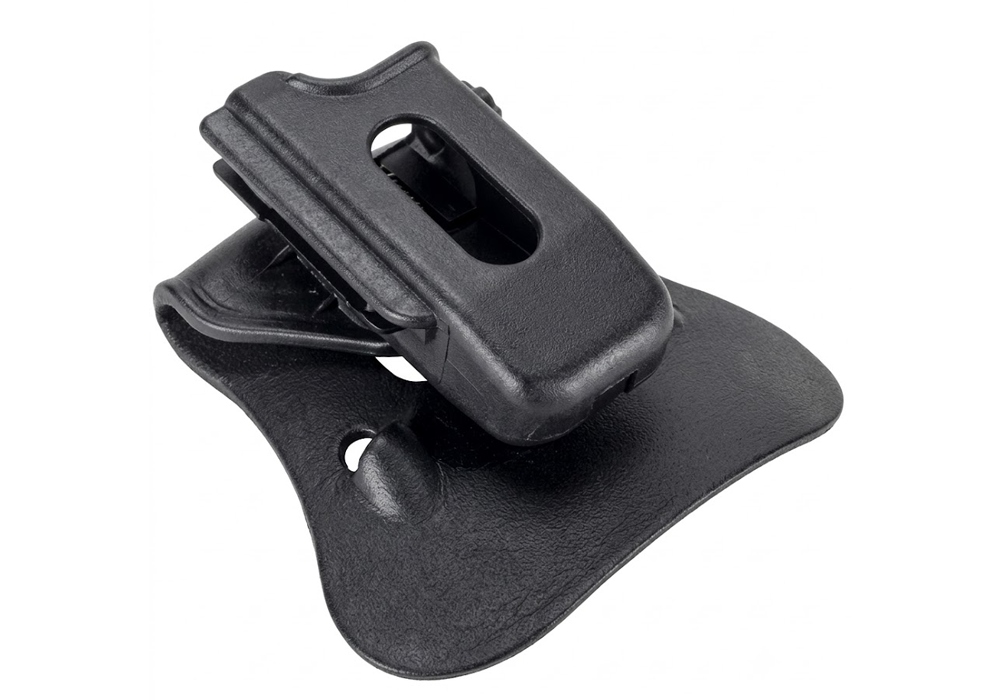
Pistol mag pouches hold spare handgun magazines securely on a belt, waistband, or compatible equipment platform, keeping them organized and separate from loose gear. Their basic purpose is straightforward, but differences in construction, retention, and mounting can change how a pouch feels throughout a range session or a full day of wear. Open-top pistol magazine pouches leave the upper portion of the magazine exposed and typically use friction, elastic tension, or adjustable retention to hold it in place. Flapped designs add coverage over the opening, helping shield the magazine from dust, grit, and contact with surrounding equipment. Neither style is a universal answer; the practical distinction is how much coverage and structure suit the intended setting. Rigid polymer and thermoplastic shells maintain a defined shape, which can help keep the opening accessible when the pouch is empty. Woven nylon offers a softer exterior, while reinforced panels can add support around attachment points and edges. Elastic designs tend to sit flatter against the body, although their fit depends on the dimensions of the magazine they are intended to hold. Leather brings a more traditional appearance and can develop a comfortable contour with regular wear. For shoppers who prefer that material, 9mm Leather Magazine Pouches provide a focused category to explore alongside other construction styles. Across these materials, useful details include smooth interior surfaces, neatly finished edges, consistent stitching, and hardware that does not interfere with the magazine body. A pouch should feel secure without creating unnecessary bulk or uncomfortable pressure. Recreational range users, shooting-sports participants, and people who carry a handgun where permitted may all use magazine pouches, but their priorities can differ. Someone organizing a simple range belt may value easy attachment and straightforward upkeep, while someone wearing a pouch beneath a cover garment may care more about a slim profile and rounded edges. Those everyday differences make construction and fit more meaningful than appearance alone.
Magazine compatibility is one of the most important distinctions within pistol mag pouches because caliber alone does not establish fit. Two magazines intended for the same cartridge can have different body widths, lengths, contours, and floorplate shapes. Single-stack and double-stack magazines also have different dimensions, so a pouch described for one format should not be assumed to fit the other. A taller floorplate or an extended magazine body can affect how much of the magazine sits above the pouch and how it rests against clothing. Some designs are shaped around a particular magazine profile, while others use flexible panels, tension screws, or elastic components to accommodate a defined range of dimensions. Adjustable retention can help refine the fit, but it does not turn every pouch into a universal option. The attachment system deserves the same attention as the magazine compartment. Belt-mounted pouches may use enclosed loops, clips, or separate mounting hardware, and each system has its own requirements for belt width and thickness. A narrow dress belt and a reinforced range belt are not interchangeable foundations; a mismatch can allow an otherwise suitable pouch to shift or tilt. Inside-the-waistband designs sit between the body and the waistband, making edge finish, clip placement, and overall thickness particularly noticeable. Outside-the-waistband pouches sit beyond the waistband and may offer more room around the magazine, though their visibility depends on clothing and placement. MOLLE-compatible attachments connect to appropriately spaced PALS webbing on supporting equipment rather than functioning like an ordinary belt loop. That distinction matters when putting together a consistent setup instead of mixing attachment styles that do not align. Single-magazine pouches can keep a belt arrangement compact, while double-magazine designs group two magazines in one location but occupy more horizontal space. Pouch height, spacing, and the angle of the mounting hardware can also influence comfort when sitting in a vehicle or at a range bench. A well-matched pouch works with the magazine, belt, clothing, and neighboring equipment as a complete arrangement, rather than relying on one feature to compensate for an unsuitable fit.
Durability in a pistol magazine pouch comes from both material quality and the small construction details that receive repeated stress. Belt loops flex, clips contact belt edges, and pouch interiors collect the fine debris that travels with range bags and equipment. Reinforced seams, secure fasteners, and cleanly finished openings are worth considering because these areas experience frequent handling. Rigid shells generally retain their shape, but cracks, distorted edges, or loose mounting hardware can affect their function. Fabric pouches benefit from intact stitching and attachment straps, while elastic sections should retain their stretch rather than remain loose after use. Leather requires care suited to its finish; excessive moisture, harsh cleaners, or unsuitable conditioners can alter its feel and firmness. Manufacturer care directions remain the best reference for cleaning methods, compatible treatments, and adjustments. Routine upkeep is usually less about an elaborate process and more about removing loose grit, allowing damp material to dry as directed, and checking attachment points for wear. A pouch that has changed shape or no longer holds its intended magazine securely deserves attention before further use. For regular range visits, consistent fit and easy cleaning can be more valuable than extra features that add bulk without serving a purpose. For a gift recipient, magazine pouches can be a thoughtful equipment accessory when the handgun magazine type, preferred mounting system, and usual activities are already known. A familiar material or matching belt attachment is a better starting point than guessing from cartridge size alone. Comfort preferences matter, too: one person may appreciate a structured shell, while another favors the softer feel of fabric or leather. The most useful pistol mag pouch is not necessarily the most elaborate. It is the one with compatible dimensions, dependable attachment, appropriate retention, and a finish that suits how it will be worn and maintained. Those qualities support an orderly setup that remains comfortable and practical through repeated use.