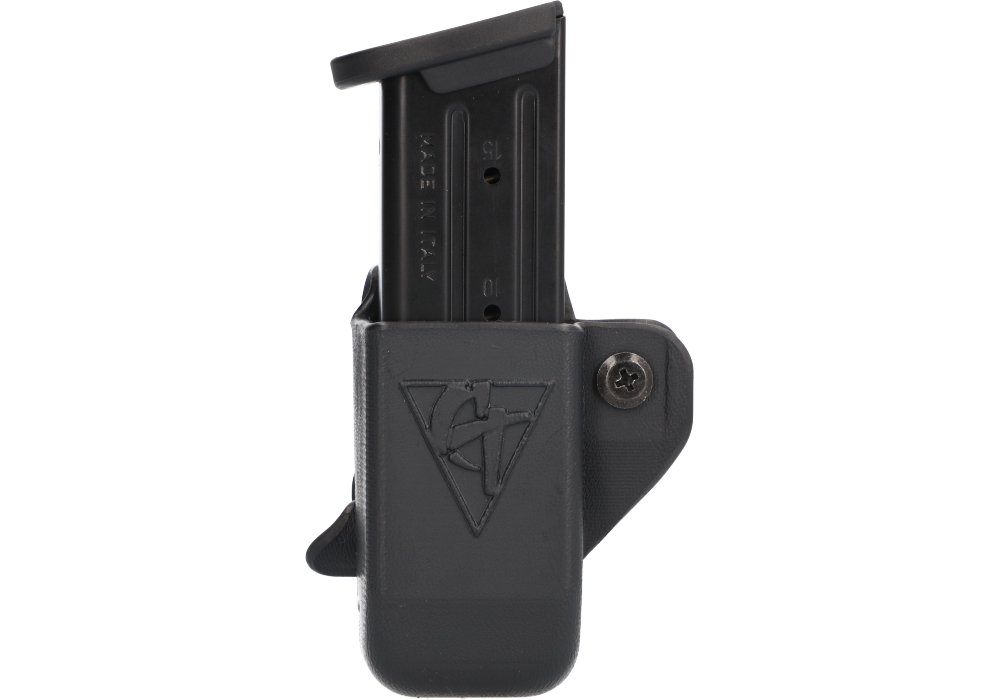
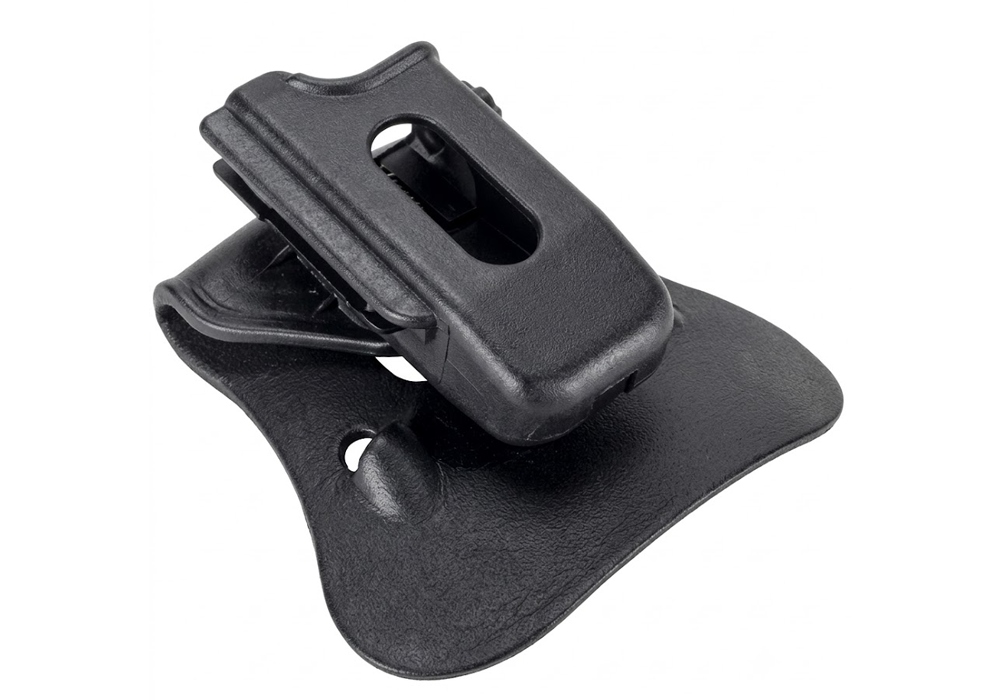
Single mag pouches hold one spare pistol or rifle magazine per pouch and attach, depending on the design, to a belt or compatible MOLLE equipment, such as a vest or plate carrier. Their purpose is straightforward: keep a spare magazine secure, organized, and accessible without the bulk of a larger carrier. A single magazine pouch can suit a range belt, a competition setup, or professional equipment where each accessory needs a defined place. Pistol and rifle magazines have different dimensions, so compatibility matters more than a pouch’s general appearance. Even magazines for the same cartridge can differ in width, body shape, length, and baseplate profile. Single-stack and double-stack pistol magazines, for example, do not necessarily fit the same carrier, and an extended baseplate can change how a magazine sits against the pouch opening. Caliber alone is not enough to establish fit. The manufacturer’s compatibility information provides a better basis for choosing a pouch that supports the magazine without excessive movement or binding. Retention is another important distinction. Some designs use a shaped body and adjustable tension, while others rely on elastic, a flap, or another closure to keep the magazine seated. An open-top pouch leaves the upper portion exposed for access; a covered design places more material around the magazine and may help limit contact with dust and debris. Neither style is the universal answer for every setting. The appropriate choice depends on the equipment, the activity, and the wearer’s preferences. Attachment deserves equal attention: belt loops and clips need to match the belt’s width and thickness, while modular attachments need compatible webbing and a secure connection. A pouch that shifts around on the belt can feel awkward even when the magazine itself fits correctly. Overall height also affects comfort, particularly when sitting in a vehicle, bending beside a range bag, or sharing belt space with other equipment. A compact footprint can be useful, but it should not come at the expense of a stable attachment or a suitable fit.
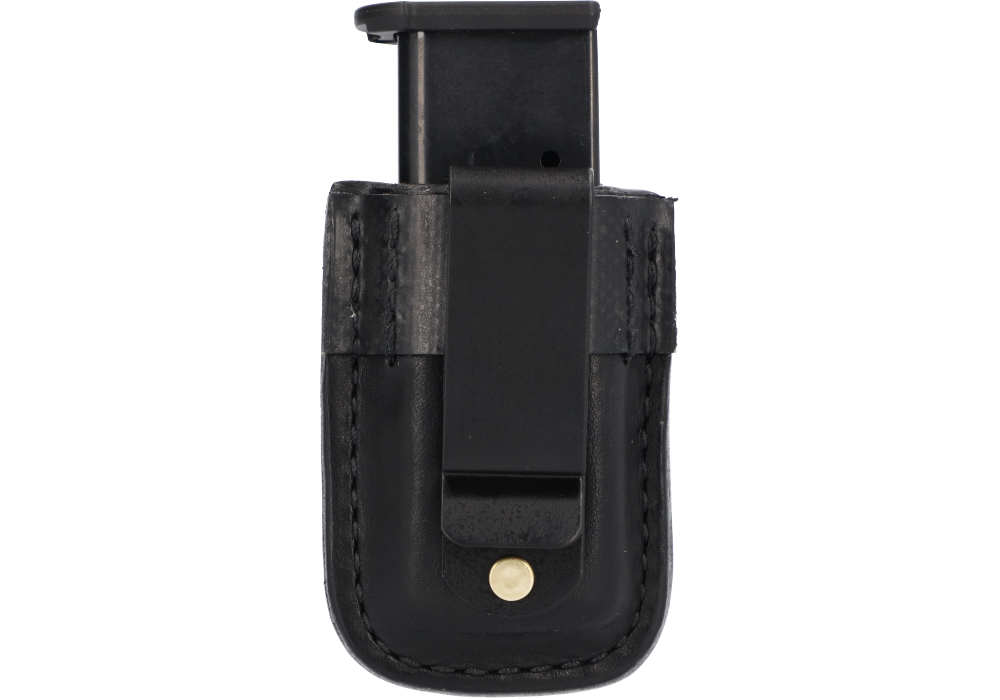
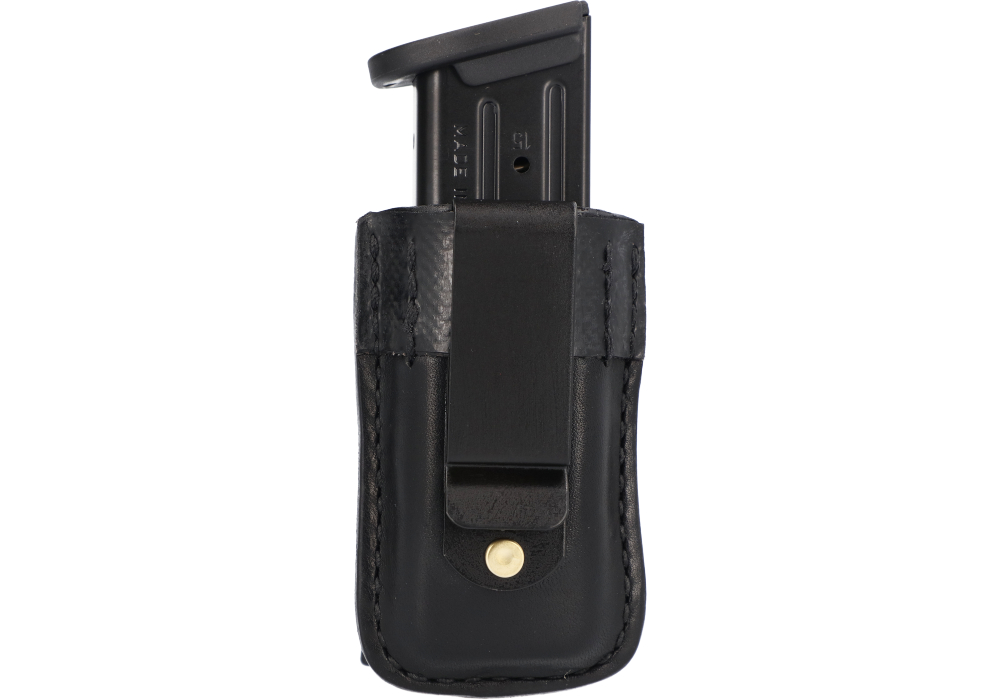
Materials influence how a single mag pouch feels, wears, and holds its shape. Molded polymer generally provides a structured body that resists moisture and is easy to wipe clean, with some designs allowing retention adjustments through dedicated hardware. The firmness of the shell can help maintain a consistent opening, although its edges and mounting hardware still need to sit comfortably against the wearer. Nylon and other woven synthetic materials offer a different feel, often combining flexible construction with reinforced stitching, elastic sections, or a flap closure. Their durability depends on more than fabric thickness; seam placement, edge binding, attachment points, and the quality of the closure all contribute to how well a pouch handles repeated use. Leather offers a traditional appearance and a distinctive balance of structure and flexibility. For shoppers comparing that material within a familiar pistol-magazine category, 9mm Leather Magazine Pouches provides a relevant place to explore, with magazine dimensions and stated compatibility remaining essential considerations. Leather can develop visible character through use, but it still needs appropriate care to preserve its shape and surface. Cleaning and conditioning should follow the manufacturer’s directions, since excessive oil or an unsuitable treatment can soften the material or affect its finish. Synthetic pouches also benefit from routine attention. Grit trapped inside a carrier can rub against a magazine body, and lint or small debris can collect around seams, fasteners, and closures. A clean interior, intact stitching, and secure mounting hardware are useful signs of a pouch that remains ready for regular use. Strong cleaning solvents and abrasive scrubbing are not suitable for every material. Any cleaning method should account for the shell, fabric, lining, and hardware rather than treating the pouch as one uniform surface. After cleaning, allowing the pouch to dry thoroughly before storage helps protect its condition. Durability is ultimately a combination of material choice, sound construction, appropriate fit, and ordinary maintenance rather than a single feature printed in a description.
The appeal of a single magazine pouch is its flexibility within a larger equipment setup. A recreational shooter may want one spare magazine carried neatly instead of loose in a pocket, while a frequent range visitor may prefer separate carriers that can be positioned around existing belt equipment. Competition participants often consider how a pouch works with their belt system and the applicable event rules, while professional users may need to follow an organization’s equipment requirements. These different uses can favor different closures, mounting styles, and levels of structure without changing the basic purpose of the pouch. Comfort also becomes more noticeable over a full session than during a quick fit check. A protruding fastener, a stiff corner, or a carrier that crowds adjacent equipment can become distracting with repeated movement. Smooth edges, secure attachments, and adequate spacing help a pouch feel like a considered part of the setup rather than an afterthought. For wear beneath a covering garment, overall thickness and the shape of the attachment can matter as much as the pouch body itself. For an exposed range belt, clearance around neighboring accessories may be the more relevant concern. Neither application benefits from assuming that one size or mounting method suits every wearer. A single mag pouch can also be a practical gift for someone who spends time at the range, provided the recipient’s magazine type and preferred attachment system are known. Matching those details is more useful than choosing by color or appearance alone. An unloaded magazine fit check, performed according to the manufacturer’s directions, can confirm seating and retention before the pouch becomes part of a regular setup. Over time, checking for loose hardware, worn elastic, damaged seams, or changes in fit helps identify wear that deserves attention. The most useful single mag pouches combine compatibility, dependable retention, comfortable placement, and materials suited to their intended use, keeping a spare magazine organized without adding unnecessary bulk or complexity.