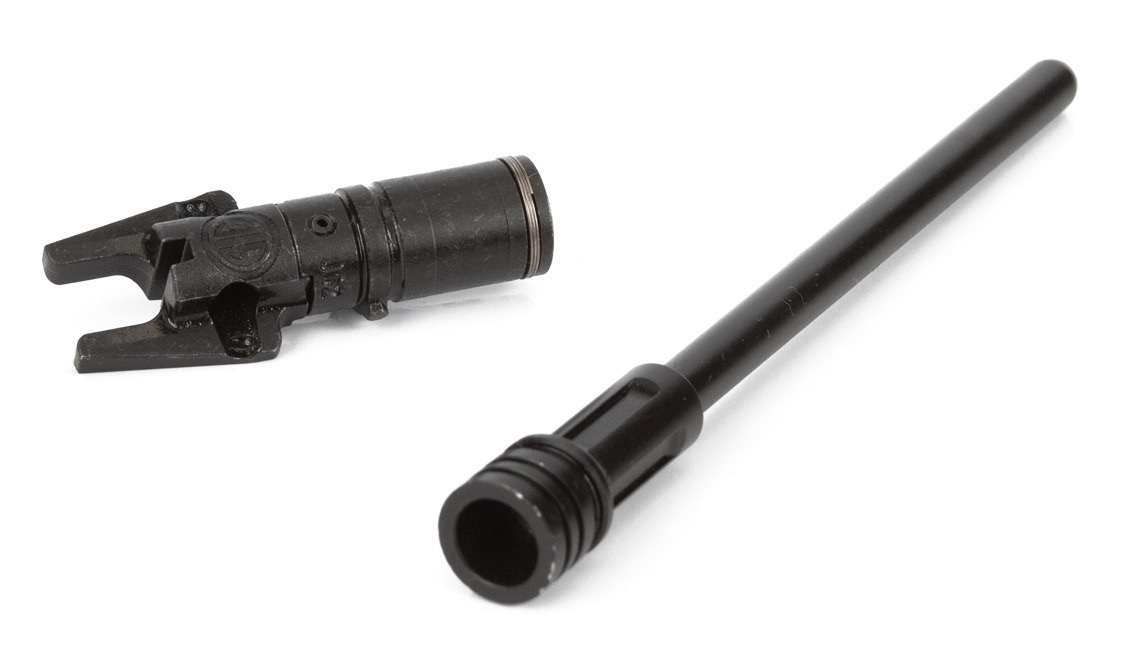
Piston assemblies are an important part of a short-stroke or long-stroke gas-piston firearm, transferring energy from expanding propellant gases to the operating system so the action can cycle. Unlike a direct-impingement setup, where gas travels through a tube and acts directly on the bolt carrier, a piston system uses a piston, piston rod or operating rod, gas plug, and related hardware to deliver that movement at the front of the firearm. As a shot is fired, a measured amount of gas enters the gas block and pushes against the piston. That forward pressure becomes rearward movement through the operating rod, which drives the bolt carrier, unlocks the bolt, extracts and ejects the spent cartridge case, cocks the trigger mechanism, and compresses the recoil system before a new round is chambered. Each component has a specific role, and the complete assembly must work together with the barrel, gas block, carrier group, handguard, and receiver configuration. Shoppers browsing piston assemblies are often replacing a worn component, completing a maintenance project, assembling a compatible upper, or adapting a firearm for a particular operating system. These parts may also be selected by shooters who appreciate the clean, deliberate mechanical feel of a piston-driven action or who spend long days on the range and want an operating system suited to repeated use. The right assembly is determined by more than appearance. Confirm the firearm’s operating system, caliber, barrel length, gas-system requirements, piston stroke, and installation method before ordering. Some assemblies are designed around a particular gas block or carrier arrangement, while others require matching parts throughout the upper receiver group. Even small differences in dimensions, gas-port location, rod length, or interface design can affect cycling, reliability, and safe operation.
When comparing piston assemblies, start with compatibility and construction, then consider serviceability and intended use. A properly matched assembly should move smoothly without binding, fit securely within its supporting components, and maintain the correct relationship between the gas block, piston, operating rod, and carrier. Materials and finish matter because these parts operate near heat, carbon, and combustion gases. A durable surface can help resist corrosion and make fouling easier to remove, while a well-made piston and rod can provide consistent movement through repeated firing. The gas plug or regulator, when included, also deserves close attention. Adjustable designs may allow the shooter to tune gas flow for different ammunition loads, suppressor use, or operating conditions, while a fixed arrangement may offer straightforward operation with fewer settings to manage. Any adjustment should be made according to the manufacturer’s instructions, with the firearm unloaded and pointed in a safe direction. Piston assemblies are not universal replacement parts, and mixing components from unrelated systems may create excessive wear, short-stroking, over-gassing, or other malfunctions. Before purchasing, review the complete product specifications and compare them with the firearm’s technical documentation. It is also wise to inspect the surrounding gas block, carrier, springs, retaining hardware, and handguard for damage or unusual wear. A piston that appears worn may be showing the effects of a problem elsewhere, such as fouling, misalignment, a loose fastener, or an incorrectly sized component. Cleaning is generally straightforward, but the assembly should not be scraped aggressively or polished in a way that changes critical surfaces. During cooler months, many shooters use the quieter pace of an off-season maintenance session to remove the bolt carrier group, examine the piston system, clean carbon deposits, and confirm that every retaining part is secure before returning to the range. When in doubt about fitment, installation, or troubleshooting, consult a qualified gunsmith rather than forcing a component into place.
Piston assemblies are most often purchased by firearm owners, competitive shooters, hunters, instructors, armorers, and enthusiasts who maintain or customize compatible rifles. They can also be a thoughtful gift for someone who enjoys detailed firearm maintenance, mechanical projects, or building a carefully matched upper receiver, provided the recipient’s platform and specifications are known. A gift card or conversation about the exact firearm is usually safer than guessing, since piston parts that look similar may serve very different systems. For owners who already have a compatible setup, a replacement piston assembly can be a practical addition to a range bag or workshop inventory, particularly when preparing for extended training, travel to a remote range, or a scheduled inspection. Keeping a correctly matched spare on hand may reduce downtime if a small part becomes damaged or misplaced, although spare components should be stored dry, protected from impact, and clearly identified. Buyers who are outfitting a complete upper may also want to review related Receiver Assemblies to ensure the operating components, receiver interface, and intended configuration are compatible. A careful installation begins with an unloaded firearm, a clean work surface, appropriate tools, and the manufacturer’s instructions. After installation, function checks should be performed safely and methodically, followed by inspection for abnormal contact, loose hardware, or signs of uneven wear. Piston assemblies are mechanical components, not universal upgrades, and their benefits depend on proper fit, correct gas regulation, and regular maintenance. Selecting the right configuration helps preserve reliable cycling and gives the shooter confidence that each part is doing its intended job, whether the firearm is being prepared for a structured training session, a demanding field outing, or routine use at the range.