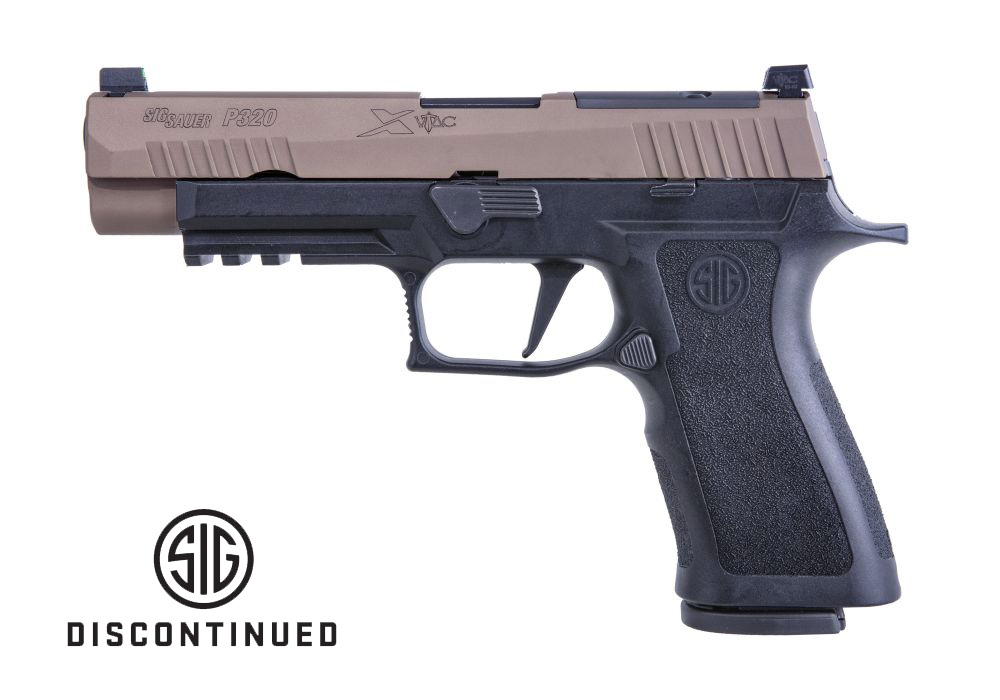
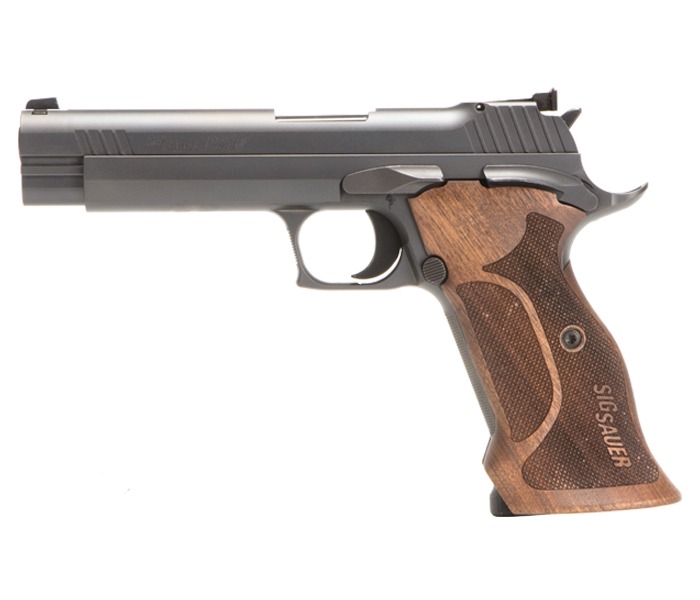
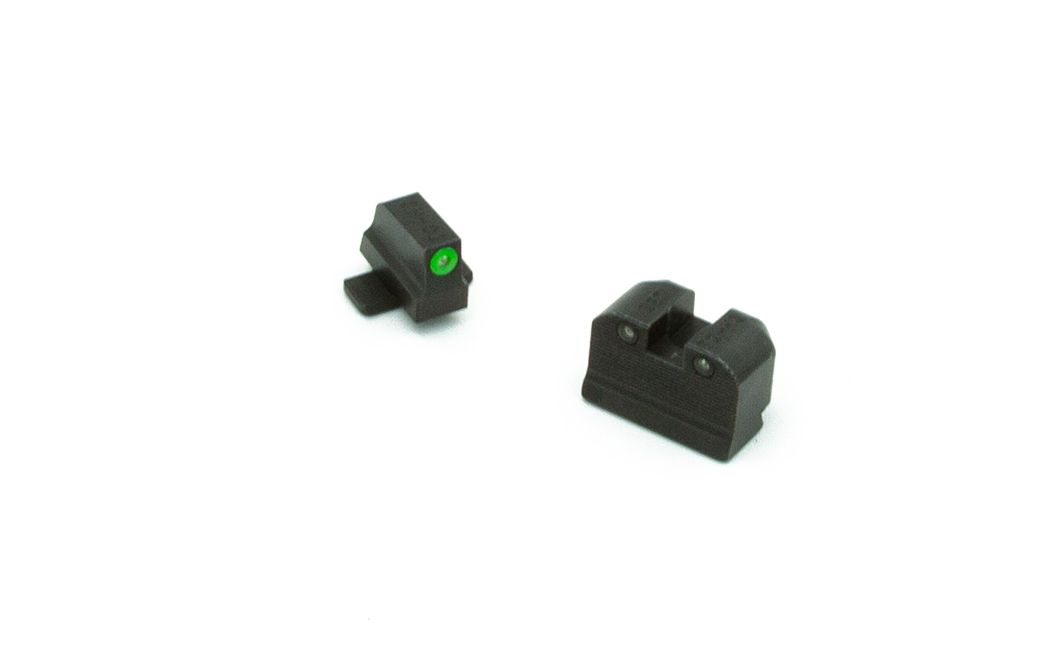
Precision sights are designed for shooters who want a clearer, more deliberate sight picture and a dependable way to align a firearm with the intended point of aim. Unlike a basic factory sight that may be chosen as a general-purpose compromise, precision sights are often selected for a particular handgun, shooting style, lighting condition, or level of adjustment. The right setup can help define the relationship between front sight, rear sight, and target, whether the goal is careful bullseye work, practical range training, competition, lawful personal protection, or a more confident experience during recreational shooting. Common configurations include fixed sights, adjustable target sights, fiber optic sights, tritium night sights, and other specialized aiming systems. Fiber optic models use a bright, ambient-light-gathering insert to create a high-contrast front sight in daylight, making them popular for outdoor ranges and fast sight acquisition. Tritium configurations use self-powered illumination to provide a visible reference in dim conditions, while adjustable target sights allow fine changes for windage and elevation when a shooter is carefully refining point of impact. Fixed sights can be valued for their simplicity, ruggedness, and ability to maintain a consistent zero once properly installed. When comparing precision sights, consider the firearm’s exact make and model, slide or receiver dimensions, mounting method, sight height, notch-and-post profile, and whether the sight is intended for a standard or extended capacity configuration. A sight that fits one platform may not fit another, even when the firearms appear similar, so compatibility information should always be checked before purchase. It is also worth considering the balance between a sharp, narrow sight picture and a wider, faster-to-index profile. A finely defined front blade can be useful for deliberate target work, while a more visible outline or contrasting insert may be easier to pick up during movement between targets. Finish, construction, edge treatment, and resistance to wear can matter just as much as the sighting insert itself, particularly for equipment that is handled frequently, carried in a holster, or exposed to changing weather during the cooler months.
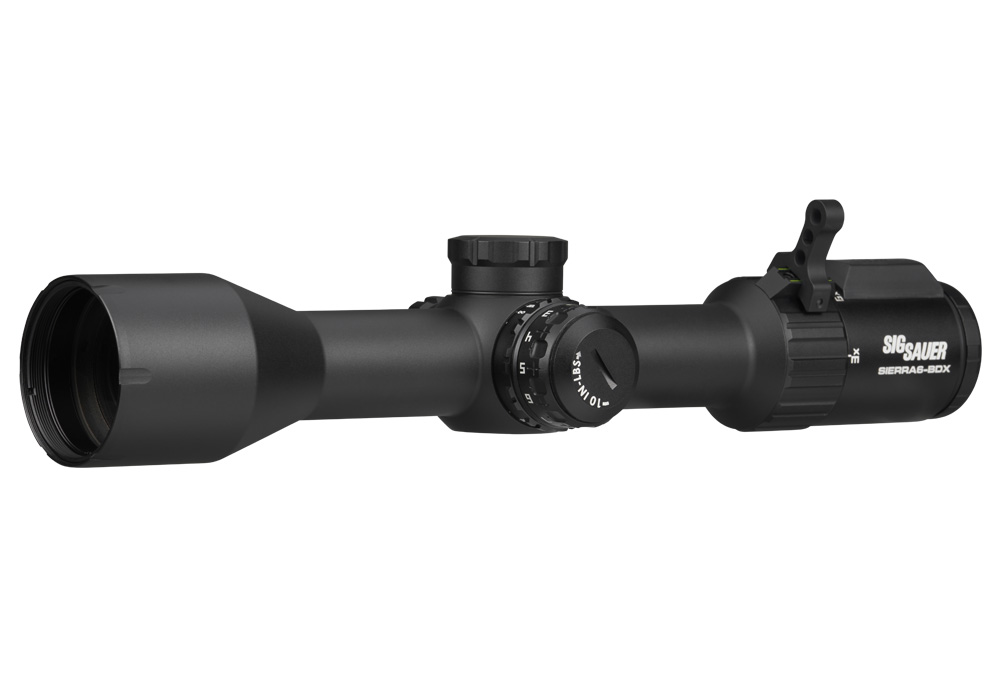
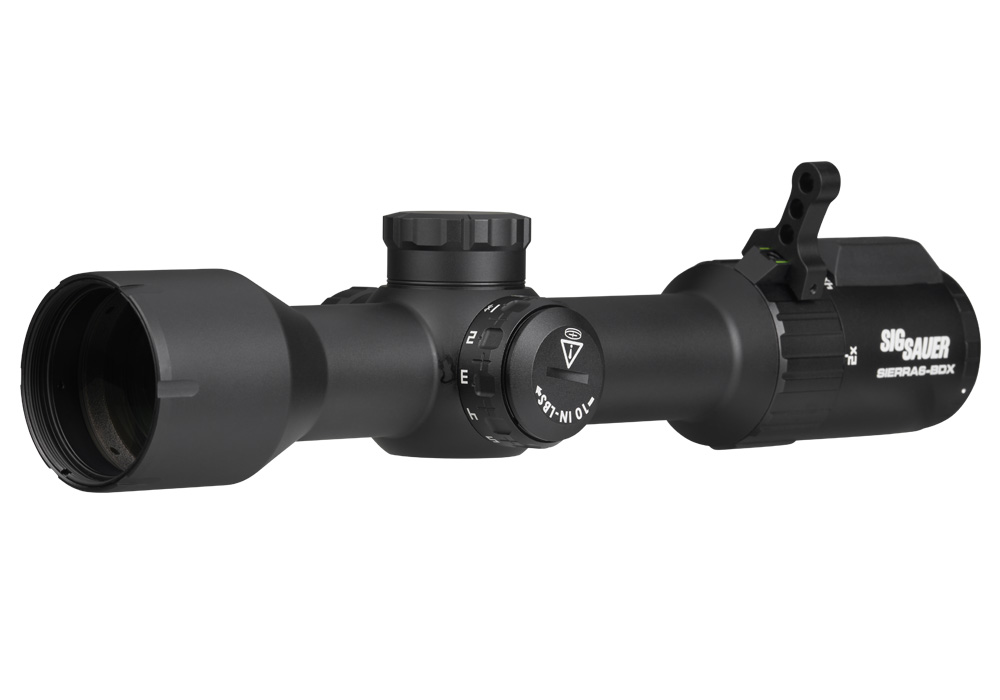
The best precision sights match the way a firearm is actually used. A competitive shooter may favor an adjustable rear sight with a crisp front blade, allowing careful elevation and windage corrections as ammunition, distance, or range conditions change. Someone who spends weekends at an outdoor range may prefer a fiber optic setup that stands out against a dark target backer or a shaded berm. For a defensive firearm, a low-profile fixed configuration or a low-light sighting option may offer a practical blend of visibility, durability, and snag resistance. Shooters who move between indoor and outdoor environments may look for a sight picture that remains legible under fluorescent lighting, open daylight, and the subdued light found around a covered firing line. The surrounding color and target background also influence visibility: a bright insert can contrast beautifully against a dark target, while a subdued profile may be less distracting when focusing on fine groups. Those who prefer a more expansive optical sighting picture can also explore Advanced Reflex Sight Optics for another approach to aiming and target acquisition. Precision sights can be a thoughtful gift for a responsible adult who already owns a compatible firearm, especially when the recipient enjoys range practice, competitive shooting, or maintaining and customizing equipment. Because fit is so important, the most useful gift is often chosen with the exact firearm model and the recipient’s preferences in mind rather than selected solely by appearance. A gift card, a sighting accessory, or professional installation may be a better choice when those details are unknown. For any shooter, a few practical questions can narrow the selection: Is the firearm used mostly in bright daylight or variable light? Is a clean target picture more important than the quickest possible acquisition? Does the shooter need user-adjustable windage and elevation, or is a durable fixed setup preferred? Will the sights be used with a holster, optic cut, suppressor, or other accessory that affects sight height? Answering these questions helps turn a broad category into a more useful, purpose-built choice.
Installation and setup deserve the same attention as the sight design itself. Precision sights should be installed on an unloaded firearm, with the action open and ammunition stored separately from the work area. Some sights require a dedicated sight pusher, fitting tools, thread-locking compound, or careful filing, and forcing a sight into place can damage the sight, slide, dovetail, or mounting hardware. Professional installation by a qualified gunsmith is a sensible option when specialized tools or fitting knowledge are required. After installation, the firearm should be checked for secure mounting and zeroed at an appropriate range using the ammunition and shooting position the owner expects to use. Small changes in sight height can affect point of impact, and adjustable sights should be moved in measured increments rather than turned repeatedly without recording the original setting. A simple range log noting ammunition, distance, lighting, and adjustments can be surprisingly helpful; many shooters discover that a sight picture that feels perfect under bright afternoon light looks different under an overcast sky or an indoor range’s subdued illumination. Keep lenses, sight inserts, and rear notches free from oil, lint, and debris, and inspect mounting screws and protective features as part of regular firearm maintenance. During seasonal changes, condensation and temperature shifts can affect visibility and handling, so storing equipment in a dry, controlled environment is especially worthwhile. Whether chosen for precise groups, faster alignment, low-light reference points, or a personalized range setup, precision sights are an investment in a more consistent connection between shooter, firearm, and target. The most satisfying setup is one that fits correctly, supports safe handling, remains visible in the conditions where it will be used, and feels natural every time the sights are brought into alignment.