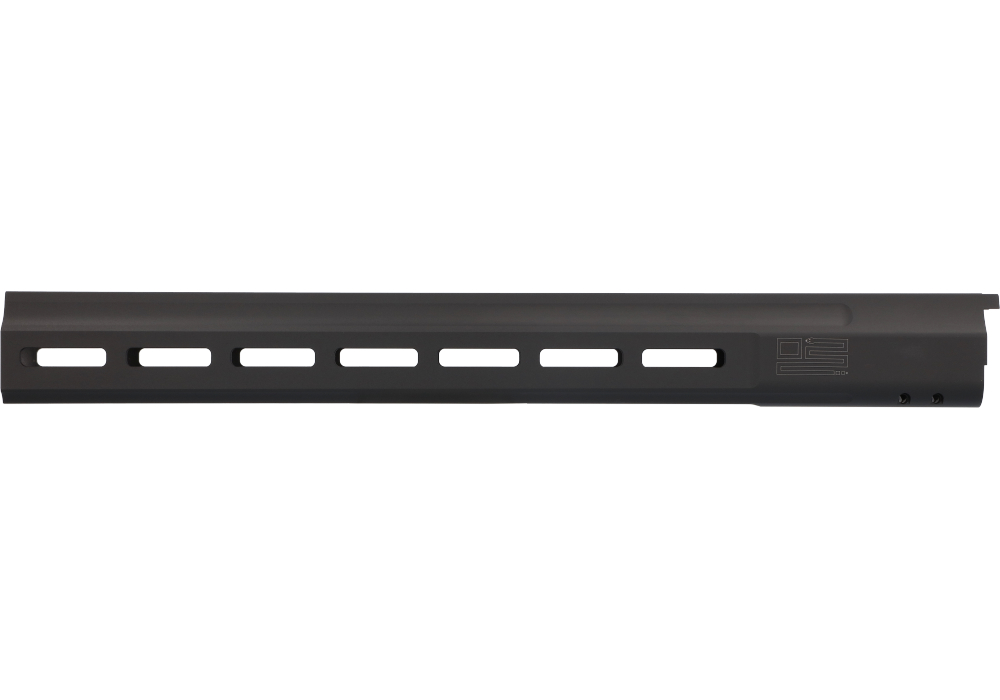
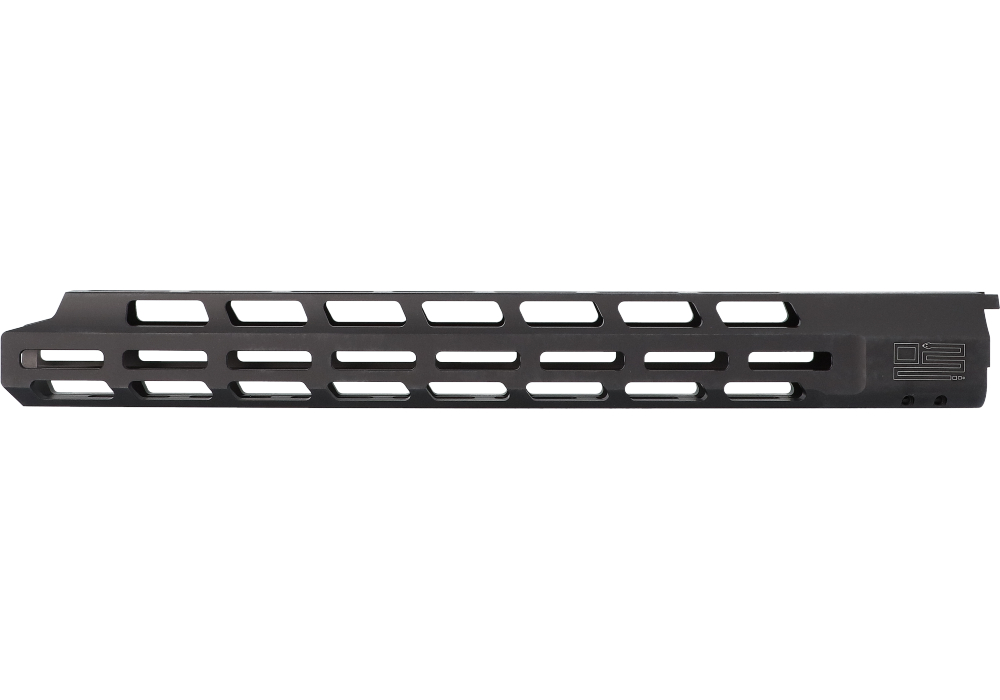
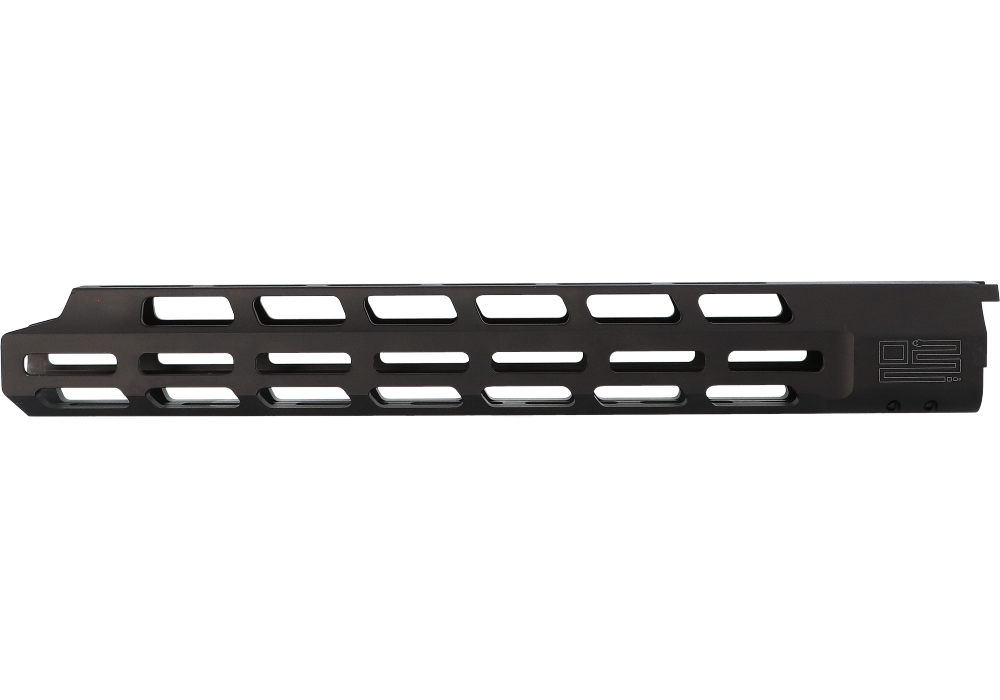
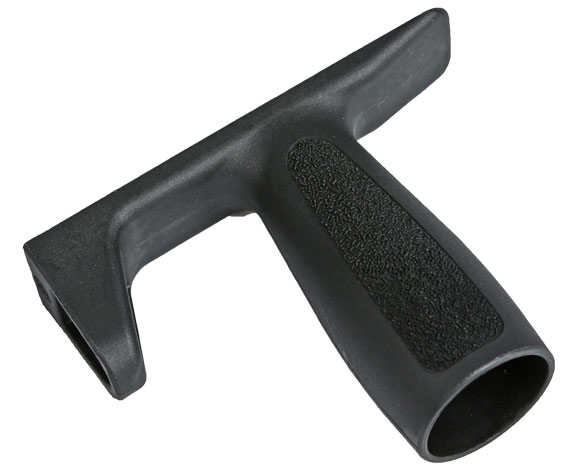
Rail system handguards are designed to protect the shooter’s support hand from barrel heat while creating a secure, organized foundation for accessories such as weapon lights, vertical or angled grips, sling mounts, and aiming equipment. When comparing options, start with firearm compatibility, since handguards are not universally interchangeable. The platform, caliber, gas system, barrel length, receiver configuration, and barrel nut specification all influence fit. A properly matched handguard should seat securely, align with the upper receiver when required, and leave the muzzle device, gas block, and operating components unobstructed. Many buyers also compare free-float and drop-in designs. A free-float handguard attaches to the receiver or barrel nut without contacting the barrel, which can help reduce outside pressure on the barrel and support consistent accuracy. A drop-in handguard fits into a traditional setup and may be a practical choice for those seeking a straightforward upgrade without replacing the barrel nut or making extensive changes to the firearm. Installation requirements vary, so it is important to review the manufacturer’s specifications and use the correct tools, torque values, and procedures. When in doubt, a qualified gunsmith can help confirm fitment and installation. Before handling or installing any firearm accessory, unload the firearm, remove all ammunition from the work area, and verify the chamber is clear according to the firearm’s safety procedures.
Rail system handguards are available in several mounting patterns, each offering a different balance of accessory flexibility, weight, comfort, and appearance. Picatinny, also known as MIL-STD-1913 rail, uses continuous crosswise slots and provides a highly established interface for compatible accessories. A full-length quad rail places rail sections on all four sides, offering extensive mounting positions and a rugged feel, though it can add weight and may feel less comfortable against an uncovered hand. M-LOK handguards use elongated negative-space slots that allow accessories or short rail sections to attach only where needed. This can create a slimmer, lighter setup with a smoother gripping surface and less unused hardware. KeyMod handguards use keyhole-shaped slots and remain compatible with many accessories, making them relevant for existing builds and replacement setups, although buyers should confirm that each accessory matches the selected mounting pattern. Some handguards combine mounting systems by placing a continuous top rail along the receiver and using accessory slots on the sides and bottom. This arrangement can preserve a familiar optic-mounting surface while keeping the support-hand area streamlined. Rail length is another important consideration. Shorter handguards can suit compact configurations and leave more barrel exposed, while mid-length and extended designs provide additional room for hand placement, lights, sling hardware, and other accessories. A longer handguard may also offer more flexibility for modern shooting positions, but it can add weight and may not fit every gas system or barrel profile. The best length is determined by the firearm’s configuration, intended use, preferred grip, and the need to access the gas block or muzzle device.
Material and construction affect both durability and handling. Aluminum handguards are common because they provide a strong, rigid structure without the weight of heavier materials, while protective finishes help resist wear from regular handling, storage, and outdoor use. Look for secure attachment hardware, consistent machining, reinforced mounting areas, and edges that are comfortable during extended practice. Heat management also matters: a handguard with ventilation slots can help reduce retained heat, but it does not eliminate the need for proper gloves, safe handling, and awareness of barrel temperature during repeated firing. Accessory placement should be deliberate rather than excessive. A light should be positioned where it can be activated without shifting the firing grip, a grip should support natural wrist alignment, and sling hardware should avoid snagging on clothing or equipment. Many shooters appreciate the ability to configure a handguard gradually, adding only the accessories that serve a clear purpose. This makes rail system handguards useful for recreational range users, competitive shooters, hunters, training professionals, and firearm owners refining an established setup. They can also be a thoughtful gift for an experienced firearm owner, especially when the recipient’s platform and mounting preference are known; a gift card or carefully confirmed accessory is safer than guessing at compatibility. For additional options across configurations and mounting styles, explore Firearm Handguards. As the weather warms or during the cooler months, a well-fitted handguard can make outdoor practice more comfortable by improving control, protecting the support hand, and keeping essential accessories positioned exactly where they are needed.