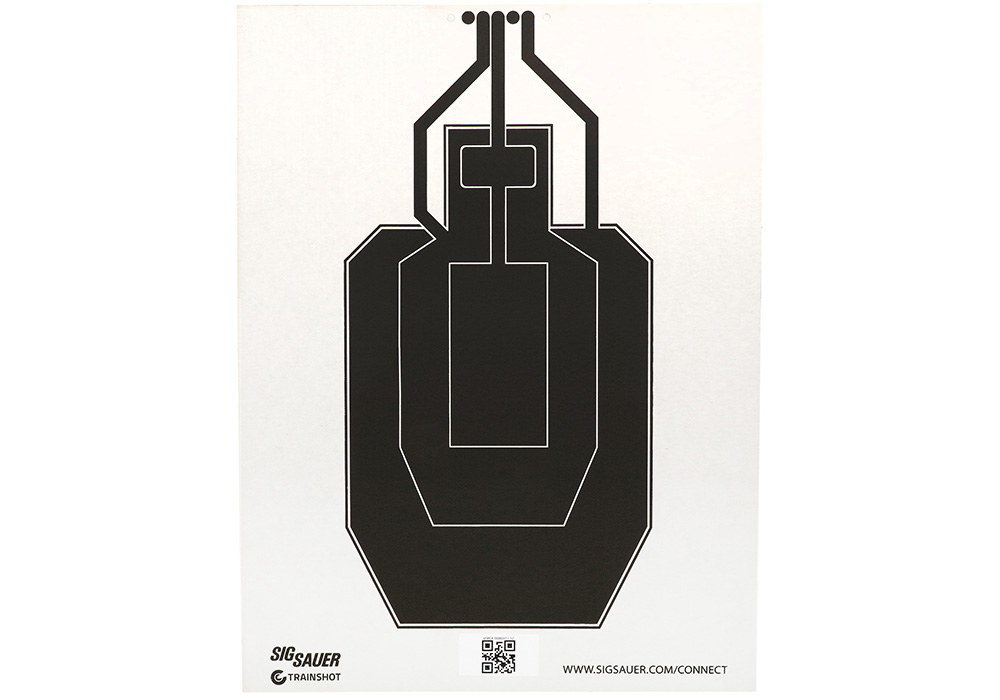
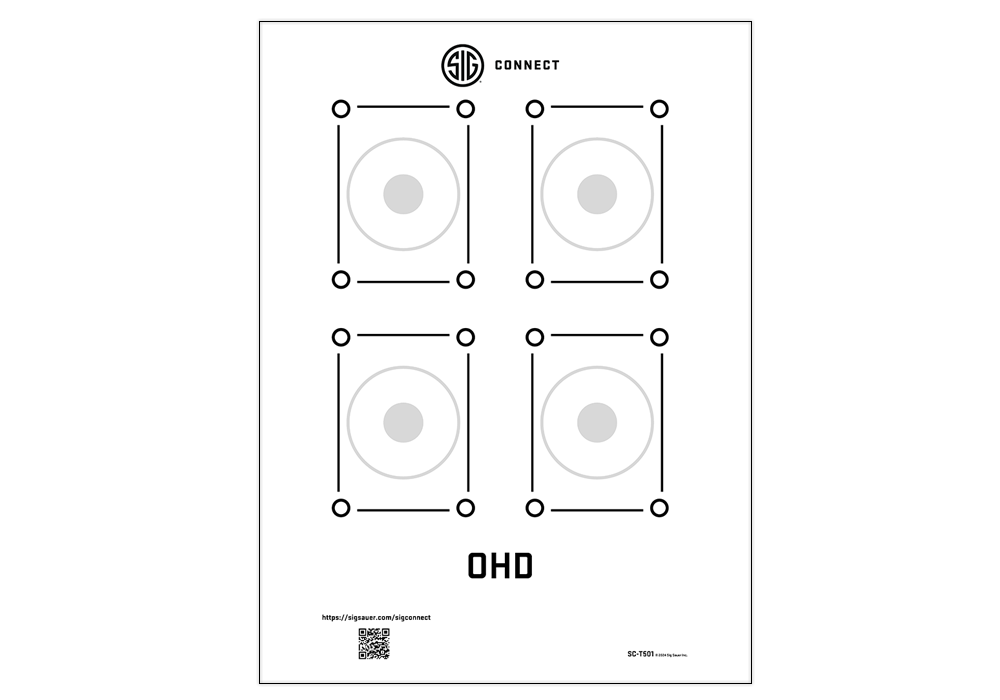
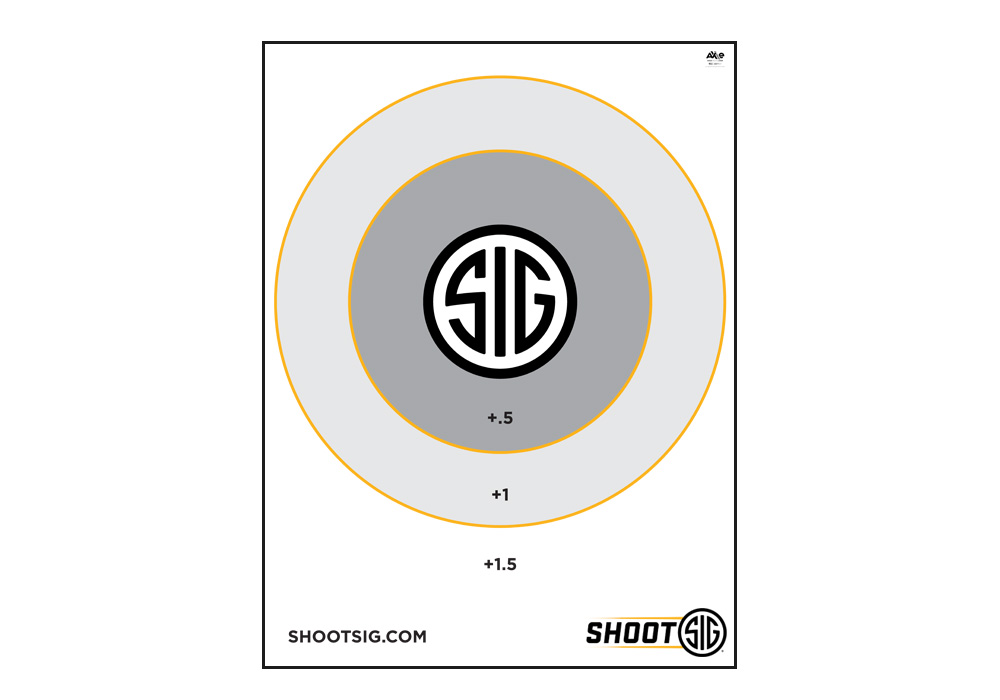
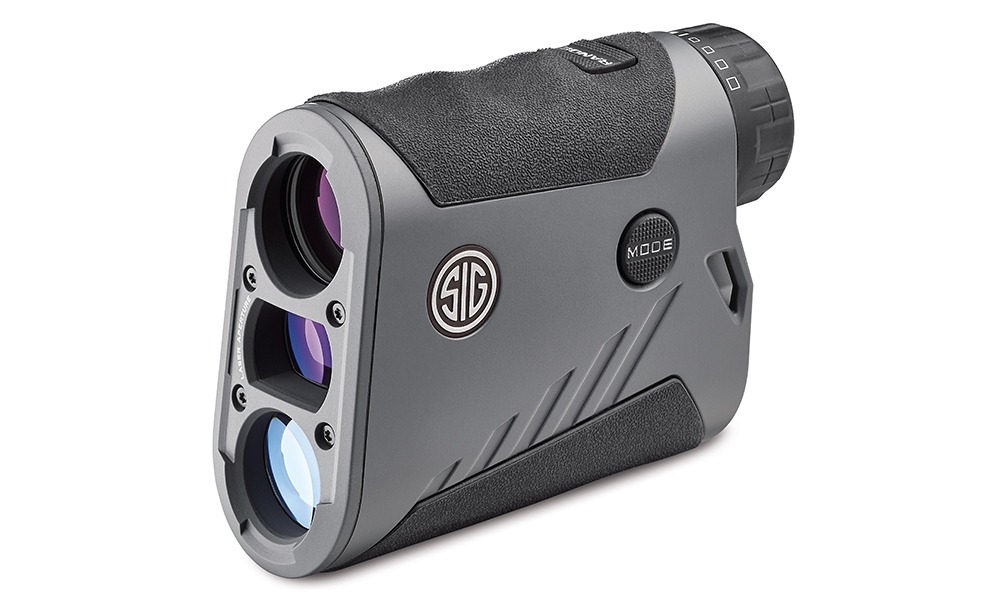
Range targets give every practice session a clear point of focus, whether you are checking sight alignment, refining trigger control, confirming a zero, or building confidence through repeatable drills. The right choice depends on the firearm, distance, range setup, and kind of feedback you prefer. Paper targets remain a versatile option for pistols, rifles, and rimfire firearms because they provide an easy-to-read record of shot placement. Grid patterns help with sight adjustments and group analysis, while high-visibility designs make individual hits easier to see from the firing line. Splatter-style surfaces can highlight bullet holes with a contrasting ring, which is especially useful when you are working at longer distances or sharing a target with another shooter. Silhouette outlines can support practical presentations and center-mass drills, while smaller aiming points encourage careful sight alignment and steady fundamentals. Paper targets are simple to transport, quick to mount, and useful for nearly every skill level, though they do require regular replacement. When shopping, consider the target’s dimensions, paper weight, printed aiming points, and compatibility with your range’s stands or backers. A large format can be helpful for introductory sessions, while compact bullseyes are well suited to sight-in work and precise group tracking. For a broader selection of shooting accessories that can support setup and practice, visit Range Equipment.
Steel targets offer a different style of feedback, with a visible movement or clear sound that confirms a hit without requiring a walk downrange after every string. They are often selected for outdoor practice, repeated drills, and sessions where fast confirmation helps maintain a steady rhythm. Available designs can include round plates, silhouettes, gongs, and other reactive arrangements, each suited to a different training goal. A fixed plate can support accuracy work, while a moving or rotating target adds timing and tracking demands for shooters who want a more dynamic challenge. Steel selection requires careful attention to the target’s material, thickness, mounting system, and stated caliber rating. Use only ammunition and distances approved by the target manufacturer, and follow the range’s rules for placement, angle, and protective barriers. Steel should be positioned so fragments travel safely toward the intended backstop, with the face kept in the proper condition and orientation. A damaged, deeply pitted, or incorrectly installed plate can increase the risk of hazardous fragmentation, so inspect hardware and target surfaces before each session. Steel targets can be a thoughtful gift for an experienced range user who already has suitable space and understands the required safety practices, while paper targets, stands, pasters, and target holders are approachable choices for newer shooters building a basic kit. During cooler months, durable materials and secure mounting become even more valuable as changing weather, uneven ground, and heavier clothing can affect setup and visibility.
Reactive targets bring movement, sound, or visual change to practice and can help keep drills engaging for families of shooters who use an approved range under appropriate supervision. Spinner-style targets, swinging plates, resettable paddles, and resilient polymer shapes each create a different response when struck. These options can be useful for rimfire practice, handgun drills, and informal skill-building when the goal is to see how quickly a shooter can recognize a hit and prepare for the next aiming point. They also work well for introducing new shooters to the idea of deliberate sight alignment and controlled trigger presses, since the target response provides a clear result without requiring an immediate inspection. Before choosing a reactive design, review the intended firearm, ammunition, minimum distance, and mounting requirements. Some targets are intended only for lower-energy cartridges, while others are built for more demanding outdoor use; matching the target to the firearm is essential. Think about portability as well: a compact setup may suit a shooter who visits several ranges, while a heavier stand can provide greater stability for a dedicated practice area. A complete range target kit may include paper or reactive targets, a reliable stand, clips or holders, adhesive pasters, a staple tool, and a marker for noting distance or drill details. Keeping a few target styles available allows a shooter to shift from careful group work to timed practice without changing the entire session. Whether purchased for personal training, shared range days, or a practical gift for someone who enjoys refining their skills, well-chosen range targets turn each trip into an organized opportunity to observe progress, adjust technique, and practice with purpose.