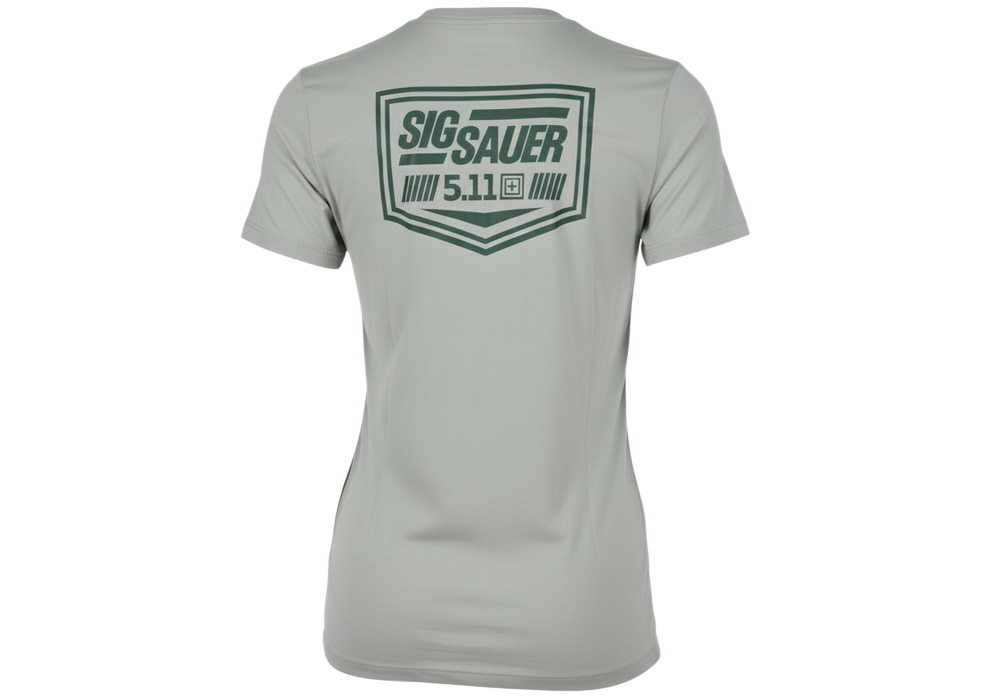
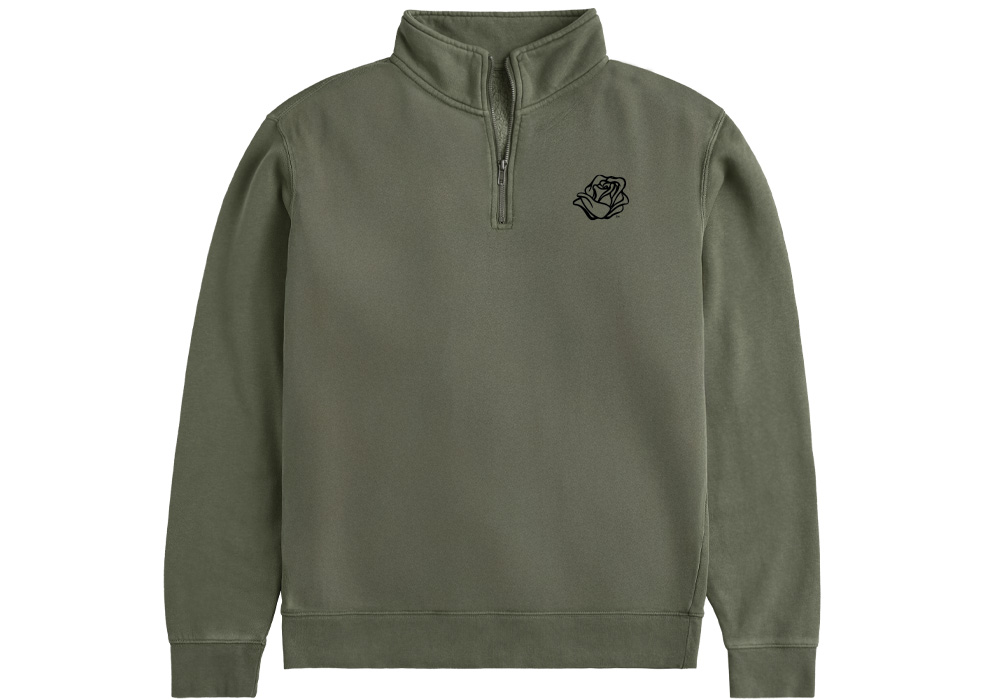
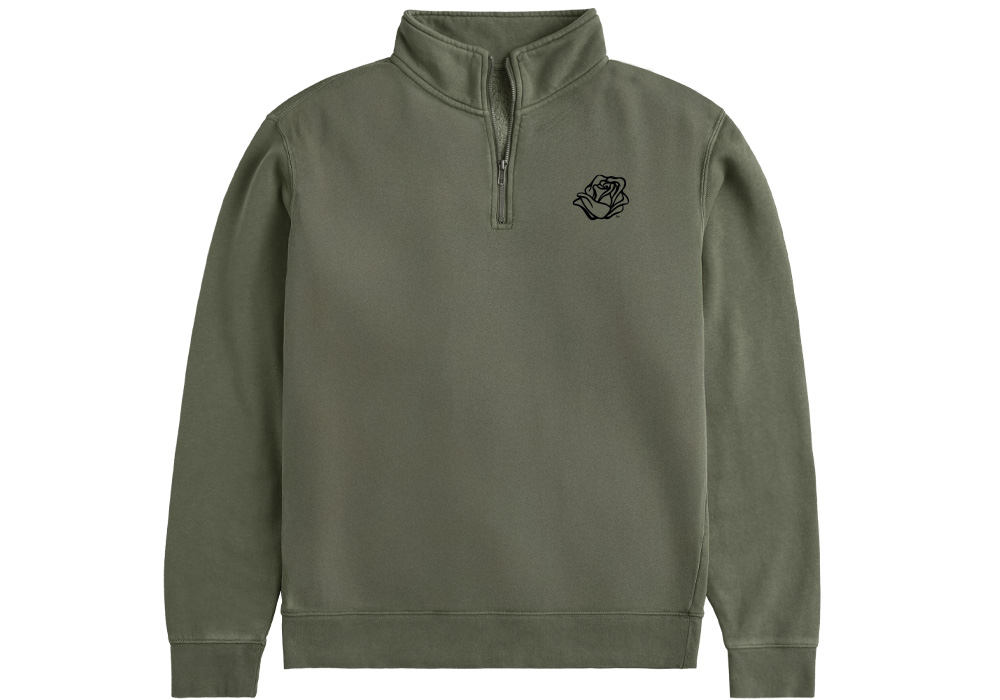
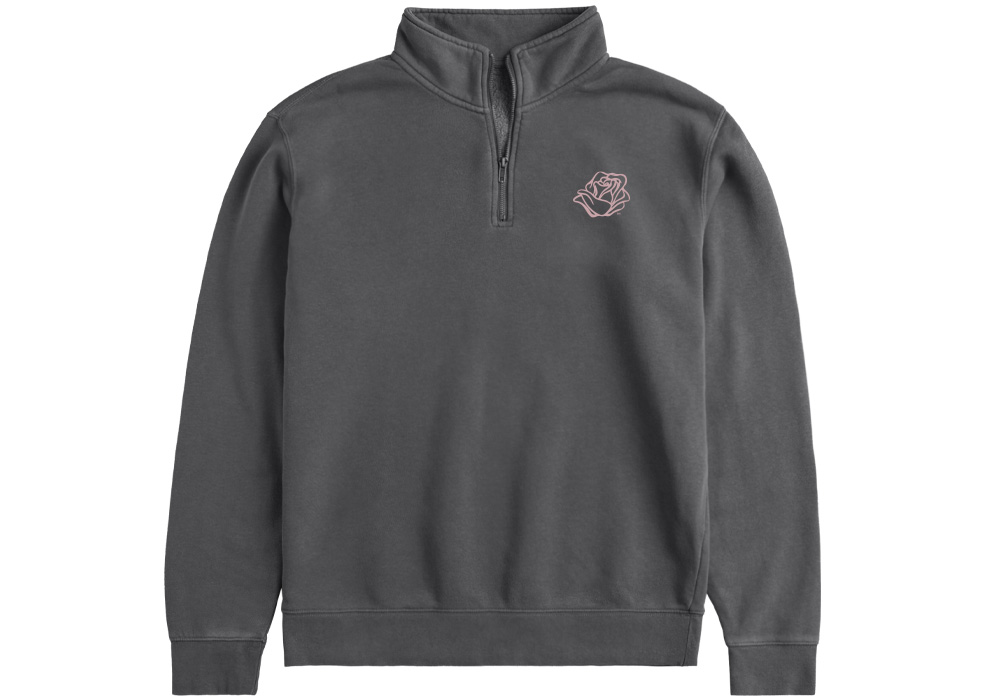
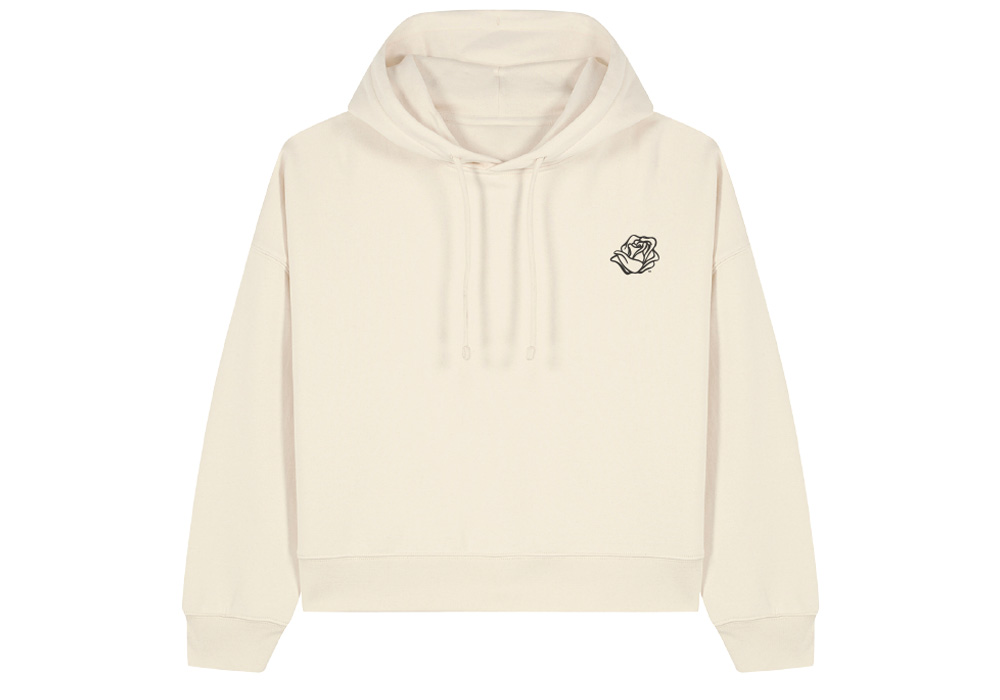
Range Wear is built around comfort, coverage, and practical movement—the details that help make a day at the shooting range more enjoyable from the first preparation through the last session. Clothing for the range should allow you to move naturally while keeping you protected from common irritants such as hot cartridge cases, dust, debris, and changing weather. Start with a shirt that provides comfortable coverage around the neckline and shoulders. High-crew and mock-neck styles help reduce the chance of hot brass contacting exposed skin, while sleeves can offer additional protection depending on the conditions and your personal preference. A well-fitted shirt is generally a better choice than anything excessively loose, since baggy fabric can catch on equipment, interfere with a secure stance, or become uncomfortable beneath eye and hearing protection. Breathable materials are especially useful during warmer portions of the season, while soft, insulating layers become more valuable as temperatures drop. Choose fabrics that hold up to repeated wear and washing, and be mindful of lightweight synthetic materials near exposed skin, as some can melt or cling when touched by a hot casing. Durable jeans, field pants, and other hard-wearing bottoms should provide enough stretch for walking, bending, kneeling, and getting into a steady shooting position without binding at the waist or knees. Pockets can be helpful for carrying small personal items, but they should not become overloaded or interfere with safe handling. Closed-toe footwear is essential for range use. Sturdy sneakers, work shoes, or boots with reliable traction help protect feet from spent casings and uneven ground, whether you are spending time on an indoor firing line or walking between stations at an outdoor facility. Sandals, flip-flops, slides, and other open footwear leave too much skin exposed and are not appropriate for a shooting environment.
The best range clothing also works with the rest of your safety equipment rather than competing with it. Eye and hearing protection should fit securely without being blocked by a hat, hood, collar, or bulky layer. A brimmed cap can help shield the eyes and face from glare, rain, and falling debris, and it may also help prevent hot brass from landing on the forehead or slipping behind eyewear. Avoid large or dangling jewelry, long scarves, drawstrings, and loose accessories that can catch on gear or become a distraction while you are on the line. Clothing should remain comfortable when worn beneath a range bag strap or an outer layer, and it should provide enough flexibility for loading magazines, adjusting equipment, and maintaining a consistent grip. During cooler months, a simple layering system is often more useful than one heavy garment. A moisture-managing base layer can help keep you comfortable, an insulating middle layer adds warmth when needed, and a weather-resistant outer layer can provide protection during wind or light precipitation. Select layers that can be removed without creating clutter at the firing position. For outdoor sessions, consider how much time will be spent standing, walking, or waiting between strings of fire; a garment that feels comfortable for a few minutes may feel very different after several hours in changing conditions. Indoor ranges may call for lighter clothing because enclosed spaces can become warm, while outdoor ranges can require extra attention to wind, sun, and changing temperatures. Regardless of the setting, range wear should support safe habits, clear movement, and a focused experience without requiring constant adjustment.
Range Wear can be a practical choice for experienced shooters, new range visitors, instructors, outdoor enthusiasts, and anyone who appreciates clothing designed for active use. It can also make a thoughtful gift for someone preparing for their first range visit, joining a recreational shooting group, or spending more time practicing during the cooler months. When selecting apparel as a gift, focus on versatile sizing, durable construction, comfortable materials, and neutral styling that can be worn both at the range and during everyday outdoor activities. A useful gift does not need to be complicated; a dependable shirt with a protective neckline, a pair of flexible pants, a sturdy pair of closed-toe shoes, or a brimmed cap can become part of someone’s regular range routine. Pairing apparel with appropriate eye and hearing protection can help a new shooter arrive prepared, while adding Range Targets can support organized practice for those who enjoy tracking their progress. Before heading out, check the facility’s dress requirements, since some ranges may have specific rules regarding footwear, necklines, sleeves, or the use of certain accessories. It is also worth considering the fit of clothing with the equipment you already use; waistbands should remain comfortable while standing or seated, sleeves should not obstruct protective equipment, and outer layers should not limit movement. Keep a spare shirt or extra layer in your range bag for longer sessions, especially when the weather is unsettled. With practical coverage, sturdy footwear, comfortable fabrics, and enough flexibility for natural movement, the right range clothing helps you stay attentive to the experience and prepared for conditions that can change from the parking area to the firing line.
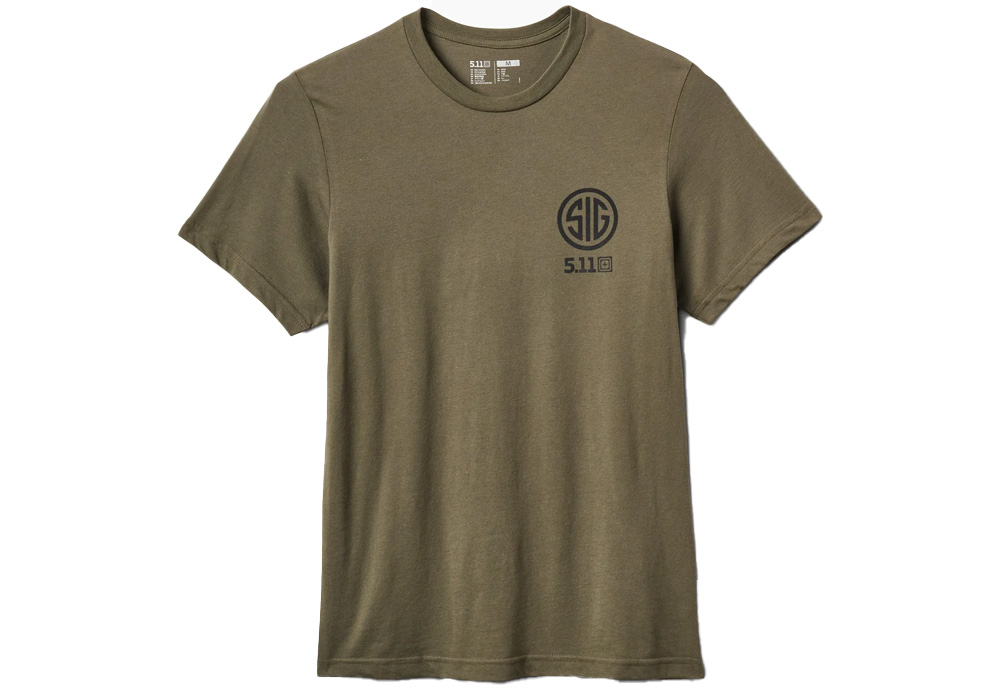
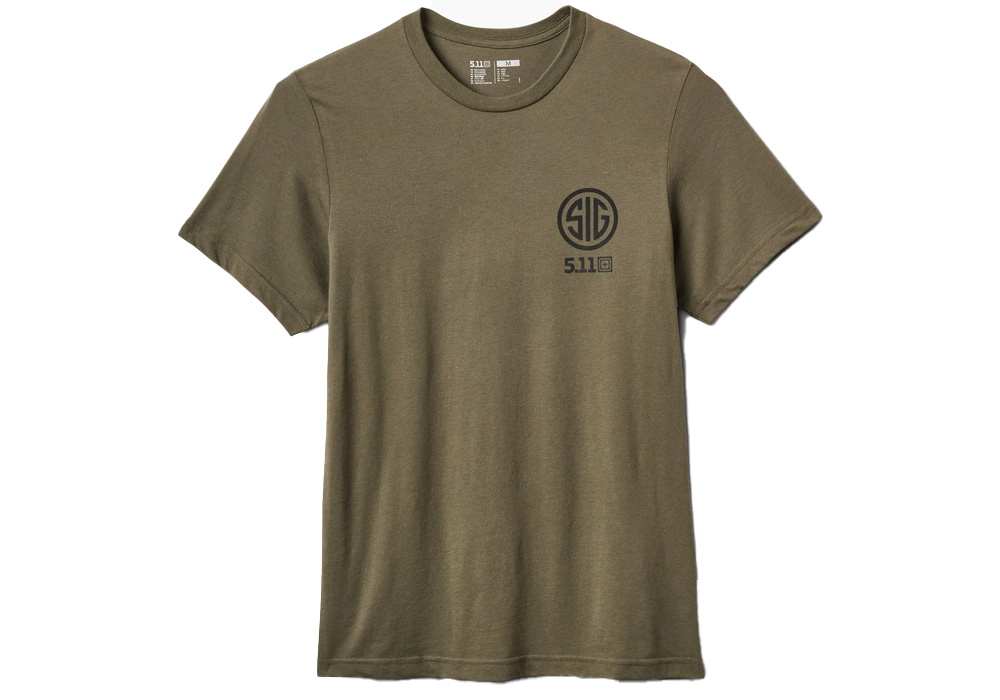
![5.11 SIG SAUER TACTILE TACTICS SHORT SLEEVE TSHIRT - ODG [MED LEFT]](http://www.sigsauer.com/media/catalog/product/8/3/8301123-web-front.jpg)

![SIG SAUER NINE LINE HOODIE [MED LEFT]](http://www.sigsauer.com/media/catalog/product/8/3/8300659-front_2.jpg)
![SIG NINE LINE GREY MARK - MEN'S TSHIRT - BLACK [SM LEFT]](http://www.sigsauer.com/media/catalog/product/8/3/8300870-web-front.jpg)
![SIG SAUER CALIFORNIA BEAR - MEN'S TSHIRT [LG & 2XL LEFT]](http://www.sigsauer.com/media/catalog/product/8/3/8301131_-_web-_front_6.jpg)