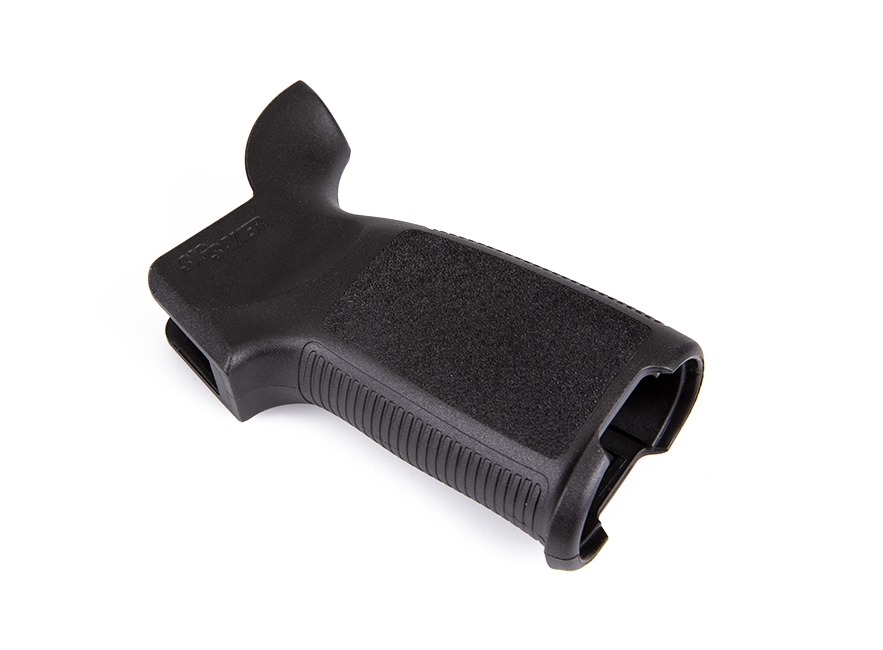
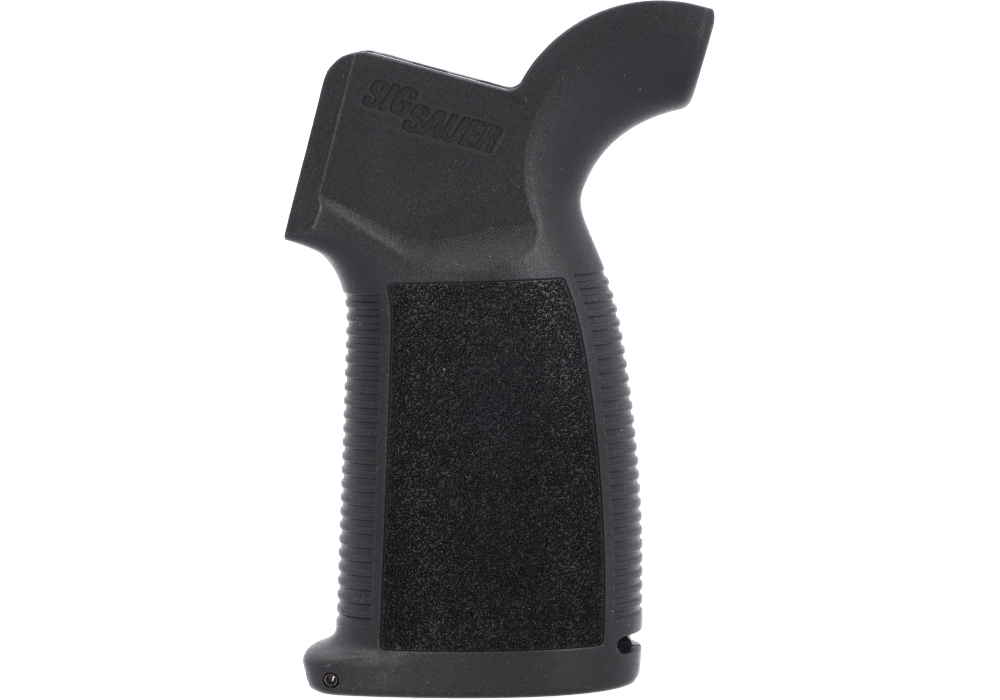
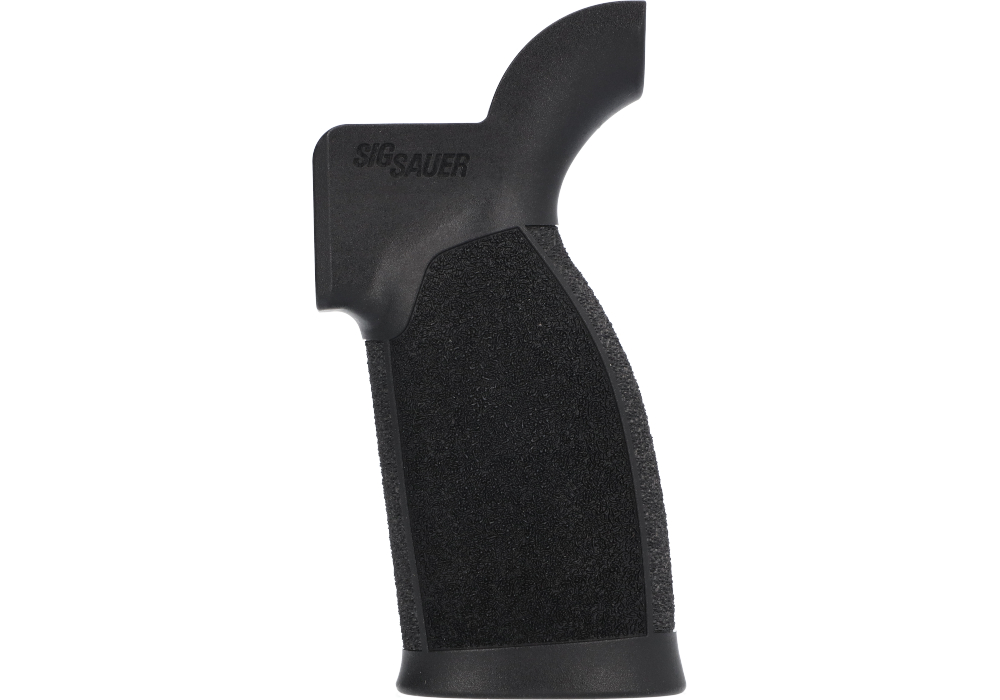
Recoil management grips are designed to help shooters maintain a more consistent, comfortable connection with a handgun or long gun while managing the movement produced when a round is fired. In this category, “grip” may refer to a replacement grip, grip panels, a grip sleeve, or another interface that changes how the firearm fits the hand. Materials and shapes vary, but common features include resilient rubber or polymer construction, molded contours, palm swells, finger indexing, and texturing intended to reduce slipping as the hands become warm, damp, or fatigued. A well-chosen grip cannot eliminate recoil, but it can help distribute pressure across the hand, reduce uncomfortable hot spots, and make it easier to return the sights to the target. That benefit can be especially noticeable with compact handguns, revolvers, sporting firearms, or any setup that produces more movement than a shooter comfortably manages with the factory configuration. When comparing recoil management grips, begin with firearm compatibility. Check the exact make, model, frame size, generation, and configuration, since grip dimensions and mounting points can differ even within the same product family. Consider whether the grip allows normal access to the magazine release, safety, slide stop, hammer, or other controls, and confirm that it does not interfere with a properly fitted holster, case, or storage solution. Texture is another important choice: aggressive stippling can provide a confident hold for range use, while a smoother surface may be more comfortable during extended carry or repeated contact with clothing. Soft materials can cushion the hand, whereas firmer materials may provide a more direct feel and clearer feedback. Shooters with larger hands may prefer a fuller profile that fills the palm; those with smaller hands may benefit from a slimmer shape that allows the fingers to close naturally without shifting the trigger finger out of a safe position. Any installation or adjustment should be performed with the firearm unloaded, the action open, and the chamber and magazine well verified clear, following the manufacturer’s instructions or consulting a qualified gunsmith when needed.
Grip equipment works best when it complements sound technique rather than attempting to replace it. A strong foundation starts with a high, secure hand position on the backstrap or tang, keeping the bore axis as close to the wrist as the firearm’s design allows. The dominant hand should maintain a firm, even hold without forcing the trigger finger into the frame, while the support hand fills the open areas of the grip and applies steady pressure from the sides. Many shooters find that an isometric push-pull relationship helps: the dominant hand provides controlled forward pressure as the support hand draws slightly rearward, creating stability without squeezing so hard that the hands begin to tremble. Keep the wrists firm and allow the arms to work as a connected structure, with the elbows and shoulders relaxed enough to track naturally. Recoil will still be present, but a consistent grip can help direct that movement rearward and upward in a predictable way instead of allowing the firearm to shift or rotate in the hands. Avoid relying on a “death grip,” which can lead to fatigue and inconsistent trigger control. Practice with the firearm pointed in a safe direction and use a deliberate pace, checking that the grip remains consistent from shot to shot. During live-fire practice, hearing and eye protection are essential, and shooters should follow all range rules and applicable laws. Recoil management grips may be useful for new shooters building confidence, experienced shooters refining performance, people with hand discomfort, or anyone who spends long sessions practicing from a fixed platform. They can also be a thoughtful gift for a responsible firearm owner who has recently changed hand size, added a new firearm to a collection, or wants a more personalized fit. A grip is a hands-on upgrade, so the best choice often comes from understanding the recipient’s firearm, preferred shooting activity, and comfort priorities rather than choosing by appearance alone.
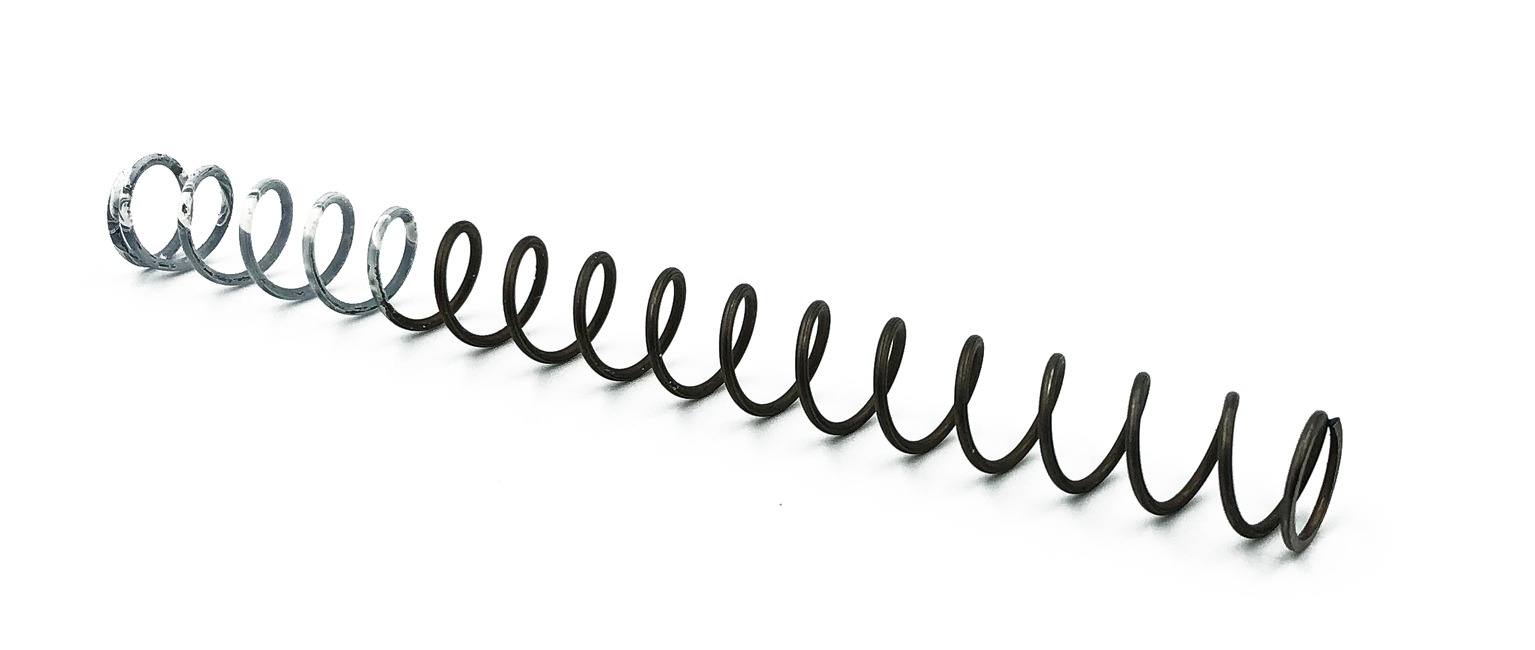
For shooters exploring related ways to improve comfort and reliability, Handgun Recoil Kits may be worth considering alongside a properly fitted grip. Grip changes and recoil-system components serve different purposes, so compatibility remains the central consideration; a grip changes the shooter’s interface with the firearm, while a recoil kit may address internal cycling components according to the firearm’s design and intended ammunition. Combining accessories should never compromise safe function, trigger control, access to controls, or the ability to secure the firearm in an appropriate holster or storage container. It is wise to test any new grip with the unloaded firearm first, checking reach, control access, and hand placement before moving to controlled practice with suitable ammunition. During warmer weather, textured surfaces and secure contours can be helpful when hands perspire during outdoor range sessions; during cooler months, a grip that remains manageable with gloves or heavier clothing may be more practical. Shooters who train outdoors may also value durable materials that tolerate regular handling, cleaning, and transport, while occasional range users may place greater emphasis on softness and everyday comfort. Keep in mind that perceived recoil is influenced by more than the grip alone, including firearm weight, caliber, action type, ammunition, stance, and individual hand strength. A comfortable grip can make practice more enjoyable and encourage more consistent training, but safe handling habits remain the foundation of every session. Store firearms and ammunition securely, inspect accessories for wear, and replace any component that becomes loose, cracked, excessively worn, or unable to maintain a dependable fit. With careful selection and responsible practice, recoil management grips can provide a practical way to personalize a firearm, support steadier handling, and make time at the range more comfortable across a wide range of shooting experiences.