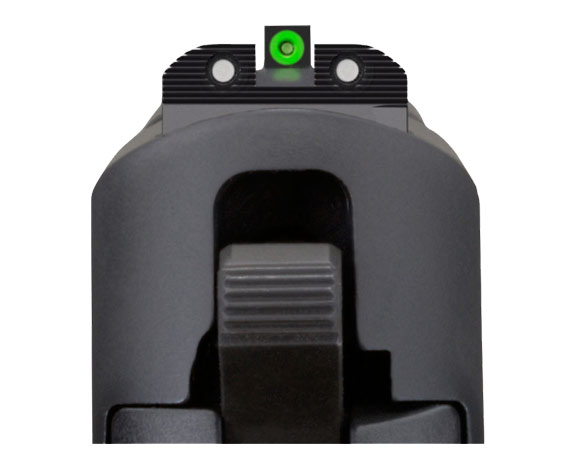
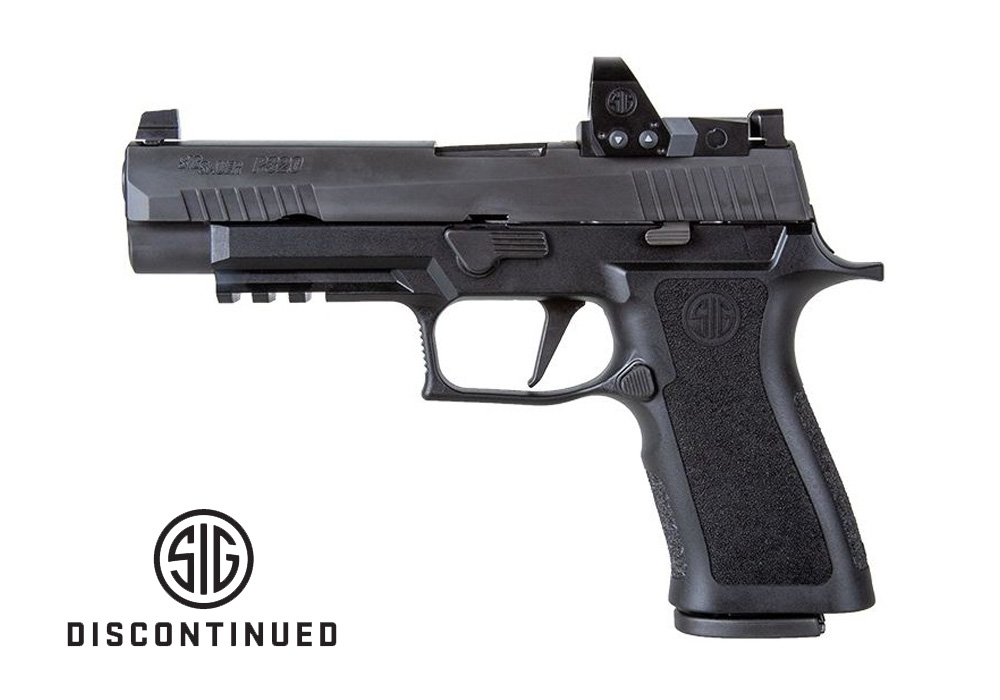
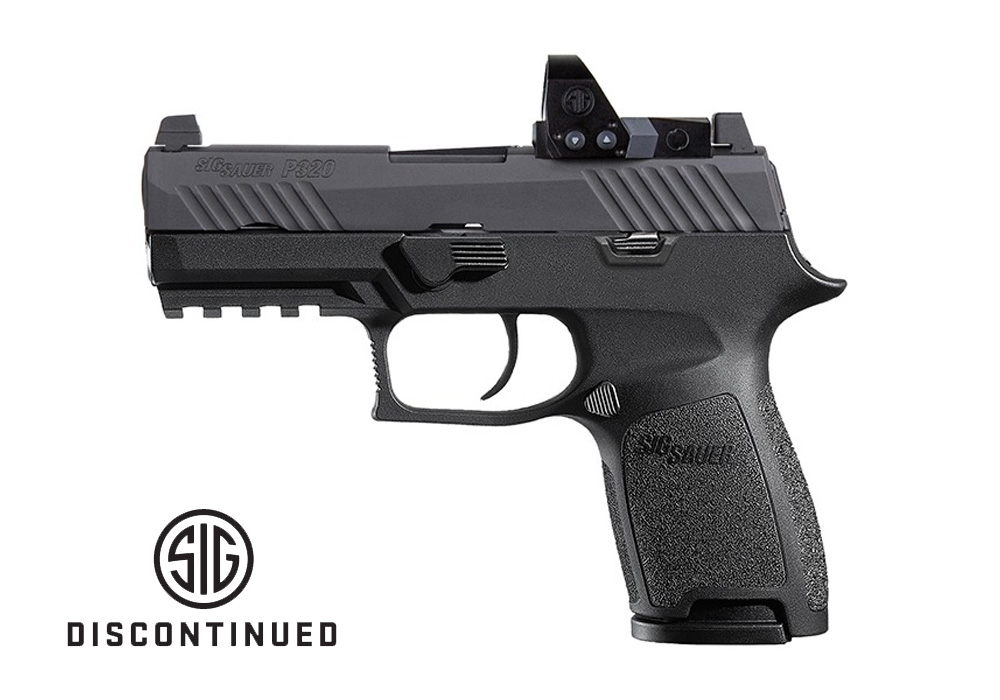
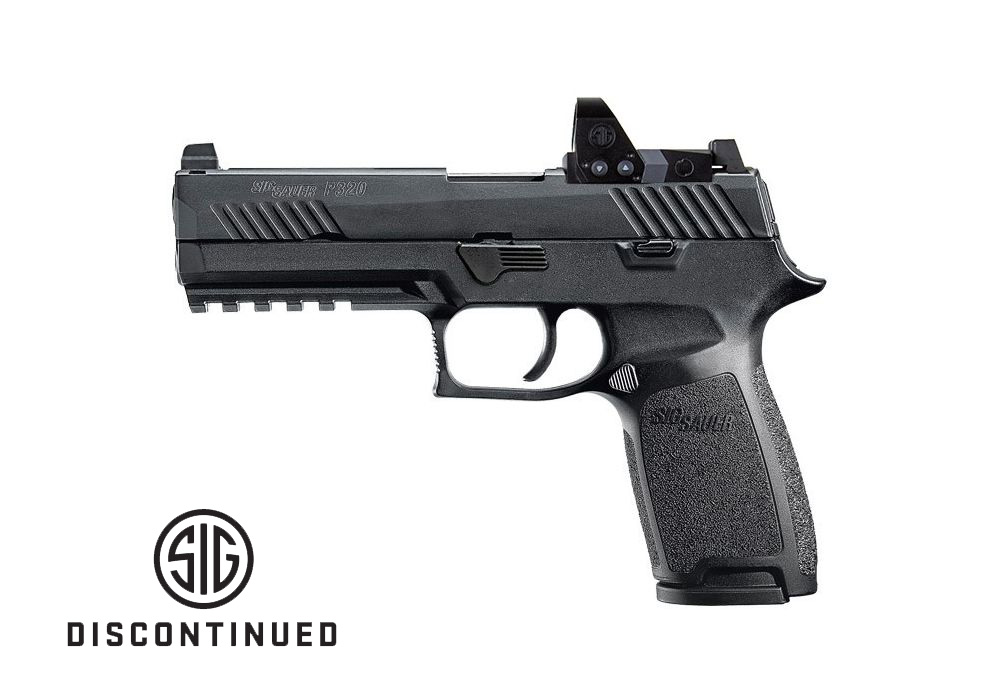
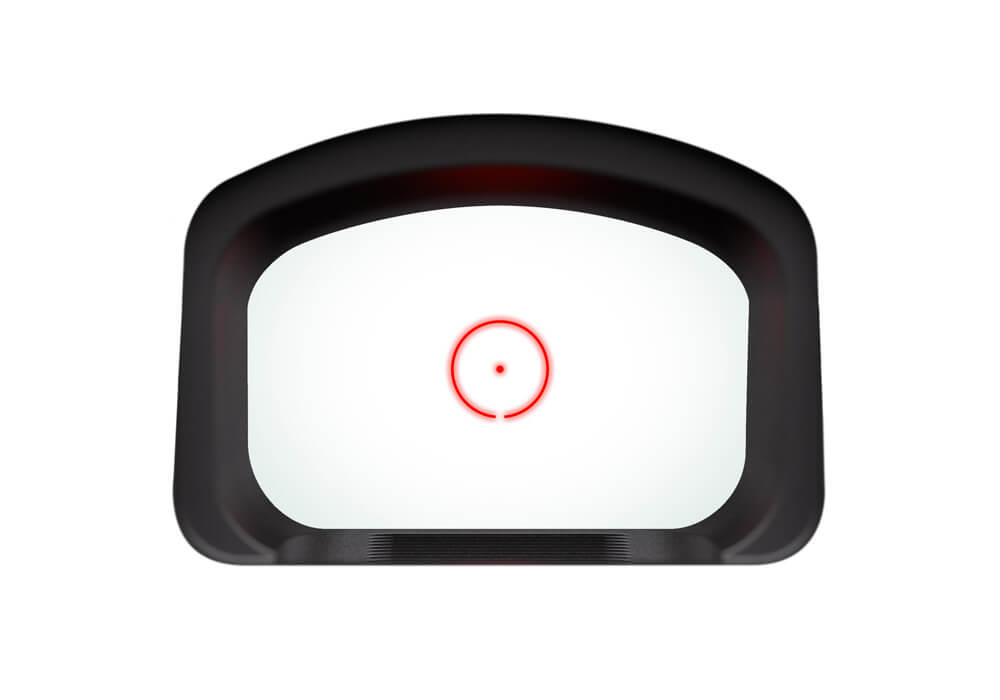
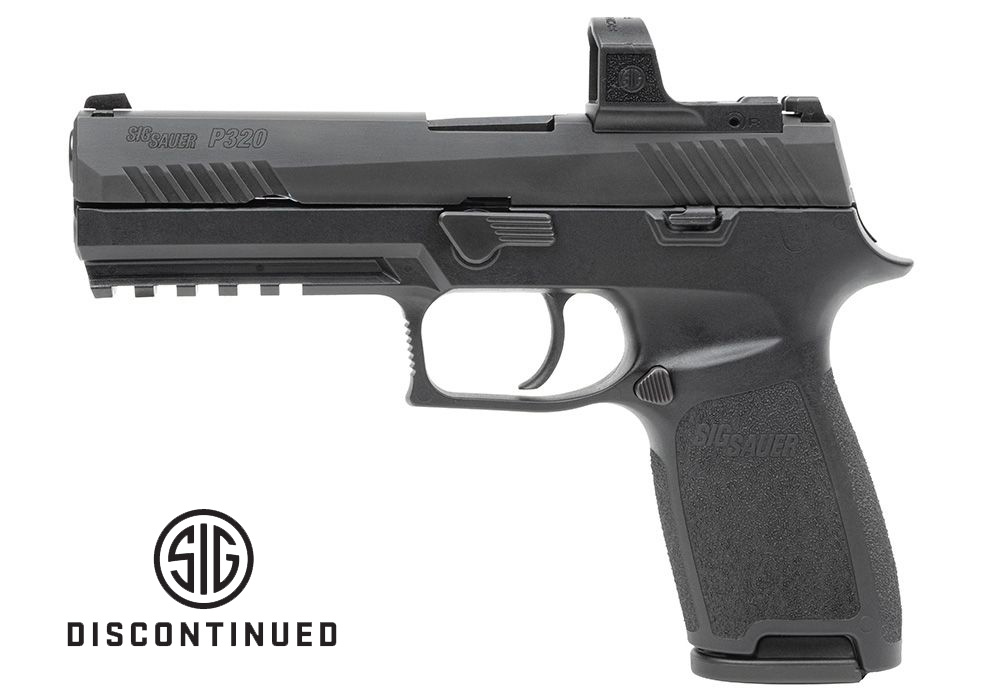
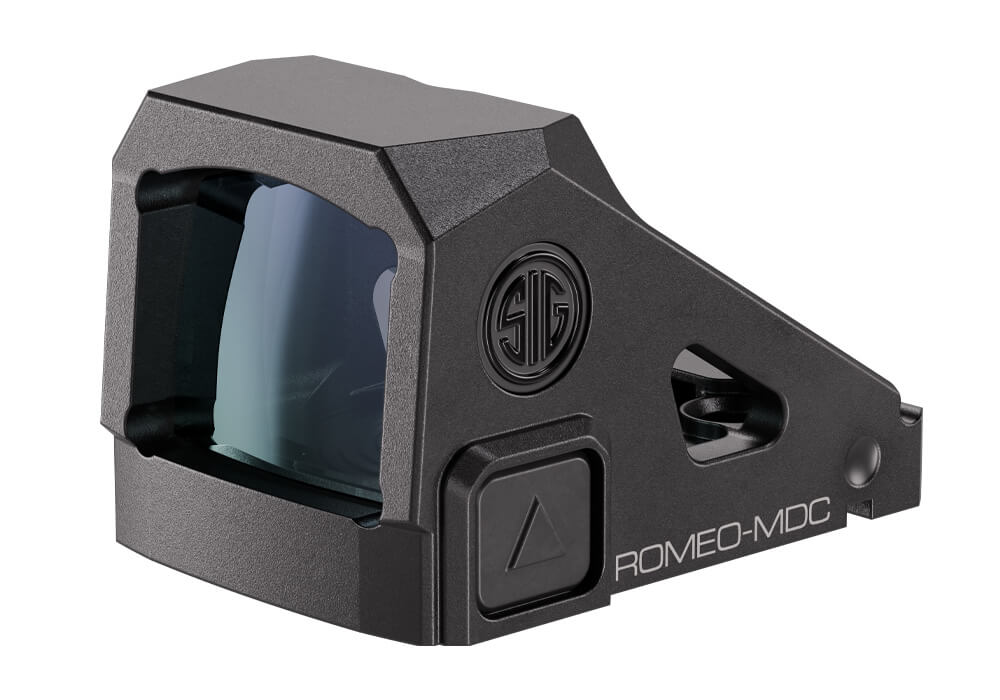
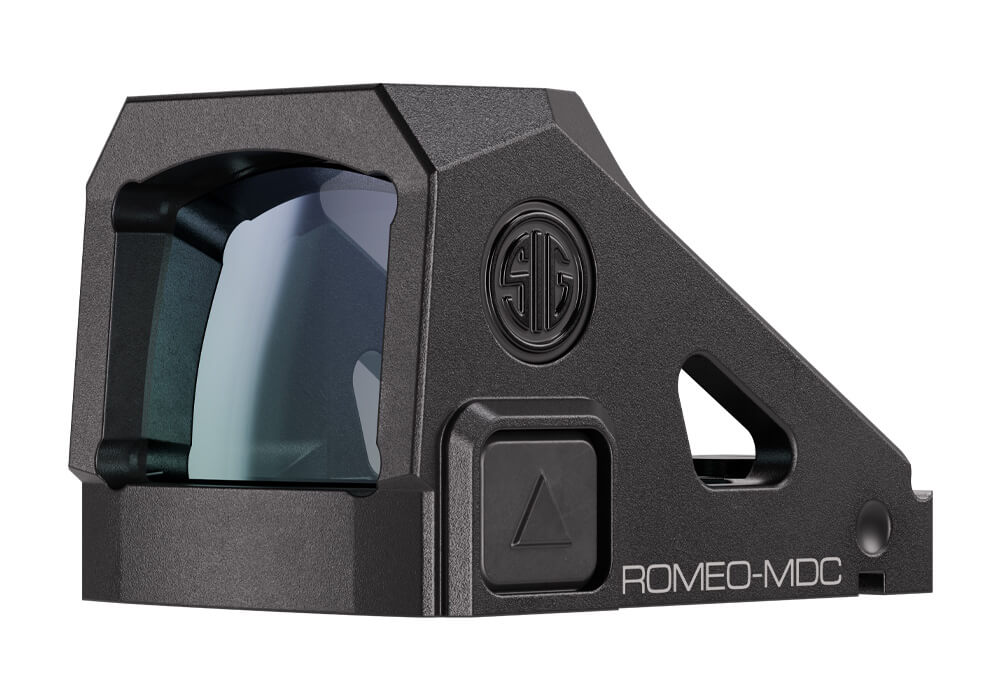
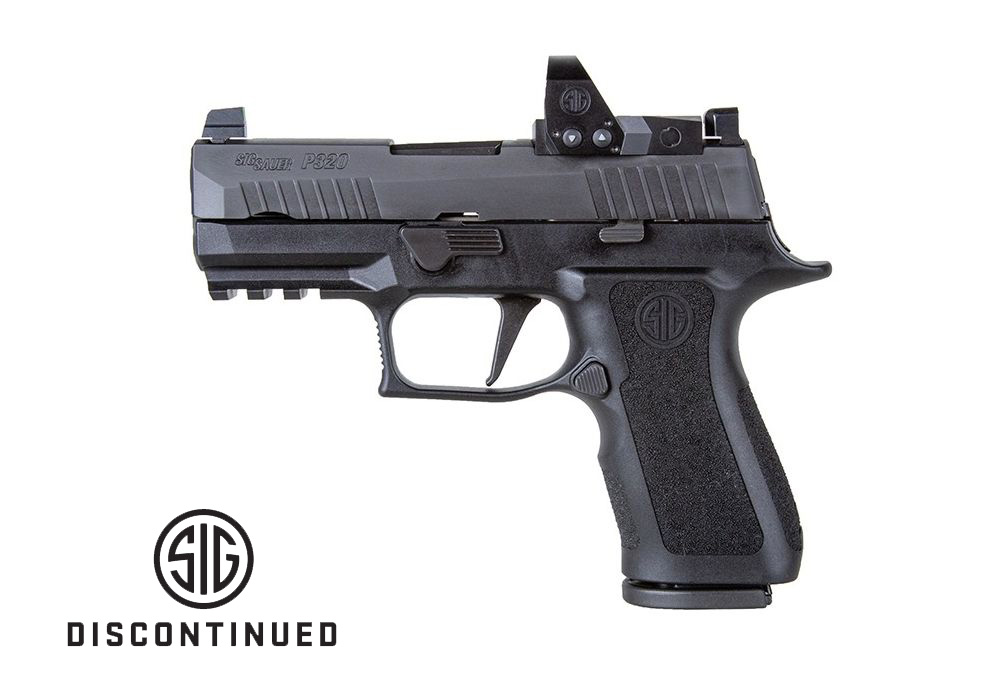
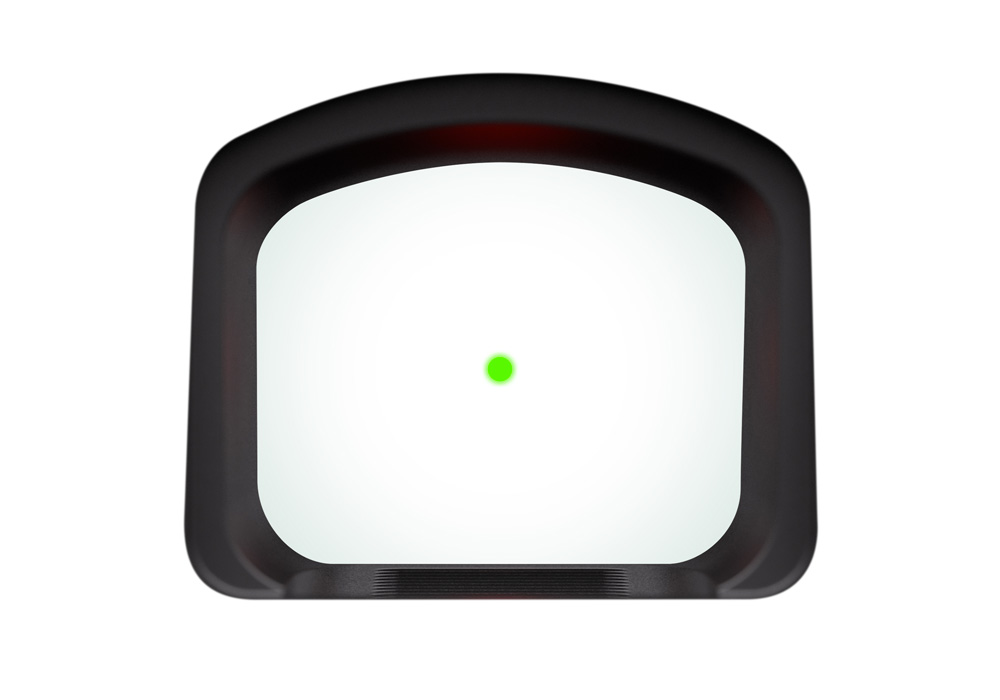
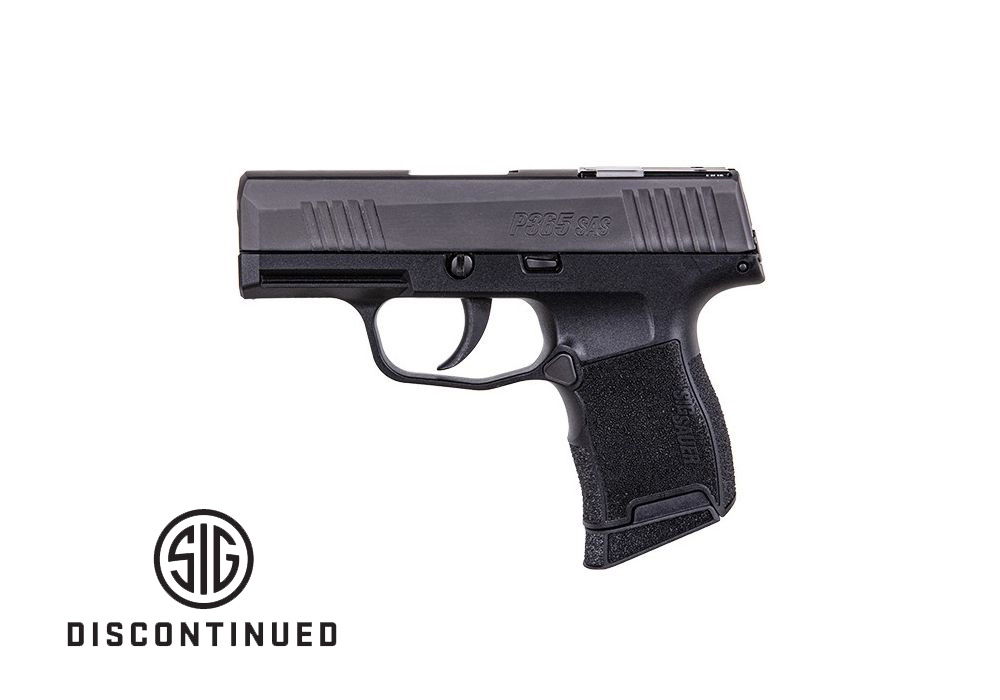
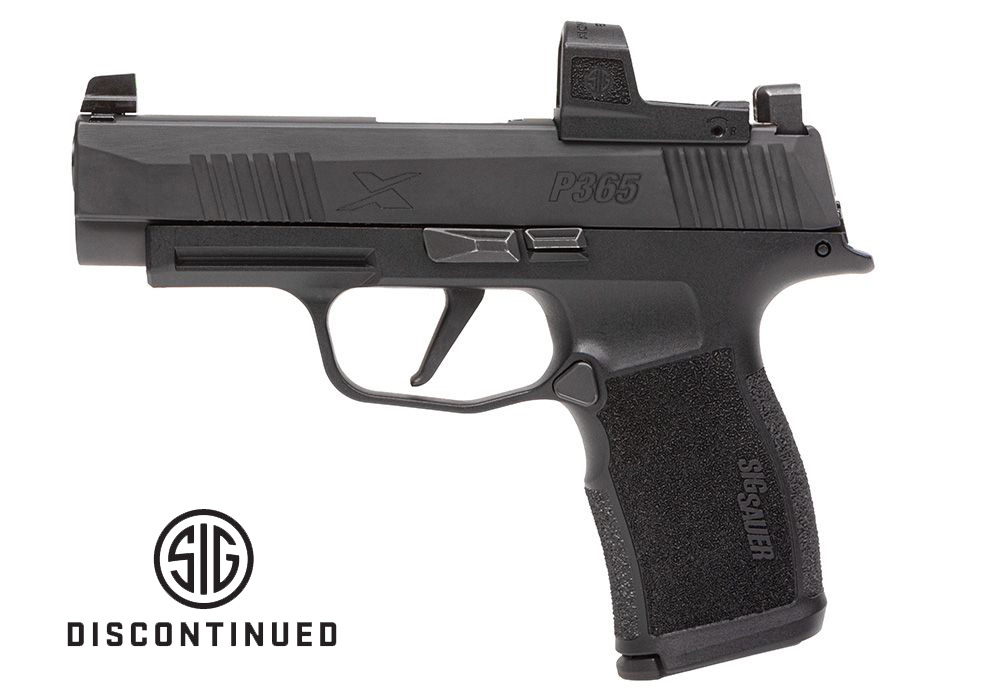
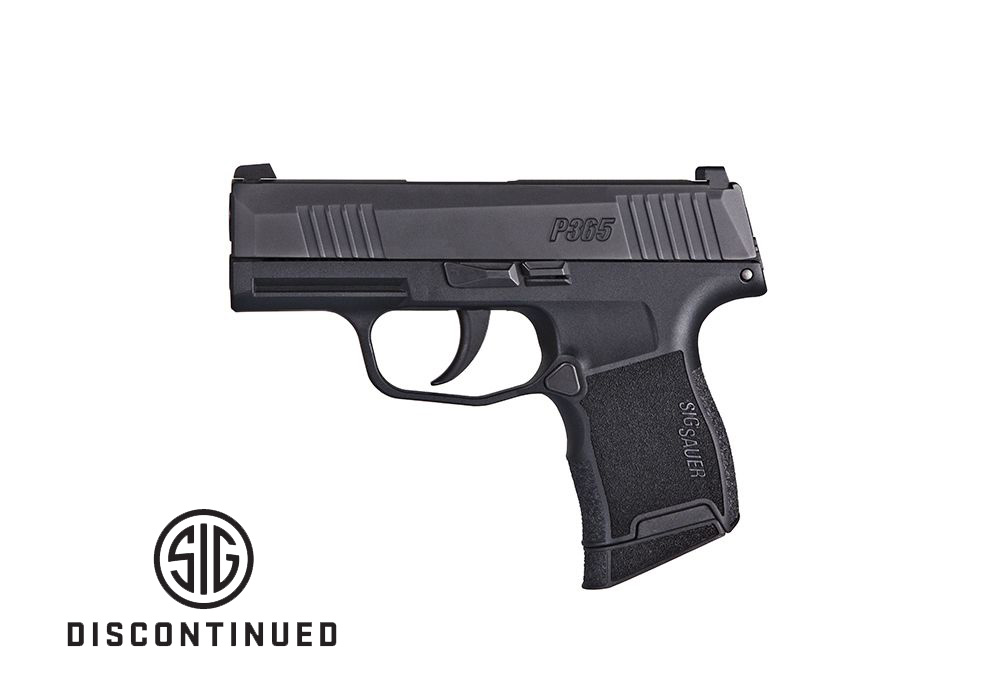
Reflex sight upgrades can make a familiar firearm feel more intuitive by placing a crisp aiming reference in the shooter’s field of view. Instead of aligning a front sight and rear sight with the target, the shooter keeps both eyes open and uses the illuminated dot, ring, or combined reticle as a visual index. That can support faster target acquisition, a wider field of view, and a more natural awareness of the surrounding area. These advantages are useful across a range of platforms, including pistols, MSR rifles, carbines, and shotguns, although the best upgrade depends on the firearm’s intended role and mounting system. A compact open-emitter optic may suit a carry-oriented pistol or a lightweight carbine, while an enclosed-emitter design can provide added protection from rain, dust, lint, and other debris that may interfere with the LED or lens. Shooters looking to expand the practical range of a rifle may also consider a magnifier positioned behind the reflex sight. Flip-to-side magnifiers are designed to move out of the optical path when a wide, unmagnified view is preferred and return behind the sight when additional detail at distance is useful. For an overview of compatible options and configurations, explore Open Reflex Sights for MSR Rifles. These upgrades are not limited to competition or professional use. A new shooter learning consistent presentation, a seasoned range enthusiast refining transitions between targets, and a hunter wanting a simple aiming reference in changing light may each appreciate the practical benefits of a properly selected reflex sight.
Compatibility should be the first consideration before choosing an upgrade. Check the firearm’s optic cut, mounting footprint, available rail space, screw pattern, and clearance around the ejection port, slide, handguard, or other moving components. On a pistol, the optic must sit securely and withstand repeated cycling and recoil, while a carbine or MSR rifle may require attention to rail position, cheek weld, backup sights, and the relationship between the optic and any magnifier. An upgraded mount can be worthwhile when the original mounting solution does not provide the preferred height, profile, return-to-zero performance, or removal method. Low-profile mounts may help preserve a streamlined setup and maintain a comfortable sight picture, while quick-release mounts can make it easier to remove an optic for transport, maintenance, or use with another configuration. Co-witness compatibility is another useful detail: depending on the mount height and backup sight arrangement, iron sights may appear through the optic window as a reassuring secondary reference. Reticle selection also deserves practical attention. A fine dot can offer a clean aiming point for deliberate shots, a larger outer ring may be easier to locate during rapid presentation or in dim conditions, and a multi-reticle system can provide the flexibility to switch between a dot, ring, or combined pattern. Brightness controls should be easy to reach without disturbing the firearm’s position, with settings suitable for indoor lighting, open daylight, and the changing conditions encountered during the cooler months. Battery life, automatic illumination management, lens coatings, housing materials, sealing, and the clarity of the viewing window all contribute to everyday usability. No specification replaces a secure installation and confirmation at the range, so allow time to mount the optic according to the manufacturer’s instructions, establish a reliable zero, and verify that the point of aim remains consistent after transport and repeated use.
Reflex sight upgrades can also be thoughtful gifts for a responsible firearm owner, particularly when the recipient has already identified a compatible platform and a clear use for the accessory. A range partner may appreciate an optic that simplifies target acquisition during practice, while a competition shooter may value a bright, easily located reticle and a mount designed for consistent handling. For someone who spends time outdoors, an enclosed housing, durable finish, and dependable controls may be more meaningful than a long list of advanced features. Gift buyers should confirm the firearm model, optic footprint, rail or cut dimensions, preferred reticle style, and mounting height before making a selection; a gift receipt or exchange-friendly option can be especially helpful when fitment details are uncertain. New users should expect a short familiarization period. The dot may appear to drift or disappear when the firearm is not presented consistently, but repeated practice with a safe, unloaded firearm can help build a repeatable presentation and reduce unnecessary searching through the window. At the range, confirm the zero from a stable position before practicing from realistic shooting stances, and periodically inspect the screws, lens, battery compartment, and mount for signs of loosening or contamination. Keep the optic protected during storage, use a lens cloth rather than abrasive materials, and follow all applicable laws, range rules, and safe-handling practices. Whether the goal is a cleaner sight picture, quicker acquisition, better performance in difficult weather, or a more adaptable rifle setup, the right reflex sight upgrade should complement the firearm rather than complicate it. Reviewing intended use, platform compatibility, environmental exposure, reticle preferences, mounting needs, and maintenance requirements makes it easier to choose an option that feels dependable from the first practice session through many seasons of use.