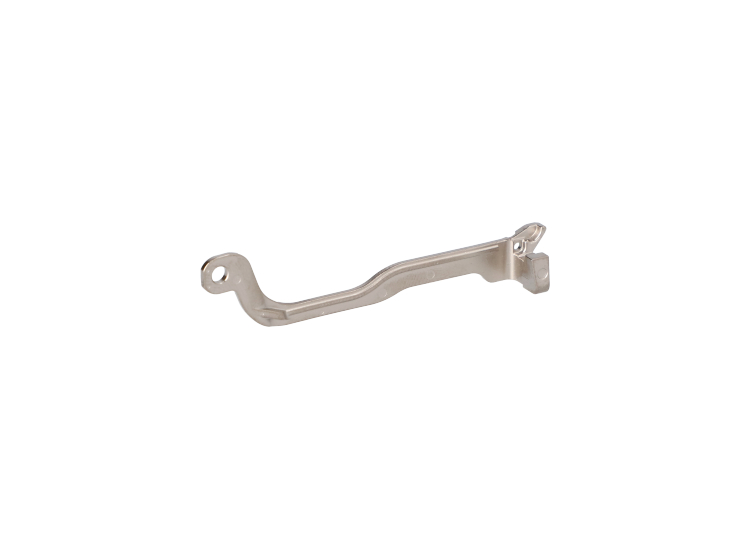
Replacement triggers can give a familiar firearm a different feel, whether the goal is a cleaner break, a more defined reset, or a trigger pull that better suits a particular shooting style. A well-chosen replacement trigger may be useful for recreational range sessions, competition practice, hunting preparation, training, or a careful maintenance upgrade on a firearm that is already well understood by its owner. The most important consideration is compatibility. Trigger assemblies are designed for specific firearm platforms, receiver patterns, safety systems, pin dimensions, and operating configurations, so confirm the exact make, model, generation, caliber configuration, and receiver type before purchasing. Even firearms that appear similar on the outside may use different internal components or require different installation methods. It is also helpful to consider the difference between a single-stage trigger, which offers a consistent pull through to the break, and a two-stage trigger, which provides an initial take-up followed by a more defined second stage. Some shooters prefer the direct feel of a single-stage design for fast, deliberate shots, while others appreciate the additional control and clear preparation point of a two-stage design. Pull weight, trigger shoe shape, reset distance, overtravel, adjustment range, and construction materials all influence how the trigger feels under the finger. During the cooler months, when range time may be more deliberate and gear receives extra attention between outings, a replacement trigger can be part of a broader inspection and maintenance routine. It can also be a thoughtful gift for an experienced shooter who has already established safe handling habits and knows the platform they use, although the recipient’s exact firearm and preferences should be confirmed before selecting a model. A trigger is a personal interface: the right one should support consistent technique without encouraging hurried handling or replacing the fundamentals of safe firearm use.
Before any replacement trigger is installed, unload the firearm completely and remove all ammunition from the work area. Remove the magazine or other ammunition source, open the action, and visually and physically inspect the chamber, magazine well, and any other location where a cartridge could remain. Ammunition should be stored separately while work is underway. Because trigger systems contain small springs, pins, detents, and other precisely fitted parts, use a clean, well-lit bench and follow the manufacturer’s instructions for the specific assembly. Depending on the firearm, installation may require separating an action from a stock or chassis, separating upper and lower receivers, or removing retaining pins or mounting screws with the correct tools. Keep parts organized in the order they are removed, and avoid forcing a pin, screw, spring, or housing that does not align naturally. Some replacement triggers are designed as more straightforward assemblies, while others require careful fitting or adjustment by a qualified gunsmith. Manufacturer-specified torque values matter when screws are used, and any adjustable feature should remain within the stated range. After installation, perform a complete function check with the firearm still unloaded. Confirm that the safety engages and disengages correctly, the trigger moves as intended, the hammer or striker remains properly retained when appropriate, and the trigger resets reliably after cycling the action. Check the pull and reset repeatedly without ammunition, and stop immediately if the firearm exhibits unusual movement, fails to pass a safety check, or behaves differently than expected. A professional inspection is the right choice when instructions are unclear, fitting is required, or the owner lacks the tools and experience for the work. Firearm controls should never be evaluated with live ammunition in the chamber, and a function check is not a substitute for safe handling, proper eye and ear protection, or responsible range procedures.
Choosing among replacement triggers is ultimately about matching the component to the way the firearm is used and the level of control the shooter expects. A competition-oriented setup may place greater emphasis on a crisp break and short reset, while a field or hunting setup may call for a predictable pull that remains manageable with gloves, cold fingers, or changing environmental conditions. A defensive or general-purpose firearm should be configured conservatively, with dependable safety engagement and a trigger feel that supports disciplined operation rather than an unnecessarily light pull. Consider whether the trigger is fixed or adjustable, whether the manufacturer provides clear installation and maintenance instructions, and whether replacement parts or service support are available. It is wise to review the trigger’s specifications alongside the firearm’s owner’s manual, paying close attention to compatibility notes and restrictions. Once the installation and unloaded function checks are complete, test the firearm at a properly managed range using established safety procedures and a stable shooting position. Begin with deliberate handling and verify that the trigger, reset, and safety continue to operate consistently before increasing the pace of practice. Many shooters discover that a small change in trigger geometry or reset distance affects their grip, sight alignment, and follow-through, so allow time for familiarity rather than judging the setup after only a few shots. Keeping the original trigger assembly, installation records, and adjustment notes can also be useful for future service or configuration changes. For shoppers comparing replacement options alongside other personalized firearm components, the Custom Triggers selection provides a starting point for evaluating fit, features, and intended use. Whether selected for a seasoned range partner, a hunter preparing equipment during the cooler months, or a firearm owner refining a familiar platform, a replacement trigger should be chosen carefully, installed responsibly, and supported by consistent training and safe handling from the first inspection through every range session.