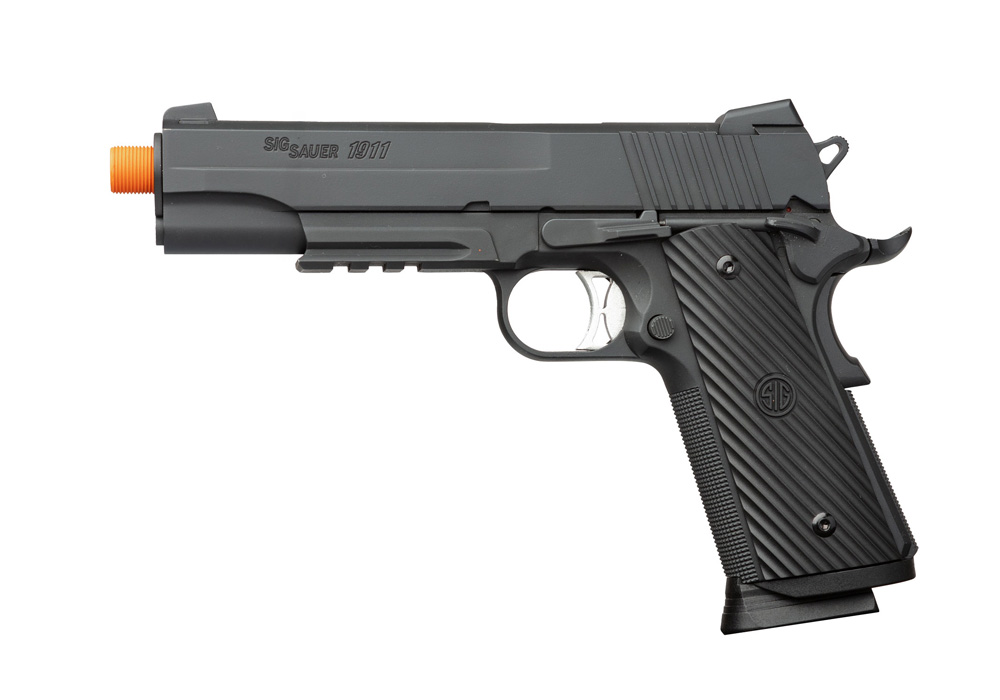
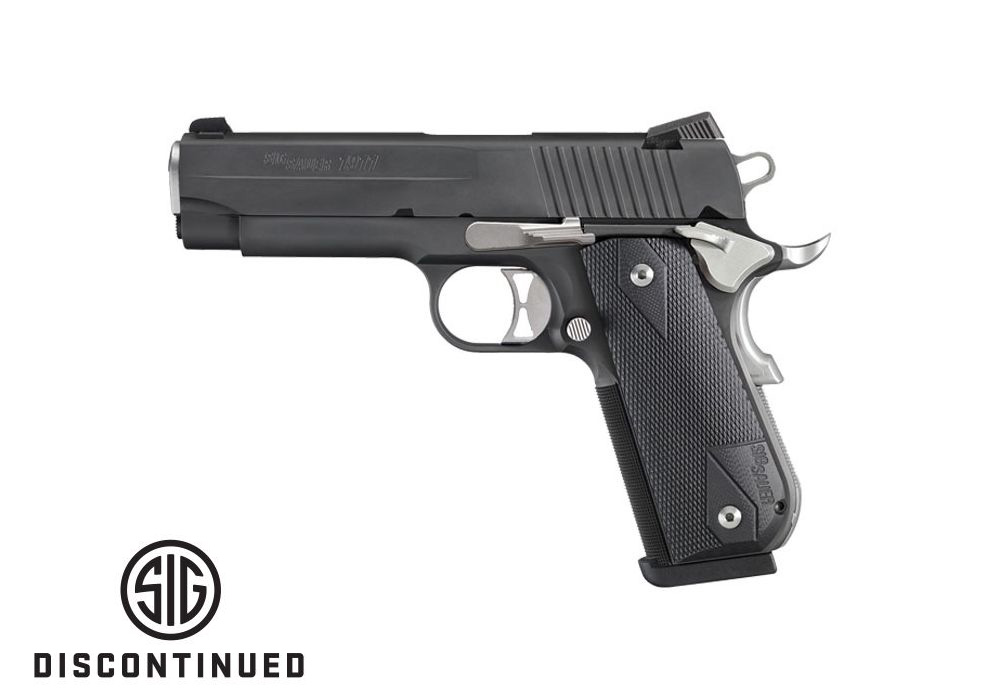
Replica weapon collectors are drawn to the way a carefully selected piece can bring history, storytelling, and craftsmanship into a display without serving as a functional firearm. A well-designed replica may reflect the lines, materials, controls, and proportions associated with a historic sidearm, long gun, theatrical prop, sword, axe, or fantasy-inspired design. Some collectors focus on a particular era, while others build a varied arrangement that moves from early frontier themes to military history, cinema, television, medieval settings, or imaginative worlds. Non-firing replicas are often chosen for shelves, offices, libraries, museums, reenactment settings, and photography projects, where visual accuracy and presentation matter most. When browsing products for a collection, look closely at the stated function, dimensions, finish, construction details, and intended use. Metal components can provide a convincing presence, while wood, molded materials, fabric, and decorative hardware can add texture and character. Weight also deserves attention: a substantial piece may feel authentic in the hand, but a lighter option can be easier to mount, transport, or arrange within a larger display. Collectors often appreciate small details such as simulated aging, engraved patterns, textured grips, moving components, scabbards, slings, or other period-inspired touches. For those expanding beyond replicas, the Firearm Collectors collection can offer another point of reference when organizing interests around historical design and collecting.
The phrase replica weapon collectors can cover several distinct categories, and understanding the difference helps shoppers select a piece that fits both the collection and the setting. Non-firing models are intended for display, historical interpretation, costume use, or photography, and they should never be altered in an attempt to create a functioning firearm. Blank-firing props are a separate category associated with professional theatrical work, film production, training environments, and supervised reenactments; despite their intended purpose, they can present serious hazards and require strict adherence to applicable laws, manufacturer instructions, protective procedures, and qualified supervision. Fantasy and movie-inspired props may be selected for cosplay, convention appearances, themed rooms, stage performances, or imaginative displays. Their visual language can be more important than historical accuracy, with dramatic silhouettes, elaborate handles, unusual finishes, and decorative elements that create a strong focal point. Before purchasing, consider whether the item will remain in a display case, travel to an event, be handled for photography, or form part of a costume. Check storage requirements, surface finishes, mounting hardware, and any age or local restrictions that apply. A secure, clearly identified display area helps prevent confusion, particularly in homes with children, visitors, or pets. Keeping replicas separate from functional firearms and storing any related accessories responsibly supports a collection that is enjoyable, organized, and treated with appropriate care.
A replica can also be a thoughtful gift for someone who enjoys military history, classic cinema, stagecraft, historical reenactment, cosplay, interior design, or hands-on collecting. The best gift usually reflects the recipient’s interests rather than simply filling an empty space on a shelf. Someone fascinated by frontier stories may value traditional lines and weathered finishes, while a fan of fantasy settings may prefer an ornate prop with a strong visual presence. A history-minded recipient may appreciate a piece selected for its connection to a particular period, even when the item is intended solely as a decorative reproduction. During the cooler months, display projects can be especially appealing: a collector might reorganize a study, add labeled shelves to a hobby room, or create a themed arrangement with framed artwork, books, photographs, and period-inspired accessories. Careful presentation can make a modest collection feel intentional. Use stable supports, avoid placing heavy pieces above seating or high-traffic areas, and protect finishes from moisture, direct sunlight, and rough handling. For costume or event use, confirm venue policies before bringing any replica, and transport it discreetly in accordance with local requirements. Whether the goal is a single conversation piece or a growing arrangement spanning history and fiction, thoughtful selection, clear storage, and responsible handling allow replica weapon collectors to enjoy the visual character and storytelling appeal of these distinctive objects.