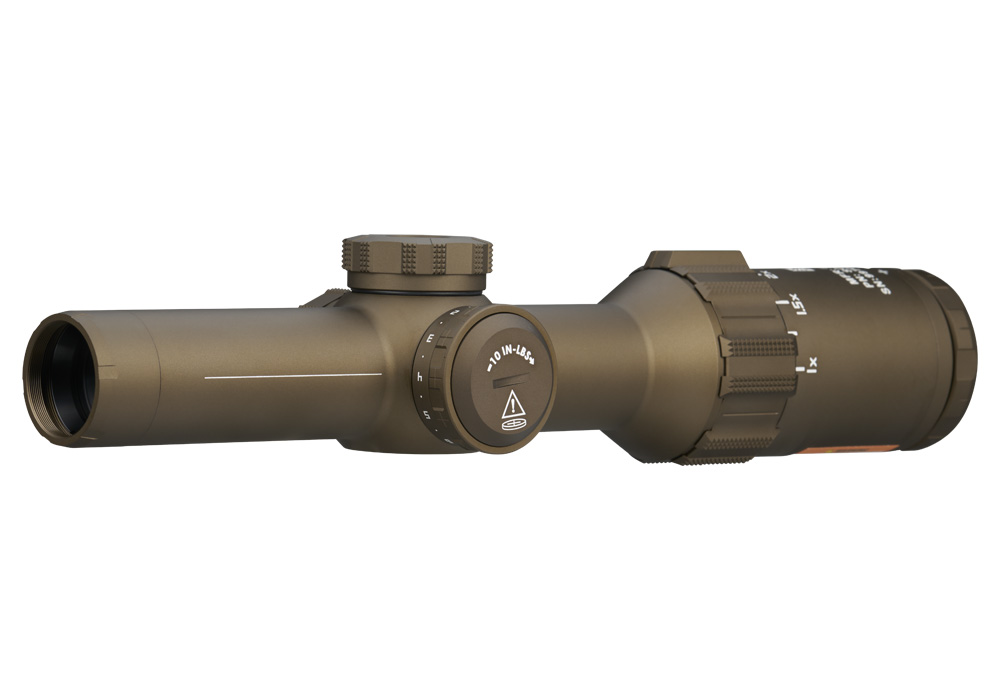
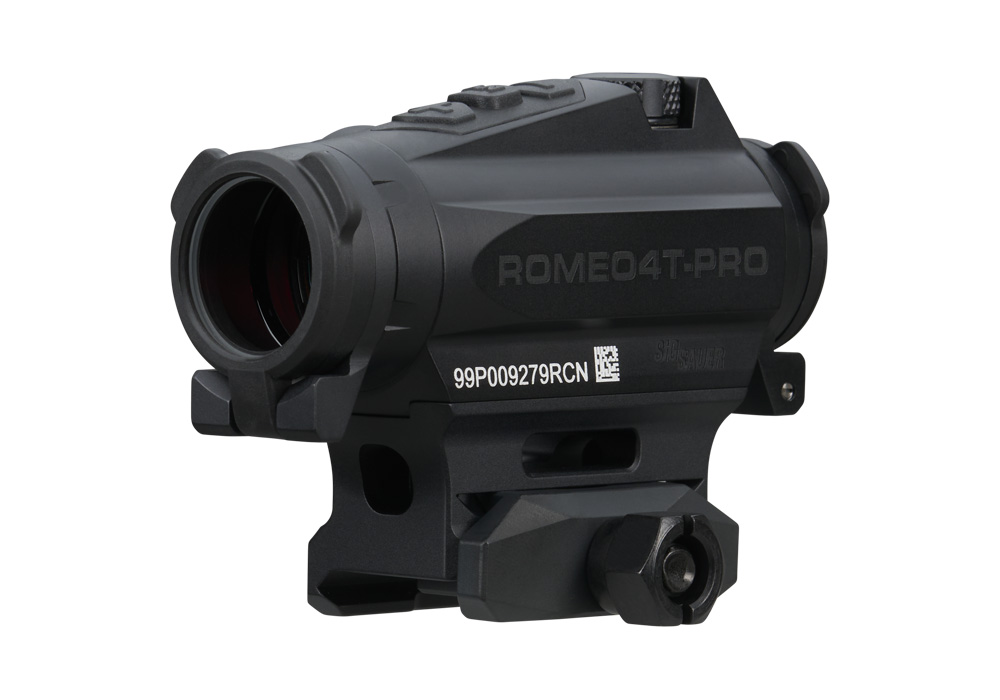
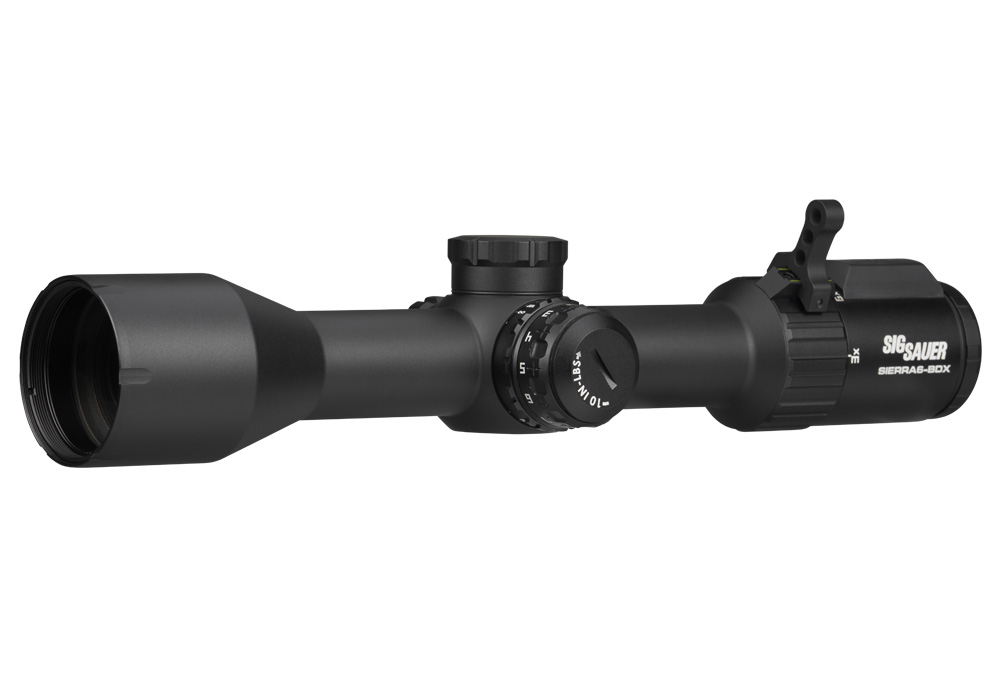
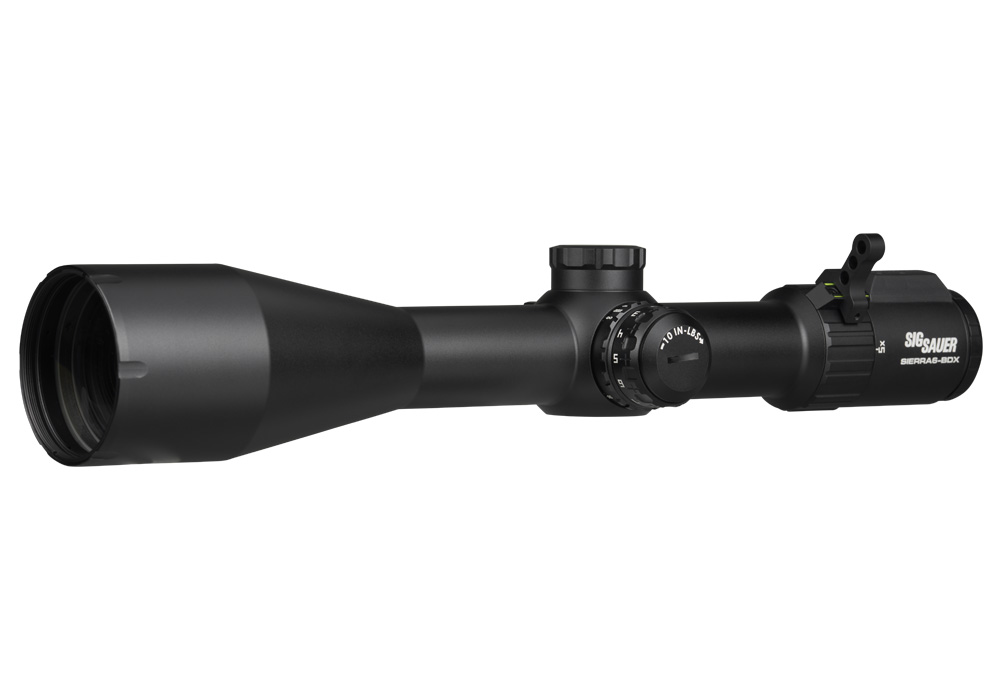
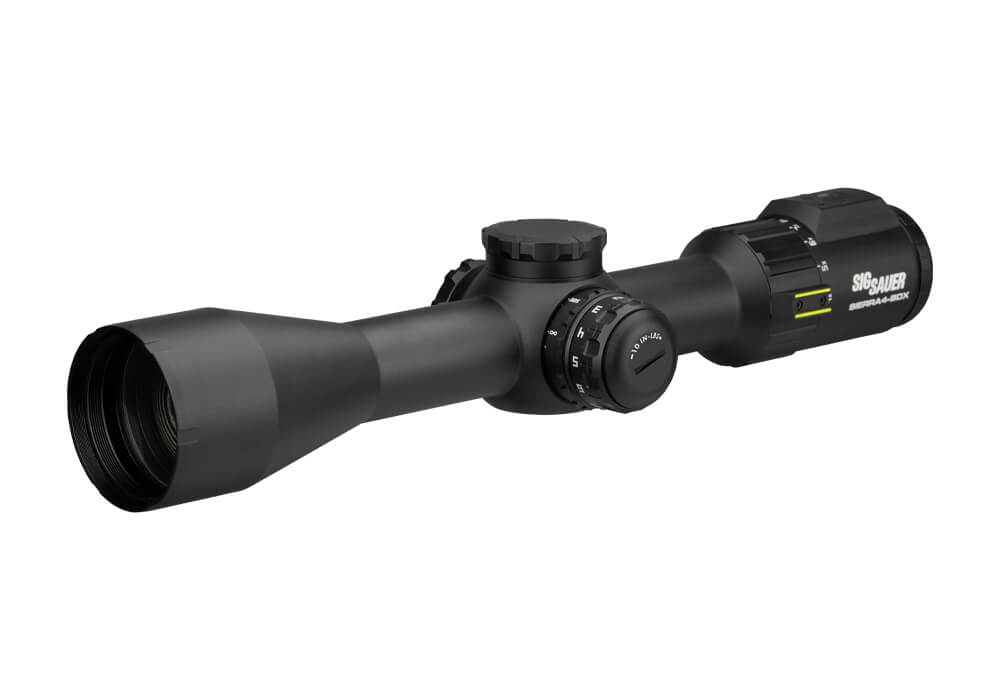
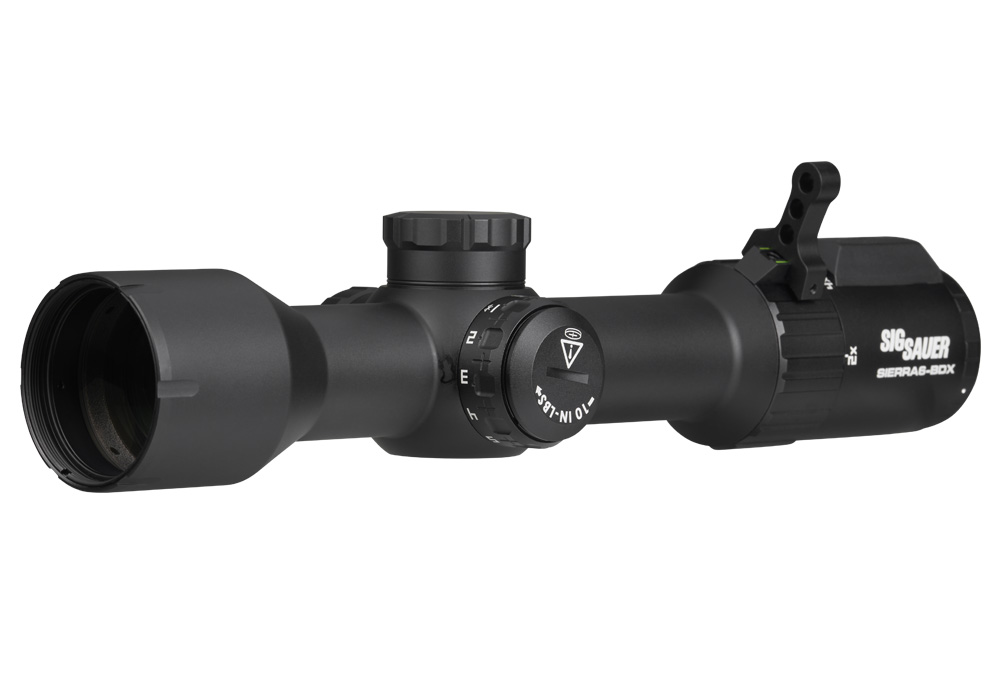
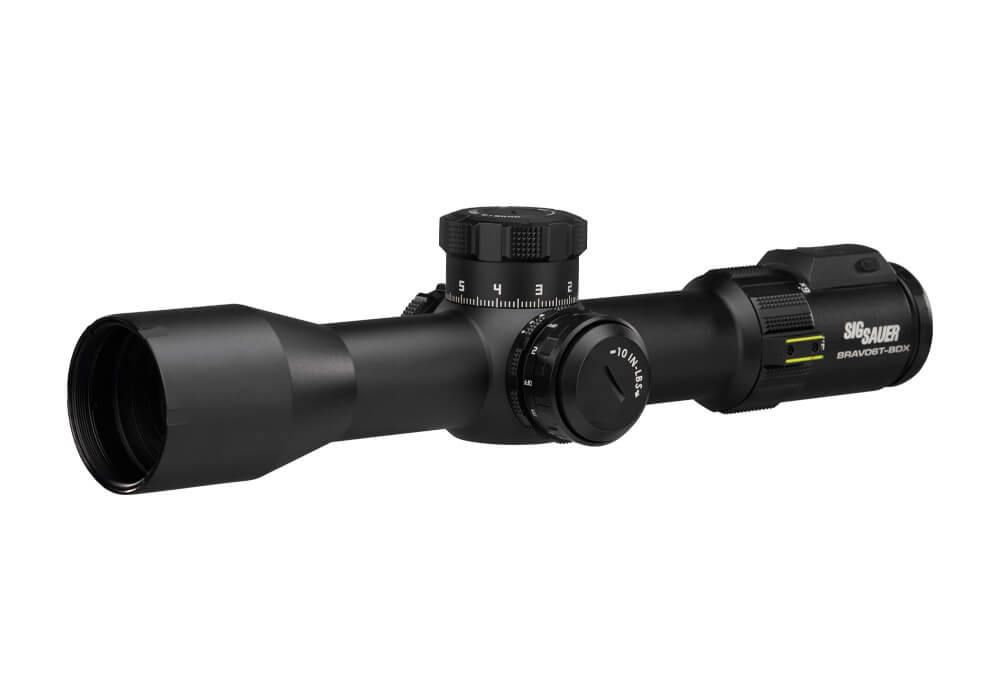
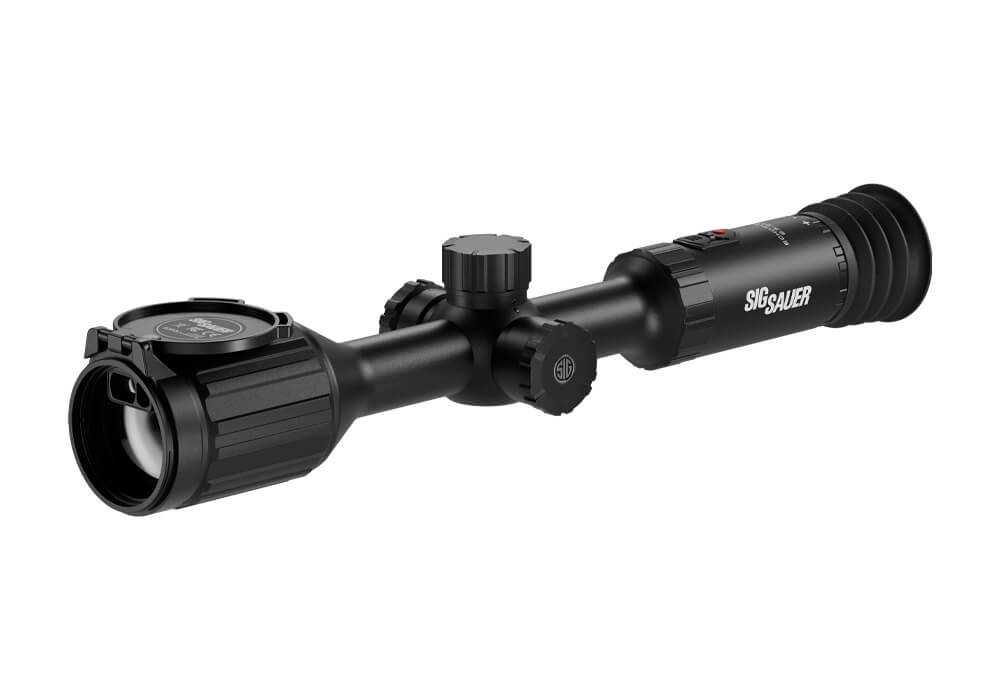
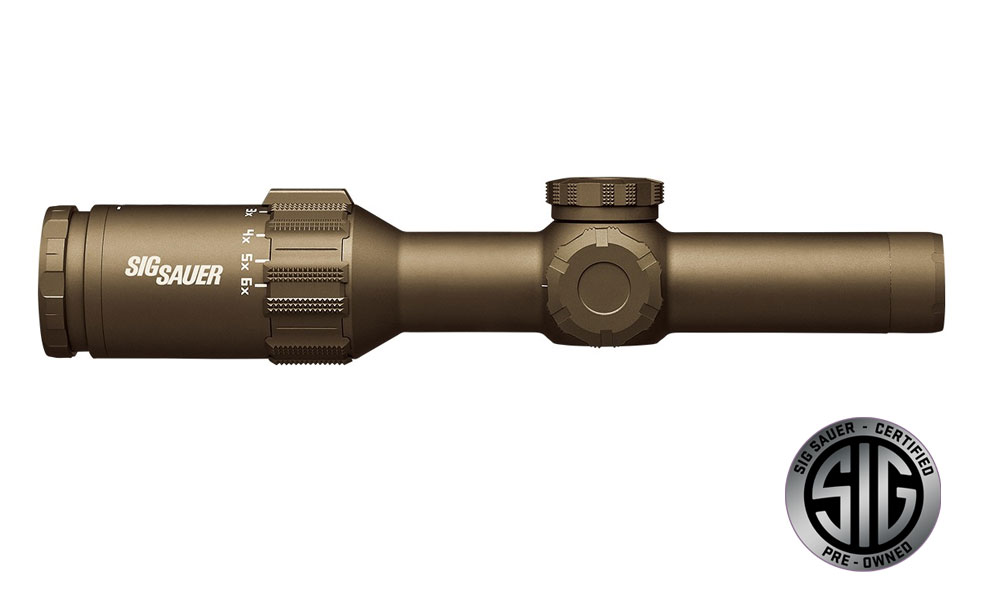
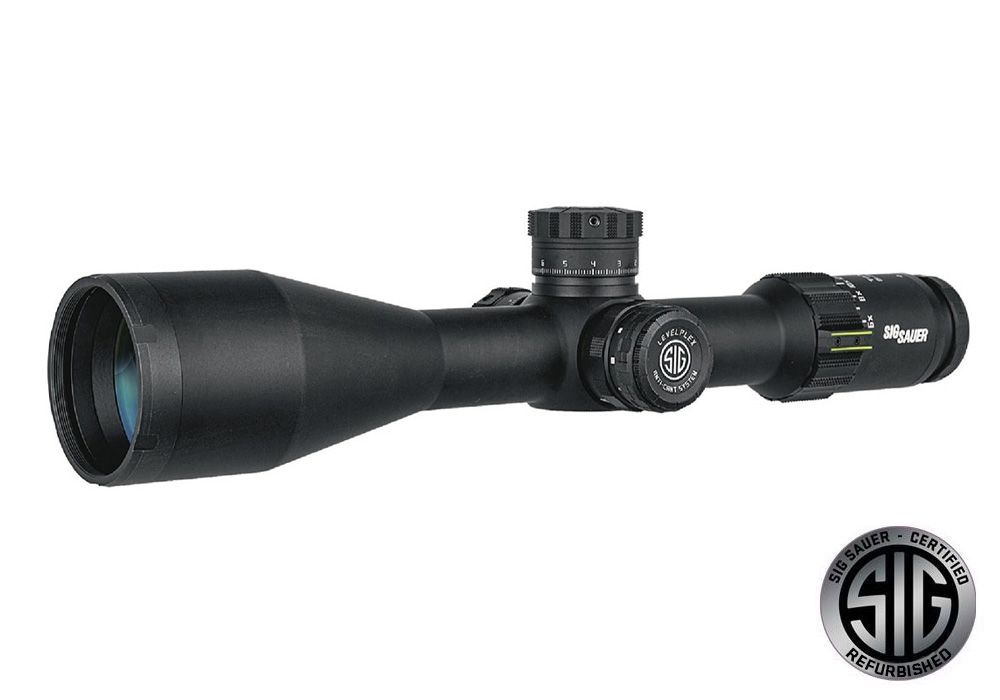
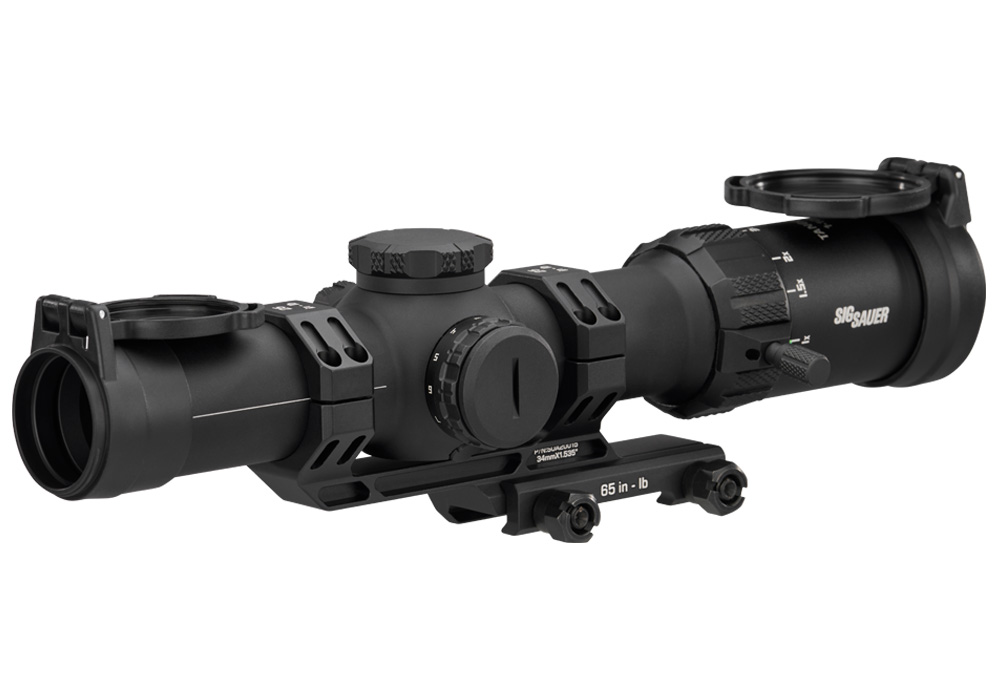
Scopes for professionals need to deliver more than a sharp image at the highest magnification. Clear target detail, repeatable adjustments, a useful reticle, and dependable construction all contribute to an optic that supports consistent work. Competitive shooters, firearms instructors, range personnel, and duty users may share those priorities, but their needs are not identical. An instructor moving between shooting positions may value manageable weight and forgiving eye placement, while a precision competitor may place greater emphasis on adjustment tracking and a reticle that remains easy to interpret against a busy background. Spotting scopes serve a different role, providing magnified observation for target inspection, scoring, and communication without attaching an optic to a firearm. Across these applications, optical quality is about usable detail rather than magnification alone. Resolution helps distinguish closely spaced marks on paper; contrast helps separate a target edge from its surroundings; controlled distortion supports a natural view across the image. Lens coatings can reduce reflections and improve light transmission, although coating descriptions alone do not establish overall optical performance. Magnification range also involves practical tradeoffs. Lower settings generally provide a wider field of view, making it easier to locate a target and maintain awareness of the surrounding scene. Higher settings can reveal finer detail, but they also narrow that view and make small movements more noticeable. A larger objective lens can support a larger exit pupil at a given magnification, but it also adds size and may affect mounting clearance. For professionals who spend extended periods behind an optic, comfortable viewing and accessible controls can matter as much as the maximum power printed on the housing. A well-matched scope balances those characteristics around the actual task, whether that means repeated observation from a supported position or frequent movement between stations on a competition range.
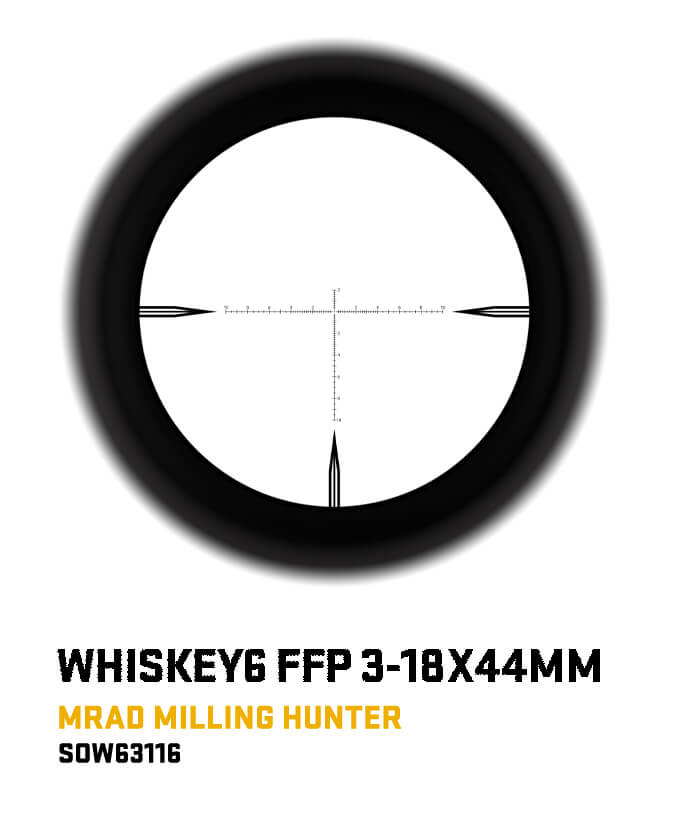
For professional riflescopes, mechanical consistency deserves the same attention as glass quality. Reliable tracking means the adjustment mechanism moves the reticle in accordance with the indicated increments, while return-to-zero performance concerns how consistently the system returns to its established reference after adjustment. A zero-stop mechanism provides a mechanical reference for returning the elevation turret to a preset position; the exact operation and adjustment range depend on the design. Turret markings should be readable, clicks should be distinguishable, and the controls should suit the way the optic will be handled. Locking or capped controls can help resist unintended movement, while exposed adjustments provide direct access when frequent changes are part of the application. Reticle placement is another important distinction. In a first focal plane scope, the reticle changes apparent size with magnification, preserving its angular relationship to the target throughout the magnification range. That keeps calibrated reticle measurements consistent across power settings, although fine elements may become harder to see at low power. In a second focal plane scope, the reticle maintains a consistent apparent size, while its angular measurements generally correspond to a specified magnification setting. Neither arrangement is universally better; visibility, preferred magnification, and the nature of the work determine which is more suitable. MRAD and MOA are angular measurement systems, and matching the reticle and turret units simplifies interpretation by avoiding unnecessary conversions. Neither system alone determines practical precision. Clear markings, appropriate adjustment increments, and familiarity with the chosen system are more meaningful than a label. Parallax adjustment, where included, helps reduce apparent movement between the reticle and target when eye position changes; it serves a different purpose from the eyepiece adjustment used to focus the reticle. Reticle illumination can improve visibility against certain backgrounds, but useful brightness control matters more than intensity alone. These features are most valuable when they work together without demanding unnecessary attention from the person behind the scope.
Construction, fit, and care determine how well those optical and mechanical features hold up to regular use. Aluminum scope bodies offer a practical balance of strength and weight, but material names alone do not describe the durability of the complete assembly. Housing design, internal support, protective finishes, sealing, and the manufacturer's stated testing all deserve consideration. External lens treatments may help resist abrasion or simplify cleaning, but they do not eliminate the need for careful handling. Mounting compatibility is equally important: tube diameter, ring dimensions, objective clearance, overall length, and the firearm's mounting interface must work together. Eye relief needs to suit the firearm and intended shooting position, with enough room for a clear view and appropriate separation from the eyepiece. A scope that looks comfortable from a bench may feel different in another supported position, particularly if eye placement becomes restrictive at higher magnification. Installation and fastening specifications should follow the optic and mount manufacturers' instructions rather than assumptions based on a previous setup. Spotting scopes bring their own fit considerations, including eyepiece orientation, tripod compatibility, and whether the support remains steady during extended observation. For either type, protective covers and a suitable case help keep exposed glass away from grit during transport. Routine care is straightforward but benefits from restraint: loose particles should be removed before wiping, and optical surfaces require lens-safe materials rather than clothing or household cleaners. Firearm-mounted optics should be maintained only with the firearm unloaded and ammunition separate from the work area. Regular inspection can reveal loose accessories, damaged covers, or changes in control feel before they interfere with a scheduled range session. Documented adjustment behavior, warranty terms, and service support also help professionals evaluate long-term ownership beyond the initial specification sheet. When exploring New Scopes, these same priorities keep the comparison grounded in actual use. The strongest fit is an optic whose image, controls, mounting requirements, and maintenance needs align with the work it is expected to perform.