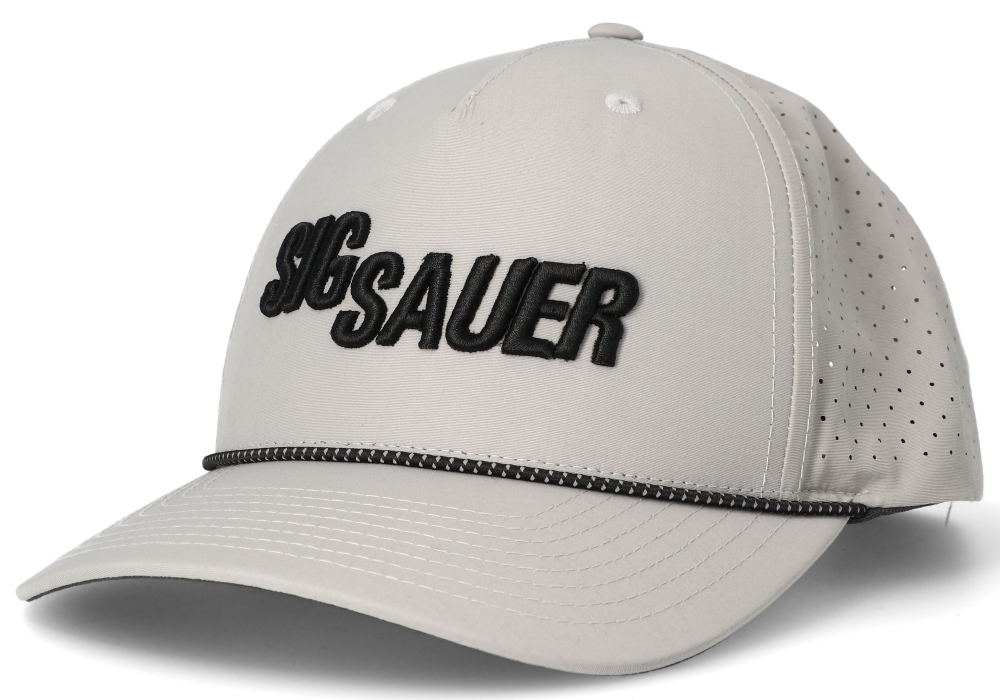
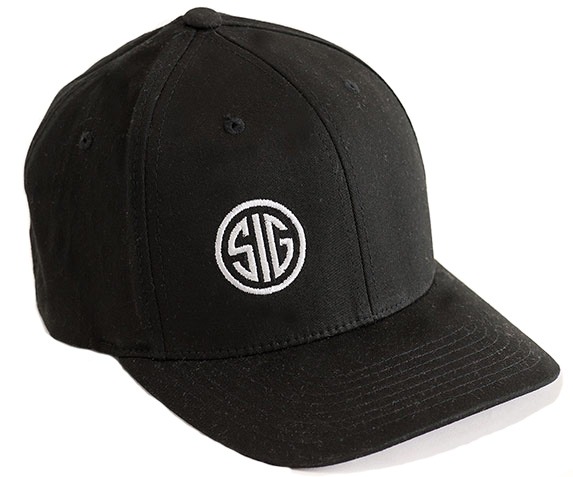
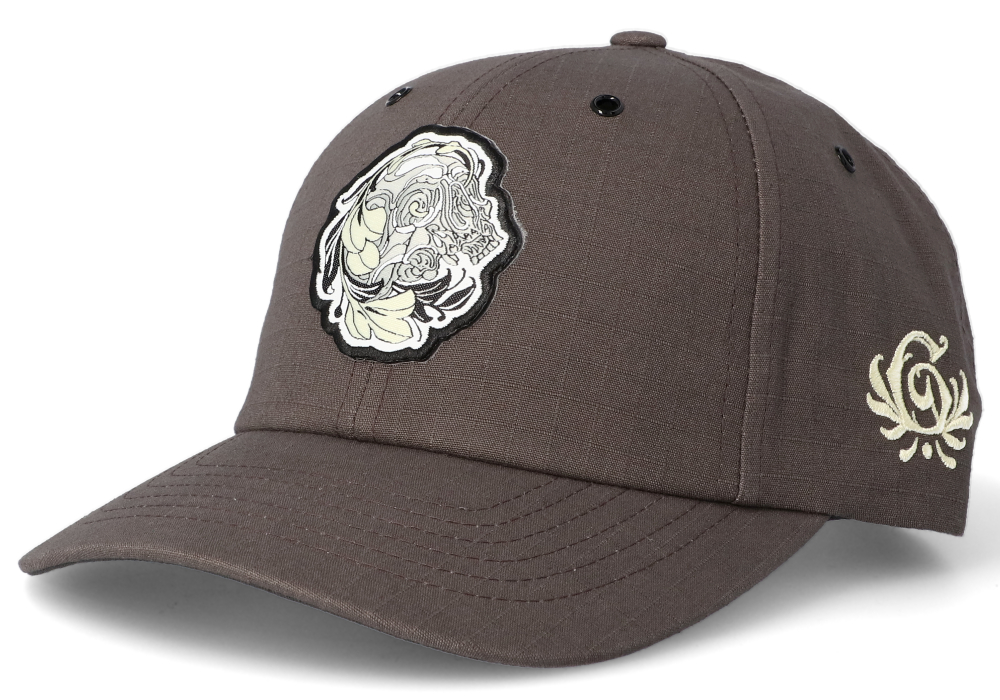
Shooting hats bring practical comfort to range sessions, organized matches, and everyday wear, with a brim that helps manage glare and a fit that works alongside eye and hearing protection. A well-fitting shooting hat should stay secure through normal movement without pressing against the temples, shifting safety glasses, or interfering with the seal of protective earmuffs. The brim can also help keep some ejected brass away from the face, although a hat does not replace protective eyewear, appropriate clothing, or safe range practices. The details that matter most often become clear at the firing line: a crown that sits comfortably beneath a hearing protection headband, a bill that leaves the sight picture unobstructed, and an adjustment that holds its position between strings of fire. For someone practicing from a bench, a long or sharply curved bill may feel different than it does while standing upright. For a competitor moving between shooting positions, a secure fit and an unobstructed field of view can be more important than a rigid silhouette. Instructors and range staff may place greater emphasis on extended-wear comfort because their headwear stays on through demonstrations, conversations, and repeated checks of the firing line. A darker underside on the bill can help limit reflected light, while the bill’s length and curve influence how much of the upper field of view it covers. Those features are worth considering together rather than judging a hat by its profile alone. Shooting hats also carry a familiar sporting look beyond the range, pairing easily with casual clothing without requiring the rest of a range setup. Their usefulness comes from that balance: enough structure to hold a comfortable shape, enough flexibility to work with other equipment, and a straightforward design that feels natural during both focused practice and the drive home. A hat that stays out of the way is often the one that earns a permanent place in a range bag.
Materials and construction shape how a shooting hat feels after several hours of wear and how well it handles regular use. Cotton twill typically offers a familiar fabric feel and a substantial surface, while polyester and other synthetic fabrics often dry more quickly after absorbing perspiration. Blended fabrics can combine different handling characteristics, though the specific fabric, weave, and care instructions matter more than a broad material label. Mesh panels allow air to circulate through portions of the crown, while solid panels provide more continuous coverage and a different visual finish. Neither construction is automatically the better choice; comfort depends on personal preference, activity, and how the hat sits with protective equipment. An internal sweatband helps manage moisture at the forehead, and smooth seams can reduce rubbing where the crown touches the head. Reinforced stitching around the bill, adjustment points, and panel joins supports durability in areas that see repeated handling. Structured crowns keep a more defined shape, while unstructured crowns tend to conform more closely to the head and pack with less bulk. A low-profile crown may fit neatly beneath some earmuff headbands, but compatibility should be checked with the equipment actually worn. Fabric thickness, top buttons, and seam placement can all create pressure beneath a headband, even when the hat feels comfortable on its own. Adjustable closures offer flexibility, fitted designs rely on accurate sizing, and stretch-fit styles provide a limited range of give rather than unlimited adjustment. A closure should sit comfortably at the back of the head without digging in when leaning against a seat or assuming a supported position. For shoppers assembling a coordinated range setup, Shooting Supplies provides a broader category to explore alongside headwear. The goal is a combination that works together comfortably, with nothing pushing glasses out of position or lifting the earmuff cushions away from the head. Fit is most meaningful when evaluated as part of that complete setup, not just as a measurement around the forehead.
Care and storage help a shooting hat retain its fit, appearance, and usefulness through repeated trips to the range. The care label should guide cleaning because crown supports, bill inserts, embroidery, patches, and closure materials can respond differently to water, detergent, and agitation. When the label permits it, gentle spot cleaning with a mild detergent can address marks on the sweatband and areas handled frequently without saturating the entire hat. Machine washing is appropriate only when the care instructions allow it, and aggressive scrubbing can roughen fabric or loosen decorative stitching. Air drying away from direct heat generally helps preserve shape; reshaping the crown and bill while damp may also be appropriate for washable designs. A dishwasher is not a reliable substitute for the recommended cleaning method, since heat and detergent can affect fabrics and internal components. Between uses, storing headwear without heavy equipment resting on it helps prevent distorted bills and crushed crowns. Letting a hat dry before enclosing it in a bag also helps keep the interior fresher. At the range, handling ammunition and shared surfaces can transfer residue to hands and belongings, so clean hands are important before adjusting headwear or touching the face. Keeping range clothing and accessories separate from food and following the facility’s hygiene guidance are sensible habits. For frequent practice, durability is less about a rugged appearance than about fabric that tolerates its recommended care, sound stitching, and a closure that continues to hold securely. For occasional range visits, an uncomplicated fit and easy upkeep may be the priorities. Shooting hats can also be thoughtful gifts for recreational shooters, competitors, instructors, and friends who enjoy shooting sports, particularly when their preferred crown shape and closure style are known. An adjustable design offers some sizing flexibility, but head size and personal preference still deserve attention. Familiar colors, restrained detailing, and a comfortable shape often give a gift more everyday usefulness than an elaborate design. Whether chosen for regular training or casual wear, the strongest choice is one that suits the wearer’s routine, cooperates with protective equipment, and remains comfortable enough to wear without constant adjustment.