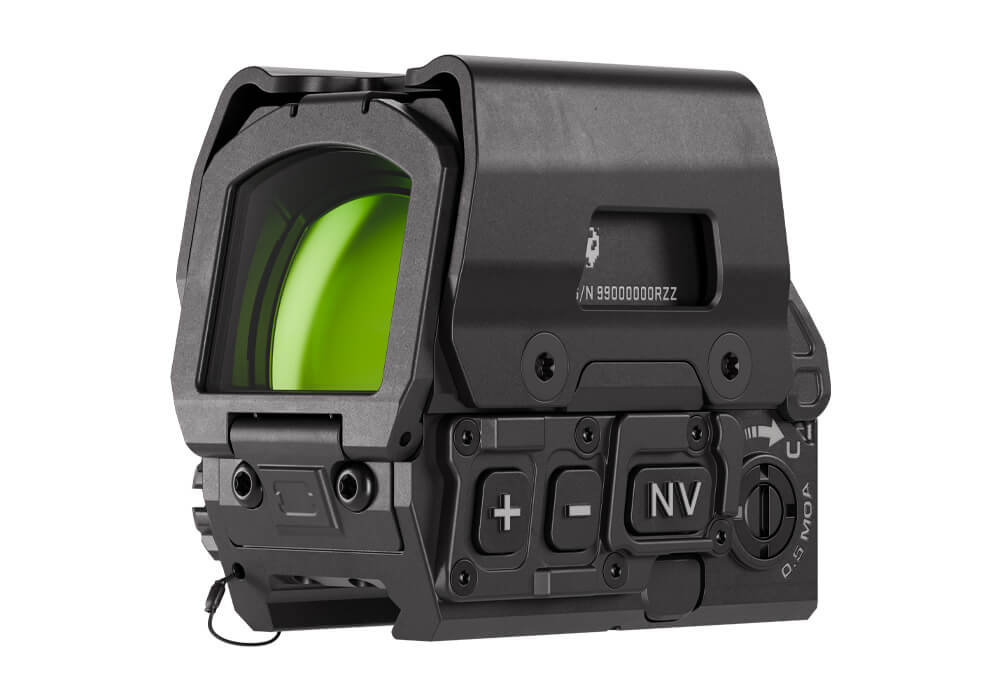
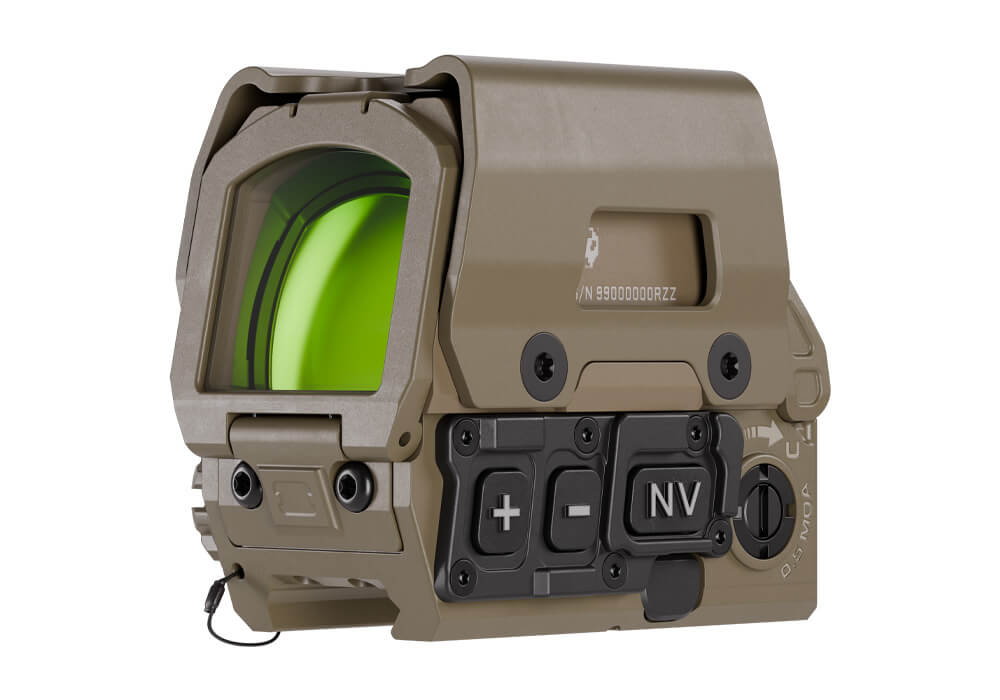
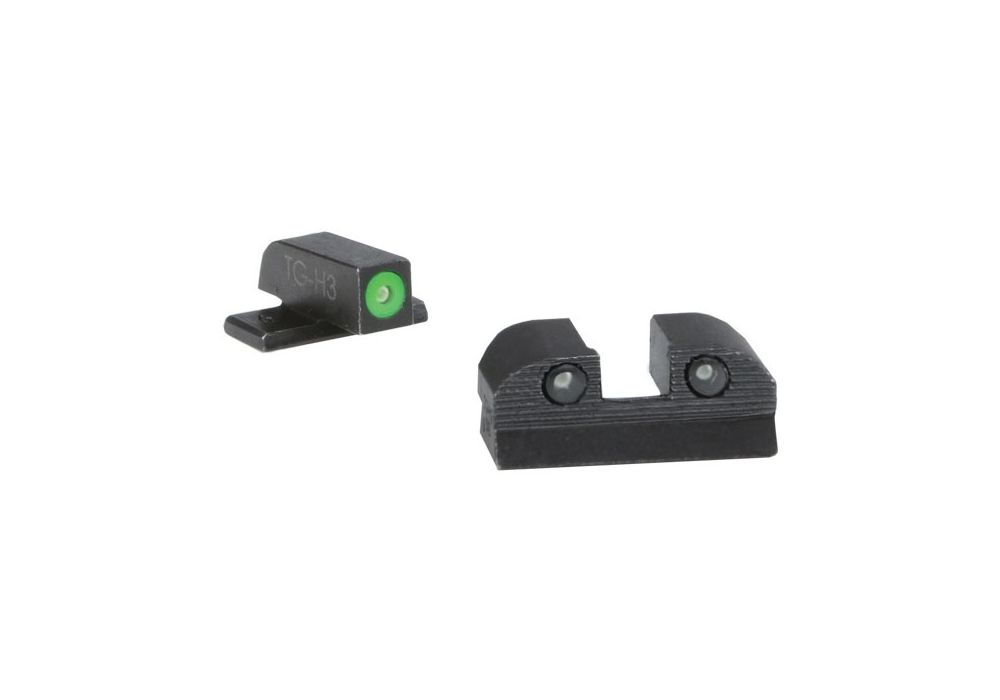
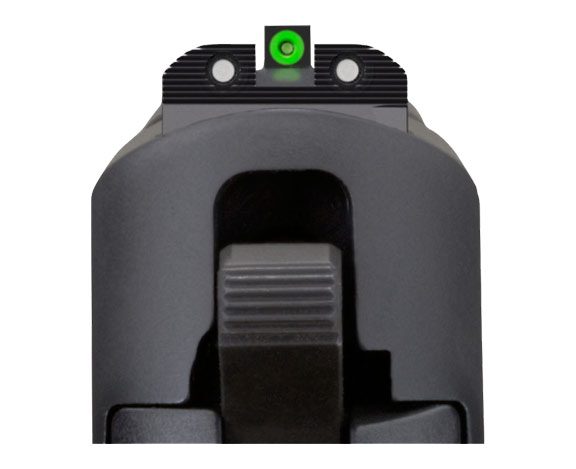
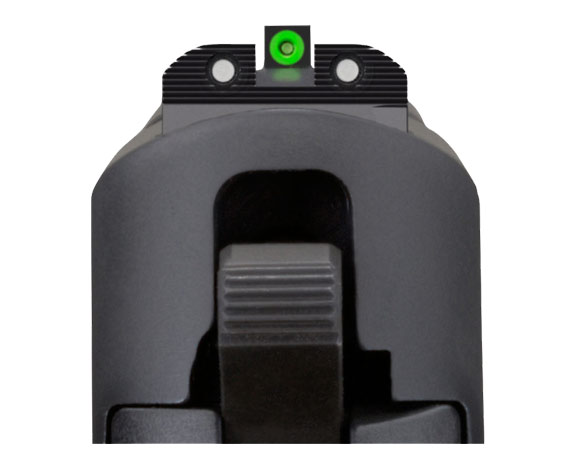
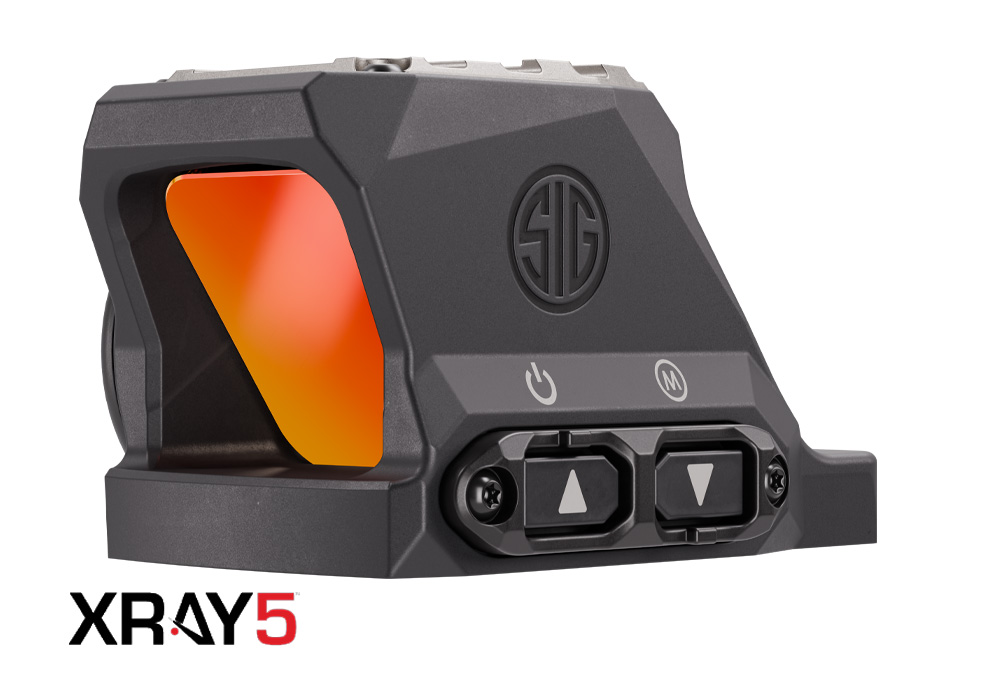
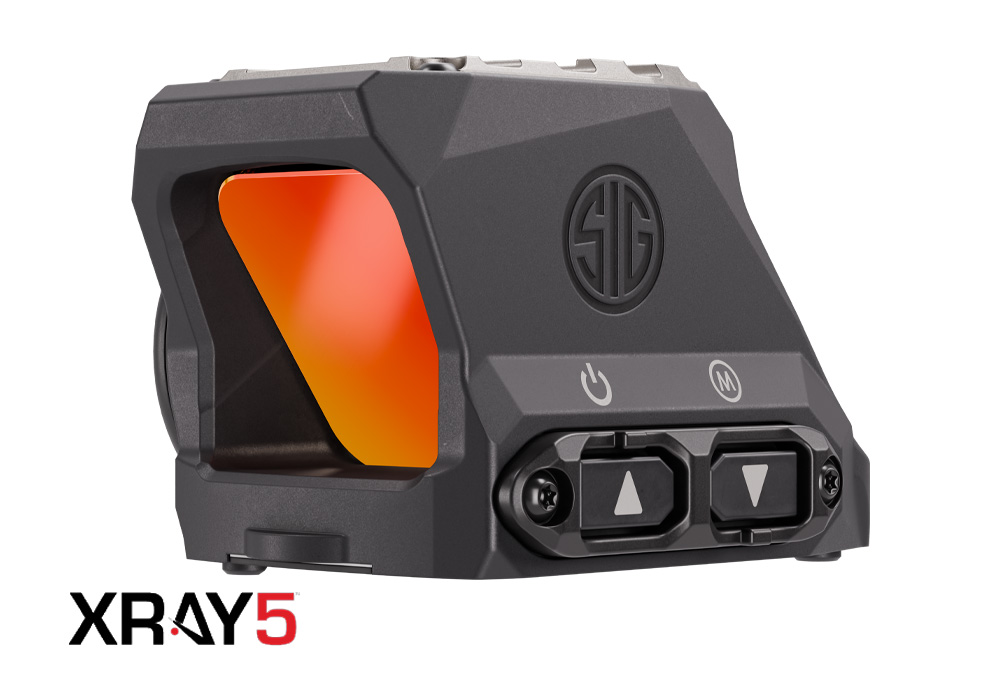
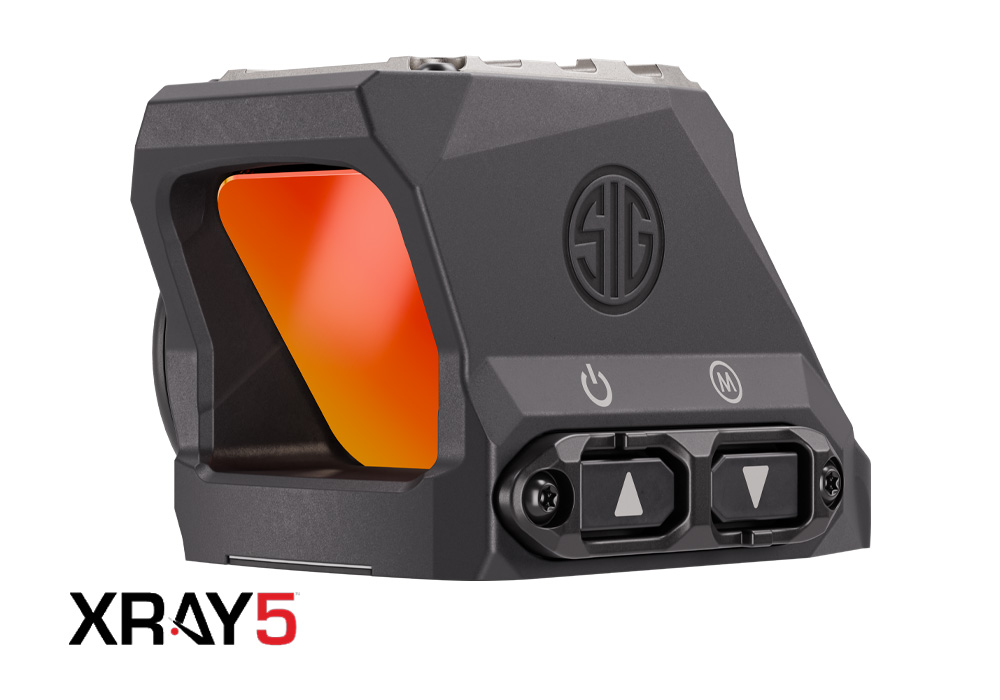
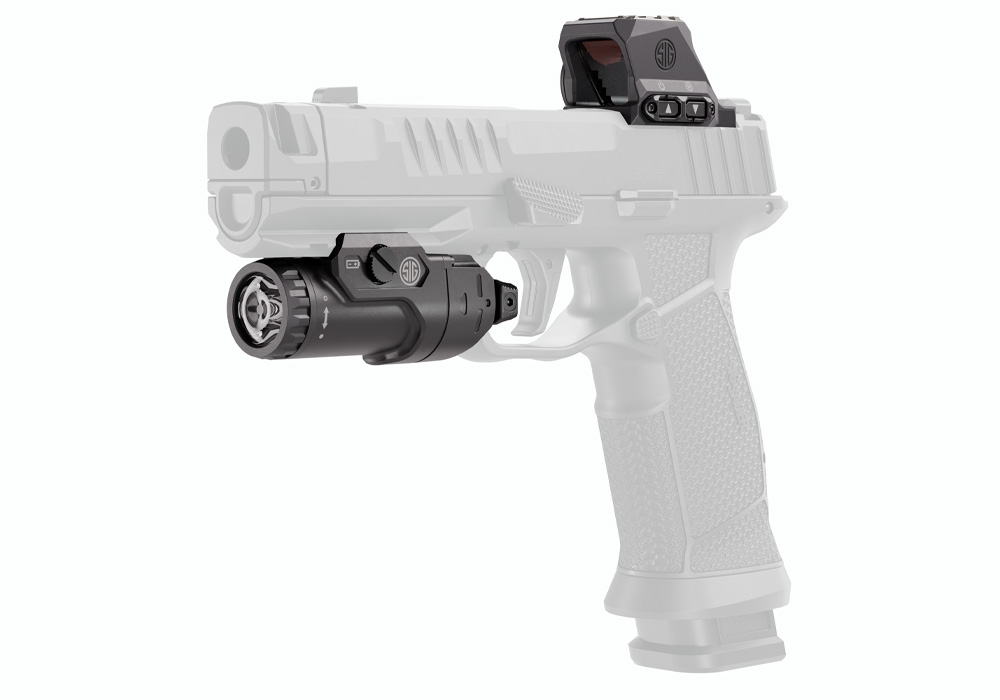
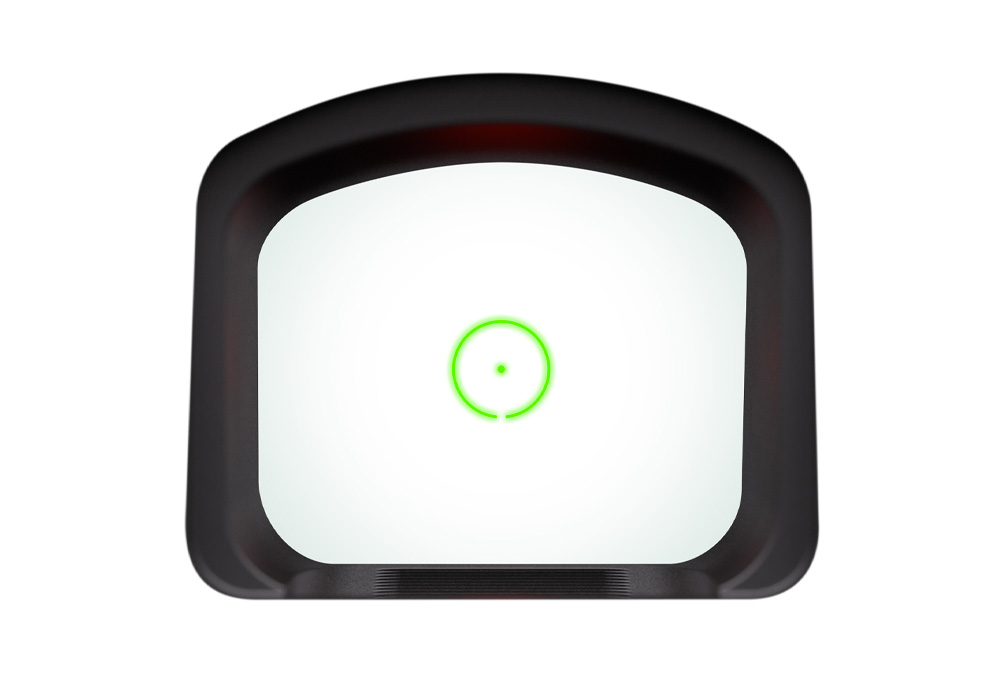
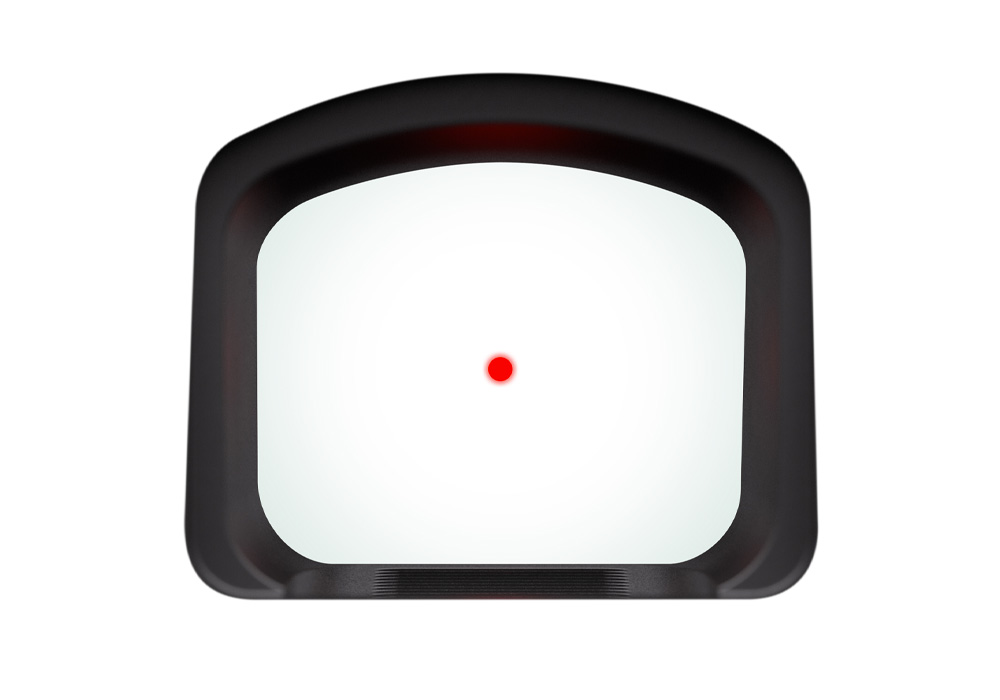
A sight system is a mechanical or optical aiming arrangement that helps a shooter align a firearm with an intended target. Its components establish a visual reference, whether that reference comes from a front blade and rear notch, an aperture, an illuminated dot, or a reticle viewed through an optic. Mechanical sights, often called iron sights, rely on the relationship between front and rear elements. Their appeal includes a compact profile, straightforward construction, and, for many designs, operation without batteries. Optical sight systems present an aiming reference through a lens, with different configurations suited to different viewing distances and applications. Red dot and reflex sights generally provide an illuminated aiming point without magnification, while magnified optics give distant targets greater apparent size. The illuminated reference in a reflex sight is visible through the optic rather than projected onto the target. These distinctions matter because sight systems influence what the shooter sees, how much visual detail is available, and how comfortably the aiming reference can be recognized. A clearly defined front sight may suit someone who prefers a traditional sight picture, while another shooter may find an illuminated reference easier to distinguish against a busy background. Contrast, reticle shape, apparent dot size, and the width of a rear notch can all affect that experience. A narrow aiming reference can preserve a more precise view of a small target, while a broader reference may be easier to notice quickly. Neither approach is universally better; suitability depends on the firearm, the shooting discipline, and individual vision. Prescription lenses and differences in visual acuity can also influence how sharp an aiming point appears. For recreational target shooters, competitors, hunters, and people using firearms professionally, a useful sight system balances a readable aiming reference with the practical demands of its intended role. Sound firearm handling, target identification, and appropriate training remain essential regardless of the sight design.
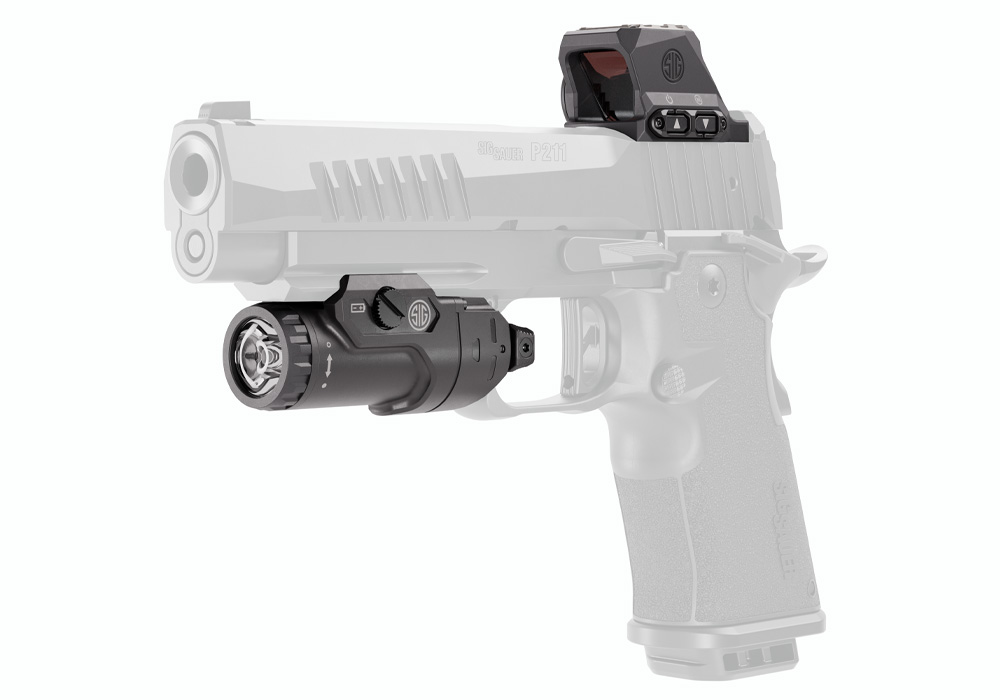
Fit deserves as much attention as the aiming reference itself. Sight systems are not universally interchangeable, even when two firearms look similar or share a general size category. Mechanical sights can differ in dovetail dimensions, attachment method, front and rear height, and compatibility with a particular slide or barrel arrangement. Optical systems introduce additional considerations, including mounting footprint, fastener specifications, mounting surface, and clearance around adjacent components. A compatible footprint alone does not establish that every part of an installation is correct. The complete mounting arrangement must match the firearm and the sight manufacturer’s requirements, with professional installation appropriate when specialized fitting or tools are necessary. Sight height also affects the relationship between mechanical sights and an optic. Some arrangements permit both aiming references to remain visible, a relationship commonly called co-witnessing, but the resulting view depends on the dimensions of the entire setup. Holster compatibility, access to controls, and the space needed for routine maintenance are practical considerations as well. Construction influences how a system handles repeated use. Steel mechanical sights can provide substantial resistance to wear, while aluminum optic housings can balance structural strength with manageable weight. Protective finishes help limit corrosion and surface wear, although no finish eliminates the need for inspection and care. Lens coatings may reduce unwanted reflections or support light transmission, but coating performance and cleaning requirements differ by design. Housing shape, protected adjustment controls, and secure mounting interfaces also contribute to durability. For sights with illumination, brightness settings should provide a readable reference without excessive glare that obscures target detail. Battery type, access to the battery compartment, and power-management features affect ownership over time. Self-luminous inserts and light-gathering elements offer other ways to improve the visibility of mechanical sights, each with its own operating characteristics. A glowing sight reference does not illuminate the target or replace the need to identify it clearly. Taken together, these details explain why sight selection involves more than choosing a familiar shape or an appealing reticle.
Everyday use often reveals differences that are difficult to appreciate from appearance alone. At a target range, a dark front blade can provide a crisp outline against a light target, while a contrasting insert may be easier to distinguish against a darker background. In competition, an uncluttered view and readily recognized aiming reference can be valuable alongside the rules of the shooting discipline. For hunting, the intended distance, target detail, and the firearm’s handling characteristics help determine whether mechanical sights, a nonmagnified optic, or magnification is appropriate. Someone who transports a firearm frequently may place particular value on protected lenses and a profile that works with an existing case. These are practical distinctions rather than promises of improved results; comfort and familiarity develop through responsible practice. Long-term care begins with keeping sight surfaces and mounting areas free of debris and following the manufacturer’s maintenance instructions. Optical lenses require particular care because an unsuitable cloth or cleaner can scratch surfaces or damage coatings. Mechanical sights benefit from attention to finish condition, visible wear, and the security of their attachment. Illuminated systems also require battery checks and attention to any seals or covers disturbed during maintenance. A sight that has sustained a hard impact or shows movement at its mounting point warrants inspection before further use, with qualified service when needed. For compatible hardware and related components, Sight Installation Parts supports attention to the mounting details that connect the sight system to the firearm. Sight systems can also be thoughtful gifts for experienced enthusiasts, provided the recipient’s firearm configuration, visual preferences, and intended use are known. Matching those details matters more than choosing solely by appearance. Across mechanical and optical designs, lasting satisfaction comes from a clear aiming reference, appropriate fit, durable construction, and maintenance requirements that suit the owner’s routine.