Summer range days bring a particular kind of energy to the firing line: bright light, warm air, a well-used range bag, and the steady rhythm of practice as shooters settle into familiar drills. A properly matched 9mm pistol barrel can help support that routine, whether you are replacing a worn component, setting up a dedicated training pistol, or refining a configuration for recreational shooting. The most important consideration is fit. A barrel must be designed for the exact pistol model and configuration, including the frame size, slide length, generation or variant, and operating system. Compact and subcompact pistols commonly use shorter barrels in the approximate 3.1-inch range, while full-size and range-oriented setups may use barrels around 3.9 to 4.6 inches or longer. Barrel length can influence sight radius, balance, felt movement, and the velocity produced by a particular load, although ammunition selection, chamber dimensions, environmental conditions, and the individual firearm all contribute to practical performance. When comparing options, confirm the listed specifications against the owner’s manual and the firearm manufacturer’s compatibility information rather than relying on appearance alone. A barrel intended for one model may not be suitable for another, even when both pistols use 9mm ammunition or share a similar overall profile. Shooters who spend long sessions practicing from the bench, working through defensive drills, or building consistency from the holster may appreciate the control and repeatability that come from a carefully selected barrel, while those who primarily carry a compact pistol may place greater value on maintaining the original size, weight, and handling characteristics.
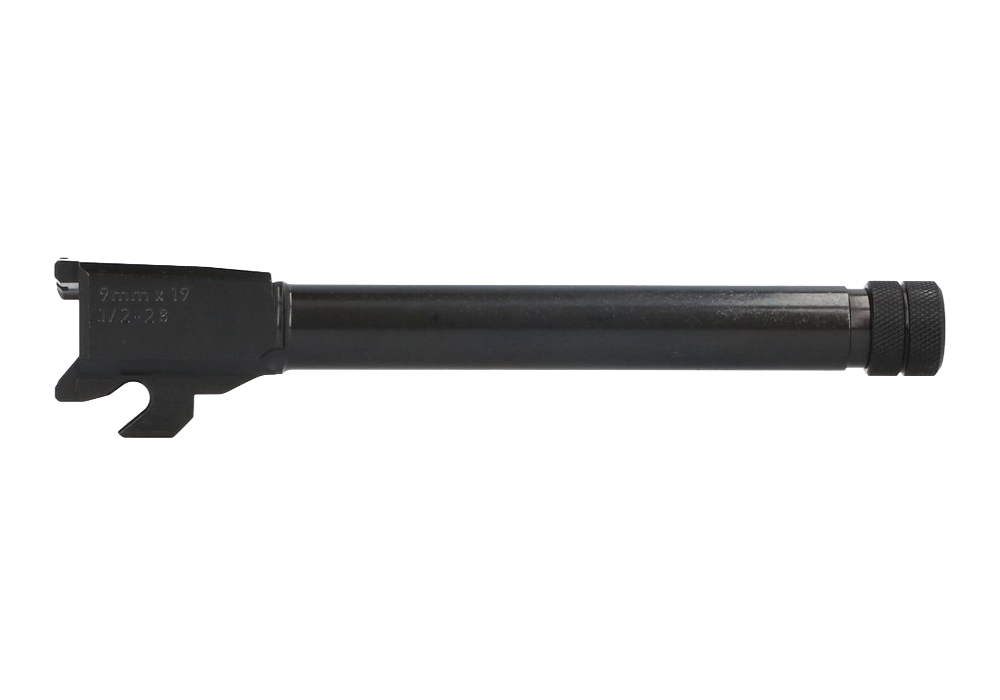
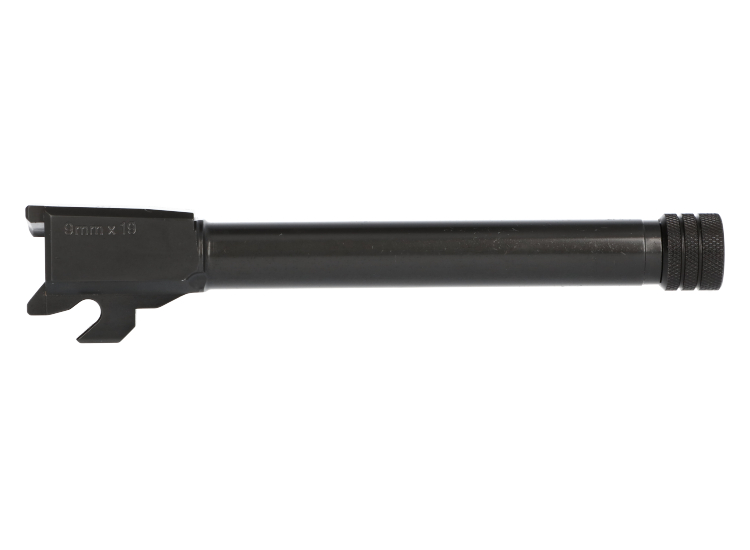
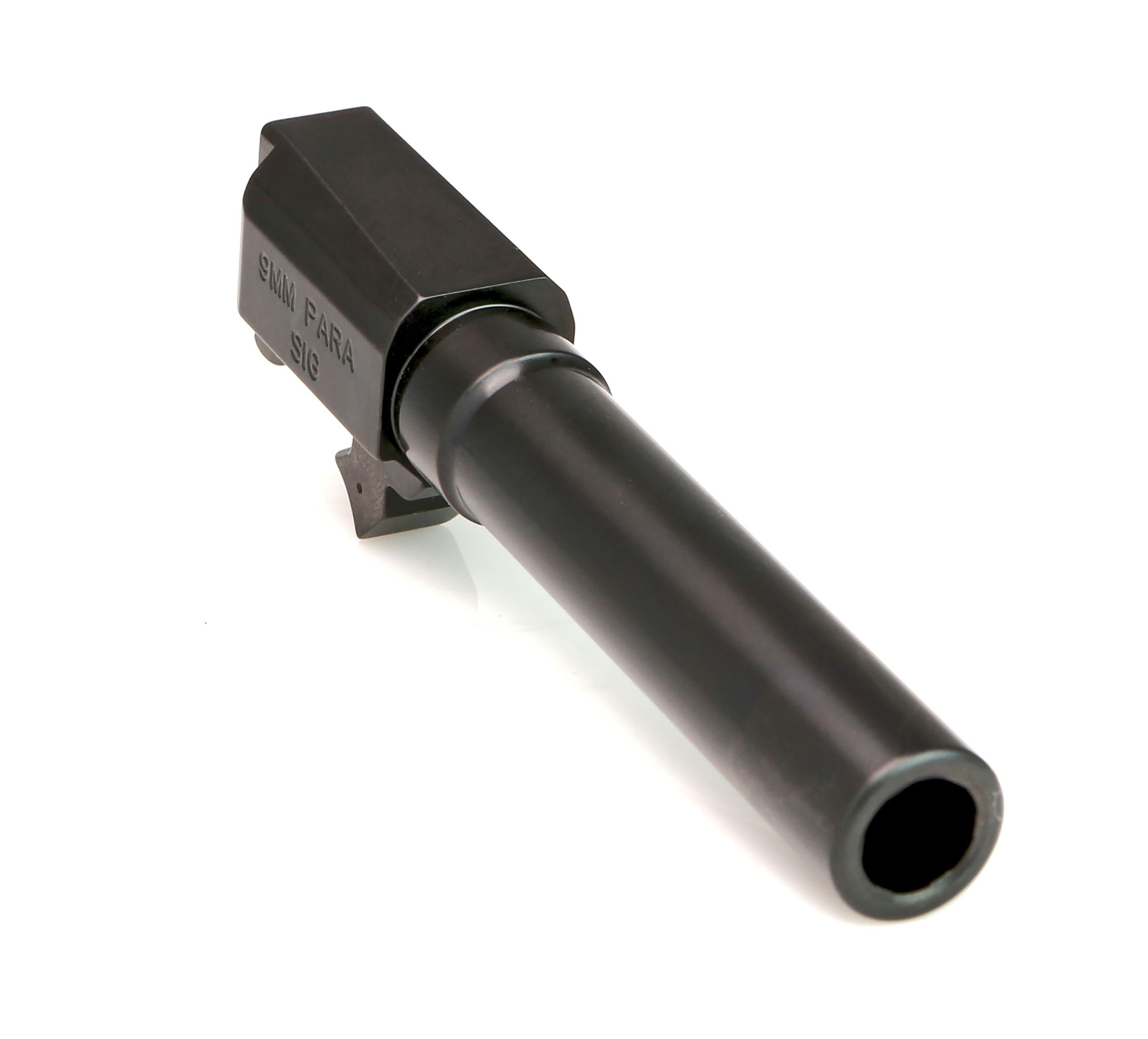
The choice between a standard and threaded 9mm pistol barrel generally comes down to the intended setup. Standard barrels preserve a clean, conventional profile and are often the straightforward choice for replacement, practice, or a pistol that will be used without a muzzle-mounted accessory. Threaded barrels add external threads at the muzzle for compatible accessories such as compensators or suppressors, but the thread pitch, shoulder dimensions, thread length, and accessory interface must all match. A commonly encountered specification is 1/2x28, though it should never be assumed without checking the barrel and accessory documentation. Thread protectors can help shield exposed threads during storage and ordinary range use, while a properly fitted compensator may be selected by shooters who want to manage muzzle movement during repeated fire. Suppressor use involves additional considerations, including legal requirements, host-pistol compatibility, ammunition selection, potential changes in cycling, and the need to follow the suppressor manufacturer’s instructions. Threaded configurations can also alter the overall length and balance of a pistol, which may affect holster fit, storage, and how the firearm feels during presentation. Finish and material deserve attention as well. Stainless steel and treated carbon steel options are commonly chosen for their combination of strength, durability, and resistance to surface corrosion. Warm-weather range sessions can expose equipment to perspiration, humidity, sunscreen, dust, and frequent handling, so a barrel with a durable finish can be especially practical as the weather warms and through the cooler months that follow. After use, allow components to dry, inspect the bore and exterior, and apply the maintenance products recommended for the firearm. Any sign of unusual wear, damage, obstruction, or improper fit should be addressed by a qualified gunsmith before the pistol is fired.
A 9mm pistol barrel may be a useful addition for an experienced shooter assembling a dedicated range configuration, maintaining a frequently used training pistol, or preparing a compatible host for an approved muzzle accessory. It can also be a thoughtful gift for a knowledgeable firearm owner, provided the exact pistol model, barrel length, finish, and threaded or standard configuration are confirmed in advance; a gift card or carefully verified specification is often better than guessing, since small differences between variants can determine whether a barrel fits safely. Shooters who divide their time between outdoor practice and indoor ranges may choose different setups for each environment, while those attending seasonal training sessions may prioritize dependable fit, easy maintenance, and a familiar point of impact over cosmetic details. Before purchase, review chambering, locking geometry, feed-ramp design, lug dimensions, overall length, and any manufacturer-stated restrictions. Use only ammunition appropriate for the firearm, follow safe handling practices, and have installation or inspection completed by a qualified professional when the component or firearm design requires it. For shoppers organizing a seasonal equipment refresh, the selection of August Range Day Pistol Barrels offers a convenient place to compare compatible barrel configurations for range use. Whether the goal is a direct replacement, a standard barrel for dependable practice, or a threaded option for a carefully planned accessory setup, matching the barrel to the pistol and intended use is the foundation for a safe, consistent, and enjoyable day at the range.