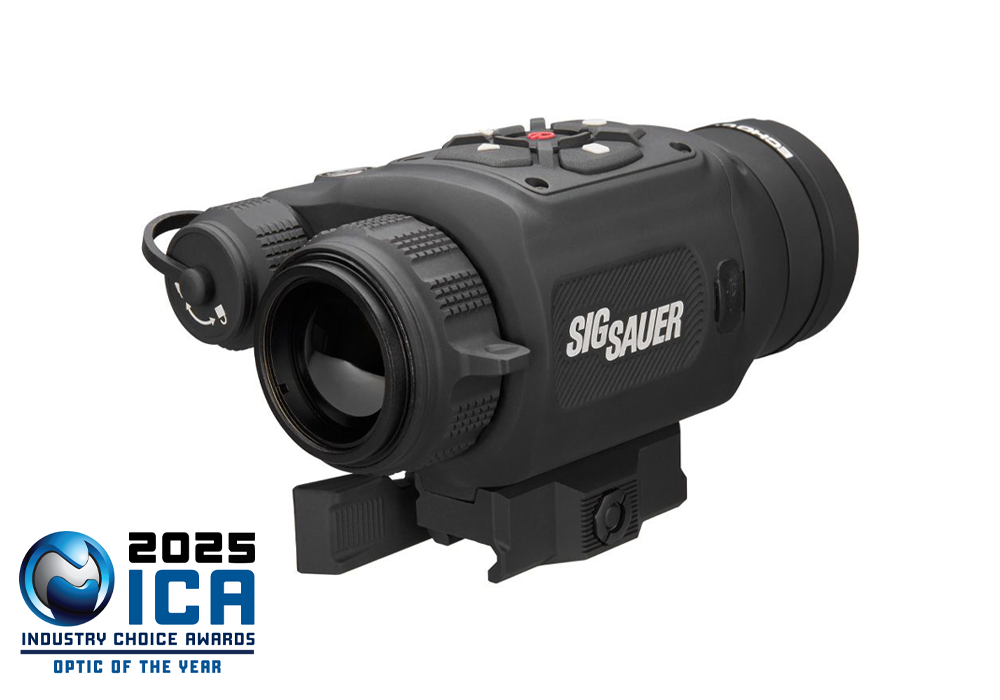
Thermal clip-on optics give hunters a flexible way to add thermal imaging to an existing daytime optic without replacing the familiar sight picture they have worked hard to learn. Mounted in front of a compatible riflescope, a clip-on can help reveal heat signatures against dark backgrounds, light brush, or changing terrain when visibility becomes difficult during the early morning, evening, or other low-light conditions. That versatility makes this category appealing to hunters who want to extend the practical use of their setup during the cooler months without committing to a completely separate sighting system. It can also be a thoughtful gift for an experienced hunter who values dependable equipment and prefers to build around gear already proven in the field. Before purchasing, consider the intended rifle, optic, mounting position, and overall balance of the setup. Compatibility is especially important: tube diameter, mounting interface, optical alignment, eye relief, and the manufacturer’s specifications should all be reviewed carefully. A clip-on that integrates cleanly with the existing optic should feel natural in use rather than requiring a hunter to relearn every part of the sight picture. The best choice is not simply the model with the most features; it is the one that fits the rifle, scope, hunting environment, and personal preferences with as little interruption as possible.
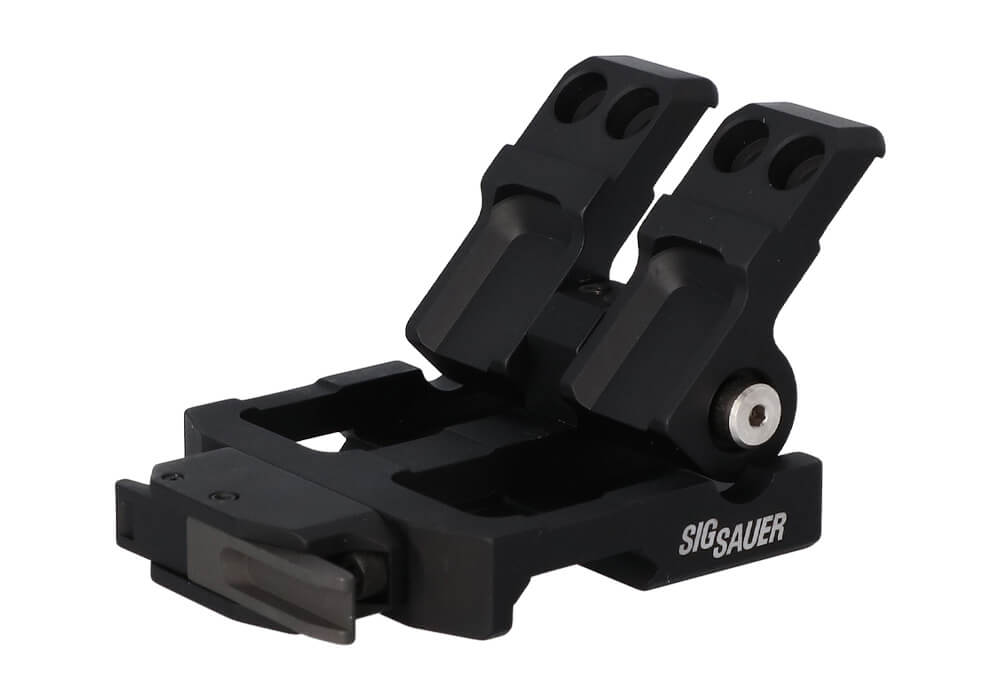
Image quality and usability deserve close attention when comparing thermal clip-ons. Resolution, detection range, refresh rate, palette options, contrast controls, and image adjustment features can all influence how clearly a hunter interprets a scene. A wide field of view may be helpful when scanning open ground or following movement through a wooded edge, while a more focused view can support observation at greater distances. Magnification compatibility also matters, since the clip-on must work properly with the optic in front of it and maintain a usable image throughout the intended range. Hunters who spend long hours outdoors should look for practical details such as battery life, accessible controls, weather resistance, weight, and the ability to make adjustments while wearing gloves. A compact, well-balanced unit is easier to carry across uneven ground and less likely to make a familiar rifle feel cumbersome. Reliable mounting and repeatable alignment are equally important, especially when equipment is removed for transport and reattached later. It is wise to confirm whether the included mount suits the firearm and optic, whether additional adapters are needed, and how the system should be installed, aligned, and maintained according to the manufacturer’s instructions. As the weather warms and later as temperatures fall, condensation, rain, dust, and cold can all affect outdoor equipment, so storage and care should be part of the buying decision. A protective case, spare batteries stored safely, lens covers, and a simple maintenance routine can help preserve performance through changing field conditions.
The right thermal clip-on can support a more adaptable hunting setup, but it should always be used with sound judgment, responsible field practices, and a clear understanding of local laws. Thermal imaging does not replace positive target identification, careful background awareness, or the need to follow all regulations governing seasons, legal shooting hours, permitted equipment, and species. Hunters should spend time becoming familiar with the unit in a controlled and lawful setting before relying on it outdoors, learning how the display renders animals, vegetation, rocks, and other heat sources at different distances. A short practice session can reveal how the added optic affects balance, controls, and handling, while also helping the user develop confidence in adjusting brightness and image settings without losing focus on the surroundings. For someone preparing for colder conditions, pairing a dependable thermal clip-on with suitable clothing, a secure carrying system, and other field-ready equipment can make long sits more comfortable and organized. Those building a seasonal setup may also want to explore Optics for Winter Hunting for additional ways to prepare for reduced daylight, snow-covered landscapes, and crisp air that can change how terrain appears. Whether chosen for personal use or given as a practical gift, a thermal clip-on is best selected with the whole hunting experience in mind: the rifle it will accompany, the optic it must complement, the distances and terrain involved, and the steady, responsible habits that make time outdoors more rewarding.