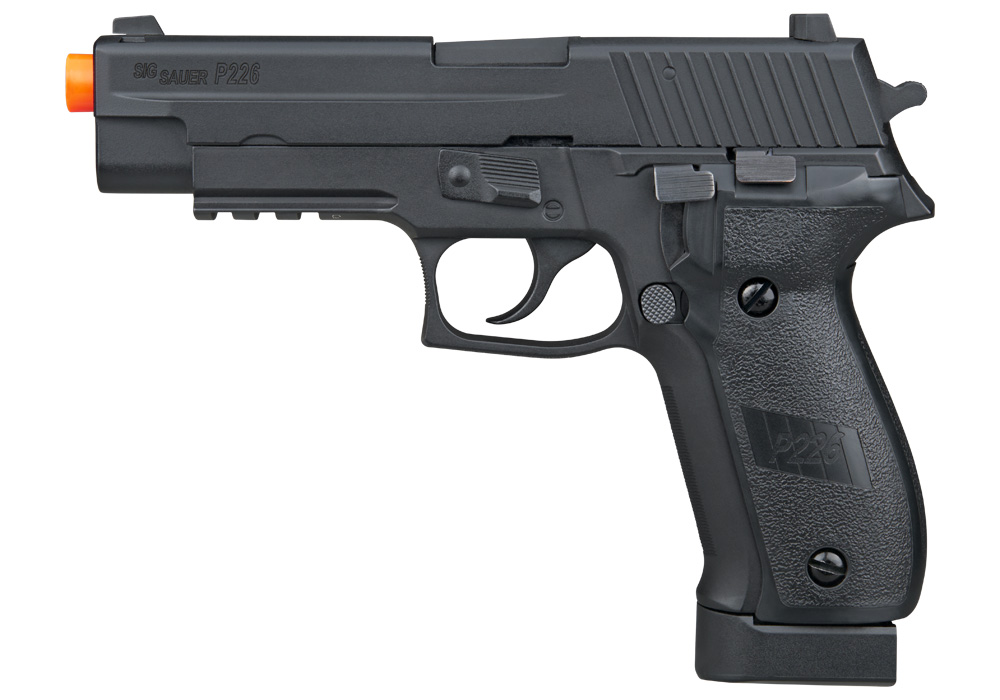
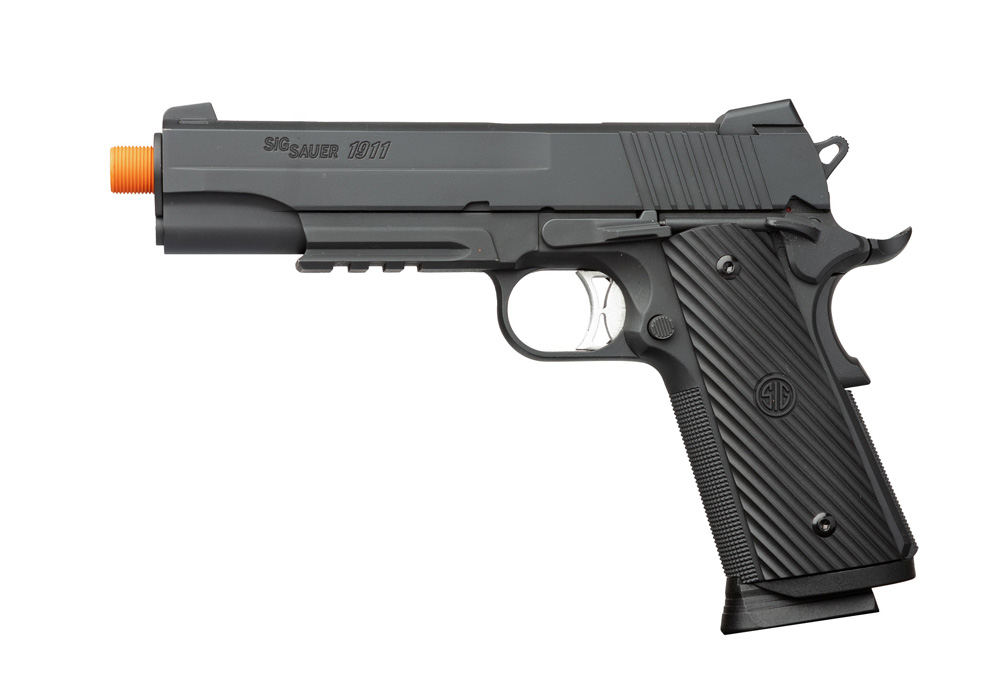
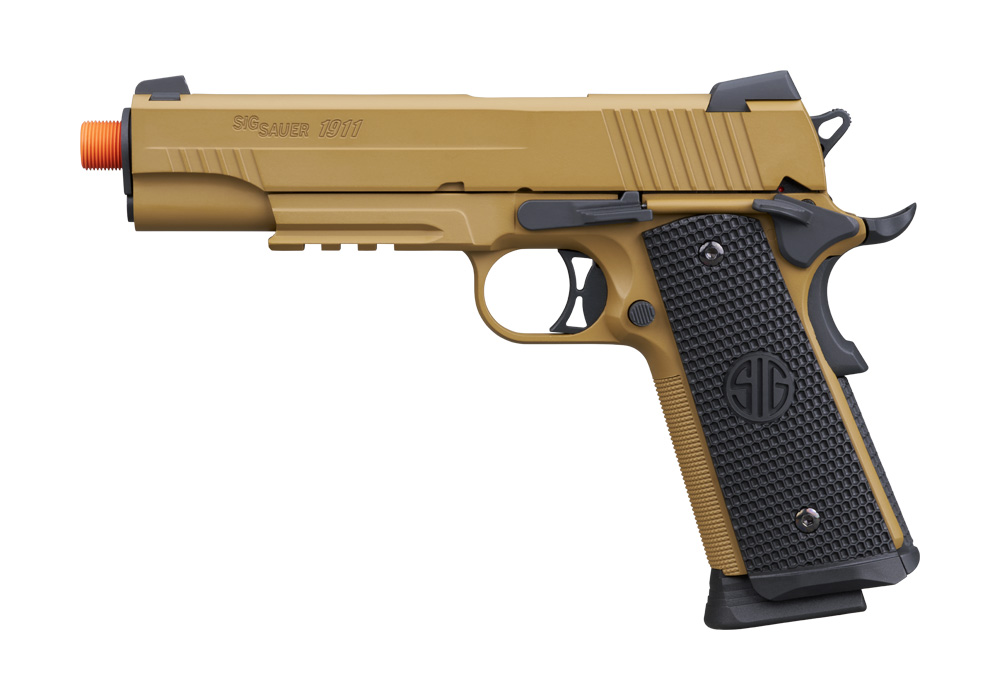
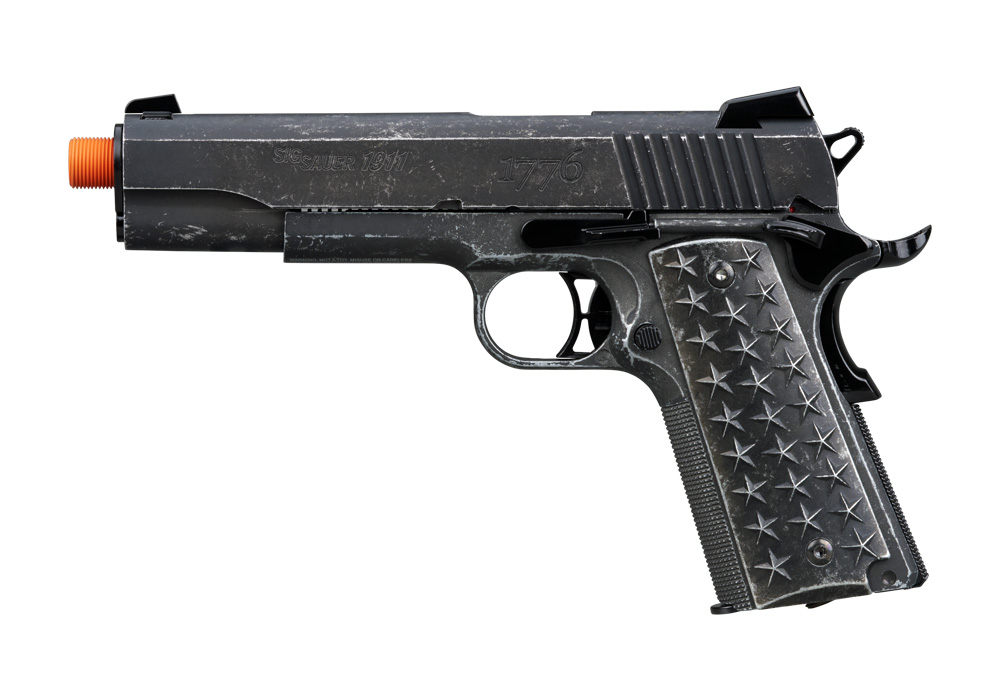
Training pistols are purpose-built practice tools that reproduce aspects of a handgun’s shape, weight, controls, or trigger feel without using conventional live ammunition. The category spans several distinct designs, and those differences matter more than appearance alone. An inert training pistol is typically a solid polymer replica with no functioning firing mechanism, useful for supervised handling instruction, equipment fit checks, and classroom demonstrations. A laser training pistol uses an electronic indicator to provide visual feedback, often paired with a resetting trigger that supports repeated practice without operating a slide between each press. Airsoft and CO2-powered replicas can include moving slides and functional controls, offering a different degree of mechanical realism while firing their own designated projectiles. Specialized marking platforms serve another role in professionally supervised training environments and require compatible equipment, protective gear, and strict separation from live firearms and ammunition. These categories are not interchangeable, and no replica should be treated as harmless simply because it is intended for practice. For a first-time student, the most useful option may be a clearly identifiable inert model that lets an instructor explain basic handling without introducing a functioning action. An experienced owner may prefer a dedicated laser device for structured practice or a replica that closely matches familiar control locations. Instructors may value durable, easily inspected tools that remain consistent through repeated demonstrations. The central consideration is the kind of feedback the equipment provides: physical shape, trigger movement, visual indication, or mechanical action. A solid replica cannot reproduce a working trigger, and a laser indicator cannot fully represent recoil or live-fire performance. Understanding those limits helps place training pistols in their proper role as supplements to qualified instruction and appropriate range practice, rather than substitutes for either. A useful comparison begins with the intended setting and the features that setting actually requires, not simply the most elaborate mechanism.
Fit and construction determine how convincing and useful a training pistol feels in the hand. Overall dimensions, grip circumference, trigger reach, and the position of molded or functional controls all influence familiarity. Two replicas can look similar across a table yet feel noticeably different when held, especially around the backstrap, trigger guard, and grip texture. For someone matching an existing handgun, the exact frame style and configuration matter; a broad family resemblance does not establish compatibility. Holster fit deserves the same attention. Small differences in slide profile, sight height, trigger guard geometry, or accessory contours can affect how a replica seats and whether a retention mechanism engages as intended. Manufacturer compatibility information is more reliable than assuming a close visual match will work. Solid molded polymer generally offers a straightforward construction with relatively few components to inspect, while weighted inserts can help approximate the balance of a corresponding firearm. Metal components may contribute to a more realistic feel in functional replicas, although weight alone does not indicate durability or training value. A tool that feels excessively heavy at the muzzle can be less representative than a lighter option with more accurate balance. Surface texture also affects comfort during extended classroom sessions, particularly when several students handle the same equipment. Bright identifying colors help distinguish some inert replicas, but color is not proof that an object is incapable of firing a projectile. Laser-equipped devices introduce other considerations, including battery access, trigger consistency, indicator visibility, and compatibility with any required target or software. Gas-powered replicas add seals, valves, magazines, and moving components that require their own inspection and upkeep. Depending on the design, users may need compatible consumables, eye protection, or additional protective equipment. The practical choice is the one whose dimensions, operating features, and maintenance needs suit the intended practice environment. A simple, durable classroom replica and a more complex electronic trainer can each be appropriate, but they solve different problems and should be evaluated on that basis.
Care and storage help preserve those useful differences over time. A solid training replica may need little more than cleaning according to its manufacturer’s directions and regular inspection for cracks, deformation, or rough edges. Electronic trainers require attention to battery condition, contacts, and optical surfaces, while functional gas-powered replicas can need model-specific cleaning and seal care. Household solvents and general-purpose lubricants are not automatically suitable for polymers, finishes, electronics, or internal seals; the product’s care instructions should determine what touches each surface. Equipment used by multiple people benefits from a consistent inspection routine, especially where wear might alter fit or interfere with controls. Storage should keep training tools secure against unauthorized access and clearly separated from live firearms and ammunition. Dedicated practice spaces likewise need deliberate boundaries, with suitable targets and surroundings for the particular device. Projectile-firing replicas require an appropriate containment setup and protective equipment, while laser devices must be used in accordance with their eye-safety labeling. Realistic-looking training pistols should not be displayed in public or handled where others could reasonably mistake them for live firearms. These responsibilities are part of ownership regardless of the equipment’s intended audience. For an instructor, long-term usefulness may come from clear identification, repeatable dimensions, and a construction that withstands frequent handling. For an individual learner, a comfortable grip and straightforward setup may make a dedicated trainer easier to incorporate into instruction-led practice. As a gift, a training pistol is best chosen with the recipient’s preferences, experience, and existing equipment in mind rather than on appearance alone; compatibility and a suitable place to use it are essential. Shooters comparing training tools with conventional handgun options can also explore Pistols for Advanced Shooters while keeping their separate purposes in view. Thoughtful selection comes down to accurate fit, an appropriate level of realism, manageable care requirements, and a clear understanding of what the equipment can and cannot reproduce. Those qualities support a dependable practice tool that remains useful as familiarity develops and instructional needs change.