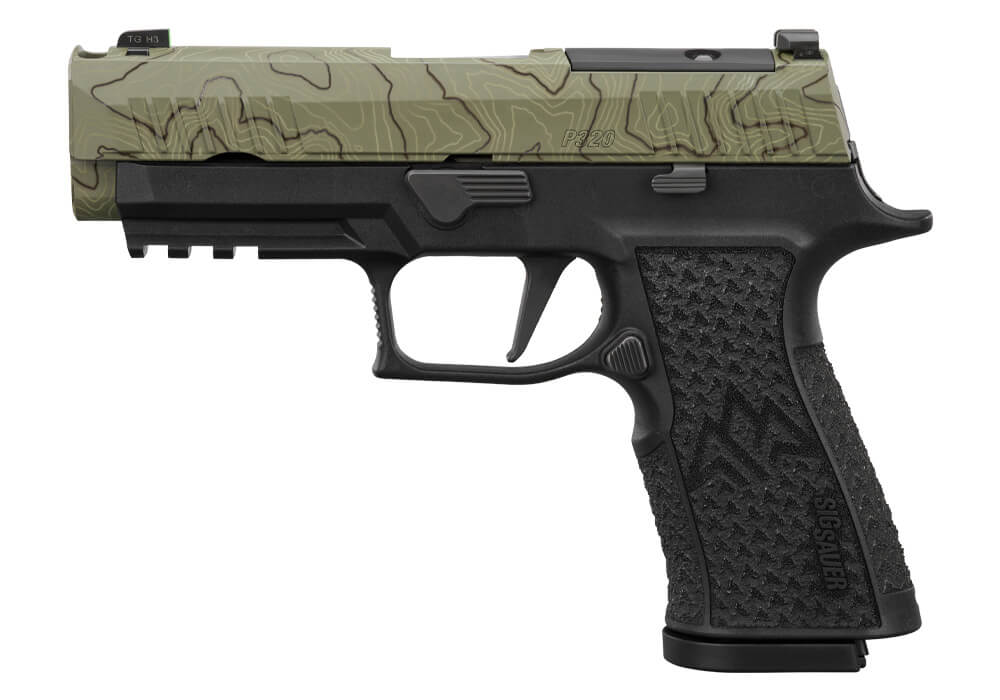
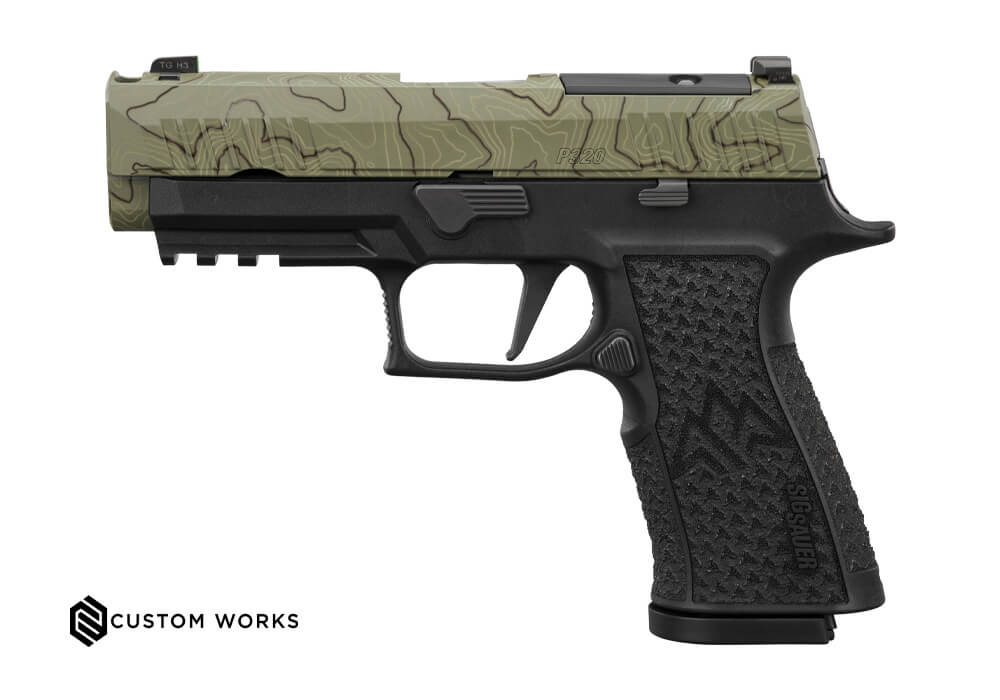
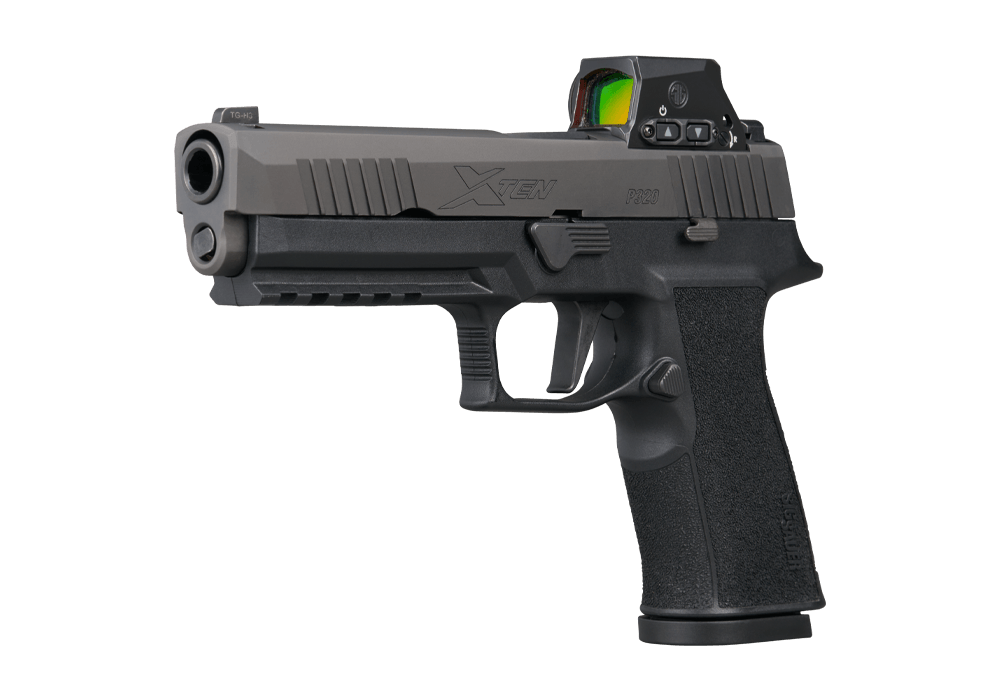
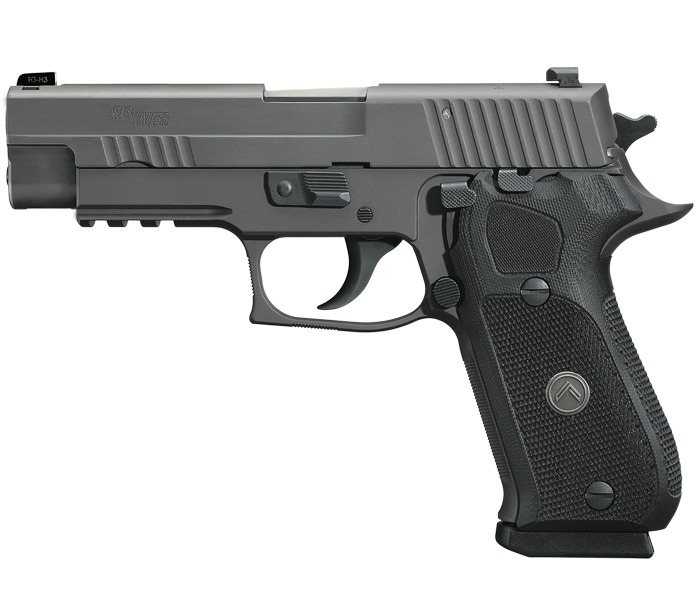
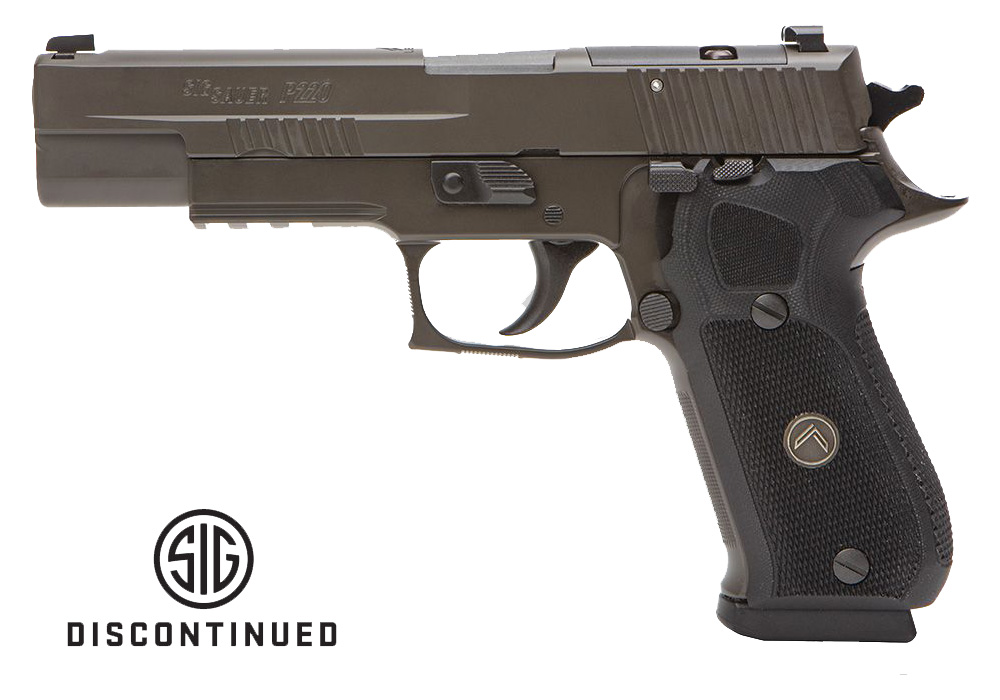
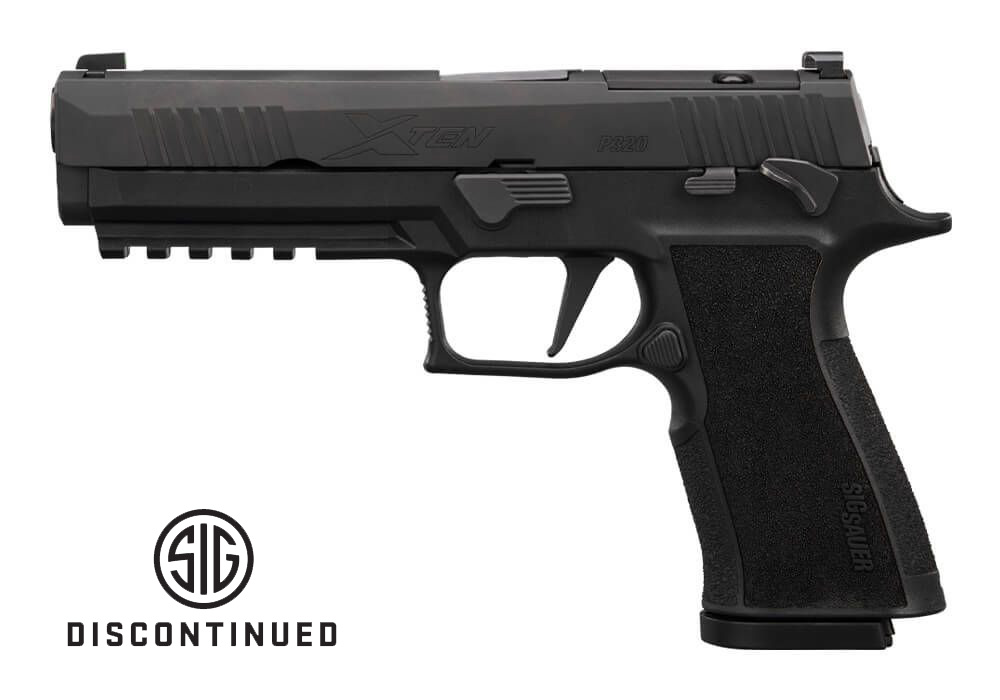
When choosing a 10mm pistol for summer travel, start with the way you expect to carry and use it rather than focusing on a single feature. A compact or subcompact frame can be easier to conceal beneath a light shirt, overshirt, or jacket, especially when paired with a quality inside-the-waistband holster that keeps the grip close to the body. These smaller formats are often practical for town travel, campground errands, road trips, and outdoor activities where comfortable concealment matters. A full-size 10mm pistol may be a better fit for extended time on trails, open carry where lawful, or backcountry travel where a longer sight radius and more substantial grip can support steadier control. Frame material, slide profile, grip texture, and overall weight all influence how a pistol feels after several hours on your hip. Polymer-frame designs can help keep a carry setup relatively light, while a heavier frame may soften felt recoil during practice and provide a more settled feel in the hand. Magazine size is another useful consideration, with standard and extended options offering different balances of concealment, reload frequency, and overall length. Before traveling, confirm that the pistol, magazines, ammunition, and holster comply with every law along your route, including rules for transport, vehicle storage, concealed carry, and crossing state or jurisdictional lines. A secure case, a separate locked container when required, and careful attention to local regulations are essential parts of responsible travel planning. For shoppers comparing options for personal protection, the broader selection of 10mm Pistols For Self Defense can provide additional context while you consider size, controls, sight configuration, and carry method together.
A 10mm pistol can serve a range of experienced shooters, from someone seeking a versatile sidearm for rural property and outdoor recreation to a traveler who wants a powerful, familiar platform for lawful personal protection. The cartridge is known for a flat trajectory and substantial energy, but those benefits also come with noticeable recoil and a report that deserve serious practice and hearing protection. Shooters with smaller hands or limited experience may find a compact grip easier to conceal yet more demanding to control, while a longer grip can provide a more secure hold and faster follow-up shots. Try several unloaded pistols if possible, paying attention to whether the controls are easy to reach without shifting your grip, whether the sights align naturally, and whether the trigger movement feels consistent. Practice should include a firm two-handed grip, a stable stance, slow accuracy work, controlled strings, reloads, and safe holster use. Begin with manageable sessions and focus on repeatable hits rather than speed. Ammunition selection also deserves care. Lighter-recoiling practice loads can help build confidence at the range, while defensive hollow points may suit lawful personal-protection applications in populated areas when they function reliably in the chosen pistol. For remote trails or regions where large wildlife is a concern, some experienced outdoorsmen consider heavy hard-cast loads, subject to local rules, firearm compatibility, and guidance from qualified instructors. Each load should be tested for reliable feeding and practical accuracy before travel. Avoid carrying unfamiliar ammunition for the first time on a trip, and keep cartridges protected from heat, moisture, and rough handling. A pistol that feels natural during a brief store visit may feel very different after a full day of walking, climbing, driving, or sitting around a campsite, so comfort and proven reliability should remain central to the selection process.
Summer travel can involve changing conditions, from warm pavement and crowded lodging areas to shaded trails, sudden rain, and cooler evenings at higher elevations. Choose a holster that fully protects the trigger area, remains secure during movement, and works with the clothing you actually plan to wear. A belt with enough structure to support the combined weight of the pistol, holster, and spare magazine can improve comfort and reduce shifting. For concealed carry, check the outline of the grip and slide beneath light clothing before leaving home, then practice safe presentation from that same garment setup at a supervised range. For open carry where permitted, retention and visibility become especially important, and a secure holster should hold the pistol in place while walking over uneven ground or getting in and out of a vehicle. Travelers should also plan for storage at hotels, vacation rentals, campsites, and vehicles; never leave a firearm unsecured in a room, luggage compartment, or unattended car. A small lockable case, separate ammunition storage where required, and a consistent safety routine help prevent unauthorized access. New owners or recipients of a 10mm pistol should receive suitable instruction, spend time learning the specific controls, and understand the fundamentals of safe handling before carrying. As the weather shifts from warm travel days to cooler outdoor seasons, the same thoughtful approach remains useful: select a size that fits the mission, confirm legal requirements, choose a dependable holster, test ammunition at the range, and carry only when you can do so safely, confidently, and responsibly.