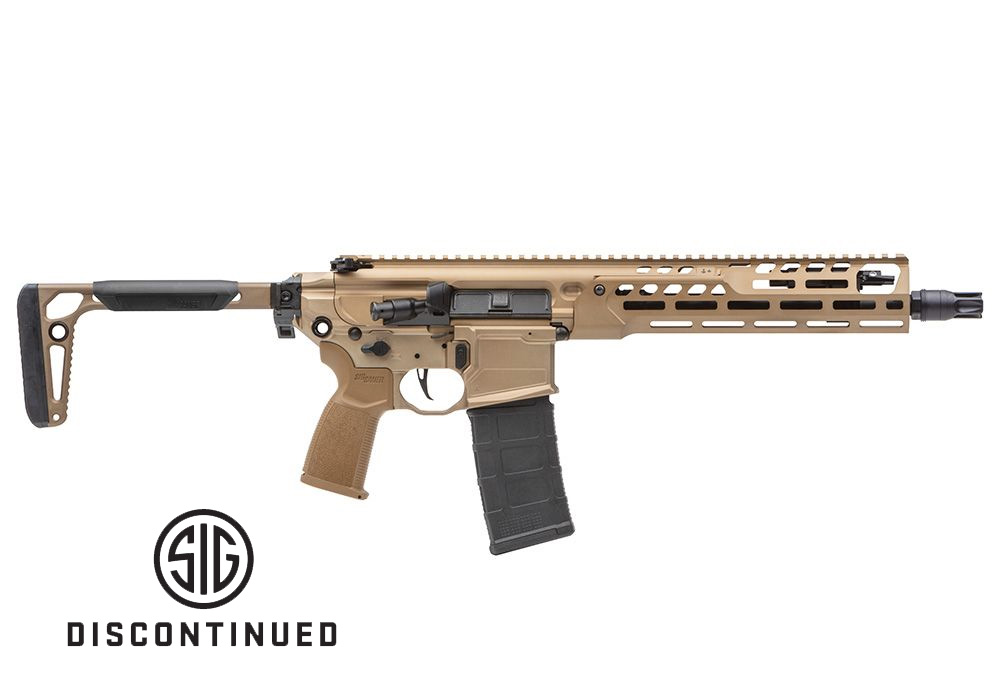
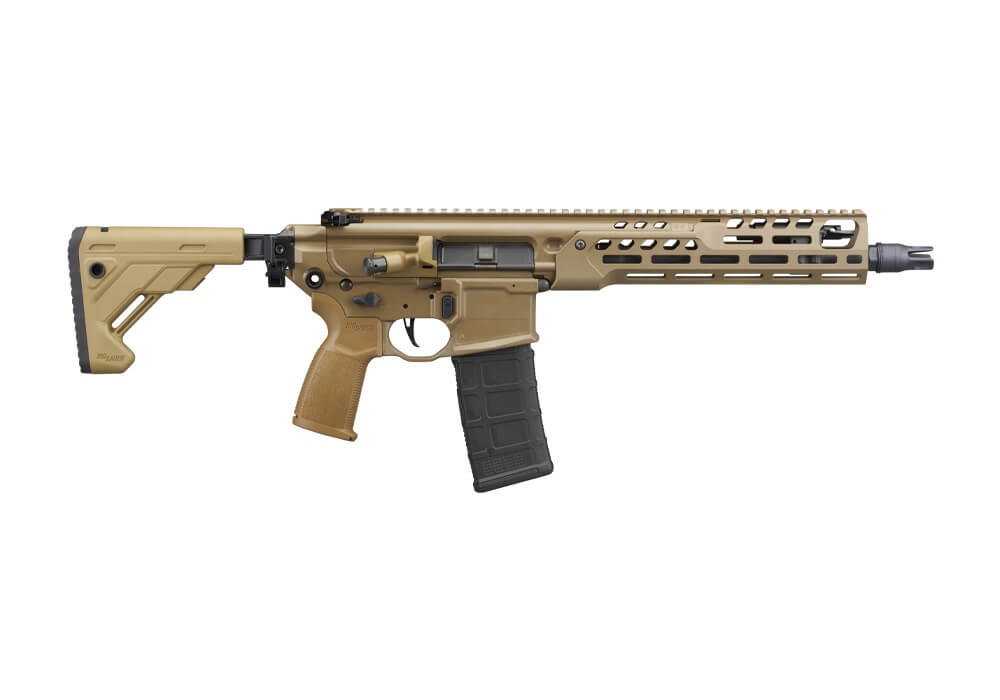
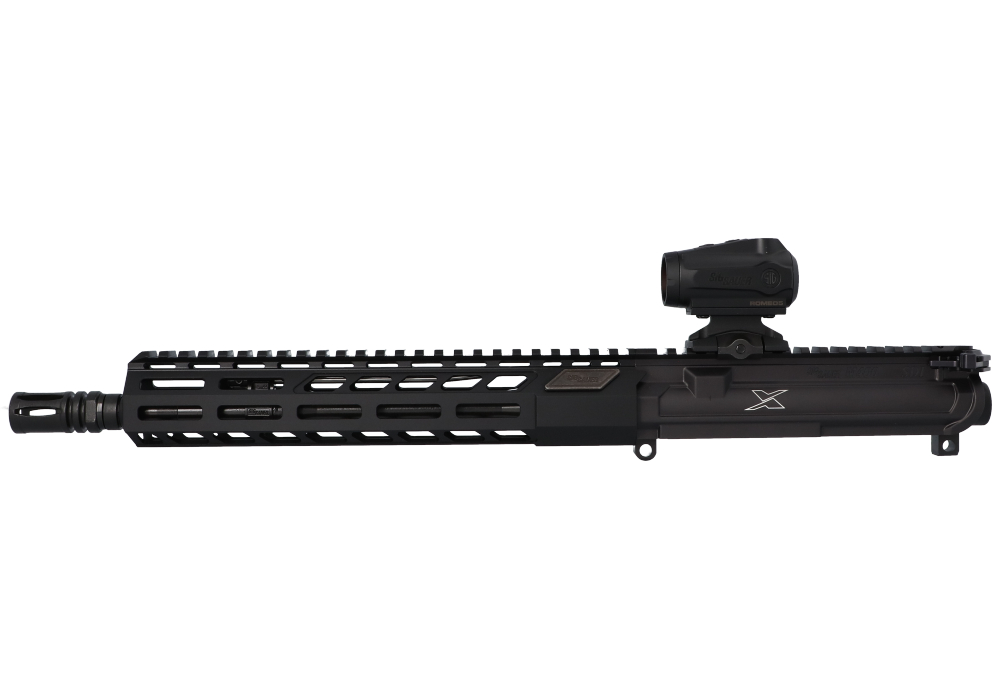
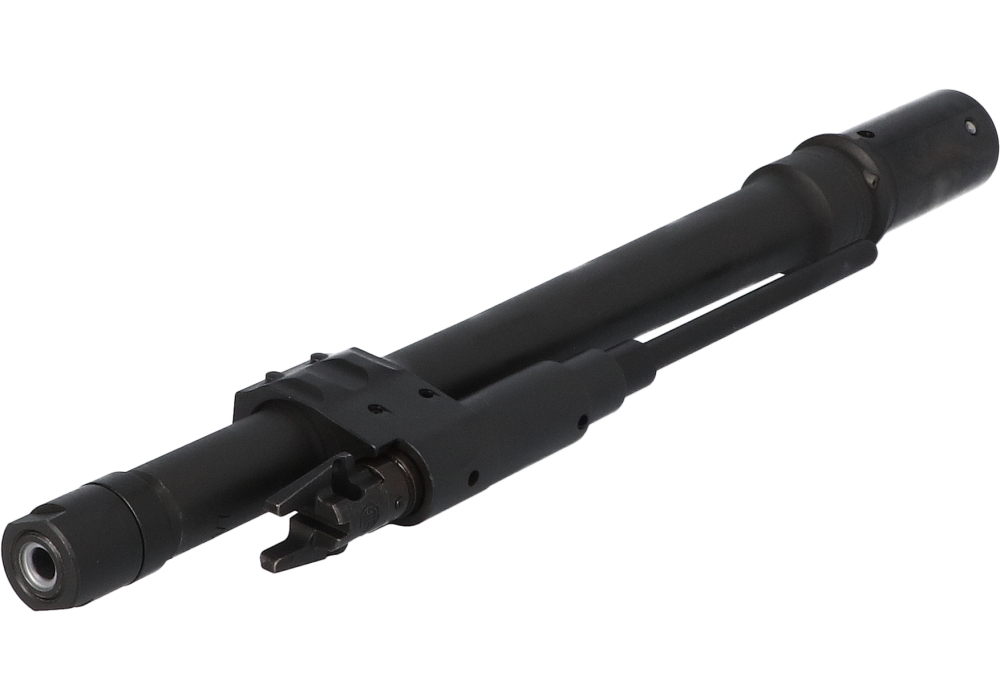
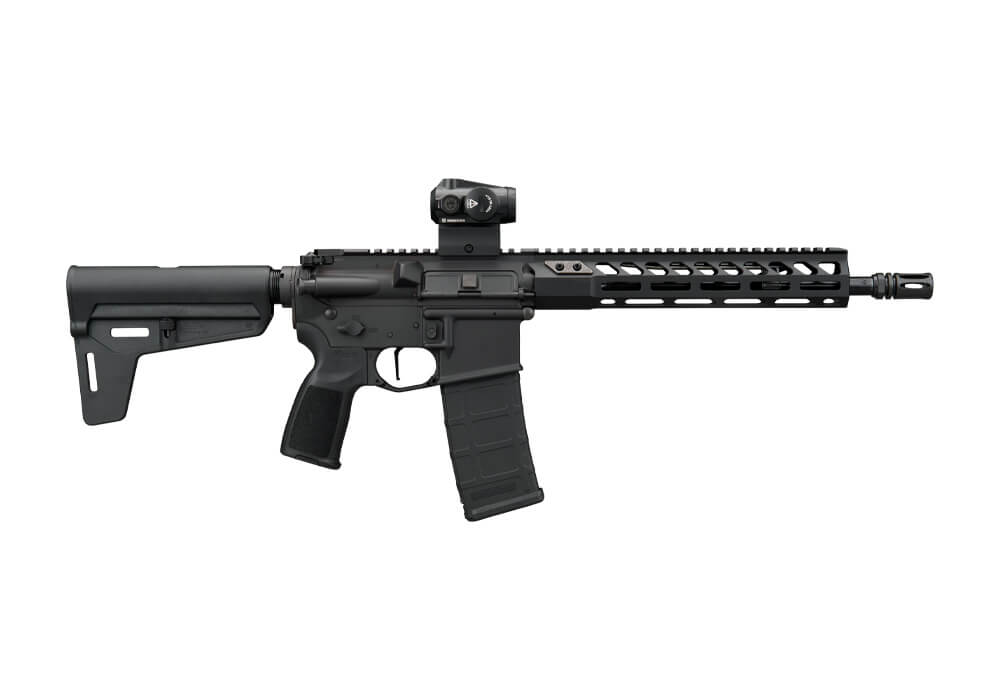
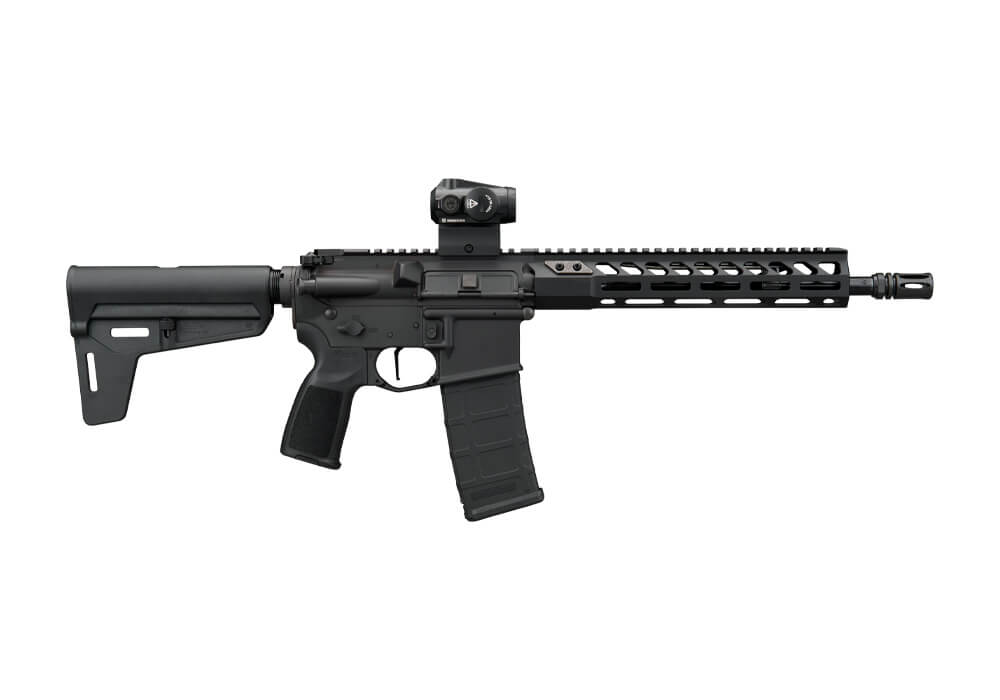
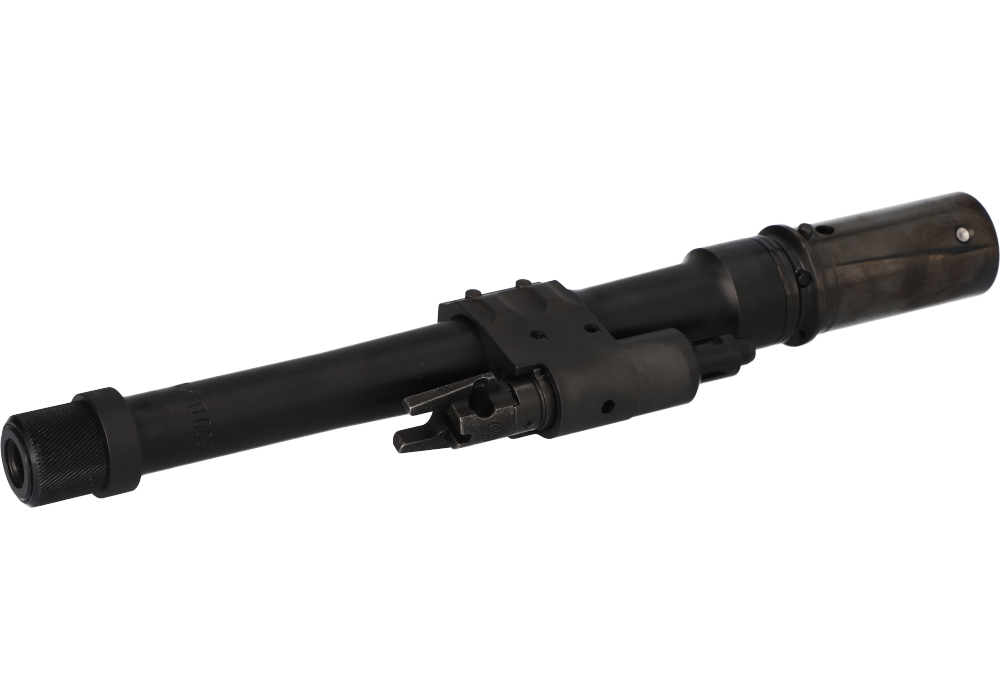
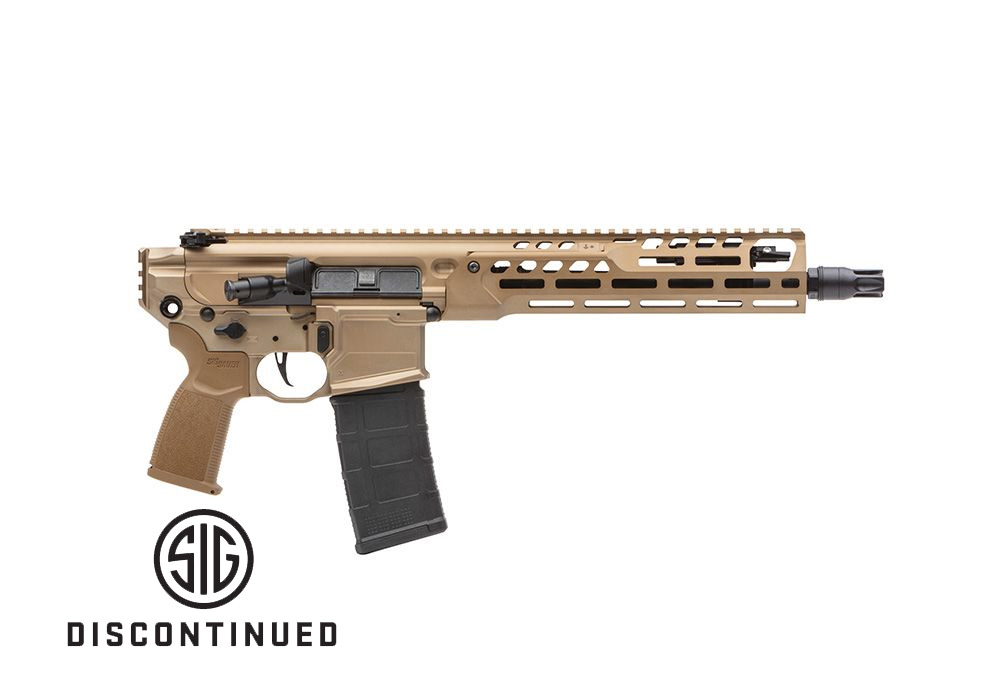
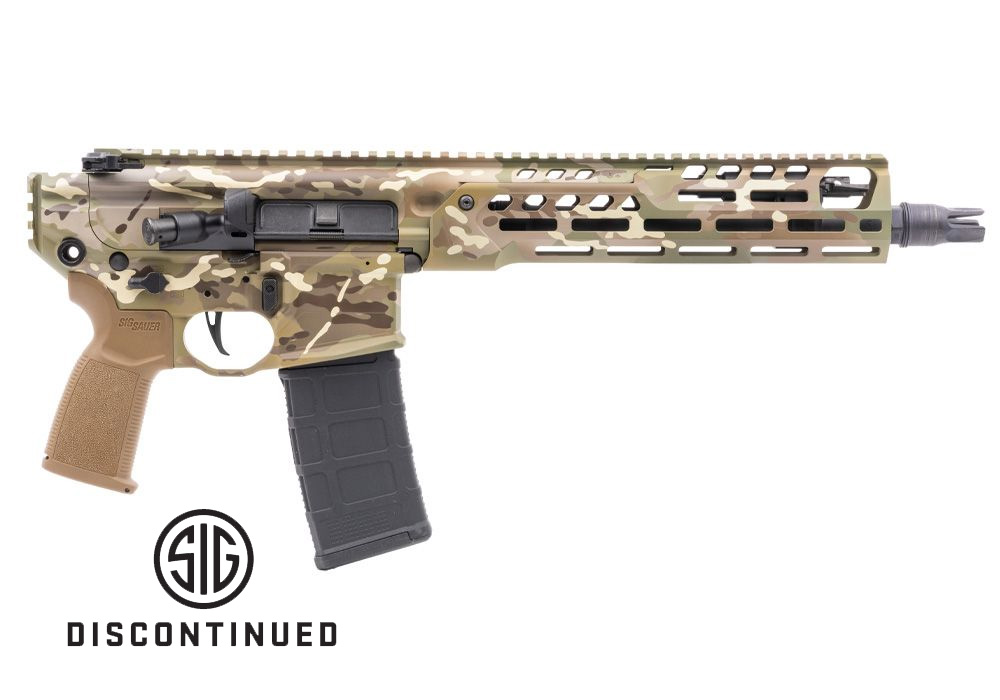
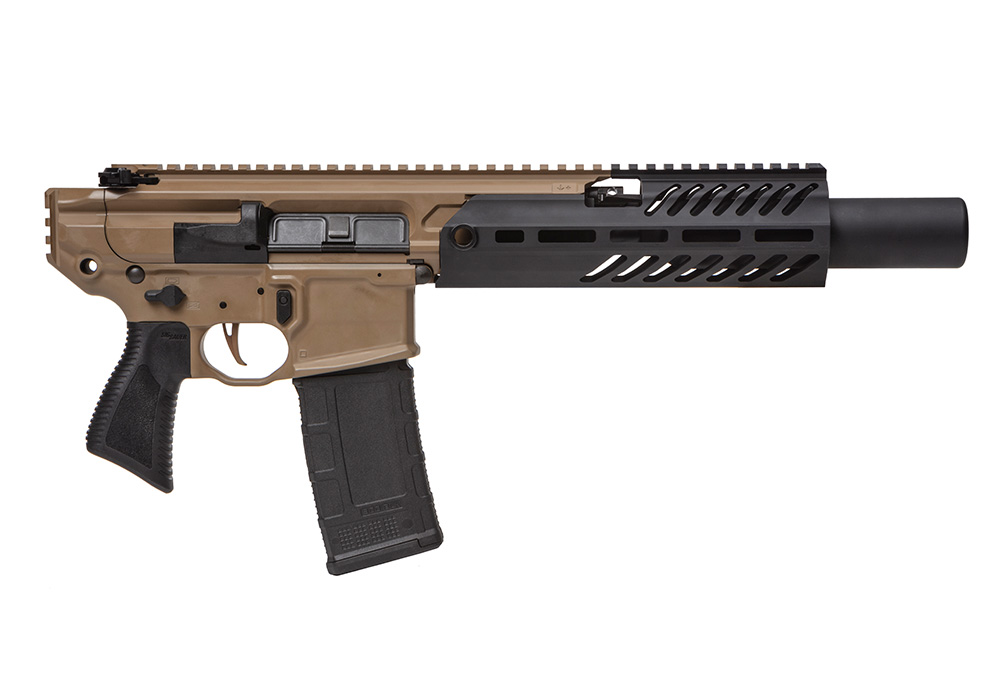
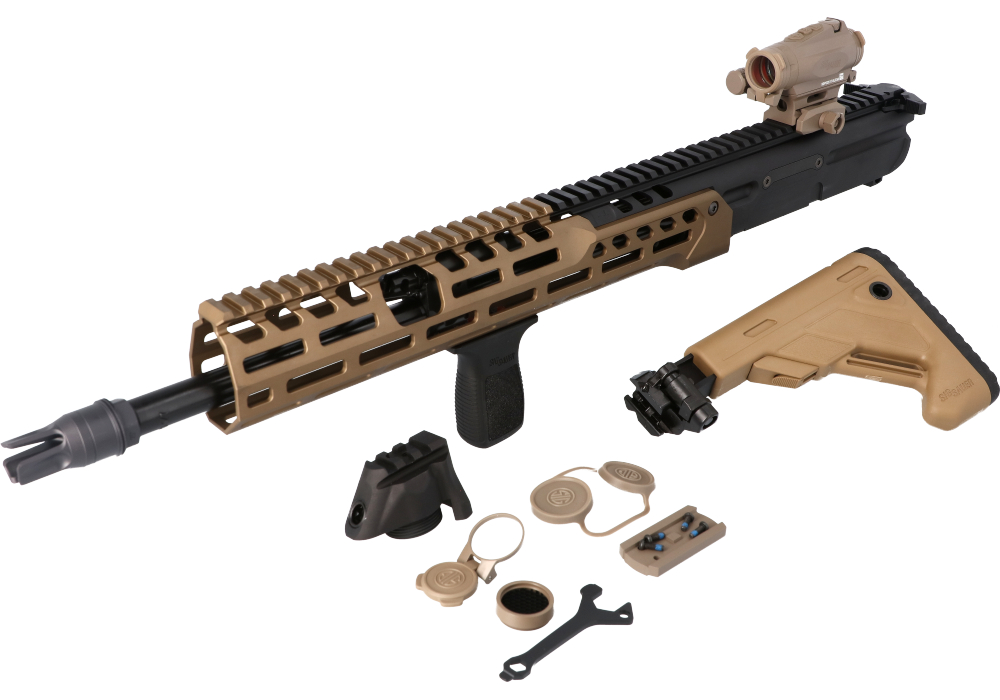
An 11.5 upper offers a compact, well-balanced configuration for shooters who value maneuverability without giving up the familiar controls and handling characteristics of a standard rifle platform. As an upper receiver assembly, it typically includes the barrel, handguard, gas system, muzzle device, and related components, while the lower receiver and internal parts are selected separately. That makes this category useful for a variety of lawful applications, including range practice, training, competition, collection building, and as a practical replacement or configuration option for an existing compatible lower. The shorter overall format can feel especially natural when moving through tight indoor ranges, working from a bench with limited space, or transporting equipment during the cooler months. At the same time, every compact configuration has its own balance of weight, sound, blast, sight radius, and handling characteristics. Before choosing an 11.5 upper, confirm compatibility with the intended lower receiver, verify the correct operating system, and review all applicable federal, state, and local requirements. A qualified gunsmith can help confirm fitment and function, particularly when combining components from different manufacturers or changing barrel, gas, buffer, or muzzle configurations. It is also important to understand whether the completed configuration is classified as a rifle, pistol, or another regulated firearm under applicable law, since configuration and intended use can affect compliance. Product specifications should be reviewed carefully rather than relying only on appearance; details such as barrel material, twist rate, chambering, handguard mounting system, gas-block arrangement, and included components can make a meaningful difference at the range.
Many shoppers choose an 11.5 upper because it gives an existing setup a fresh purpose. A recreational shooter may use one to create a compact range configuration that is easy to carry from the vehicle to the firing line, while a more experienced enthusiast may appreciate the opportunity to compare different handguard lengths, sighting arrangements, or recoil characteristics. For someone who spends time practicing from supported and unsupported positions, a well-matched upper can provide a comfortable balance between stability and quick movement. The handguard should offer enough usable surface for the shooter’s preferred sights, sling, or other lawful accessories without creating unnecessary bulk. Weight distribution matters as well: a front-heavy setup may feel steady from a rest but become tiring during extended practice, while an overly light configuration may feel lively and produce more noticeable movement during firing. Ammunition selection should match the chambering and the manufacturer’s specifications. Shooters who use common intermediate rifle cartridges may wish to compare bullet weights and loads, including options found in 115gr Ammunition, while confirming that the ammunition is appropriate for the firearm and intended range use. Keep expectations grounded in the role of the setup. An 11.5 upper is not simply a shortened version of a longer configuration; its compact dimensions can influence noise, muzzle flash, velocity, and felt concussion. Proper hearing and eye protection are essential, and double hearing protection may be worth considering on indoor ranges or around other compact firearms. A quality case, secure transport method, and clearly organized storage also make a difference when moving between home, the range, and training classes.
Because an 11.5 upper is a component rather than a complete firearm, it can be a thoughtful purchase for an experienced adult shooter who already knows the intended platform, chambering, and configuration requirements. It is less suitable as a surprise gift unless the recipient has clearly identified the specifications they want and the buyer has confirmed all legal and compatibility details in advance. A gift card, range session, or professional consultation may be a better choice when those details are uncertain. For any purchaser, the best selection begins with a clear list of priorities: compact handling, preferred sighting system, intended ammunition, range environment, cleaning routine, and the amount of modification planned after purchase. During the cooler months, a compact setup can be convenient when layered clothing, gloves, or additional gear make a streamlined configuration easier to manage, but comfort and control should always take priority over appearance. After installation, have the assembly inspected as needed, follow the manufacturer’s instructions for lubrication and maintenance, and perform a careful function check in a safe environment before live fire. Begin with a controlled range session, confirm reliable operation, and pay attention to changes in point of impact after mounting optics or other accessories. Store the firearm and components unloaded and secured from unauthorized access, keep ammunition stored responsibly, and follow all transport rules when traveling. With thoughtful selection, professional guidance where needed, and disciplined handling habits, an 11.5 upper can serve as a versatile foundation for a compact, dependable setup tailored to lawful recreational shooting and ongoing skill development.