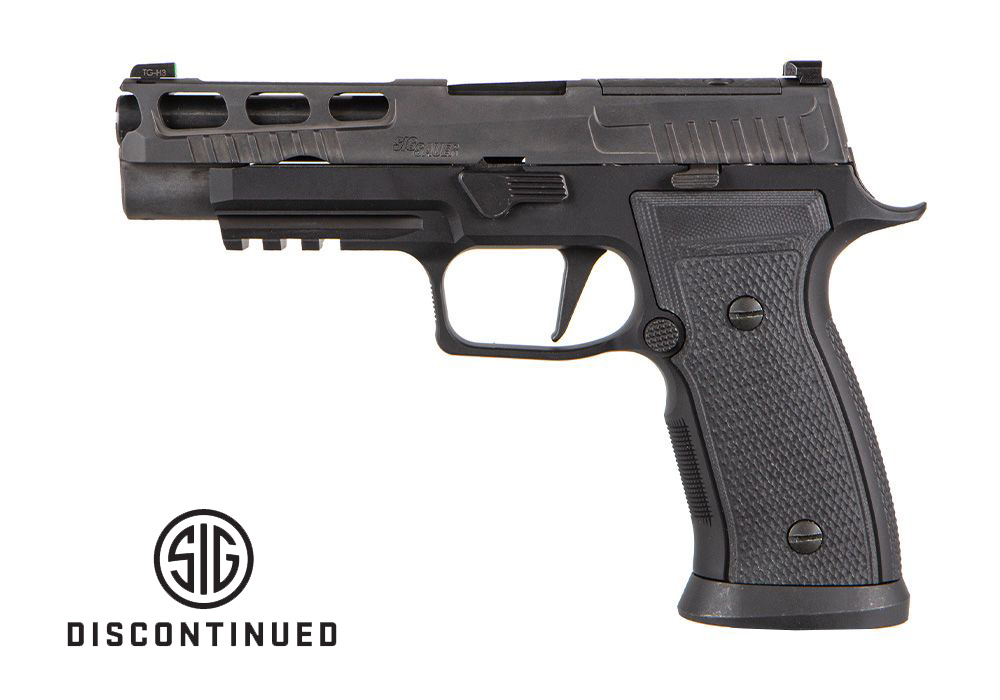
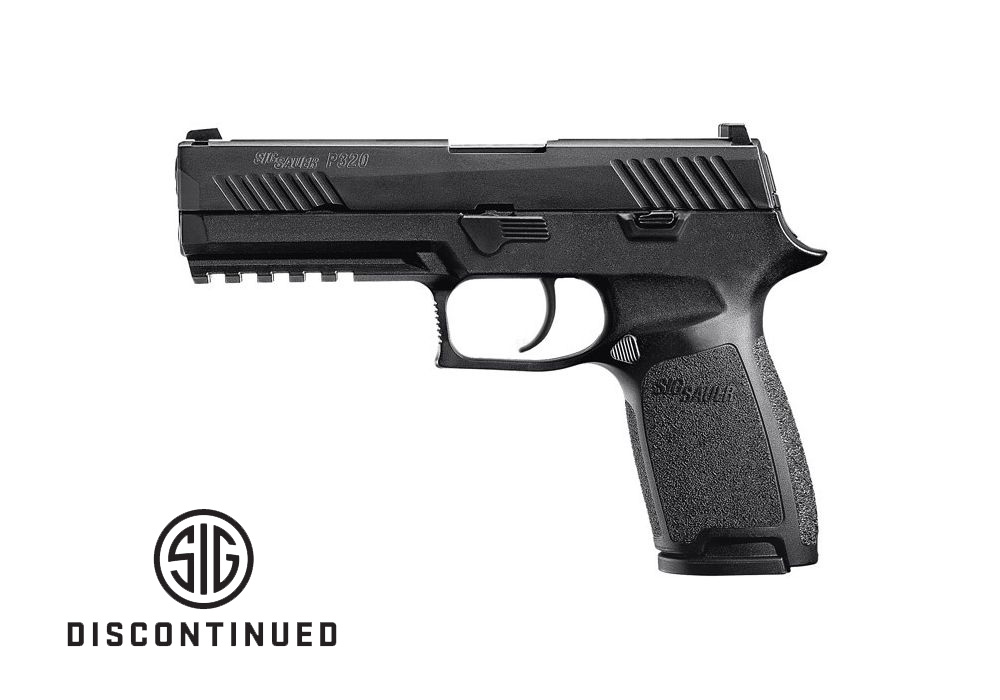
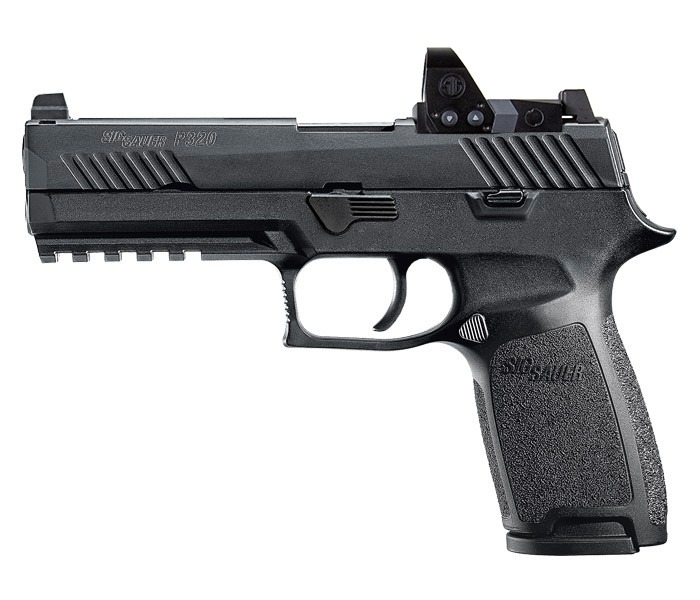
A 4.7-inch gun barrel is a compact, versatile barrel length commonly associated with handguns and short-format sporting or defensive firearms. On a modern firearm, a barrel measuring approximately 4.7 inches can provide a practical balance between maneuverability, sight radius, velocity, and control. Its length is short enough to handle comfortably in confined spaces while still offering more sighting distance and projectile stabilization than many ultra-compact configurations. Shooters may consider this size for range practice, personal protection where lawful, competition setups, training, or a practical backup firearm. Barrel length alone does not determine performance, however. The correct choice depends on the firearm model, chambering, rifling specifications, material, finish, muzzle configuration, and the intended use of the firearm. Before selecting a replacement or spare barrel, confirm the exact manufacturer, model, generation, caliber, operating system, and fitment requirements. Even barrels that appear similar can differ in locking surfaces, feed-ramp geometry, lug placement, chamber dimensions, or slide and frame compatibility. A properly fitted barrel should seat correctly, lock securely, and function with the firearm according to its manufacturer’s specifications. When there is any uncertainty about fit, installation, or function, consultation with a qualified gunsmith is a prudent step. For a broader selection of barrel lengths and configurations, browse the Gun Barrels collection to compare options suited to different firearm platforms and shooting preferences.
When evaluating 4.7-inch gun barrels, start with compatibility rather than appearance. The barrel must match the chambering marked on the firearm and should be designed for the exact platform in question. Using ammunition that does not correspond to the barrel and firearm markings can create a dangerous condition, so careful attention to caliber and cartridge designation is essential. Rifling is another important consideration. The number of lands and grooves, twist rate, and rifling profile influence how the barrel engages the projectile and can affect accuracy with different bullet designs. A shooter who spends an afternoon working through a slow, deliberate group at the range may notice that one load performs differently from another, even when both are approved for the same chambering. That is why a replacement barrel should be selected as part of a complete firearm system rather than treated as an interchangeable accessory. Construction and finish also deserve attention. Stainless or coated surfaces may appeal to owners who prioritize corrosion resistance and simplified maintenance, while other finishes may be selected to complement an existing firearm or provide a consistent appearance. Inspect the crown, chamber, feed ramp, locking surfaces, and bore for clean machining and damage, and follow all manufacturer guidance for cleaning, lubrication, break-in, and inspection. A barrel intended for frequent range use may be chosen for its durability and repeatable performance, while a carry-oriented setup may place greater emphasis on reliability, snag resistance, and compatibility with the firearm’s existing controls and sights. Standard or extended capacity magazines, grip dimensions, holster fit, and overall balance can also influence how a 4.7-inch configuration feels in the hand, even though those components are separate from the barrel itself.
The term “4.7-inch gun barrel” can also appear in historical references to large artillery and naval guns, where 4.7 inches describes bore diameter rather than barrel length. Those historic weapons were approximately 120 mm in caliber and were used in late nineteenth- and early twentieth-century naval, coastal-defense, and field-artillery roles. British quick-firing guns associated with the Elswick Ordnance Company were commonly described as 4.7-inch weapons, with some designs featuring a bore length of about 40 calibers and firing shells weighing roughly 45 pounds at velocities reaching approximately 2,150 feet per second. The United States also developed the 4.7-inch gun M1906, a medium field-artillery piece with a bore length of about 129.22 inches, or 27.5 calibers, designed to fire a 60-pound shell. These historical artillery barrels are fundamentally different from the compact firearm barrels represented in a modern retail category: the shared measurement can refer either to bore diameter in historical ordnance or to physical barrel length in a contemporary handgun listing. Keeping that distinction in mind helps shoppers interpret search results accurately and find the right type of product. A 4.7-inch handgun barrel may suit an owner seeking a balanced, manageable setup for lawful use, training, or collection, while a historical researcher may be comparing naval and American field-artillery data, ammunition weight, muzzle velocity, bore length, or service history. In every case, purchase decisions should be guided by exact specifications, lawful ownership requirements, safe handling practices, and professional installation when needed. During the cooler months, many shooters spend more time maintaining equipment, confirming fit, and preparing for the next range session, making a carefully selected barrel a practical addition for an experienced firearm owner rather than an impulse purchase.