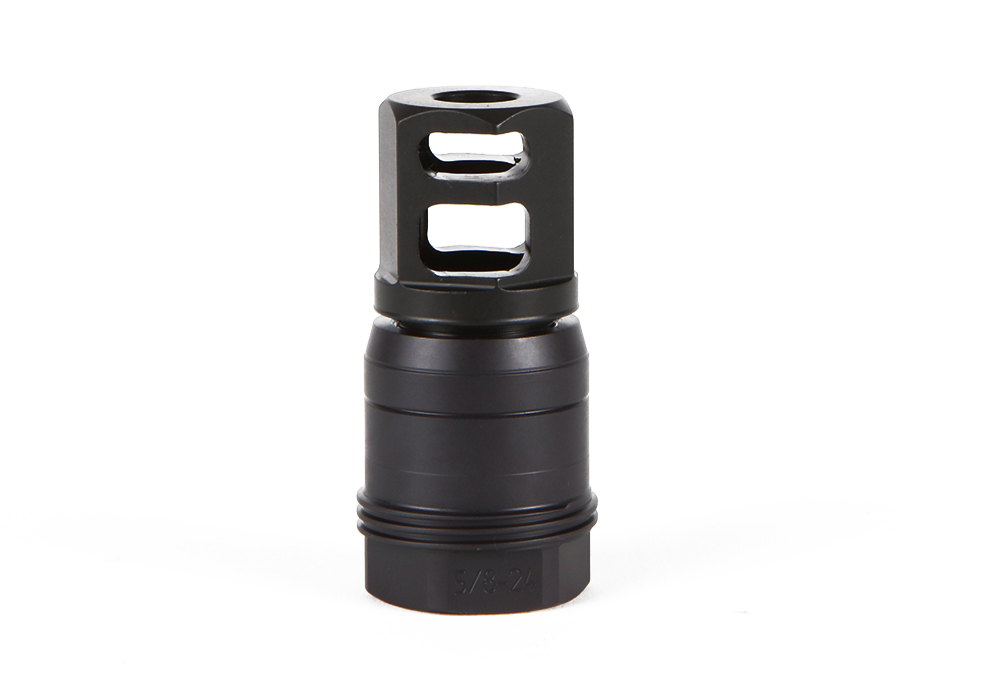
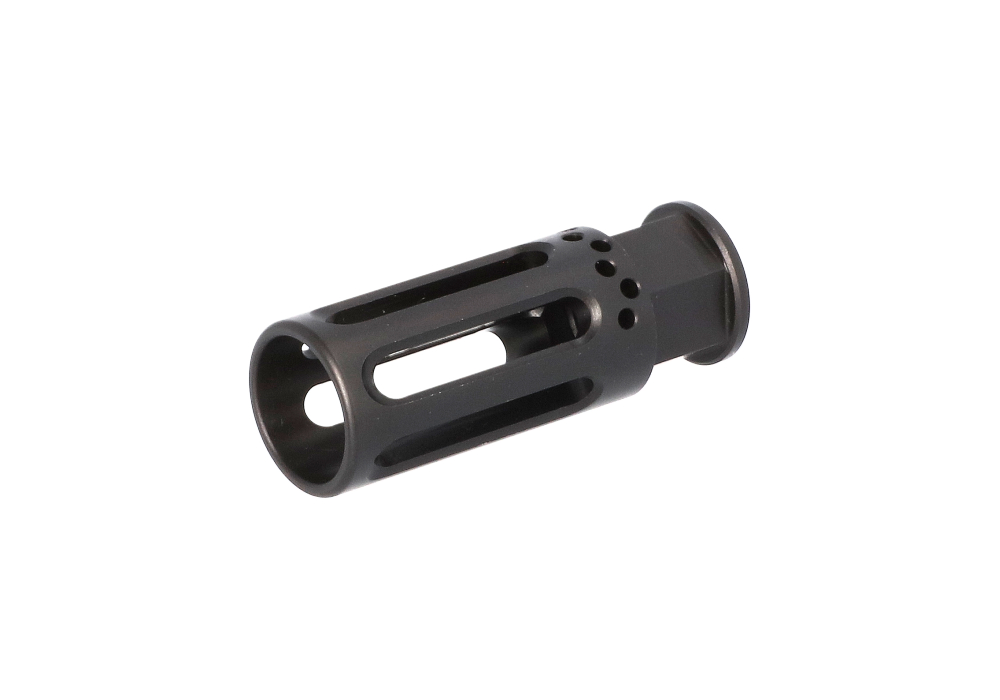
7.62 MM muzzle devices are designed to attach to the threaded muzzle of compatible rifles and help manage the gases produced when a cartridge is fired. Depending on the design, a muzzle device may reduce felt recoil, limit muzzle rise, soften the visible flash, or provide a mounting interface for a suppressor. Muzzle brakes use strategically positioned ports to redirect propellant gases and can make a noticeable difference during extended range sessions, positional shooting, or when firing a .308 Winchester or 7.62x51mm rifle from a supported position. Compensators generally direct gas upward or in other controlled directions to help keep the muzzle flatter during rapid, deliberate strings of fire. Flash hiders use open-ended prongs or other venting geometry to disperse burning gases and reduce the brightness of the flash, which can be useful for low-light training and field use. Some designs combine these functions with a quick-disconnect interface for a compatible suppressor, allowing the same muzzle device to serve as both a brake or flash hider and a mounting point. The right choice depends on the rifle, ammunition, shooting environment, and the result the owner values most. A precision-oriented shooter may prefer a device that helps control recoil and movement between shots, while a hunter or recreational rifle owner may place greater importance on a compact profile, reduced flash, or compatibility with a suppressor system. During the cooler months, when range bags often include heavier clothing and additional gear, a well-matched muzzle device can also contribute to a more comfortable and controlled shooting experience.
Compatibility should be confirmed before any 7.62 MM muzzle device is purchased or installed. The term 7.62mm can describe several different cartridges and platforms, and the bullet diameter alone does not identify the correct thread pattern or mounting configuration. Many modern .308 Winchester and 7.62x51mm rifles use a 5/8x24 thread pitch, while rifles chambered in 7.62x39mm may use different metric patterns, including 14x1mm left-hand threads, depending on the platform and barrel. Some .300 Blackout barrels also use 5/8x24, but the barrel manufacturer’s specifications should always take priority. Bore clearance is equally important: a device intended for .30-caliber projectiles must provide safe clearance for the projectile and should never be used on a larger caliber unless it is specifically engineered and bored for that application. Before ordering, check the rifle’s caliber, barrel thread pitch, shoulder dimensions, muzzle length, and any restrictions created by a front sight, handguard, or other accessory. Suppressor owners should also verify that the device is explicitly compatible with the suppressor’s mounting system; similar-looking interfaces are not necessarily interchangeable. A qualified gunsmith can confirm measurements, install the device correctly, and check alignment with appropriate tools. Proper installation may involve a crush washer, shims, a locking compound, or a manufacturer-specified timing method, and the correct approach varies by design. Alignment deserves particular attention when a suppressor will be attached, since an improperly installed or incompatible muzzle device can create a serious safety hazard. Anyone comparing this category with a smaller-bore rifle setup can also browse 5.56 Nato AR15 Muzzle Devices for devices intended for that different caliber family.
These products are useful for a wide range of rifle owners, from someone setting up a first .308-pattern rifle to an experienced shooter refining a familiar platform for hunting, training, competition, or recreational use. A muzzle brake can be a practical upgrade for a shooter who finds heavier-recoiling rifles tiring during a long session, especially when maintaining a stable sight picture matters. A flash hider may appeal to someone who practices in changing light and wants to reduce the intensity of the muzzle flash without adding unnecessary bulk. A compensator can be a sensible option for a rifle used in controlled, rapid fire where muzzle movement makes it harder to return the reticle to the target. A quick-disconnect device may suit an owner who moves between suppressed and unsuppressed configurations and wants a repeatable mounting solution. These accessories can also make thoughtful gifts for a responsible rifle owner, provided the giver confirms the exact caliber, thread pitch, and suppressor interface first; a gift card or an accessory selected from the recipient’s documented rifle specifications is often more useful than guessing. Fit, finish, overall length, weight, port direction, and maintenance requirements all deserve consideration. Ported brakes can be effective while producing more blast and lateral concussion, particularly for people beside the shooter, so range etiquette and hearing protection remain important. Thread protectors, timing hardware, and installation tools may also be worth considering when building a complete setup. As conditions shift from mild range days to colder outdoor sessions, keeping the muzzle threads clean, inspecting the device for carbon buildup or damage, and confirming that it remains secure are simple habits that support dependable performance. Selecting a 7.62 MM muzzle device is ultimately about matching the device’s function and mounting system to the rifle, ammunition, and intended use, with careful attention to manufacturer specifications and safe installation.