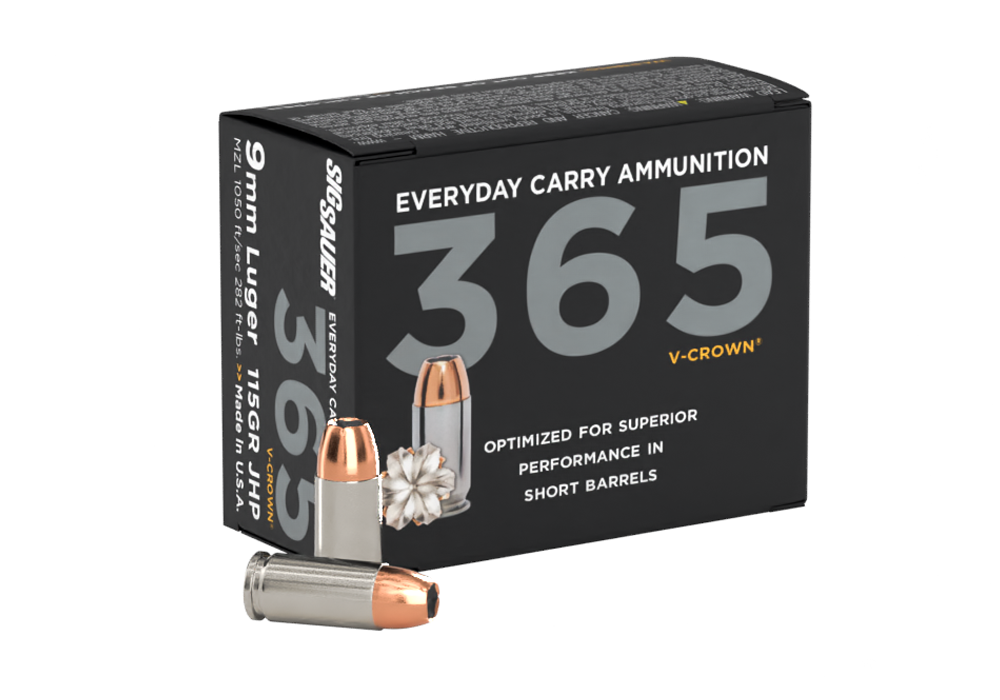
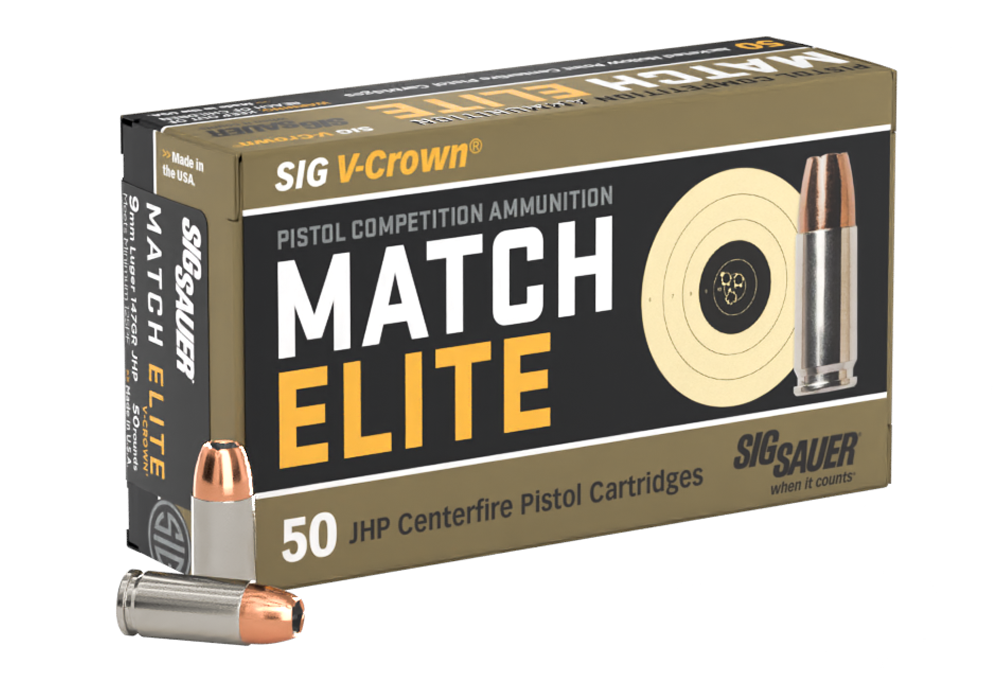
Choosing 9mm ammunition for a first firearm is an important part of becoming a confident, responsible gun owner. Ammunition is not one-size-fits-all, even when every box is labeled 9mm, and the best choice depends on how the cartridges will be used, what the firearm’s manual recommends, and which loads function reliably in that specific pistol. For most new owners, the simplest starting point is to separate ammunition into two categories: full metal jacket, commonly called FMJ, for regular range practice, and jacketed hollow point, or JHP, for personal-defense applications. FMJ ammunition typically uses a rounded or flat-point bullet enclosed by a metal jacket and is widely chosen for training because it is generally economical, readily available, and well suited to the repeated practice of loading, aiming, firing, and managing recoil. Common bullet weights include 115 grain and 124 grain, with 147 grain also available in some loads. The term grain refers to the weight of the projectile, not the complete cartridge. A lighter 115-grain load may produce a slightly different recoil impulse and point of impact than a 124-grain or 147-grain load, so new owners benefit from practicing with the same or a similar load they intend to use regularly. Before purchasing a large quantity, check the firearm’s owner’s manual, confirm that the ammunition is the correct 9mm specification, and begin with a manageable amount at a reputable range. Spending time with a new pistol in a calm, supervised setting can make a noticeable difference; the first few sessions are often less about speed and more about learning how the sights track, how the trigger feels, and how consistently the shooter can place shots on the target. Owners shopping for a new handgun may also find useful options among 9mm Pistols For Enthusiasts, while ammunition shoppers can use this collection to compare suitable loads for practice and personal-defense needs.
For personal defense, JHP ammunition is commonly selected because the hollow cavity in the bullet is engineered to encourage expansion when it encounters a suitable target. Expansion can create a broader wound channel and may help limit the risk of excessive penetration compared with some traditional bullet designs, although performance depends on many factors, including barrel length, clothing, intermediate barriers, distance, and the particular load. No ammunition can replace sound judgment, safe handling, awareness, or professional instruction. New gun owners should avoid assuming that a defensive load is automatically reliable simply because it is marketed for carry. After confirming the firearm is clean, properly assembled, and approved for the ammunition, fire a reasonable sample of the chosen JHP at the range to verify feeding, ignition, extraction, slide operation, and point of impact. This practical check is especially valuable with a new pistol, since some firearms digest a wide range of ammunition while others show a preference for certain bullet profiles or weights. Keep notes about the load used, the target results, and any stoppages, and have a qualified instructor or gunsmith evaluate persistent issues rather than attempting improvised modifications. FMJ remains the practical choice for most routine training, while JHP is generally reserved for the defensive role, but owners should follow local laws and any restrictions imposed by their range or storage location. Ammunition can also be a thoughtful gift for an experienced shooter or a new owner who has completed appropriate training, provided the recipient’s firearm uses that exact cartridge and applicable purchasing and transfer laws are observed. A gift card, range session, or secure storage accessory may be a better option when the recipient’s preferred bullet weight or ammunition type is not known.
Other details can make the buying experience easier, particularly for someone purchasing ammunition for the first time. Brass-cased cartridges are commonly accepted at indoor and outdoor ranges, while some facilities restrict steel-cased ammunition, so reviewing range rules before arriving can prevent an unnecessary trip home. Casings, bullet construction, primer condition, and packaging should be inspected before use; do not fire cartridges that are damaged, corroded, wet, improperly labeled, or otherwise questionable. Store ammunition in its original packaging or a suitable container, in a cool, dry place away from solvents, heat, open flame, and unauthorized access. During the cooler months, allow ammunition and equipment that have been exposed to significant temperature changes to return to a stable, dry environment before use, and avoid leaving boxes for extended periods in a vehicle where condensation and temperature swings can affect storage conditions. New owners often find that a modest supply of FMJ makes it easier to establish a consistent practice routine, while a smaller supply of tested JHP supports a carefully planned personal-defense setup. Buying by standard or extended capacity packaging may be convenient, but quantity should come after compatibility, reliability, safe storage, and the shooter’s realistic training schedule. Read the label closely, confirm the cartridge designation, compare bullet weight and construction, and choose ammunition that fits the firearm, the range rules, and the intended purpose. With those fundamentals in place, selecting 9mm ammo becomes a straightforward part of building safe, repeatable habits.