Choosing 9mm cartridges for action pistol competition involves more than selecting a familiar caliber. The right load should balance reliable cycling, manageable recoil, consistent accuracy, and the power-factor requirements of the discipline being shot. Competitors in USPSA, IDPA, Steel Challenge, and similar action pistol sports often compare bullet weight, velocity, projectile construction, and reliability before settling on ammunition for practice or match use. A 124-grain load can offer a useful middle ground, combining a relatively flat trajectory with a recoil impulse that feels crisp without becoming difficult to control. Heavier 147-grain bullets, along with loads at or above that weight, generally produce a softer, more deliberate push that many shooters find easier to manage during rapid strings of fire. That difference can be especially noticeable when moving between targets, shooting from unconventional positions, or trying to keep the front sight or optic’s dot tracking smoothly through recoil. Lighter 115-grain ammunition may cycle reliably in many pistols, but it can produce a sharper snap and may not be the preferred choice when a particular competition division requires a minimum power factor. Always confirm the current rules for the event and division, and check how power factor is calculated before purchasing ammunition for a match.
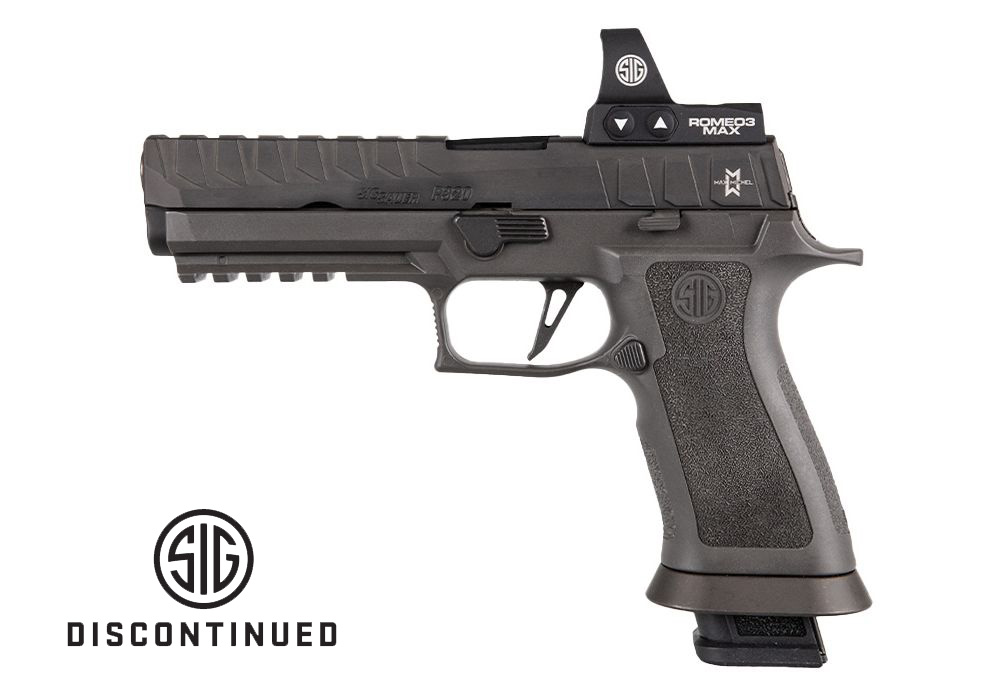
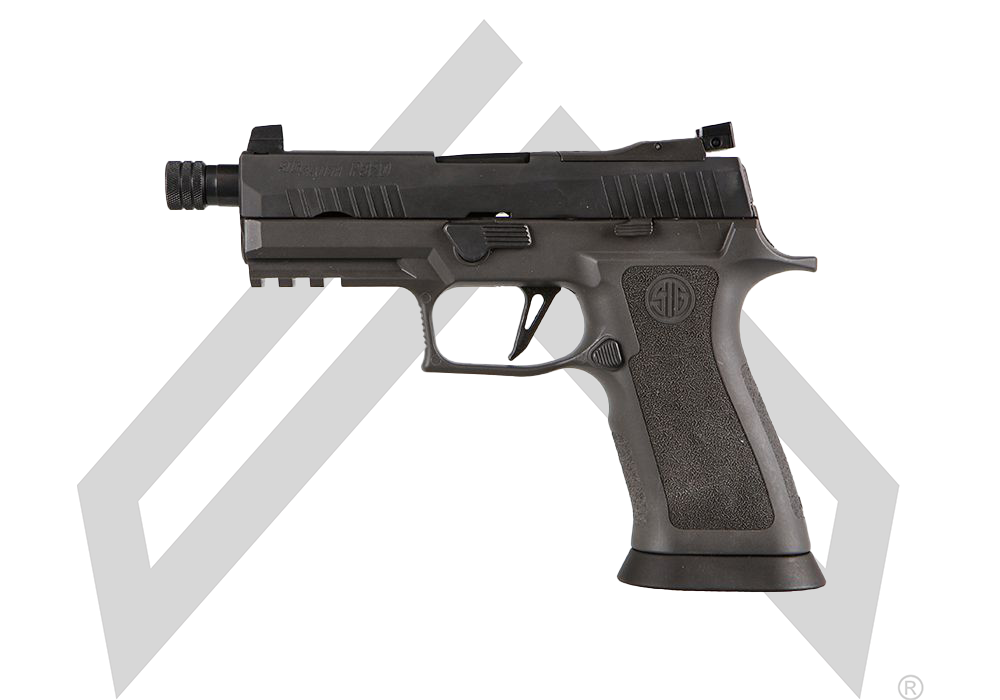
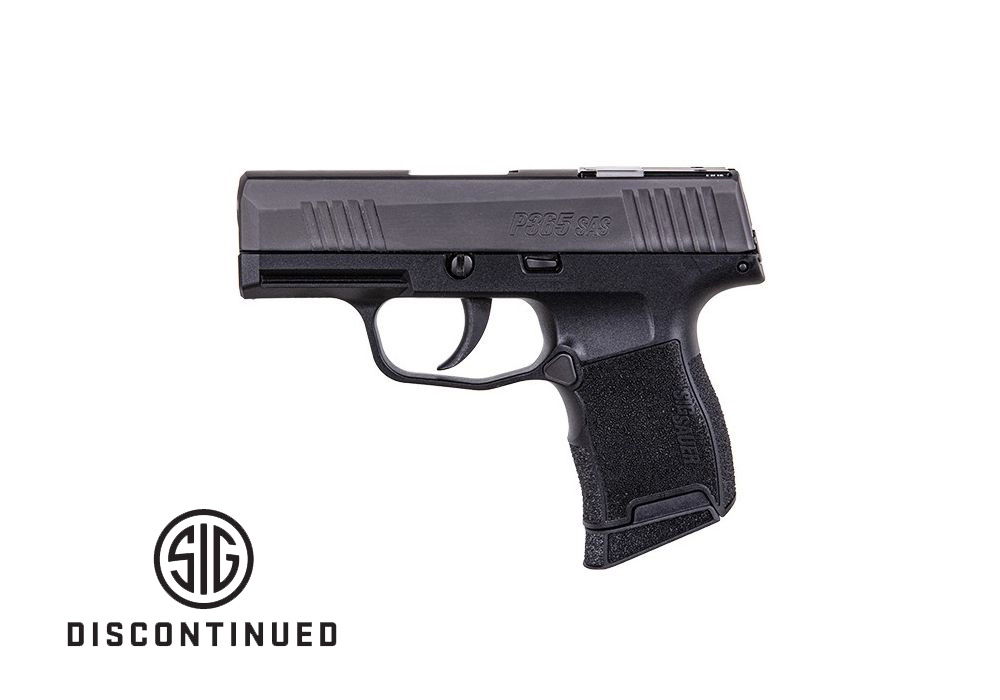
For action pistol training, consistency is often more valuable than chasing the fastest advertised velocity. A dependable cartridge with uniform ignition, stable bullet construction, and predictable point of impact lets a shooter concentrate on grip pressure, trigger control, transitions, and movement rather than wondering how the next round will feel. Total metal jacket (TMJ), polymer-coated, and other reduced-exposure projectile designs are commonly considered for high-volume range sessions because they can help limit exposed lead and may reduce the amount of residue deposited in certain firearms compared with traditional exposed-base bullets. Flat-point and round-nose profiles each have their place, but reliable feeding should remain the deciding factor for a specific pistol. Before committing to a large purchase, test a representative quantity through the exact firearm, magazines, and optic used for training or competition. A load that runs smoothly in one pistol may behave differently in another because of variations in recoil springs, feed-ramp geometry, extractor tension, barrel length, or ammunition tolerances. Shooters building a dedicated setup may also browse 9mm Target Practice Pistols to find a platform suited to structured practice, sight tracking, and repeatable drills. During the cooler months, a dependable supply of familiar ammunition makes it easier to maintain indoor range sessions, dry-fire practice, and occasional outdoor matches without changing the feel of the setup from one session to the next.
When comparing 9mm cartridges for action pistol, consider the complete shooting plan rather than bullet weight alone. Confirm that the ammunition is appropriate for the firearm, meets the manufacturer’s recommendations, and is legal to purchase and possess in the applicable jurisdiction. Storage matters as well: keep cartridges in their original packaging or a clearly labeled container, protected from excessive heat, moisture, and impact, and secured away from unauthorized users. Ammunition can be a practical gift for an experienced shooter, match partner, or range regular, particularly when the recipient already has a preferred bullet weight and knows which loads function best in their pistol. For a newer shooter, a gift card or a conversation about their firearm and competition division may be more useful than choosing a load by appearance alone. Many competitors keep separate ammunition for drills and sanctioned matches, using affordable, reliable practice loads to work on cadence and transitions while reserving a carefully tested load for score-driven events. Whether the goal is preparing for a weekend match, refining a draw and first shot during an evening range visit, or maintaining confidence through the cooler season, selecting consistent 9mm ammunition helps make every practice session more productive. The best choice is the cartridge that feeds, fires, and cycles dependably in the intended pistol while delivering a recoil profile the shooter can control shot after shot.