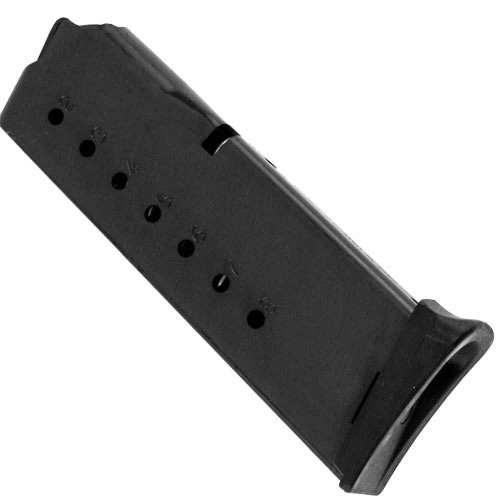
Choosing the right 9mm magazine for a legacy pistol starts with confirming the exact firearm configuration rather than relying on caliber alone. Although many magazines are chambered for 9mm, differences in frame dimensions, magazine catch location, feed-lip geometry, baseplate shape, and internal length can affect fit and function. A magazine intended for one family of pistols may not lock into another, even when both firearms use the same cartridge. Older and newer frame generations can also vary in ways that are easy to overlook, especially when a design has been updated over the years. Before ordering, compare the markings on the pistol and existing magazine with the manufacturer’s compatibility information, and inspect the shape of the magazine body, witness holes, floorplate, and locking notch. For legacy pistols that have been stored for a long time, replacing worn or uncertain magazines with properly matched options can be a practical way to refresh a trusted setup. It is also wise to verify that the magazine seats fully, drops free when released, and engages the slide stop as intended. These simple checks help distinguish a correct replacement from one that merely appears similar. When the pistol is a compact or slim-frame design, shoppers may also want to review 9mm Subcompact Magazines for options designed around smaller magazine wells and shorter grips.
Capacity is another important consideration, and the best choice often depends on how the pistol is carried, stored, or used at the range. Flush-fit magazines generally preserve the original profile of a legacy handgun, making them comfortable for concealed carry and less likely to catch on clothing during a clean draw. They can also be a good match for shooters who appreciate the balanced feel and classic proportions of an older pistol. Extended-capacity magazines add more ammunition while providing additional gripping surface, which some users find helpful when loading the magazine, controlling recoil, or accommodating larger hands. A standard-capacity option may be ideal for everyday practice, home storage where lawful, or maintaining the traditional handling characteristics of the firearm, while an extended-capacity option can be useful for range sessions that involve repeated drills and fewer interruptions for reloads. Compact legacy pistols may use shorter magazines with modest capacity, and some single-stack designs require very specific magazine dimensions. Restricted jurisdictions may require 10-round variants or other compliant configurations, so local laws should be checked before purchase, possession, transport, or use. Capacity limits can apply differently to residents, visitors, competition participants, and certain storage situations. When in doubt, consult current state and local regulations as well as the pistol’s manual. A magazine should never be modified to change its capacity or fit, and loading should always be performed with the firearm pointed in a safe direction and confirmed unloaded according to the manufacturer’s safety instructions.
A well-chosen magazine can be a useful addition for owners of inherited, discontinued, or long-serving pistols. Someone who keeps a legacy handgun as a range companion may appreciate having several properly fitted magazines for practice, cleaning rotation, and organized storage. A new magazine can also make a thoughtful gift for an experienced firearm owner, particularly when the giver confirms the exact pistol model, frame generation, caliber, and legally permitted capacity beforehand. For a family member who inherited an older handgun, replacement magazines may help restore confidence in the setup, but compatibility should be treated as essential rather than assumed from a photograph or a similar-looking part. Before live fire, examine each magazine for dents, cracks, damaged feed lips, weak springs, or a loose floorplate. Load it gradually, check that cartridges sit correctly beneath the feed lips, and test it at an established range using appropriate eye and ear protection. Marking magazines with a small identifier can make it easier to track performance and separate older examples from newer ones during testing. During the cooler months, changes in clothing layers may also influence how a flush-fit or extended magazine feels when carried, while temperature and storage conditions can affect springs, ammunition, and other equipment over time. Store magazines unloaded or as recommended by the manufacturer, away from moisture and unnecessary heat, and periodically inspect them before use. With careful attention to generation, fit, capacity, condition, and local requirements, shoppers can select 9mm magazines that complement the handling characteristics of a legacy pistol and support safe, dependable ownership.