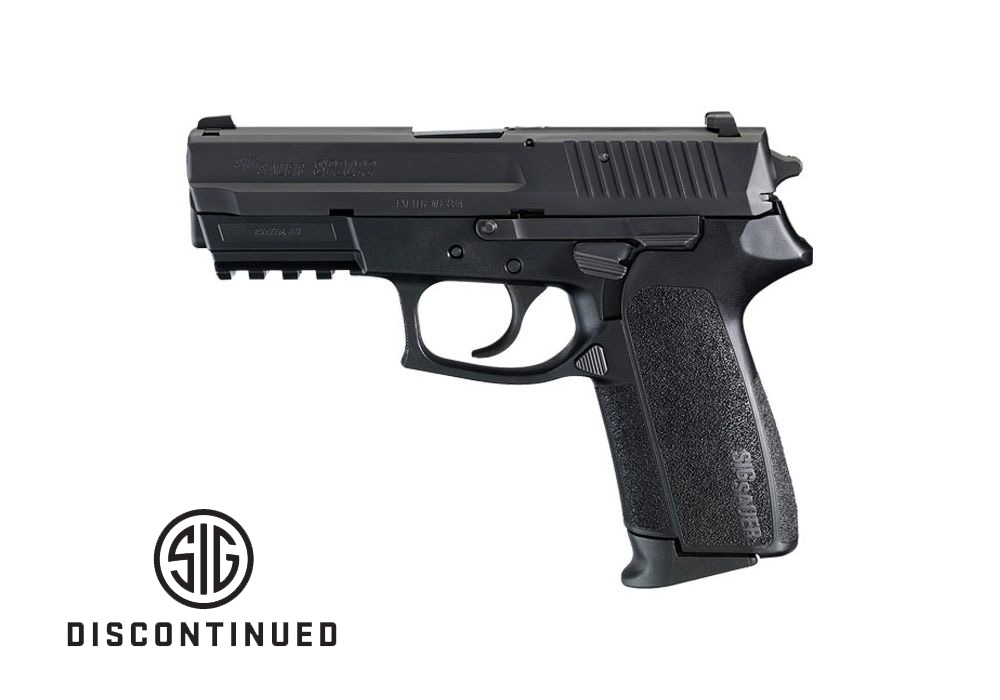
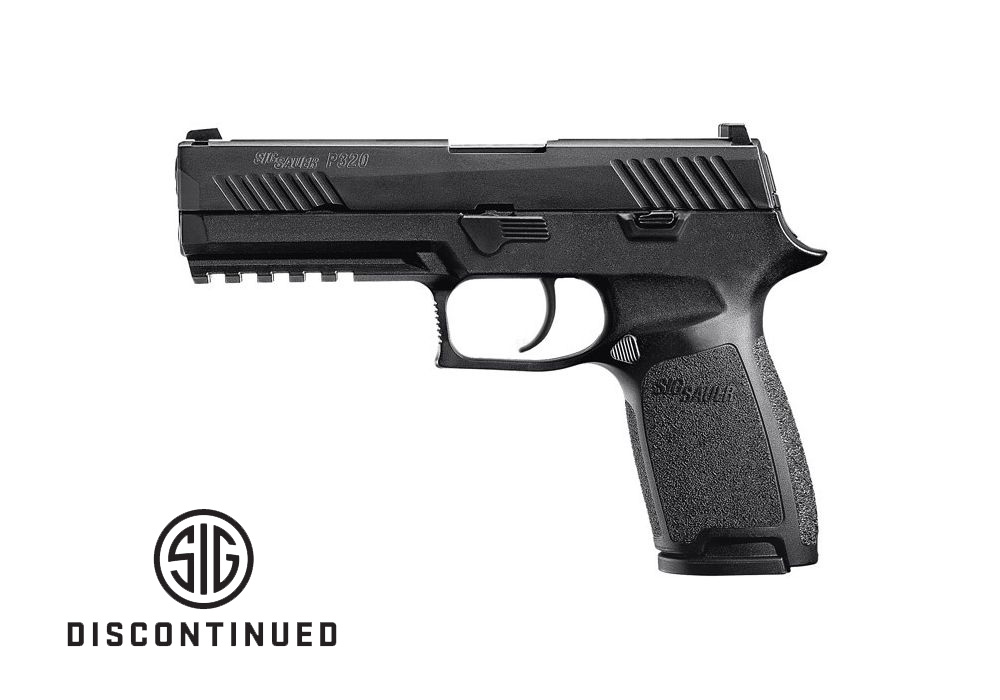
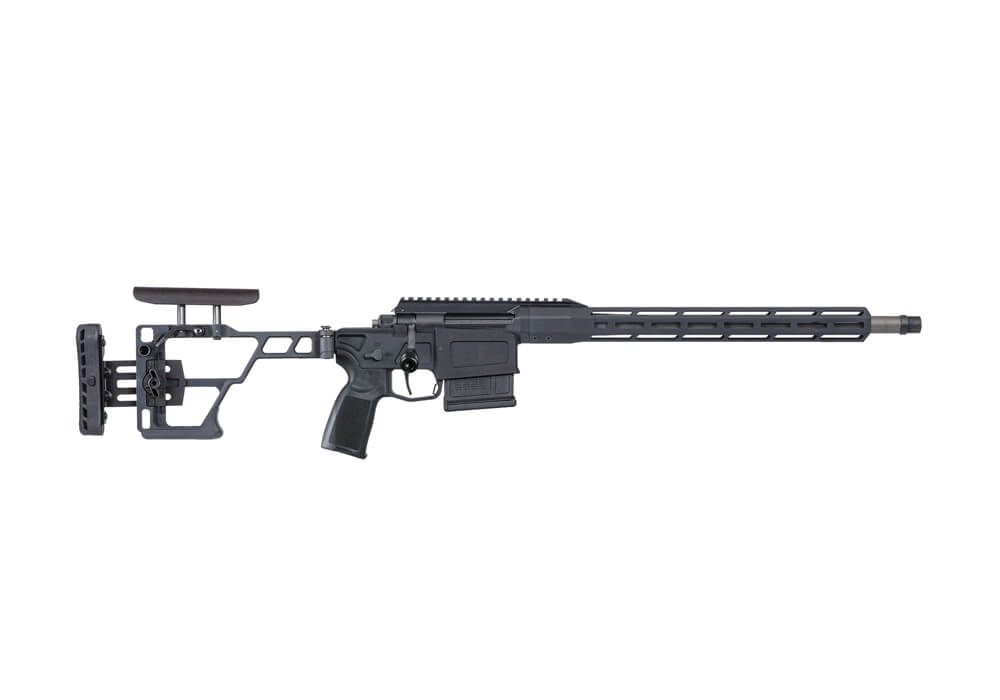
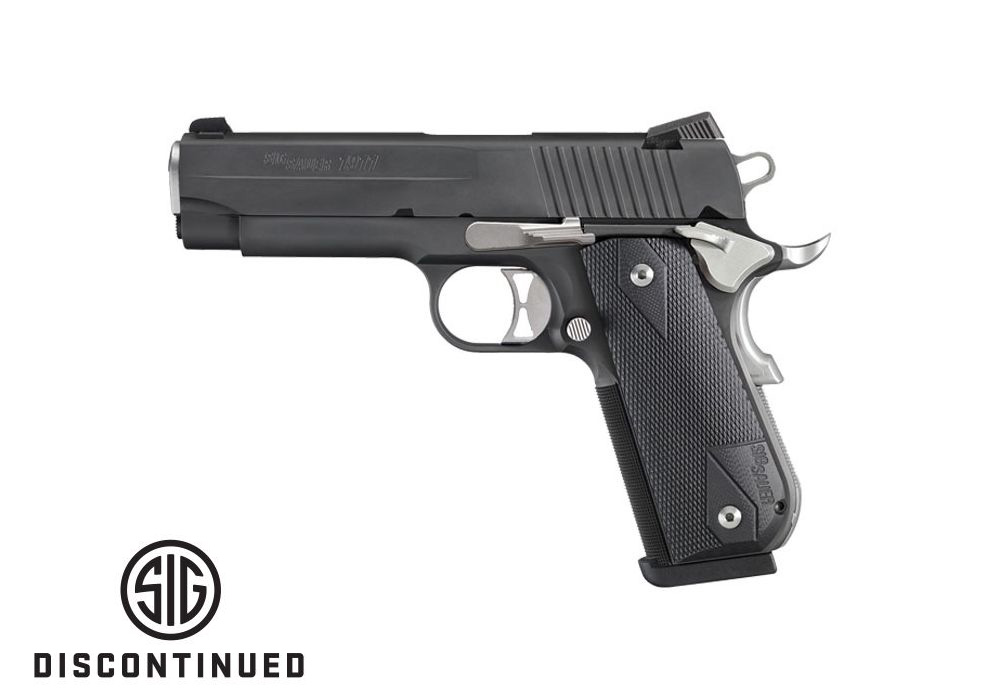
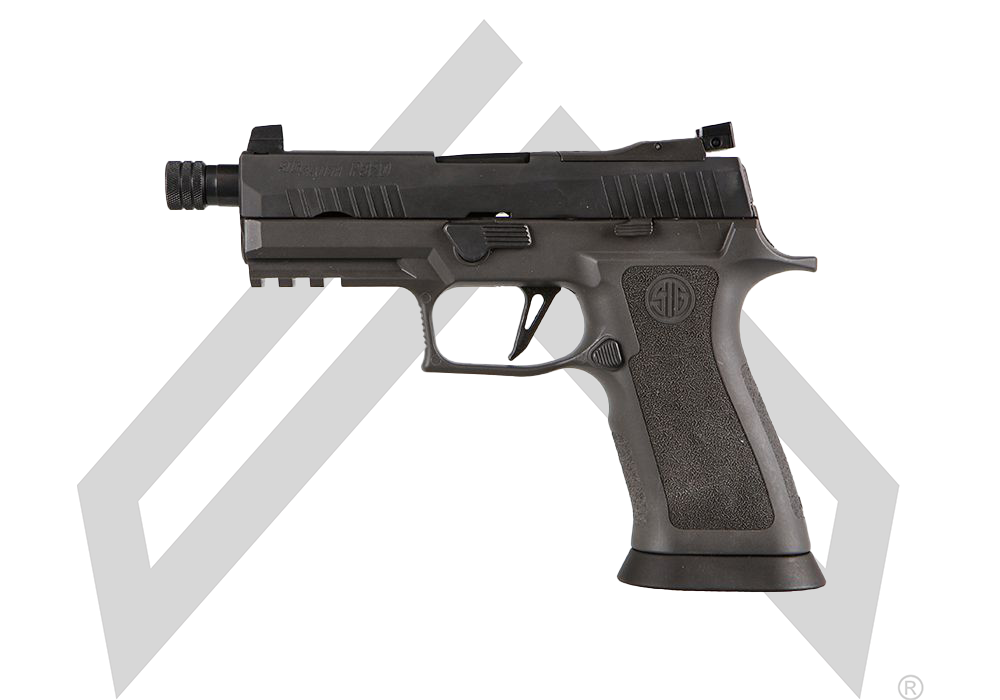
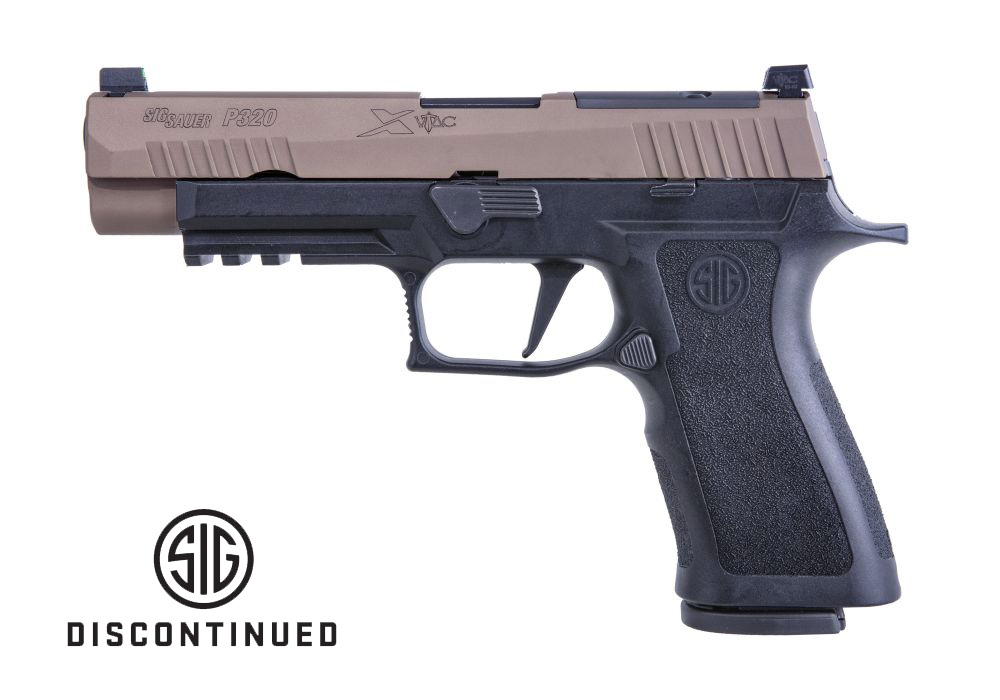
Adaptable tactical firearms are designed for flexibility, allowing a platform to fit changing equipment, environments, and user preferences without requiring a completely different firearm for every application. This category may include rifles, shotguns, and other modern platforms with features such as adjustable stocks, interchangeable grips, modular forends, accessory mounting interfaces, ambidextrous controls, and compatibility with commonly used optics or lights. An adjustable stock can help refine length of pull for different body sizes, clothing layers, or protective equipment, while a modular forend may provide practical mounting space for a light, sling attachment, or other accessories selected for a particular setup. When comparing firearms, consider how naturally the controls fall to hand, whether the stock or grip can be adjusted without compromising a secure cheek weld, and how the firearm balances when carried for an extended period. Weight matters as well: a configuration that feels manageable in a shop may feel considerably different after a long day outdoors or during repeated practice sessions. Pay close attention to caliber or gauge, barrel length, sighting system compatibility, magazine or shell capacity, and the availability of replacement components. Standard or extended capacity options may suit different preferences and legal requirements, but capacity should always be considered alongside weight, handling, storage, and the intended use. A well-adapted firearm is not simply covered in accessories; it is configured so that each component serves a clear purpose and the controls remain familiar under stress. For some users, that means a compact, quick-handling setup with a simple optic and dependable light. For others, it may mean a longer configuration with a traditional sighting arrangement, a comfortable stock, and room for a sling or bipod. The most useful platform is the one that fits the individual, supports consistent practice, and can be responsibly stored, transported, and maintained.
These firearms may appeal to experienced shooters, property owners, outdoor enthusiasts, security professionals, and hunters who value a platform that can be adjusted as their needs change. They can also be a thoughtful gift for an eligible adult who has expressed a clear interest in shooting sports or hunting, provided the transfer complies with all applicable laws and the recipient has access to appropriate training and secure storage. A firearm should never be selected as a surprise gift without understanding the recipient’s preferences, experience, and legal eligibility. For anyone shopping for adaptable tactical firearms, begin with the primary purpose rather than the accessory list. A firearm intended for range practice may benefit from an ergonomic stock, a comfortable grip, and an optic that makes sight alignment intuitive. A platform selected for outdoor use may call for weather-resistant finishes, a practical sling, and controls that remain accessible while wearing gloves during cooler months. Hunters should also evaluate local regulations, permitted configurations, chambering, and the balance between maneuverability and effective range before making a purchase. Seasonal conditions can influence those decisions; changing light, damp ground, heavier clothing, and longer periods spent carrying equipment all make comfort and reliability more important. Readers preparing for autumn pursuits can also explore Tactical Firearms for Fall Hunting for additional options aligned with outdoor use. Regardless of the season, safe handling remains the foundation of responsible ownership: treat every firearm as loaded, keep the muzzle pointed in a safe direction, keep the finger outside the trigger guard until ready to fire, identify the target and what lies beyond it, and follow the owner’s manual. New owners should seek qualified instruction, practice with the exact configuration they plan to use, and confirm that every accessory is properly installed and compatible. Secure storage, appropriate transportation, routine inspection, and careful maintenance help preserve dependable performance over time. By choosing a firearm with purposeful adjustability instead of unnecessary complexity, users can build a setup that feels natural in the hands, adapts to changing conditions, and remains useful from the range to responsible outdoor recreation.