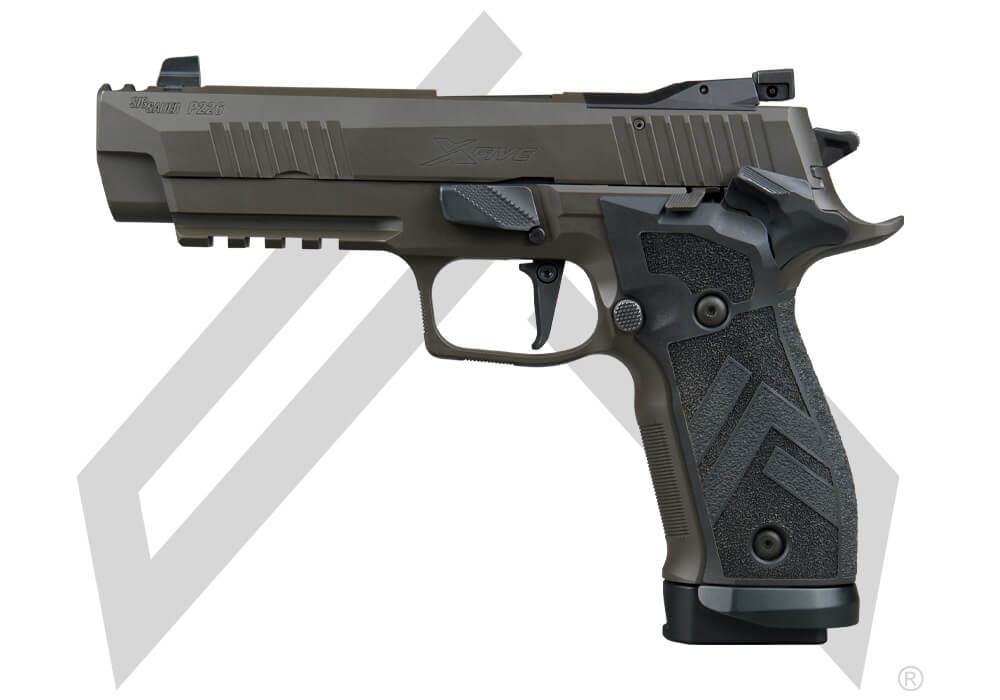
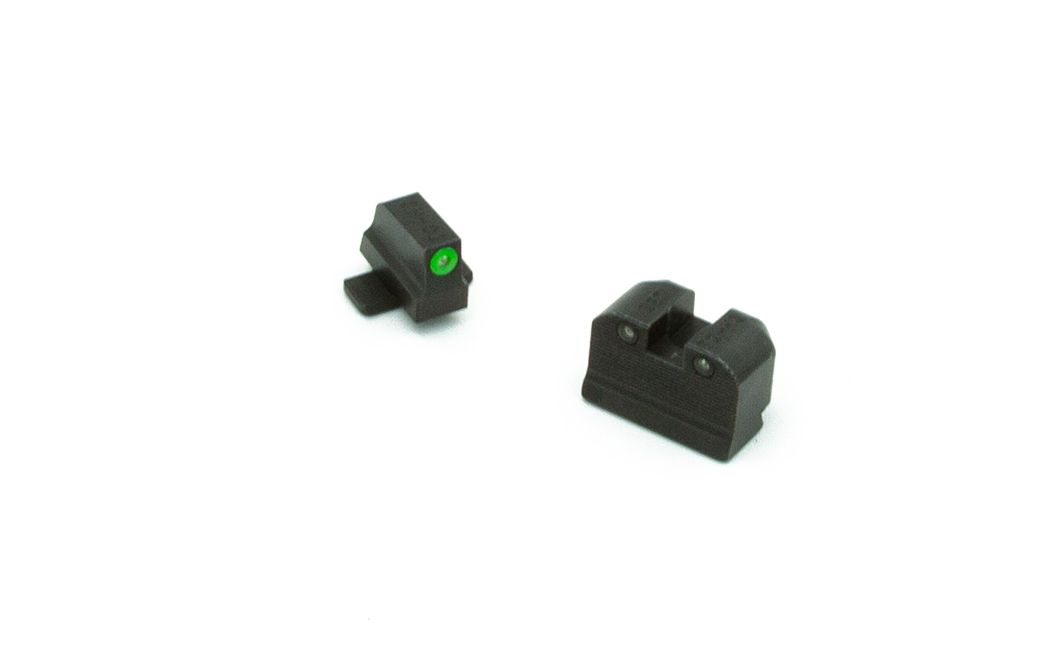
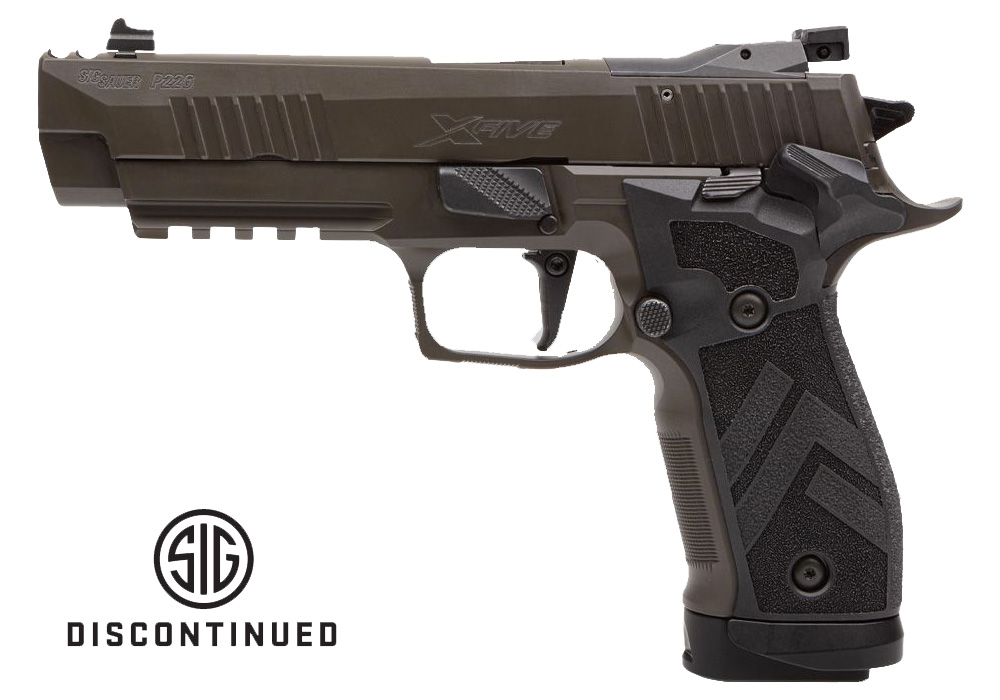
Adjustable rear sights are a practical choice for firearm owners planning a New Year upgrade, particularly those who want more control over point of impact than a fixed sight can provide. These sights are designed to let the shooter make fine windage and elevation changes, moving the point of impact left or right and up or down without relying solely on changes to grip, sight picture, or holdover. That flexibility can be useful when moving between target distances, ammunition loads, or shooting positions. A load that prints neatly at one distance may place rounds slightly higher, lower, or to one side at another, and an adjustable rear sight provides a straightforward way to refine the setup for a preferred combination of firearm, ammunition, and target. During the cooler months, when range sessions may be shorter and more deliberate, small sight adjustments can make valuable practice time more productive. Shooters who spend time with paper targets, steel plates, or structured drills may appreciate the ability to record a dependable zero and return to it after making measured changes. Adjustable rear sights are also considered by competition shooters and recreational marksmen who want a sight picture tailored to their vision and shooting style. Blade height, notch shape, notch width, and visible reference dots can all influence how quickly the eye centers the front sight and how clearly the sights stand out against a dark, bright, or varied background. A crisp square notch may suit a shooter who prefers a defined target presentation, while a wider notch or contrasting marker arrangement may feel more natural for faster sight alignment. These details are personal, which makes an adjustable rear sight a thoughtful upgrade for someone who already knows how their firearm fits their hand and how they prefer to shoot. For gifting, it can be a useful option for an experienced firearm owner who enjoys carefully tuning equipment, although compatibility should always be confirmed before purchase.
Choosing the right adjustable rear sight begins with the firearm’s make, model, slide or receiver cut, and intended use. Not every sight uses the same mounting footprint, and some firearms accept a replacement that fits an existing cut while others require machining or a specific adapter. Certain target-style designs are intended for platforms already configured for adjustable sights, while others are made as direct replacements for compatible factory units. Reviewing the manufacturer’s specifications for cut dimensions, mounting hardware, sight height, and front-sight compatibility helps prevent an uneven sight picture or an installation that cannot be completed as expected. Sight height matters because the rear and front sights work together; changing one without accounting for the other can make it difficult to establish a proper zero. Installation may require a sight pusher, specialized hand tools, thread-locking compound approved for the application, or professional gunsmithing. A sight that appears close to fitting should not be forced into place, and any work involving slide or receiver modification is best handled by a qualified professional. Once installed, adjustments should be made in small, documented increments at a safe range, with the firearm unloaded except when on the firing line and pointed in a safe direction. Follow the firearm’s owner’s manual, local laws, and all range rules. After zeroing, confirm that adjustment screws are secure and inspect the sight periodically for movement, damaged threads, or loosened hardware, especially when the firearm is used with heavier recoil or transported frequently. Adjustable mechanisms contain moving parts and may require more attention than a fixed rear sight. Keeping the sight clean and checking that the blade remains firmly seated can help preserve a consistent sight picture over time.
Use also influences the most suitable design. A competition or range-focused setup may benefit from a more prominent target-style blade, clearly defined adjustment clicks, and a sight profile that makes deliberate elevation and windage changes easy to track. A firearm carried in a holster may call for a lower-profile configuration with smooth edges that are less likely to catch on clothing or interfere with the draw. Raised blades, sharp corners, or wider housings can affect holster fit, so the sight should be evaluated with the exact holster and carry method being used. Shooters who alternate between ammunition types should establish a zero with the load they use most often and verify point of impact whenever the load, bullet weight, or velocity changes. Adjustable sights can compensate for those differences, but they do not replace confirmation on target. The same principle applies when switching from indoor lighting to bright outdoor conditions or from a close-range practice target to a more distant one. Many owners keep a small record of their preferred settings, ammunition, distance, and environmental conditions so they can make repeatable adjustments instead of relying on memory. For anyone comparing options for a New Year upgrade, the best choice balances adjustment range, durability, sight picture, installation requirements, and compatibility rather than focusing on appearance alone. Those exploring a coordinated finish or replacement sight for a dark-colored firearm can also review Adjustable Rear Sights For Black Pistols. With the correct fit and careful zeroing, an adjustable rear sight can make a familiar firearm feel more precisely matched to its owner, whether it is used for calm winter range practice, organized competition, or ongoing skills maintenance.