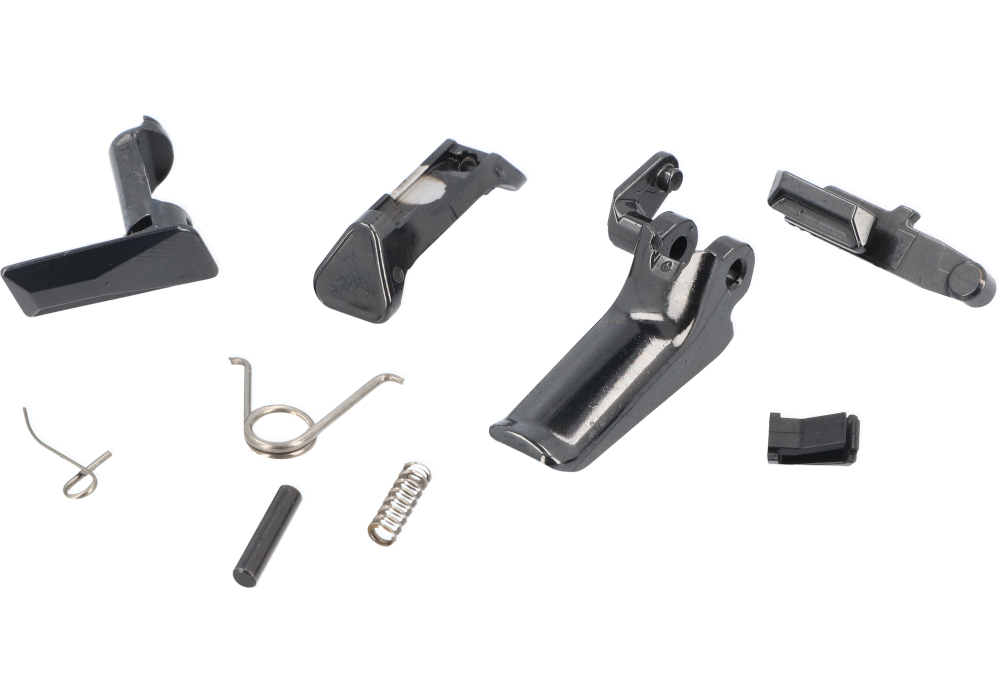
Aftermarket trigger bar springs are small components with an important role in a handgun’s trigger system. They influence the relationship between trigger movement, trigger bar engagement, reset, and the return of connected safety components. For many owners, replacing a worn or damaged spring is part of routine maintenance; for others, an aftermarket trigger bar spring may be selected to achieve a particular feel during practice, competition, or defensive readiness. Common options include reduced-power springs intended to produce a lighter trigger pull and increased-power or “plus” springs designed to create a more positive reset and stronger return. The right choice depends on the handgun’s exact make, model, generation, caliber, and internal configuration, since a spring that fits one platform may not be suitable for another. Even springs that look nearly identical can differ in wire diameter, length, tension, attachment points, and operating characteristics. Before placing an order, compare the listed specifications with the owner’s manual and verify that the component is designed for the intended firearm. It is also useful to consider the handgun’s role. A range-focused setup may prioritize a smooth, lighter press, while a carry-oriented setup generally calls for dependable engagement, a distinct reset, and consistent operation under varying grip pressure, temperature, and shooting conditions. A lighter trigger is not automatically a better trigger, and a stronger spring is not automatically the most reliable choice in every configuration. The goal is a balanced system that supports safe handling and predictable performance.
Choosing an aftermarket trigger bar spring starts with identifying the desired result and understanding the tradeoffs. Reduced-power options can lessen resistance during the trigger press, which some experienced shooters prefer for carefully controlled range work or competition stages where a clean, repeatable press matters. However, reducing spring tension can alter the way the trigger bar returns or interacts with other parts, especially when combined with additional modifications. Increased-power options can give the trigger a more energetic reset and may be selected by users who value a distinct tactile and audible return. Neither style should be installed solely because of a product description or an online recommendation made for a different handgun. The complete trigger system matters, including the trigger bar, connector or related engagement surfaces, striker or hammer components, sear parts, safety mechanisms, and recoil system. If a spring is sold as part of a tuning kit, confirm that all included components are intended to work together rather than mixing pieces based on appearance alone. After installation, the unloaded firearm should be inspected and function-tested according to the manufacturer’s instructions, including checks for proper trigger reset, safety operation, consistent engagement, and any abnormal movement. A qualified gunsmith is the right resource when fitment is uncertain, when the firearm has already been modified, or when the trigger system does not behave exactly as expected. Many owners keep a small maintenance log noting the spring type, installation date, round count, and observed trigger feel. That simple habit can be useful during the cooler months when range sessions become more deliberate and equipment receives closer inspection, or as the weather warms and frequent practice places more cycles on internal components.
These parts are generally selected for function rather than appearance, which makes them a practical purchase for an experienced handgun owner who knows the exact platform and intended use. They can also be a thoughtful gift for a knowledgeable shooter, armorer, or gunsmith, provided the recipient’s firearm details and preferences are confirmed first. A gift card or a conversation about the intended handgun is often more useful than guessing at compatibility; a spring for a compact concealed-carry pistol may not fit a full-size model, and a component designed around a particular generation may not suit an earlier or later version. Keep standard or extended capacity magazines, ammunition selection, holster fit, and other equipment separate from the spring decision, since a trigger bar spring does not replace the need for a complete maintenance and training plan. Owners who are reviewing the broader operating system may also want to compare related components such as Aftermarket 9mm Recoil Spring Assemblies, while confirming that every part matches the firearm and caliber. Store replacement springs clean and dry, avoid bending or stretching them during handling, and retain the original component until the new setup has been fully evaluated. Any change to a trigger system deserves careful attention: unload the firearm before inspection, follow all manufacturer safety instructions, wear appropriate eye protection during spring removal, and seek professional service when installation or testing falls outside your experience. With accurate fitment information and a clear understanding of the intended trigger characteristics, aftermarket trigger bar springs can be a focused way to refresh a worn component or fine-tune a handgun for a specific, carefully considered purpose.