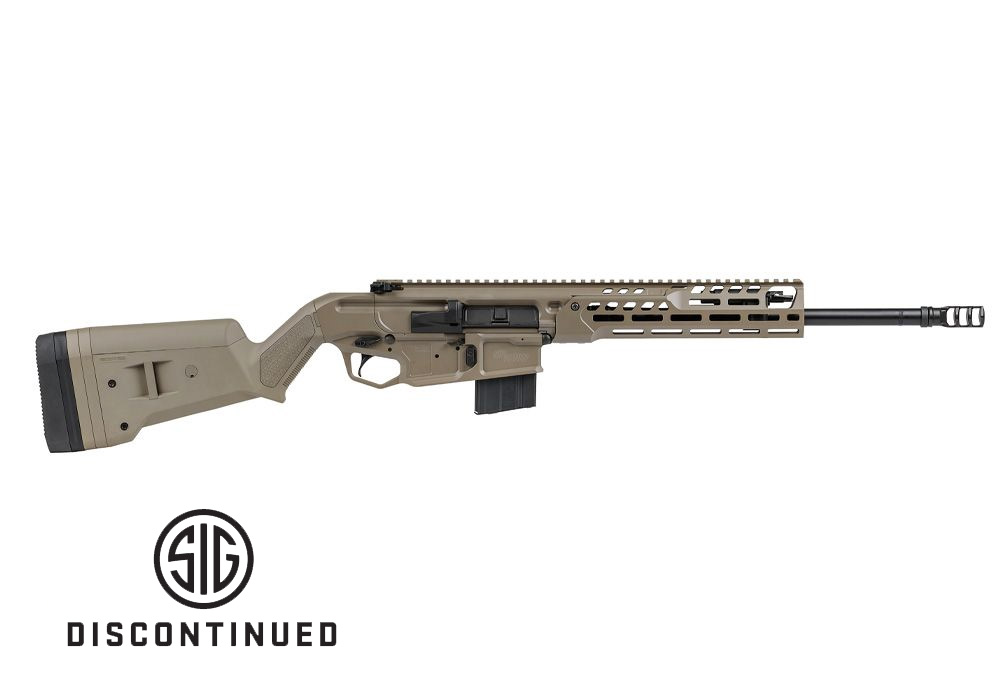
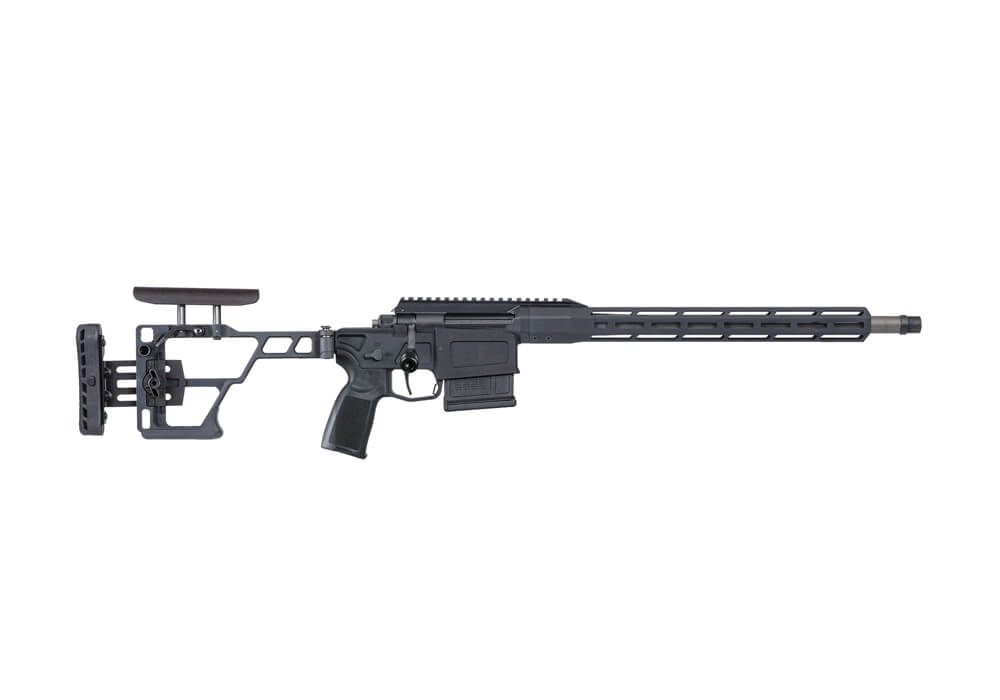
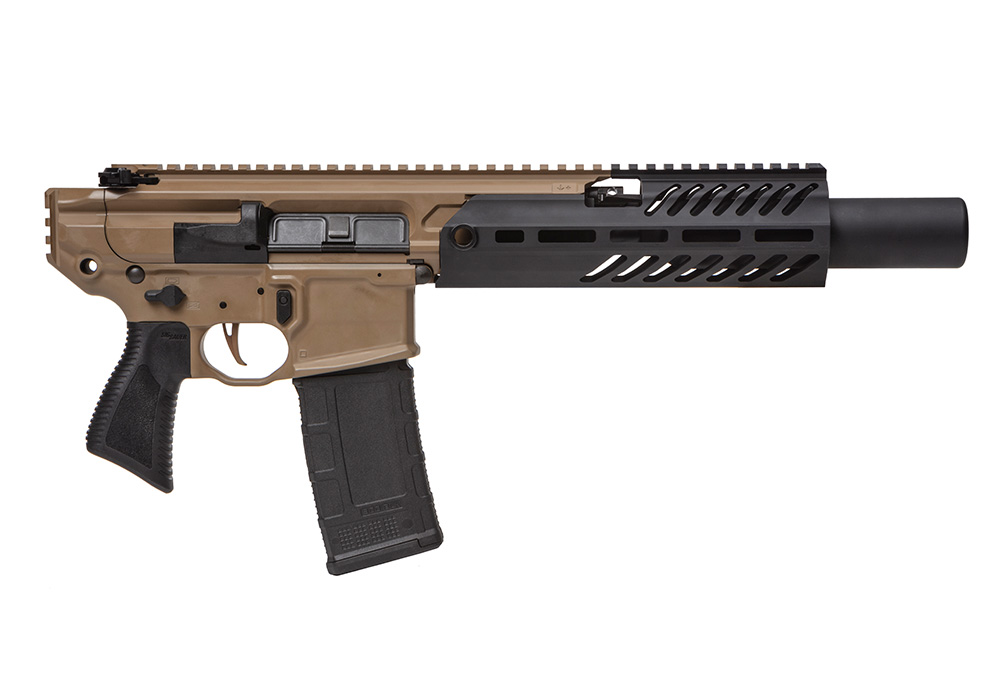
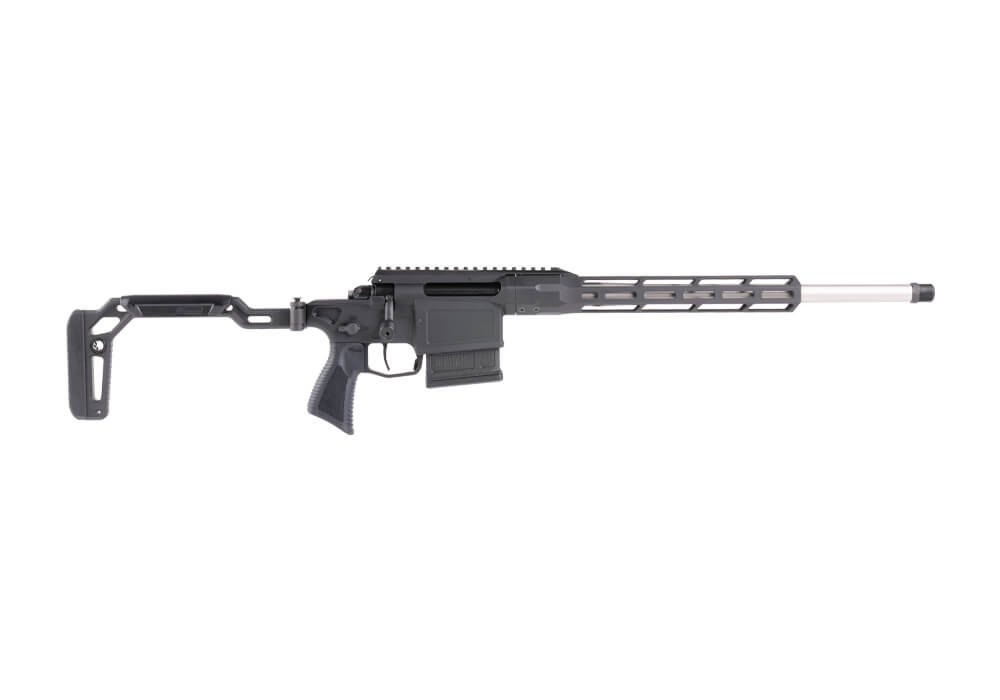
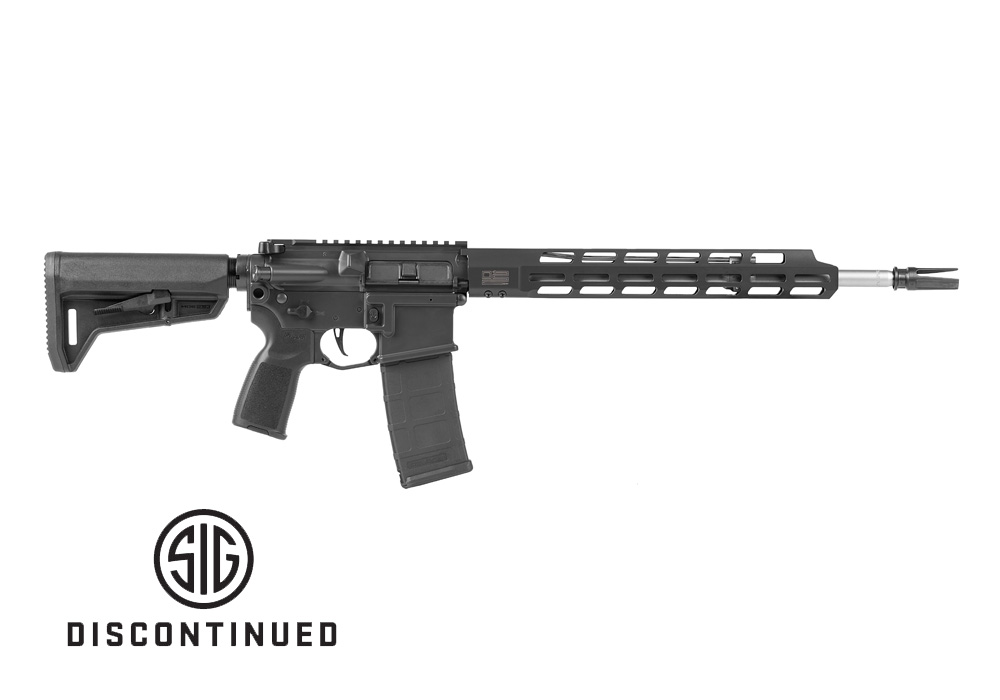
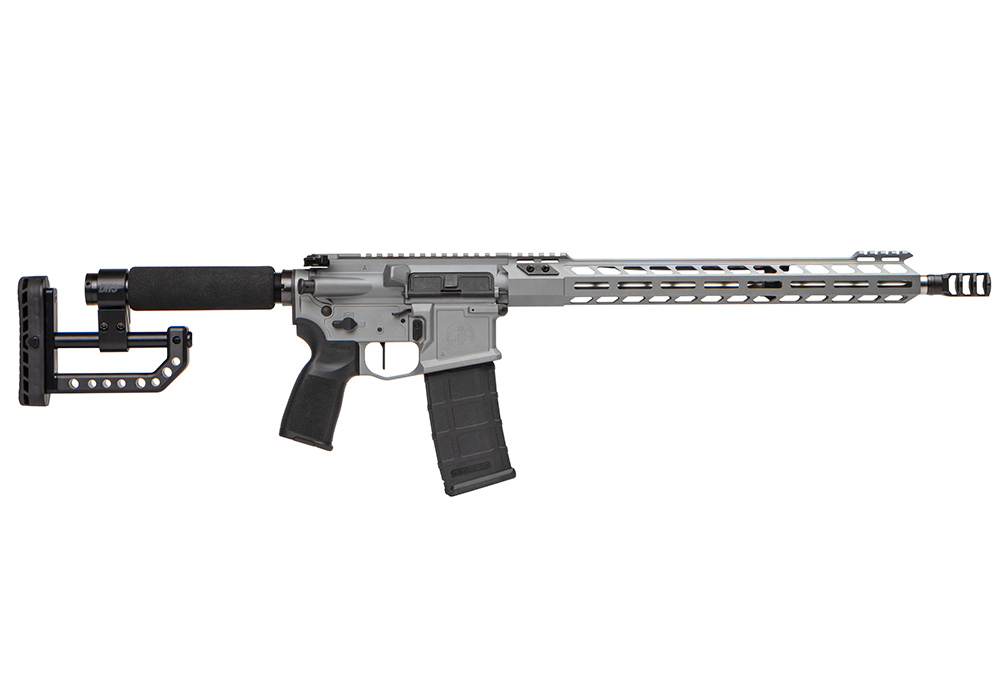
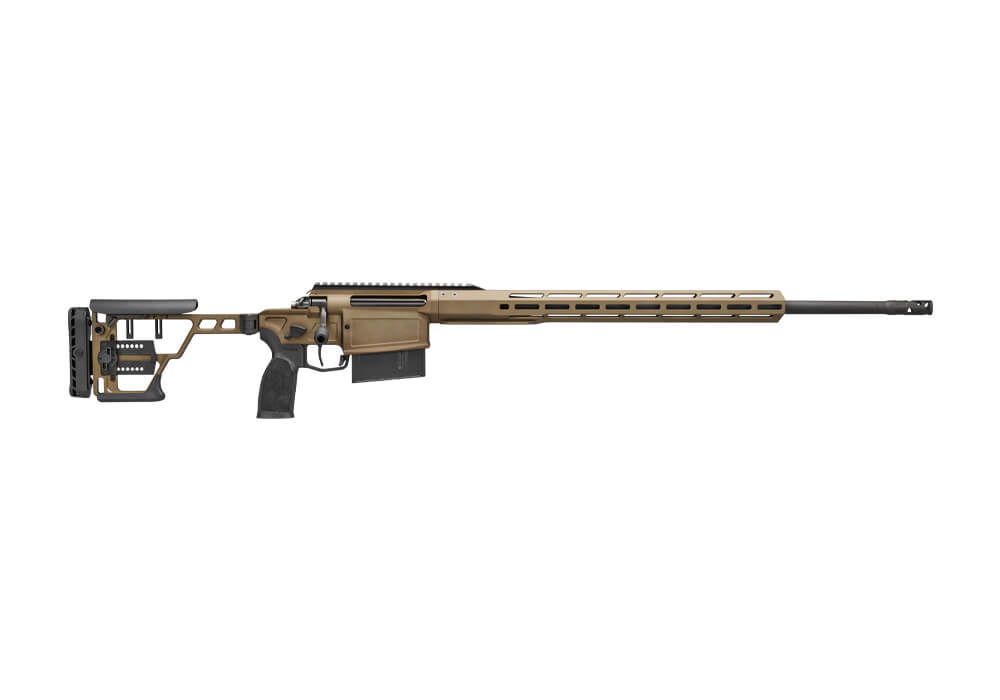
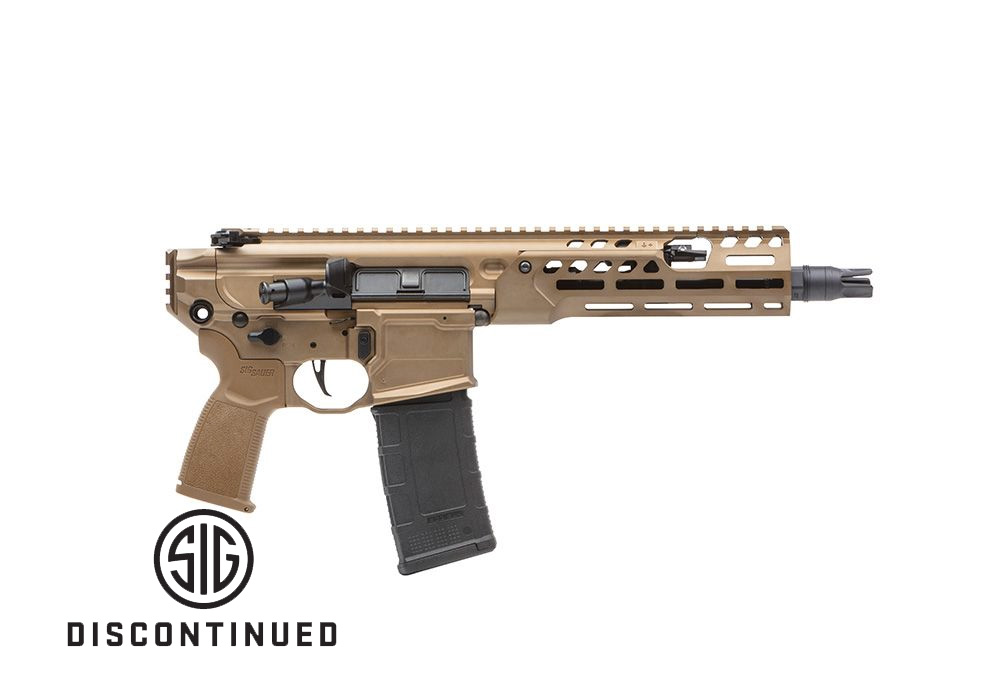
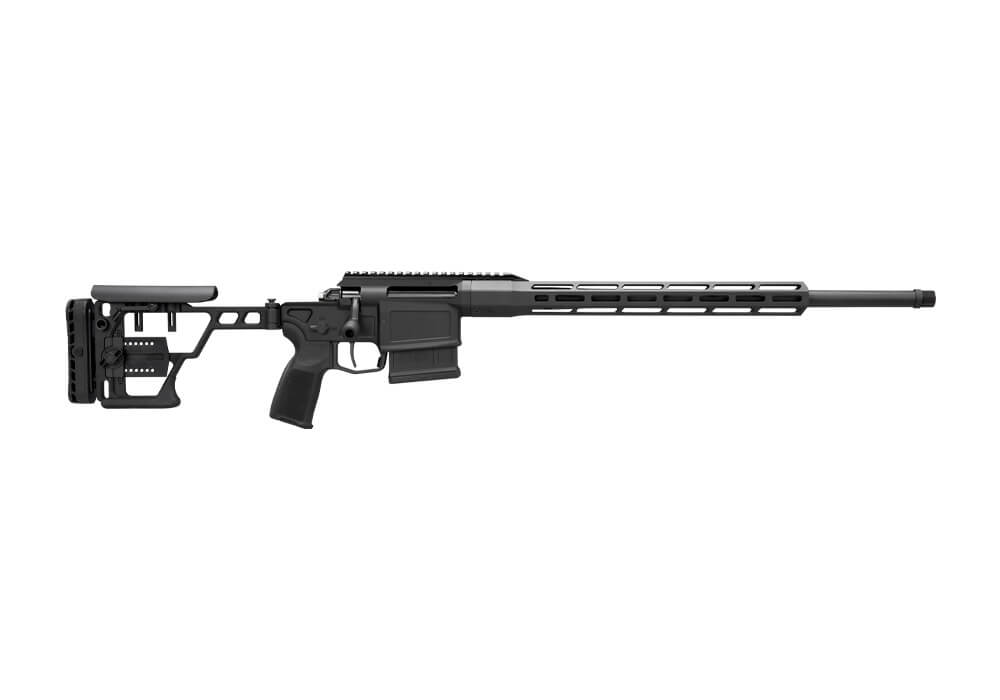
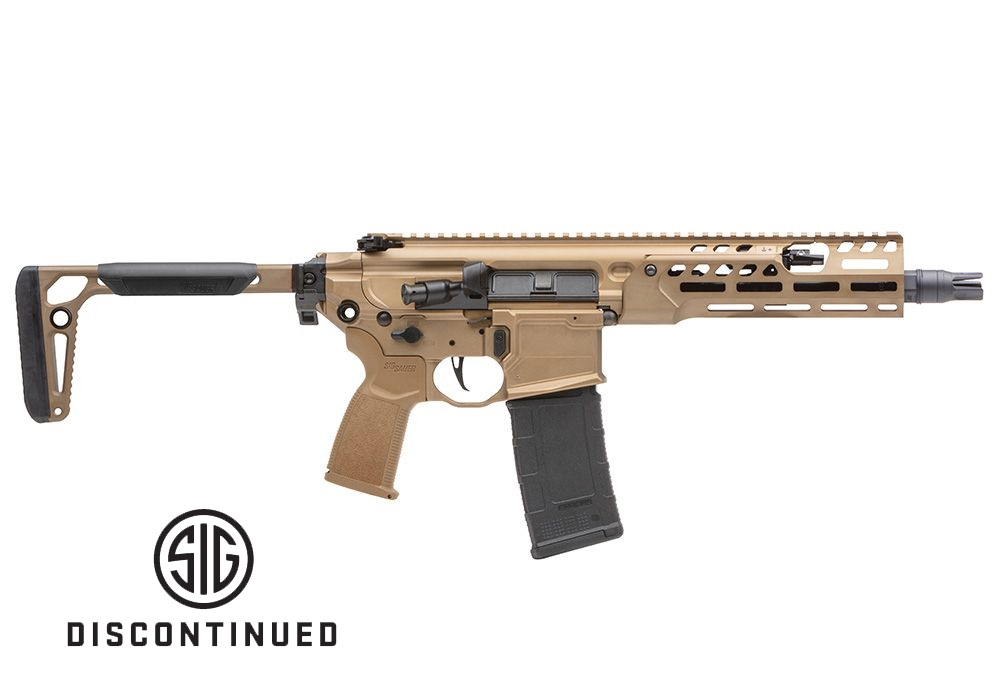
All-terrain hunting rifles are built for hunters who move through changing landscapes and expect their equipment to perform from one type of country to the next. A morning route may begin on a damp trail beneath dense timber, continue across open grassland, and finish on a steep ridge where every ounce carried matters. Rifles suited to this style of hunting typically combine weather-resistant construction, practical handling, and dependable accuracy in a package that can withstand hard use. Stainless steel or corrosion-resistant finishes help protect the action and barrel from rain, condensation, and seasonal temperature changes, while synthetic, reinforced polymer, or carbon-fiber stocks offer durability without the swelling and maintenance concerns associated with traditional wood. A rifle’s weight deserves equal attention. An ultralight configuration is valuable during long climbs and spot-and-stalk pursuits, but a slightly heavier platform may settle more naturally for supported shots, reduce felt recoil, and provide a steadier sight picture in open terrain. Balance matters as much as the number on the scale; a rifle that carries comfortably at the shoulder and comes to the shooting position smoothly can make a meaningful difference when the pack is full and the wind is moving across a hillside. Bolt-action rifles remain a popular choice for hunters who value a simple manual operating system, a crisp trigger, and consistent lockup, while semi-automatic designs may appeal to those who want faster follow-up shots and efficient operation in areas where a moving target or multiple game animals require quick handling. Whichever action type fits your needs, look for controls that are easy to operate with cold or gloved hands, a stock shape that supports a repeatable cheek weld, and a magazine system that feeds reliably. Standard or extended capacity options may be available depending on the platform and local regulations, so confirm applicable laws before choosing a configuration or heading into the field.
Chambering is another central consideration when comparing all-terrain hunting rifles. The right cartridge depends on the game pursued, the distances typical of the hunting area, local regulations, ammunition availability, and the shooter’s ability to manage recoil comfortably. Versatile options such as .308 Winchester, 6.5 Creedmoor, .270 Winchester, and .30-06 Springfield are commonly considered for a broad range of hunting applications, with each offering a different balance of bullet weight, trajectory, recoil, and ammunition selection. Smaller, lighter cartridges may be appropriate for varmints or predators, while larger hunting cartridges can provide the performance needed for bigger game when paired with suitable bullets and responsible shot placement. A rifle should be matched to the animal and environment rather than selected solely for maximum power. Consider the barrel length as well: a shorter barrel can be easier to maneuver through thick brush and carry in a vehicle or scabbard, while a longer barrel may offer benefits in velocity and sight radius, depending on the cartridge and intended use. Threaded barrels can provide compatibility with approved muzzle devices or suppressors where permitted, but any accessory should be selected with attention to balance, noise reduction requirements, and applicable federal, state, and local laws. Optics and mounting hardware also deserve careful planning. A low-to-moderate magnification scope can be practical in timber and rolling country, while a variable-power optic gives the hunter more flexibility when a clear view opens across a canyon or meadow. Check that the rifle’s rail or mounting system works with the intended rings, bases, red dot, or scope, and confirm that the complete setup maintains a comfortable cheek weld. Hunters who prefer a more configurable platform may also appreciate adjustable stocks, folding components, ambidextrous controls, or adaptable handguards. These features can simplify transport and help accommodate different body types, layers of clothing, and shooting positions without sacrificing a secure, repeatable fit. For shoppers comparing this category with other versatile configurations, Hunting Rifles With Tactical Features may provide another useful direction to explore.
The best all-terrain hunting rifle is one that fits the hunter, the terrain, and the planned method of pursuit. Someone spending long days climbing above timberline may place a premium on low weight, compact transport, and a stock that remains comfortable against a pack strap. A hunter working through thick cover may prefer a shorter, quick-handling rifle with a durable finish and an optic that provides a generous field of view. For a family member, friend, or experienced outdoorsperson receiving a rifle as a gift, practical details such as chambering, action type, dominant-hand configuration, stock dimensions, and optic compatibility are especially important; a gift card or a carefully discussed rifle may be more suitable than guessing at a highly personal setup. Before purchase, consider the intended species, typical shot distance, terrain, weather, transportation needs, cleaning routine, and ammunition budget. It is also wise to handle the rifle if possible, checking whether the grip feels natural, the safety operates intuitively, the bolt or charging handle moves smoothly, and the rifle shoulders without strain. After purchase, plan time for a qualified inspection, proper optic installation, sight-in, and practice from realistic field positions such as kneeling, sitting, shooting sticks, or a pack-supported rest. Weather-resistant materials reduce maintenance demands but do not eliminate them; wipe away moisture, inspect the bore and action, and follow the manufacturer’s care instructions after exposure to rain, mud, dust, or snow. Secure storage, transport, and handling remain essential in every season, and hunters should verify licensing, hunter education, permitted game, cartridge restrictions, magazine rules, and any regulations governing suppressors or other accessories before use. During the warmer part of the season and into the cooler months, a dependable rifle should feel like a natural part of the hunt: steady on a ridge, manageable on a long trail, ready in changing weather, and matched thoughtfully to the responsibility of making a safe, ethical shot.