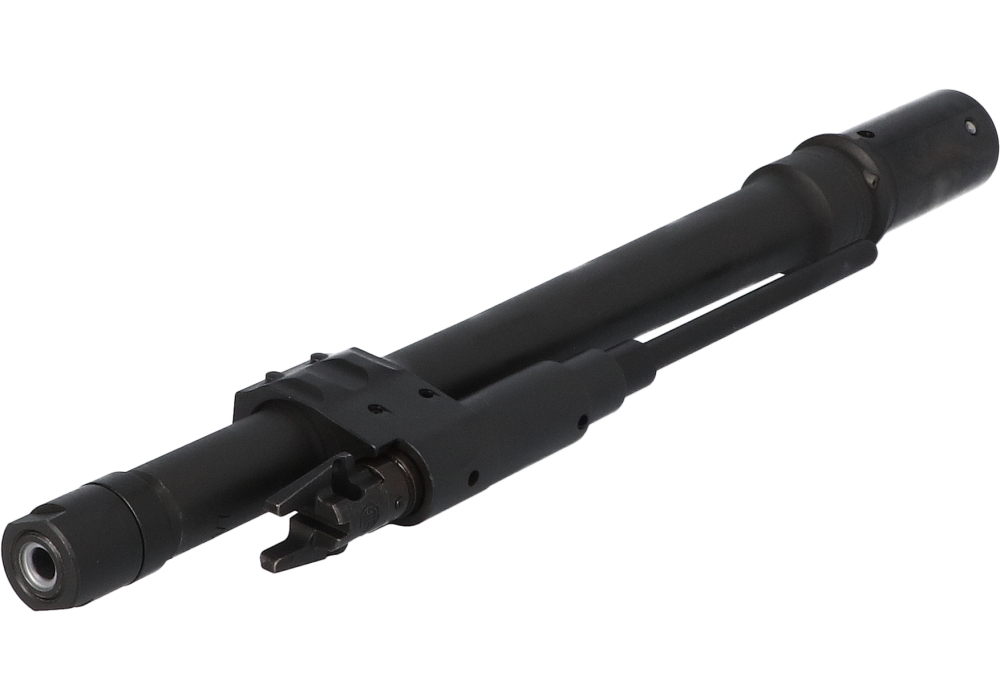
AR 5.56 assemblies are modular firearm components designed around the familiar AR-pattern platform and are commonly organized into two primary halves: the upper receiver assembly and the lower receiver assembly. The upper receiver generally houses the barrel, bolt carrier group, charging handle, gas system, handguard, and muzzle device. The lower receiver contains the fire-control components, safety selector, magazine release, bolt catch, takedown pins, pistol grip, and buffer tube assembly, with a stock or brace attached at the rear where permitted by applicable law. These two halves connect through front and rear takedown pins, allowing a compatible upper and lower to function as one complete rifle without permanent fitting. When comparing AR 5.56 assemblies, pay close attention to chambering, barrel length, gas-system configuration, handguard design, and the intended role of the setup. Most 5.56 platforms are chambered for 5.56x45mm NATO, while some use .223 Wylde, a chamber specification intended to accommodate both 5.56 NATO and .223 Remington ammunition within the manufacturer’s stated guidelines. Compatibility should always be confirmed before purchase, especially when combining components from different sources. A barrel’s twist rate can influence bullet stabilization, while its profile affects overall weight and handling. A lighter assembly may feel quick and comfortable during extended practice, while a more substantial profile can provide steadiness and heat resistance during repeated use. Barrel threading and the included muzzle device also matter when considering future accessories. A free-floating handguard can provide a stable mounting surface for an optic, light, sling hardware, or other compatible equipment without placing pressure directly on the barrel. Buyers should also verify rail standards, gas-block clearance, buffer-system specifications, and stock or brace compatibility rather than assuming every AR-pattern component is interchangeable.
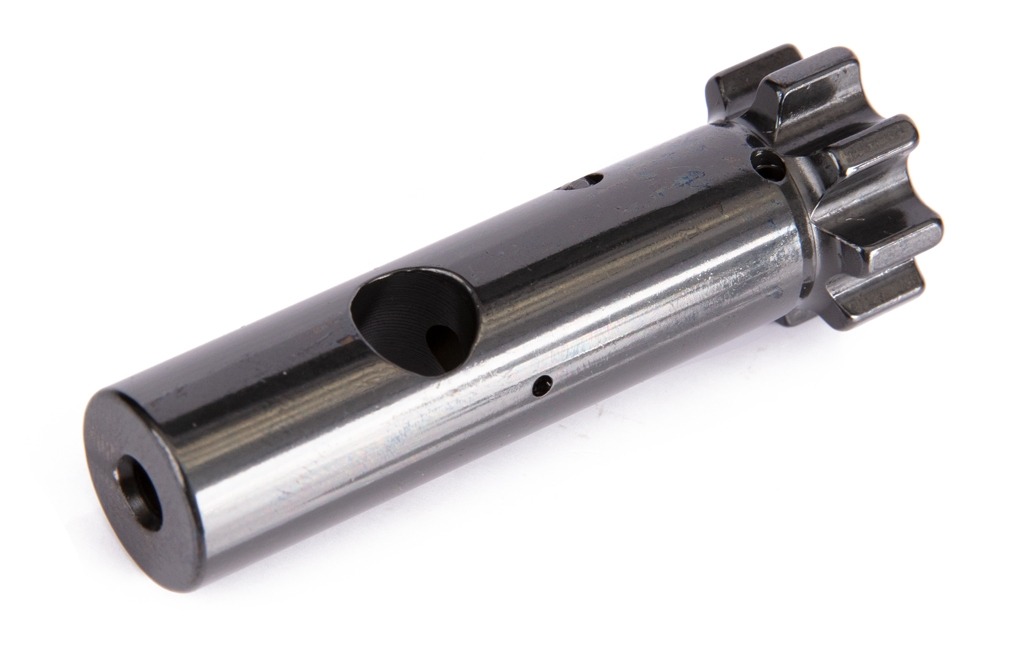
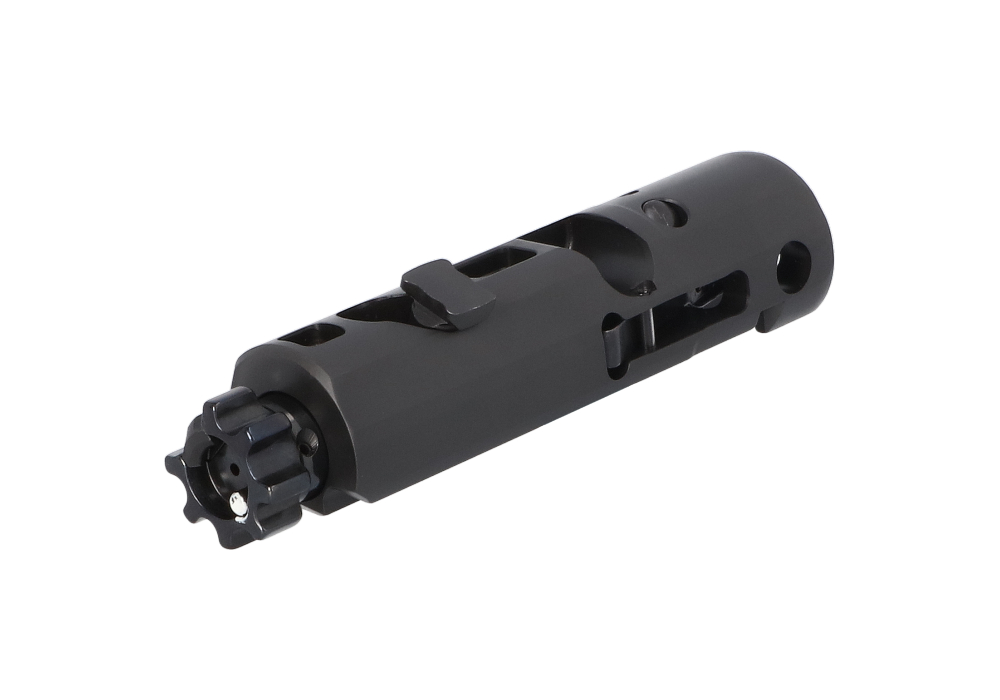
The lower receiver is the serialized portion in many complete firearm configurations, so purchase requirements, transfer procedures, and age restrictions may apply depending on the buyer’s location and the type of assembly selected. A complete upper assembly may be sold separately from a lower and can be a practical option for an experienced owner who wants to configure a compatible platform, replace a worn component, or maintain a second setup for a different purpose. Complete rifle configurations may be more suitable for someone who prefers a ready-to-use package with matched components. In either case, the trigger group, safety selector, buffer, recoil spring, and stock or brace should be evaluated as part of the overall fit and function of the firearm. The bolt carrier group and charging handle are especially important upper-receiver components: the charging handle provides manual control for clearing or loading the action, while the bolt carrier group supports chambering, extraction, and cycling. Gas-operated AR 5.56 assemblies may use a direct-impingement-style gas system with a gas block and gas tube, or another compatible operating arrangement specified by the manufacturer. Differences in gas-system length and component dimensions can affect reliability and must be matched correctly. Assembly and installation should follow the manufacturer’s instructions, and any uncertainty about fit, headspace, operation, or compliance is best addressed by a qualified gunsmith. New owners benefit from professional instruction before live fire, along with a careful function check performed in a safe environment. Always treat every firearm as loaded, keep the muzzle pointed in a safe direction, keep the trigger finger outside the trigger guard until ready to fire, and use appropriate eye and ear protection. Secure storage is equally important, particularly in homes with children or other unauthorized users; a locked container or approved locking device can help prevent access while preserving the owner’s ability to retrieve the firearm responsibly.
AR 5.56 assemblies appeal to a broad range of lawful firearm owners, including recreational shooters, competitors, hunters where legal and appropriate, preparedness-minded adults, and users who appreciate the platform’s adaptable controls and accessory options. A carefully selected assembly can serve as a dependable range setup during the cooler months, when many shooters spend more time practicing fundamentals, checking equipment, and refining their position behind the rifle. The modular layout also makes it easier to tailor a configuration to the shooter’s reach, optic preference, sling arrangement, and storage needs, although every modification should remain within manufacturer guidance and applicable law. For someone receiving an assembly as a gift, compatibility and legal transfer requirements deserve particular attention. A gift may be appropriate only when the recipient is legally eligible, understands safe firearm handling, and has expressed a genuine interest in that type of equipment; giving a firearm or serialized component without confirming those details can create unnecessary complications. Accessories such as a compatible optic, magazine, sling, cleaning equipment, or secure storage solution may be useful additions, but specifications should be checked carefully before they are purchased together. Owners who are building or replacing an AR 5.56 setup should keep records of the configuration, inspect components periodically, and use only ammunition recommended for the chambering. Recoil, noise, and muzzle blast remain significant even with a familiar sporting rifle, so responsible handling matters at the range, in storage, and during transport. For shoppers comparing a broader selection of rifle configurations, related options can be found in Rifle Assemblies. Choosing an AR 5.56 assembly is ultimately about matching the upper and lower components, intended use, ergonomics, legal requirements, and safe-storage plan into one coherent setup that feels dependable in the hands and straightforward to maintain.